
The question of when to invest in stocks is one that has long captivated and confounded investors, from seasoned professionals to eager beginners. It’s a seemingly simple query that unlocks a labyrinth of considerations involving personal finance, market dynamics, economic indicators, and psychological biases. While the allure of perfectly timing the market—buying low and selling high—is undeniably strong, the reality is far more nuanced. This article delves into the various factors that determine the optimal time for you to invest in stocks, emphasizing that the “when” is less about a magical date and more about a confluence of personal preparedness, strategic approaches, and a robust understanding of the market’s enduring principles.
Understanding Your Readiness: The Foundation Before Investing
Before even contemplating market entry, a crucial self-assessment of your personal financial landscape is paramount. Investing in stocks, while potentially rewarding, carries inherent risks that can be amplified if your foundational finances are not secure. This phase isn’t about market timing; it’s about personal timing – ensuring you are in a strong position to absorb potential fluctuations without derailing your broader financial well-being.
Financial Health Check-up: Are You Prepared?
The very first step on your investment journey should be a thorough evaluation of your current financial health. This involves establishing a solid emergency fund, typically covering three to six months of essential living expenses, held in an easily accessible, liquid account. This fund acts as a critical buffer, preventing you from being forced to sell investments at an inopportune moment due to unforeseen circumstances like job loss or medical emergencies. Equally important is tackling high-interest debt, such as credit card balances or personal loans. The guaranteed return on paying down debt that charges 15-20% interest often far outweighs the potential (and uncertain) returns from the stock market. Clearing these liabilities frees up capital and reduces financial stress, allowing you to invest with greater confidence and less urgency.
Defining Your Financial Goals: What Are You Investing For?
The “when” to invest is inextricably linked to the “why.” Your investment goals dictate your time horizon, risk tolerance, and ultimately, your asset allocation strategy. Are you saving for retirement three decades away, a down payment on a house in five years, your child’s education, or simply seeking long-term wealth growth? Goals with a longer time horizon (10+ years) are generally better suited for stock market investments, as they allow ample time to ride out market downturns and benefit from the power of compounding. Shorter-term goals, conversely, might warrant less volatile investment vehicles, as the risk of needing to withdraw funds during a market slump is higher. Clearly defined goals provide direction and help you make informed decisions about when and how aggressively to invest.
Assessing Your Risk Tolerance: How Much Volatility Can You Handle?
Your personal risk tolerance is a critical, yet often overlooked, component of investment readiness. This is not just about what you can afford to lose, but also what level of market fluctuation you can emotionally endure without panic-selling or losing sleep. Factors such as your age, income stability, personality, and past financial experiences all play a role. A young professional with a stable job and a long investment horizon might be comfortable with a higher allocation to growth stocks, understanding that short-term volatility is part of the game. Conversely, someone nearing retirement or with a low tolerance for uncertainty might prefer a more conservative portfolio with a greater emphasis on bonds or income-generating assets. Understanding your true risk tolerance helps you construct a portfolio that aligns with your comfort level, ensuring you can stick to your investment plan even when markets become turbulent.
Market Conditions: Reading the Economic Tea Leaves
While personal readiness forms the bedrock, understanding the broader market environment is equally crucial. The stock market is a dynamic entity, influenced by a myriad of economic, political, and social factors. While precise market timing is generally ill-advised for long-term investors, recognizing general market conditions can help inform your investment strategy and manage expectations.
Bull vs. Bear Markets: Navigating the Cycles
The stock market typically operates in cycles, broadly categorized as bull markets and bear markets. A bull market is characterized by rising stock prices, investor optimism, and economic growth, often signaling an opportune time for new investments as companies expand and earnings improve. Conversely, a bear market sees falling stock prices, investor pessimism, and economic contraction. While bear markets can be unsettling, they often present opportunities to acquire quality assets at lower prices, a strategy favored by value investors. Understanding these cycles helps temper emotional reactions; avoiding the temptation to get overly enthusiastic during a bull market or panic during a bear market is key. Historically, bull markets last longer and produce greater returns than bear markets, reinforcing the benefits of a long-term perspective.
Interest Rates and Inflation: Their Impact on Stock Valuations
Monetary policy, particularly changes in interest rates, significantly influences stock valuations. When central banks raise interest rates, borrowing becomes more expensive for companies and consumers, potentially slowing economic growth and reducing corporate profits. Higher interest rates also make fixed-income investments, like bonds, more attractive, drawing money away from stocks. Conversely, lower interest rates can stimulate economic activity and make stocks more appealing. Inflation, the rate at which prices rise, also plays a role. Moderate inflation can be good for corporate earnings, but high, persistent inflation erodes purchasing power and can lead to increased interest rates, negatively impacting stock valuations. Investors should be aware of these macroeconomic forces and their potential effects on different sectors and industries.
Economic Indicators: What to Watch
While no single indicator perfectly predicts market movements, monitoring key economic data can provide insights into the overall health and direction of the economy. Gross Domestic Product (GDP) growth indicates economic expansion or contraction. Unemployment rates reflect labor market strength, which influences consumer spending. Corporate earnings reports offer a granular view of company performance, often driving individual stock prices. Consumer confidence indices can signal future spending patterns. While it’s impractical for most individual investors to constantly analyze every data point, having a general awareness of these indicators can help contextualize market news and avoid making impulsive decisions based on sensational headlines.
The Peril of Market Timing: Why It’s Often a Losing Game
Despite the inherent desire to buy at the bottom and sell at the top, countless studies have demonstrated that attempting to consistently time the market is incredibly difficult, even for professional investors, and often detrimental to long-term returns. The market’s most significant gains often occur in short, unpredictable bursts. Missing just a few of the best-performing days can drastically reduce overall returns. For most investors, a disciplined approach of consistent investing, irrespective of short-term market fluctuations, tends to outperform sporadic attempts at market timing. The focus should shift from when to enter or exit, to how long you stay invested.
Personal Life Milestones: When Life Dictates Investment Choices
Beyond market conditions, significant life events naturally trigger a re-evaluation of investment strategies. These milestones aren’t just personal; they have profound financial implications that should directly inform your investment decisions. Recognizing these periods allows for strategic adjustments that align your portfolio with your evolving circumstances.
Early Career: The Power of Compounding
For those in their early career, often in their 20s and early 30s, the “when” to invest is almost always “now.” This period offers the most valuable asset in investing: time. The power of compounding, where your earnings generate further earnings, works exponentially over decades. Even small, consistent contributions made early can accumulate into substantial wealth by retirement. During this phase, investors typically have a higher risk tolerance due to a long investment horizon, making aggressive growth-oriented strategies with a higher allocation to equities often suitable. The emphasis here is on getting started and maintaining consistency, leveraging time to mitigate short-term market volatility.

Mid-Career & Family Growth: Adjusting Strategies
As individuals move into their mid-career (30s-50s), life often becomes more complex with increased financial responsibilities such as mortgages, raising children, and planning for their education. While retirement savings remain a priority, the need for diversified goals and potentially a slightly moderated risk profile emerges. This might involve balancing growth investments with income-generating assets or establishing separate portfolios for different goals (e.g., a 529 plan for college vs. a 401k for retirement). Regular portfolio reviews become essential to ensure alignment with changing responsibilities, income levels, and a slightly shorter but still significant investment horizon.
Approaching Retirement: Shifting Towards Preservation
The decade or so leading up to retirement (late 50s and 60s) marks a critical shift from wealth accumulation to wealth preservation and income generation. At this stage, the “when” of investing means gradually de-risking the portfolio to protect accumulated capital from significant market downturns. This typically involves reducing the allocation to volatile stocks and increasing exposure to more stable assets like bonds, cash equivalents, and income-producing investments. The goal is to ensure a reliable income stream during retirement while preserving capital. Major market drops closer to retirement can severely impact one’s ability to retire comfortably, making capital preservation paramount.
Unexpected Windfalls: Strategic Allocation
Receiving an unexpected windfall, such as an inheritance, a large bonus, or proceeds from selling an asset, presents a unique “when” for investing. While the temptation might be to invest it all at once, a more strategic approach is often beneficial. After addressing immediate needs (paying off high-interest debt, topping up emergency funds), consider a phased investment approach (e.g., investing a portion each month over several months) to mitigate the risk of deploying a large sum just before a market downturn. Alternatively, consulting a financial advisor can help create a tailored plan for strategic allocation that aligns with your long-term goals and risk tolerance.
Strategic Approaches to “Timing” Your Investments
While precise market timing is a fool’s errand, there are strategic approaches that incorporate an element of “when” into your investment plan, designed to mitigate risk, leverage market psychology, and maintain discipline. These methods focus on systematic entry points rather than speculative predictions.
Dollar-Cost Averaging: The Disciplined Investor’s Friend
Dollar-cost averaging (DCA) is perhaps the most practical and widely recommended “timing” strategy for most individual investors. It involves investing a fixed amount of money at regular intervals (e.g., weekly, monthly, quarterly) regardless of the stock price. This strategy automatically leads you to buy more shares when prices are low and fewer shares when prices are high. Over time, it averages out your purchase price, reducing the impact of short-term market volatility and removing the emotional burden of trying to predict market movements. For new investors or those with fluctuating income, DCA provides a disciplined, systematic way to build a portfolio over time, making “when” a consistent, scheduled event rather than a speculative guess.
Value Investing: Buying When Others Are Fearful
Value investing, popularized by figures like Benjamin Graham and Warren Buffett, focuses on buying stocks of companies that are trading below their intrinsic value. The “when” for a value investor often arises during market downturns, economic recessions, or when specific sectors or companies fall out of favor. These periods, characterized by widespread fear and pessimism, can present opportunities to acquire high-quality businesses at discounted prices. The mantra is to be “fearful when others are greedy, and greedy when others are fearful.” This strategy requires thorough fundamental analysis, patience, and a long-term horizon, as it can take time for the market to recognize the true value of an undervalued asset.
Growth Investing: Riding the Wave of Innovation
Growth investing, in contrast, focuses on companies with high growth potential, often in innovative or emerging sectors. The “when” for growth investors is often tied to identifying early trends, technological shifts, or companies poised for significant expansion. While these stocks can be more volatile and typically trade at higher valuations, their potential for rapid appreciation is also greater. This strategy involves understanding industry dynamics, competitive advantages, and management quality. It generally requires a higher risk tolerance and an appreciation for companies that reinvest earnings into expansion rather than paying dividends. The “when” here is less about market dips and more about identifying and investing in future market leaders early in their growth trajectory.
Rebalancing Your Portfolio: Staying on Track
Portfolio rebalancing is a crucial “when” that isn’t about initial investment but ongoing maintenance. Over time, different asset classes in your portfolio will perform differently, causing your original asset allocation (e.g., 70% stocks, 30% bonds) to drift. Rebalancing involves selling some of the assets that have performed well and buying more of those that have underperformed, bringing your portfolio back to its target allocation. This periodic adjustment, typically done annually or semi-annually, acts as a disciplined risk management tool. It forces you to sell high and buy low, preventing your portfolio from becoming overly concentrated in risky assets during bull markets or too conservative after a bear market.
The “Always” Answer: Why Long-Term Perspective Wins
Ultimately, for most individual investors, the most powerful “when” is “always” – specifically, always being invested for the long term. While personal circumstances and strategic adjustments are vital, historical data overwhelmingly supports the efficacy of a consistent, long-term approach over attempts to time the market.
Time in the Market vs. Timing the Market: A Fundamental Truth
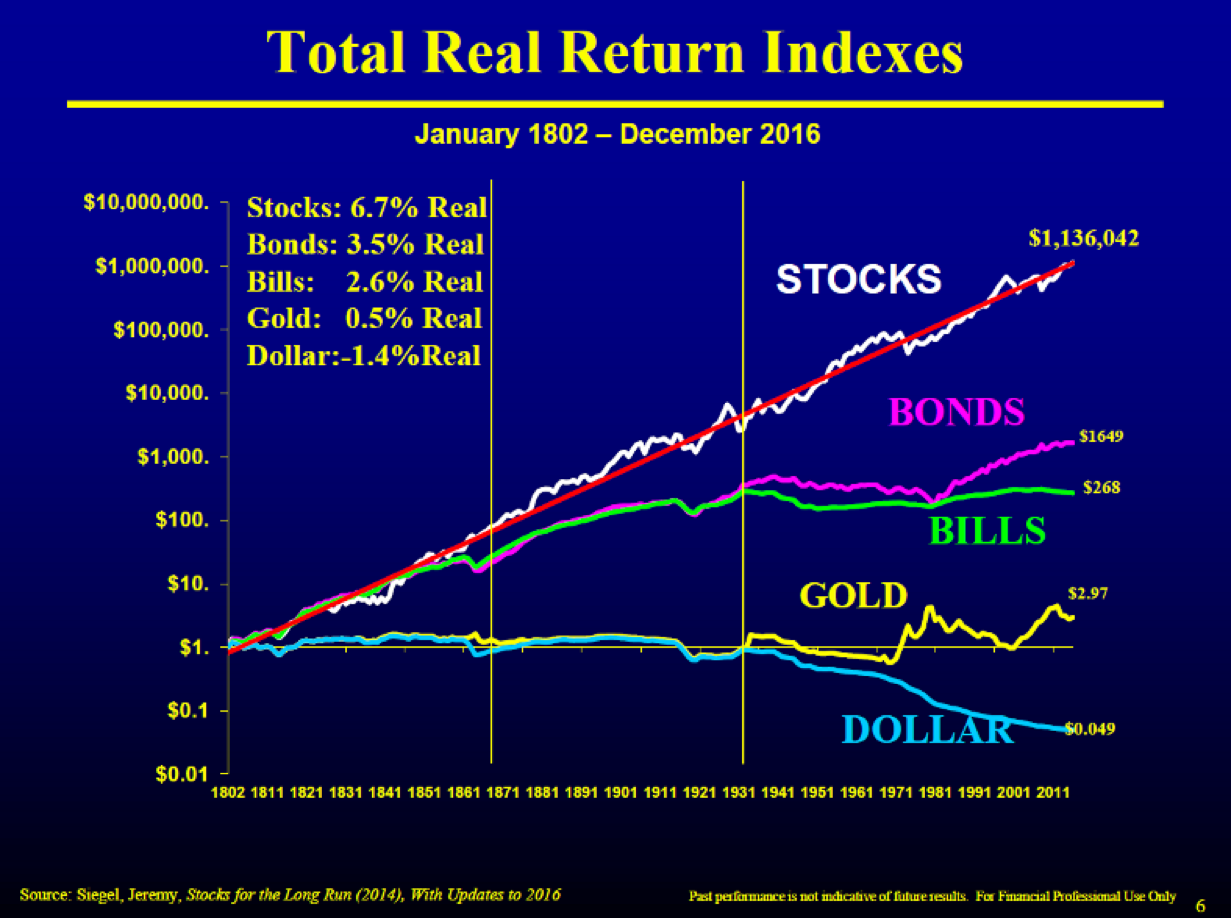
This adage encapsulates the core wisdom of long-term investing. The historical performance of the stock market demonstrates an upward trend over extended periods, despite numerous short-term corrections and bear markets. By staying invested through various cycles, investors benefit from compound returns and avoid the risk of missing the market’s best days. Missing just a few of these crucial days can severely erode overall returns. The most effective strategy for wealth creation in the stock market is to consistently allocate capital and allow time to work its magic, rather than trying to predict unpredictable short-term movements.
The Importance of Diversification: Spreading Your Risk
Regardless of when you choose to invest, how you invest is equally critical. Diversification, the practice of spreading your investments across various asset classes (stocks, bonds, real estate), industries, geographies, and company sizes, is essential for managing risk. It ensures that the poor performance of one investment does not disproportionately impact your entire portfolio. A well-diversified portfolio helps smooth out returns and provides a more stable growth trajectory, allowing you to remain invested even during sector-specific downturns without feeling the full brunt of concentrated risk.

Continuous Learning and Adaptation: The Investor’s Journey
The investment landscape is not static. Economic conditions, technological advancements, and regulatory environments constantly evolve. Therefore, the “when” of investing also includes the ongoing commitment to continuous learning and adaptation. Staying informed about broader economic trends, understanding the fundamentals of your investments, and being open to adjusting your strategy as your life circumstances change are hallmarks of a successful long-term investor. While professional financial advice can be invaluable, especially during complex transitions, an educated investor is an empowered investor, capable of making informed decisions aligned with their evolving goals.
In conclusion, the question “when should you invest in stocks?” doesn’t have a single, definitive answer applicable to everyone at all times. Instead, it’s a dynamic interplay of personal readiness, a general awareness of market conditions, and the strategic application of time-tested investment principles. The optimal time for you to invest is when your financial house is in order, your goals are clear, your risk tolerance is understood, and you commit to a long-term, disciplined approach, leveraging strategies like dollar-cost averaging and diversification. While market cycles will always present opportunities and challenges, the ultimate key to success lies not in perfect timing, but in consistent “time in the market,” allowing the power of compounding to work its magic over decades. Embarking on your investment journey now, with a thoughtful plan and a long-term perspective, is often the wisest “when” of all.
aViewFromTheCave is a participant in the Amazon Services LLC Associates Program, an affiliate advertising program designed to provide a means for sites to earn advertising fees by advertising and linking to Amazon.com. Amazon, the Amazon logo, AmazonSupply, and the AmazonSupply logo are trademarks of Amazon.com, Inc. or its affiliates. As an Amazon Associate we earn affiliate commissions from qualifying purchases.