
Wall Street is more than just a physical street in Lower Manhattan; it is a global metonym for the financial markets, a symbol of American capitalism, and a byword for investment, banking, and economic power. Its name evokes images of towering skyscrapers, bustling trading floors, and the high-stakes world of finance. Yet, the story behind its seemingly simple name is rooted not in finance, but in a very different kind of defense – one involving timber, earth, and the rugged frontier life of a 17th-century Dutch colonial outpost. To truly understand “Wall Street,” one must journey back to the humble beginnings of New Amsterdam and witness the confluence of geopolitics, necessity, and burgeoning commerce that eventually shaped its destiny as the epicenter of global finance.
A Frontier Outpost and a Defensive Palisade
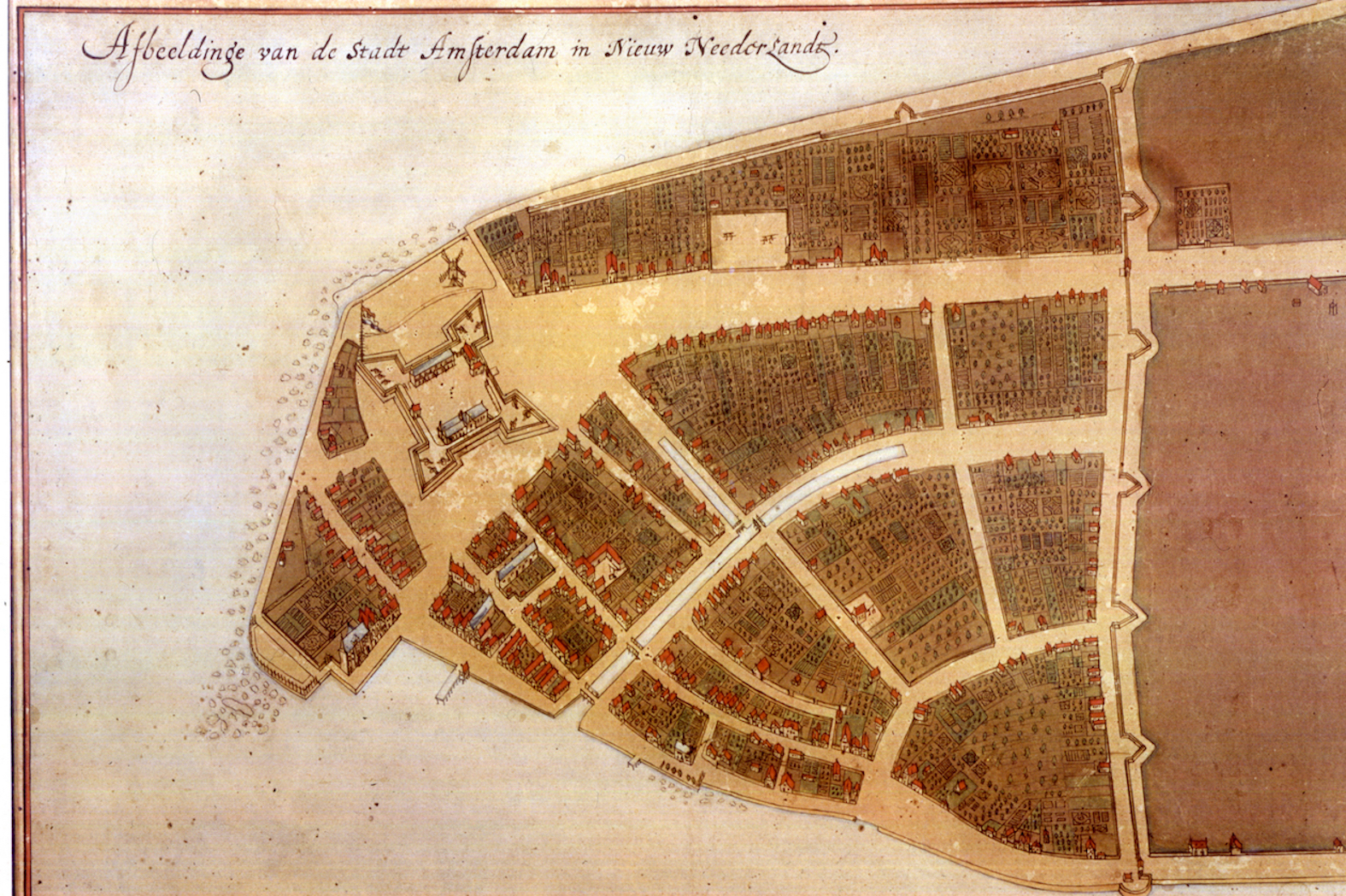
The narrative of Wall Street begins not with stockbrokers and trading floors, but with settlers and defensive fortifications. The island of Manhattan, purchased by the Dutch West India Company in 1626, became the site of New Amsterdam, a fledgling colonial settlement designed to secure the fur trade and establish a foothold in the New World.
New Amsterdam’s Early Days
In the mid-17th century, New Amsterdam was a small, vibrant, but vulnerable trading port. It was a melting pot of cultures, with Dutch, English, French, German, and African inhabitants contributing to its bustling atmosphere. Life was precarious, marked by the challenges of frontier existence, resource scarcity, and the ever-present geopolitical tensions of colonial expansion. The settlement’s primary purpose was economic – facilitating trade, particularly in beaver pelts, which were highly prized in Europe. However, this economic ambition was constantly tempered by strategic concerns.
The Threat from the North
New Amsterdam faced threats from multiple directions. To the north and west lay various Native American tribes, most notably the Lenape, who viewed the European encroachment with increasing hostility. While initial relations were often cooperative for trade, land disputes and cultural misunderstandings frequently escalated into conflict. More significantly for the long-term geopolitical landscape, the English colonies to the north (New England) and south (Virginia) were expanding rapidly, posing a direct and existential threat to Dutch territorial claims. The English were formidable rivals, and their ambitions to control the entire Eastern seaboard made New Amsterdam a strategic target.
Building the Wall
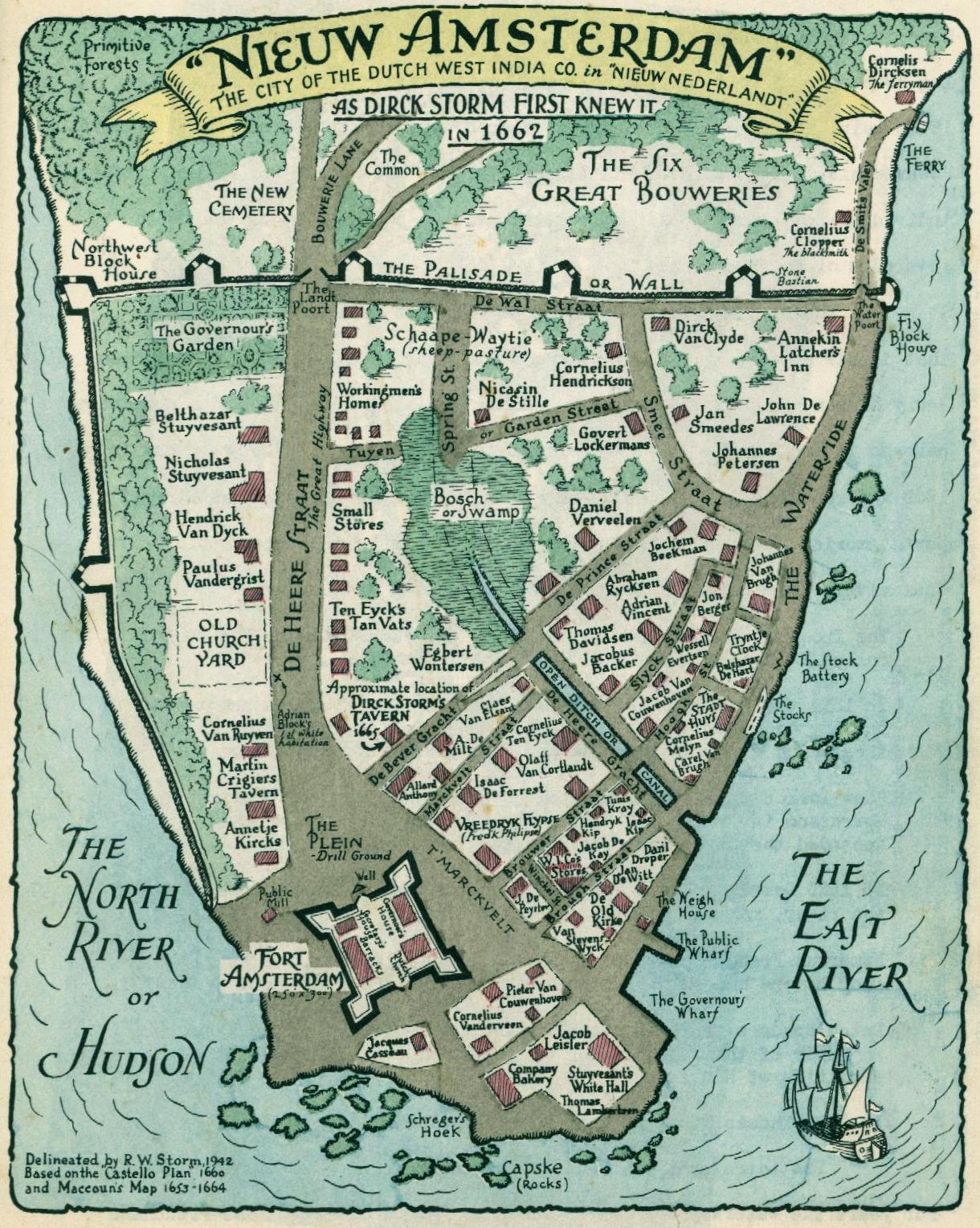
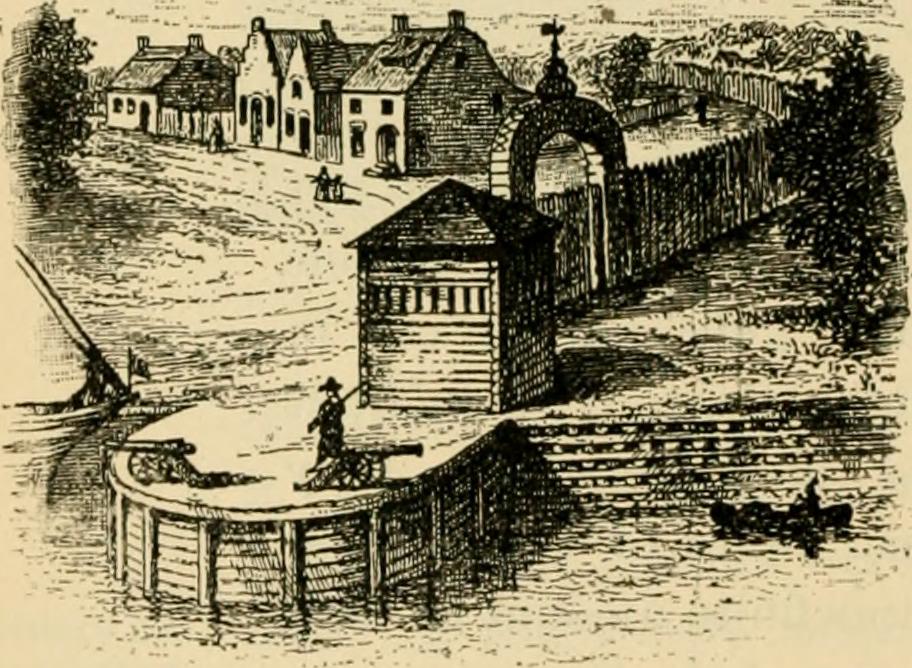
It was amidst these escalating tensions, particularly with the English and in response to perceived threats from Native American groups, that the decision was made to construct a defensive barrier. In 1653, under the leadership of Governor Peter Stuyvesant, the Dutch settlers embarked on building a palisade across the northern boundary of the settlement. This was not a magnificent stone wall, but rather a robust wooden fence made of sharpened logs, approximately 12 to 14 feet high, reinforced with earth and rubble, and featuring a ditch on its outer side. It stretched from the eastern shore of Manhattan (the East River) to the western shore (the Hudson River), effectively sealing off the developed part of New Amsterdam. The primary purpose was clear: to protect the valuable assets and inhabitants of the colony from potential invasion or raids. This modest defensive structure, born of necessity, would unwittingly give its name to a future global financial icon.
From Palisade to Thoroughfare
The defensive wall served its purpose for a time, a visible reminder of New Amsterdam’s vulnerability and its determination to endure. However, as the geopolitical landscape shifted, so too did the fate of the wall itself. Its eventual dismantling paved the way for the emergence of a new street that would inherit its historic name.
The Wall’s Demise
The defensive wall, though strategically important for a period, ultimately became obsolete. The most significant shift came in 1664 when the English, under the Duke of York, successfully captured New Amsterdam without firing a shot, renaming it New York. With the English now firmly in control and the immediate threat of Dutch-English conflict in the region subsiding, the need for an elaborate palisade diminished. Furthermore, the city continued to grow northward, rendering the wall an impediment to urban development rather than a crucial defense. By the late 17th and early 18th centuries, the wall had fallen into disrepair, parts of it were repurposed, and eventually, it was systematically dismantled, largely by 1699. Its physical presence vanished, but its legacy lingered.
The Birth of a Street
Even before the wall’s complete removal, the path running alongside its inner side had naturally evolved into a public pathway. This thoroughfare was a significant artery for the burgeoning city, connecting the East River docks to the settlements further west. Once the wall was gone, this path was officially recognized and formally laid out as a street. Given its indelible association with the former defensive barrier, it was simply and logically named “Wall Street.” The name wasn’t chosen for grandeur or financial aspiration; it was a simple, descriptive moniker rooted in the city’s early defensive history. It was a pragmatic name for a pragmatic street in a rapidly growing colonial port.
The Dawn of Financial Trading
While Wall Street received its name from a physical barrier, its true identity as a financial powerhouse began to take shape much later, through the organic development of trade and the formalization of securities exchange. The transformation from a mere street to a symbol of finance was a gradual process, driven by the expanding economy of the young American nation.
Early Mercantile Activity
In the 18th century, Wall Street was primarily a hub for mercantile activity. Its proximity to the East River docks, where ships brought goods from around the world, made it a natural gathering place for merchants, traders, and auctioneers. Coffee houses, taverns, and stores lined the street, facilitating the buying and selling of commodities like tobacco, sugar, furs, and enslaved people. This early commercial dynamism laid the groundwork for more sophisticated financial transactions, as merchants began to require capital and credit to finance their ventures. Bills of exchange, promissory notes, and rudimentary forms of insurance were all part of this evolving financial landscape.
The Tontine Coffee House and Informal Markets
As the American economy grew, so did the need for capital to fund new enterprises, particularly after the Revolutionary War. Government bonds, issued to finance the war effort, became a significant asset to trade. Initially, the buying and selling of these securities and other early stocks took place in an informal manner. Merchants, auctioneers, and individuals interested in investing would gather at specific locations to conduct their business. The Tontine Coffee House, opened in 1792 at the corner of Wall and Water Streets, became a particularly popular and significant venue for these informal dealings. It offered a sophisticated setting where deals could be struck, information exchanged, and the pulse of the market felt. This informal congregation of traders was the precursor to formalized exchanges.
The Buttonwood Agreement (1792)
The pivotal moment that formally cemented Wall Street’s future as the heart of American finance occurred on May 17, 1792. Twenty-four stockbrokers and merchants, seeking to bring order and transparency to the chaotic informal trading environment, gathered beneath a buttonwood tree located outside the Tontine Coffee House (or possibly at 68 Wall Street, depending on historical interpretation). They signed what became known as the Buttonwood Agreement. This landmark document stipulated two crucial points: that the signatories would only deal with each other, thereby creating an exclusive trading cartel, and that they would charge a commission of one-quarter of one percent on all sales. This agreement marked the official birth of organized securities trading in New York, directly leading to the formation of the “New York Stock & Exchange Board,” which would later become the New York Stock Exchange (NYSE). From this point forward, Wall Street was inextricably linked to the formal, structured world of stocks, bonds, and capital markets.
Wall Street: A Global Financial Behemoth
From its humble beginnings as a defensive perimeter and then a bustling mercantile street, Wall Street rapidly evolved into the nerve center of American, and eventually global, finance. Its growth mirrored the expansion of the United States economy, transforming it into the powerful metonym it is today.
Growth and Evolution of the Stock Exchange
Following the Buttonwood Agreement, the NYSE grew exponentially. As the American economy industrialized and expanded westward, companies sought capital to build railroads, factories, and new businesses. The exchange on Wall Street provided the mechanism for this capital formation, allowing ordinary citizens to invest in the nation’s growth. Over the centuries, the NYSE moved from rented rooms to its iconic building at 11 Wall Street, undergoing numerous transformations in its trading methods, regulatory structures, and technological infrastructure. Other financial institutions, including banks, insurance companies, and investment firms, naturally clustered around the exchange, solidifying Wall Street’s gravitational pull for financial talent and capital.
From Local Market to Global Influence
By the late 19th and early 20th centuries, as the United States emerged as a global economic power, Wall Street’s influence extended far beyond its shores. It became a primary source of capital for international ventures, a hub for foreign exchange, and a barometer for global economic health. Major financial events, from the Panic of 1907 to the Great Depression, the stock market crash of 1987, and the 2008 financial crisis, reverberated from Wall Street across the world, underscoring its profound global impact. The decisions made and the wealth generated (or lost) on Wall Street had, and continue to have, ramifications for economies and individuals worldwide.
Beyond the Physical Street
Today, “Wall Street” is rarely understood as merely the physical thoroughfare in Lower Manhattan. It has transcended its geographical confines to become a powerful metonym for the entire U.S. financial industry, encompassing not just the stock exchange but also investment banks, hedge funds, private equity firms, and the vast ecosystem of financial services that drive modern capitalism. When people speak of “Wall Street,” they are referring to a complex, interconnected web of institutions, markets, and individuals that collectively manage trillions of dollars in assets, facilitate global trade, and influence economic policy.
Enduring Legacy and Future Horizons
The journey of Wall Street, from a colonial defensive barrier to a global financial titan, is a testament to the dynamic forces of history, economics, and human ambition. Its name, though humble in origin, now carries immense weight and symbolism in the modern world of money.
Symbol of Opportunity and Risk
Wall Street embodies a duality that has fascinated and frustrated generations. It represents unparalleled opportunity, the engine of innovation, wealth creation, and economic progress, allowing individuals and businesses to pursue ambitious endeavors. Yet, it also symbolizes risk, volatility, and inequality, often blamed for financial crises, excessive speculation, and a perceived disconnect from Main Street. This tension between its potential for good and its capacity for disruption remains a central theme in discussions about finance and capitalism.
Adaptability in the Digital Age
Despite its deep historical roots, Wall Street is anything but stagnant. The financial industry it represents is in a constant state of evolution, driven by technological advancements, regulatory changes, and shifting global dynamics. The rise of fintech, artificial intelligence, blockchain, and algorithmic trading continues to reshape how markets operate, how investments are made, and how financial services are delivered. While the physical street still holds historical significance, the “Wall Street” of the future is increasingly decentralized, digital, and globalized, continually adapting to new paradigms in the world of money.
The name “Wall Street” is a poignant reminder that even the grandest institutions often have the most unexpected origins. What began as a defensive wooden palisade against colonial threats ultimately lent its name to the very artery of global finance. It’s a journey from a tangible boundary to an abstract concept, from local defense to global economic power, embedding centuries of history, ambition, and the relentless pursuit of prosperity into a single, iconic name.
aViewFromTheCave is a participant in the Amazon Services LLC Associates Program, an affiliate advertising program designed to provide a means for sites to earn advertising fees by advertising and linking to Amazon.com. Amazon, the Amazon logo, AmazonSupply, and the AmazonSupply logo are trademarks of Amazon.com, Inc. or its affiliates. As an Amazon Associate we earn affiliate commissions from qualifying purchases.