
Embarking on the entrepreneurial journey is exhilarating, filled with innovation, passion, and the promise of a brighter future. However, one of the most significant hurdles aspiring business owners face is securing adequate funding to transform their vision into a tangible entity. While personal savings, friends and family, and venture capital are viable options, debt financing, particularly business loans, remains a cornerstone for many startups. Navigating the complex world of startup loans requires a strategic approach, meticulous preparation, and a clear understanding of the financial landscape. This comprehensive guide will illuminate the path to securing the capital your startup needs to thrive.
Understanding the Startup Funding Landscape
The journey of a startup is often characterized by ambitious goals and limited initial resources. Capital is the lifeblood of any new venture, enabling everything from product development and marketing to hiring talent and managing operational expenses. For many entrepreneurs, a business loan is not just a source of funds; it’s a critical enabler of growth and stability.
The Unique Challenges of Startup Financing
Startups inherently present a higher risk profile to lenders compared to established businesses. They typically lack a proven track record, substantial revenue streams, or extensive credit history, which are traditional benchmarks for loan eligibility. This makes convincing a lender to invest in a nascent idea a formidable challenge. Lenders need to see a compelling reason to believe in your business’s future viability and your ability to repay the loan. This is why thorough preparation and a clear articulation of your business’s potential are paramount.
Why Debt Financing (Loans) Matters for Startups
While equity financing (selling shares in your company to investors) can provide substantial capital without the burden of repayment, it comes at the cost of ownership and control. Debt financing, on the other hand, allows entrepreneurs to retain full ownership of their company. Once the loan is repaid, the financial obligation to the lender is complete, leaving the entrepreneur in full command of their enterprise’s future. For startups aiming for long-term independence and control, a well-managed business loan can be an invaluable tool. It allows for predictable budgeting through fixed payments and can contribute positively to building a business credit history, which becomes increasingly important as the company scales.
Equity vs. Debt: A Brief Overview
It’s crucial for every startup founder to understand the fundamental differences between equity and debt financing. Equity involves giving up a percentage of your company in exchange for capital. This means sharing future profits and potentially decision-making power. Debt, conversely, involves borrowing money that must be repaid with interest, regardless of your company’s profitability. While debt doesn’t dilute ownership, it does impose a fixed financial obligation, which can be challenging during periods of low cash flow. The optimal capital structure for a startup often involves a blend of both, strategically chosen to balance growth potential with financial stability and control.
Preparing Your Startup for Loan Applications
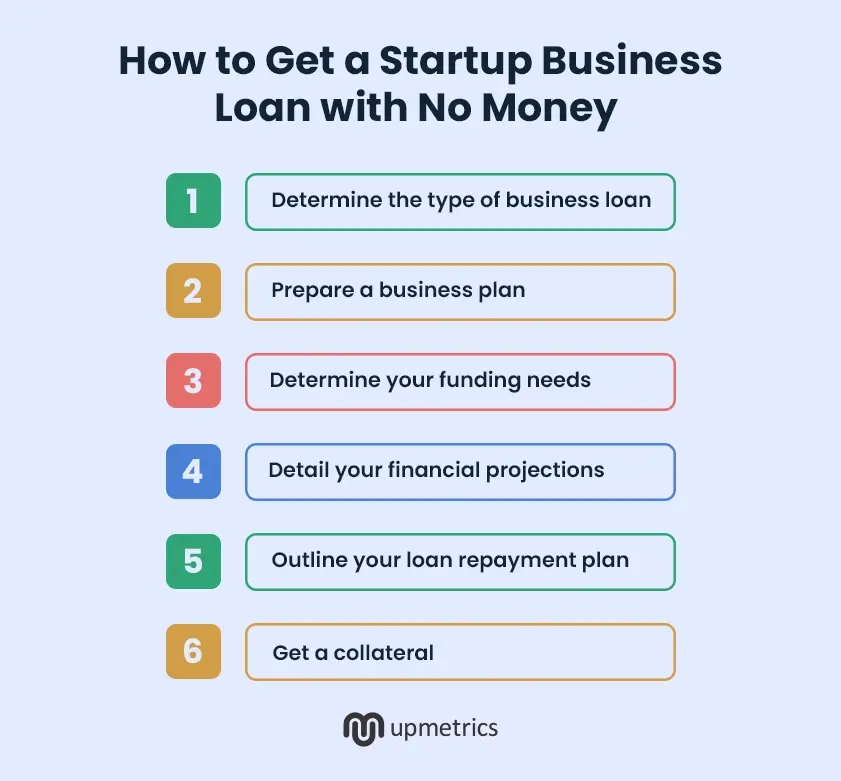
Securing a business loan for a startup is an exercise in meticulous preparation. Lenders are looking for solid evidence that your business is well-conceived, viable, and capable of generating sufficient cash flow to meet repayment obligations. Skipping any of these preparatory steps can significantly diminish your chances of approval.
Crafting a Robust Business Plan
Your business plan is the cornerstone of your loan application. It’s more than just a document; it’s a strategic roadmap that articulates your vision, market analysis, operational plan, management team, and, critically, your financial projections. Lenders want to see a comprehensive plan that demonstrates you’ve thoroughly thought through every aspect of your business. It should clearly outline your value proposition, target market, competitive advantages, marketing strategy, and how you intend to generate revenue and profit. A well-researched and professionally presented business plan instills confidence in potential lenders.
Financial Projections and Demonstrating Repayment Capacity
This is perhaps the most critical section for lenders. You need to provide realistic and well-supported financial projections that demonstrate your startup’s potential profitability and, most importantly, its ability to service the debt. This typically includes:
-
Startup Cost Analysis: A detailed breakdown of all initial expenses required to launch and operate the business until it reaches profitability.
-
Projected Income Statements: Forecasts of your sales revenue, cost of goods sold, and operating expenses, leading to projected net profit over the next 3-5 years.
-
Projected Cash Flow Statements: Crucial for showing how cash will move in and out of your business, ensuring you have enough liquidity to meet operational needs and loan payments.
-
Projected Balance Sheets: Snapshots of your company’s assets, liabilities, and equity at specific points in time.
-
Break-Even Analysis: Identifying the point at which your total revenue equals your total costs.
These projections must be conservative, defensible, and clearly linked to the operational plans outlined in your business plan.
Personal Credit Score: Its Importance for Startup Loans
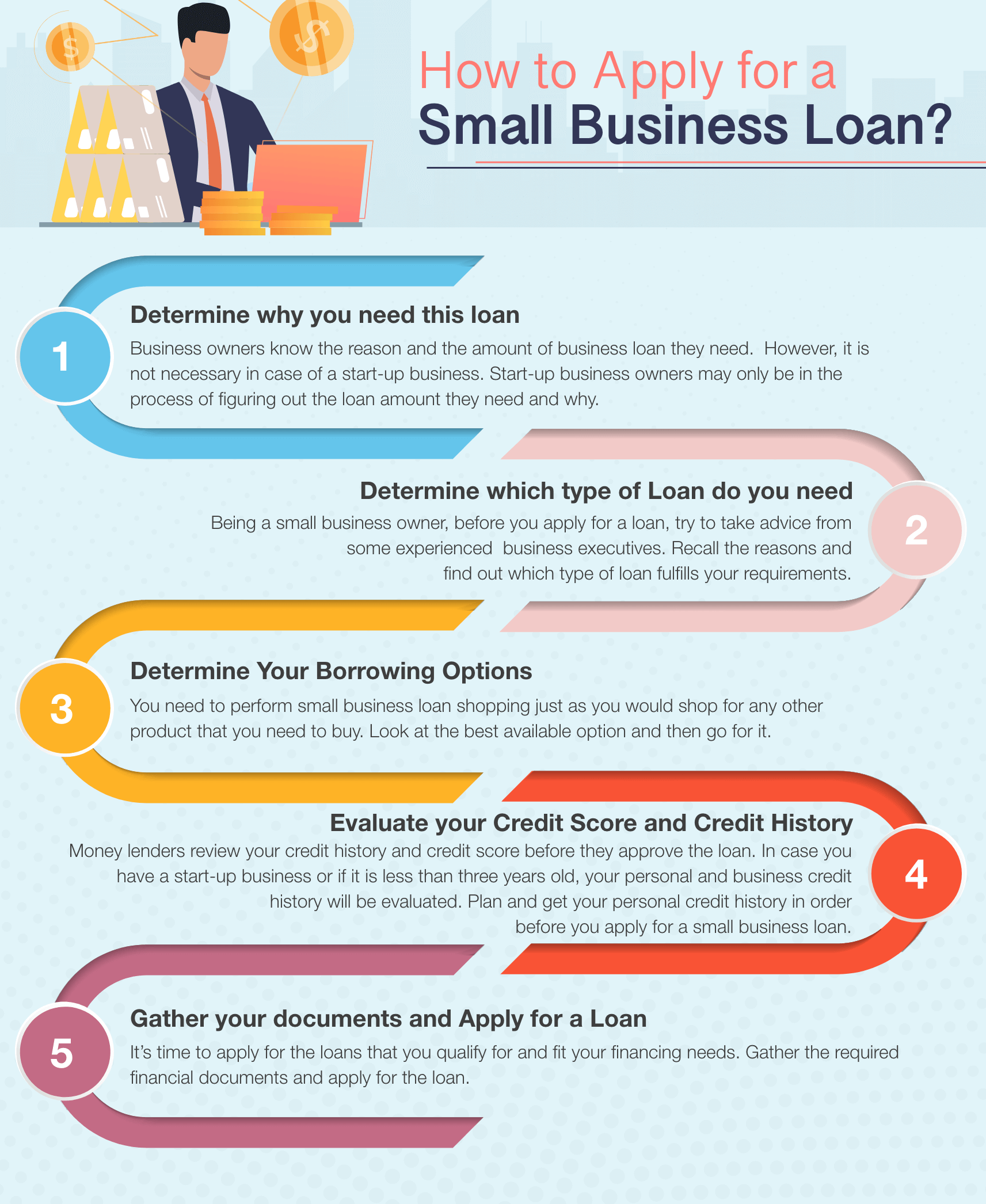
For startups, especially those without an established business credit history, the personal credit score of the founders is often a critical factor. Lenders view a strong personal credit score (typically FICO scores of 680 or higher) as an indicator of an individual’s financial responsibility and reliability. A good personal credit history can significantly bolster your loan application, as it reassures lenders that you have a track record of managing debt responsibly. It’s advisable to check your credit reports from all three major bureaus (Experian, Equifax, TransUnion) well in advance to identify and rectify any inaccuracies.
Collateral and Guarantees: What Lenders Look For
Many startup loans, especially from traditional banks, are secured loans, meaning they require collateral. Collateral is an asset (like real estate, equipment, or accounts receivable) that the borrower pledges to the lender as security for the repayment of the loan. If the borrower defaults, the lender can seize the collateral to recover their losses. For startups, personal assets of the founders are often required as collateral, or lenders may require a personal guarantee, which means the founder is personally liable for the business debt if the company cannot repay it. Understanding these requirements and being prepared to offer appropriate security or guarantees is vital.
Exploring Different Types of Startup Business Loans
The financing landscape for startups is more diverse than ever before. Beyond traditional bank loans, a plethora of alternative options has emerged, each with its own advantages, eligibility criteria, and typical uses. Researching and understanding these different types is crucial for finding the right fit for your specific needs.
Traditional Bank Loans (SBA Loans)
Traditional banks remain a primary source of business funding, though they often have stringent requirements for startups due to the perceived risk. However, banks are often participants in programs offered by the U.S. Small Business Administration (SBA). SBA loans are partially guaranteed by the government, which reduces the risk for lenders and makes them more willing to lend to small businesses, including startups.
-
SBA 7(a) Loans: The most common and flexible SBA loan program, offering funds for a wide range of general business purposes, including working capital, equipment purchases, and real estate.
-
SBA Microloans: Smaller loans (up to $50,000) provided by non-profit community-based organizations, specifically designed to help underserved entrepreneurs and startups. These often have less stringent requirements than larger SBA loans.
SBA loans typically offer competitive interest rates and longer repayment terms, making them very attractive for startups. However, the application process can be lengthy and requires significant documentation.
Online Lenders and Alternative Financing
The rise of financial technology (FinTech) has given birth to a robust ecosystem of online lenders. These platforms often offer faster application processes and quicker funding decisions compared to traditional banks. They might also have more flexible eligibility criteria, making them a good option for startups that don’t quite meet traditional bank requirements.
-
Term Loans: Similar to traditional bank loans but with a faster application and funding process, often with higher interest rates.
-
Lines of Credit: Provides access to a revolving pool of funds up to a certain limit, which can be drawn upon as needed and repaid. Ideal for managing short-term cash flow fluctuations.
While convenient, it’s crucial to scrutinize the terms and interest rates of online lenders, as they can sometimes be significantly higher than those of traditional banks or SBA loans.

Microloans: Small Scale, Big Impact
As mentioned with SBA Microloans, these are specifically designed for very small businesses and startups that may struggle to qualify for larger loans. Offered by non-profit organizations and often supported by government programs, microloans are typically for amounts up to $50,000. They often come with business support services, such as financial literacy training and business counseling, which can be invaluable for new entrepreneurs. They are particularly beneficial for businesses with lower capital needs or those in underserved communities.
Equipment Financing and Invoice Factoring (if applicable)
-
Equipment Financing: If your startup requires specific machinery or equipment to operate (e.g., in manufacturing, construction, or healthcare), equipment financing allows you to purchase these assets using the equipment itself as collateral. This type of loan can be easier for startups to obtain as the risk to the lender is mitigated by the tangible asset.
-
Invoice Factoring (or Accounts Receivable Financing): While not strictly a loan, invoice factoring allows businesses to sell their unpaid invoices to a third-party factor at a discount in exchange for immediate cash. This can be an excellent option for startups that have B2B clients and need to bridge cash flow gaps while waiting for customer payments.
Business Credit Cards (with caution)
Business credit cards can serve as a flexible funding option for small, recurring expenses or unexpected needs. They offer quick access to funds and can help build business credit history if managed responsibly. However, they typically come with higher interest rates than traditional loans, and relying too heavily on them for large capital needs can quickly lead to crippling debt. They are best used as a supplementary tool rather than a primary source of startup funding.
The Application Process: Step-by-Step
Once you’ve identified the most suitable loan type, the next phase is the application itself. This requires meticulous attention to detail and a thorough understanding of what lenders expect.
Assembling Your Documentation Checklist
A well-organized application package is crucial. While requirements vary by lender and loan type, generally you’ll need:
-
Comprehensive Business Plan: As discussed, your strategic roadmap.
-
Personal and Business Financial Statements: Including bank statements, tax returns (personal and any existing business), and personal financial statements (assets, liabilities).
-
Legal Documents: Business registration documents, licenses, permits, articles of incorporation, and any relevant contracts.
-
Resumes of Key Management: Demonstrating the experience and expertise of your leadership team.
-
Collateral Documentation: If applicable, details of assets to be pledged.
-
Credit Reports: Personal credit reports (lenders will often pull their own, but it’s good to know yours).
Ensure all documents are current, accurate, and easy to review. Incomplete or disorganized applications are often rejected.
The Importance of a Strong Loan Proposal
Beyond the standard documents, consider crafting a concise yet compelling loan proposal letter. This is your opportunity to briefly introduce your business, state the purpose of the loan, specify the amount requested, and highlight why your startup is a sound investment. Emphasize your unique selling points, market opportunity, and the strength of your management team. This personalized touch can make your application stand out.
Navigating Lender Questions and Due Diligence
Be prepared for follow-up questions from lenders. They may want to delve deeper into your financial projections, ask about potential risks, or inquire about your contingency plans. Transparency and honesty are key. If there are weaknesses in your application (e.g., a limited personal credit history), be prepared to address them proactively and explain how you plan to mitigate those challenges. Lenders will perform their own due diligence, verifying information, checking references, and assessing your overall risk profile.
Understanding Loan Terms and Conditions
Before signing any loan agreement, meticulously review all terms and conditions. Pay close attention to:
-
Interest Rate: Fixed or variable?
-
Repayment Schedule: Monthly, quarterly? Length of the loan term.
-
Fees: Origination fees, closing costs, prepayment penalties, late fees.
-
Collateral Requirements: What assets are pledged.
-
Covenants: Any conditions or restrictions imposed on your business (e.g., maintaining certain financial ratios).
-
Personal Guarantee: Understand your personal liability.
If anything is unclear, do not hesitate to ask for clarification from the lender or seek advice from a financial advisor or attorney. A clear understanding prevents future misunderstandings and ensures you can meet your obligations.
Post-Approval: Managing Your Business Loan Wisely
Securing the loan is a significant achievement, but it’s just the beginning. Responsible management of the funds and meticulous adherence to the repayment schedule are crucial for your startup’s long-term financial health and credit standing.
Strategic Allocation of Funds
Resist the temptation to splurge. The loan funds should be allocated precisely according to the plan outlined in your application. Prioritize essential startup costs, operational expenses that drive revenue, and strategic investments that foster growth. Maintain detailed records of how the funds are used, as some lenders may require periodic reporting. Mismanaging funds can quickly lead to cash flow problems and difficulty in meeting repayment obligations.
Consistent Financial Monitoring and Reporting
Implement robust financial management systems from day one. Regularly monitor your cash flow, track expenses, and compare actual performance against your financial projections. This allows you to identify potential issues early and make necessary adjustments. If your loan has specific covenants, ensure you are continuously tracking them. Maintaining accurate and up-to-date financial records is not only good business practice but also a requirement for future financing or investor relations.
Building a Positive Repayment History
Timely and consistent loan repayments are paramount. A strong repayment history builds your business credit score, making it easier to secure future financing at more favorable terms. If you anticipate a challenge in making a payment, communicate with your lender immediately. Proactive communication can often lead to temporary solutions, whereas defaulting on a payment without notice can severely damage your credit and relationship with the lender.
When and How to Refinance
As your startup grows and establishes a stronger financial footing, you might become eligible for loans with better terms, such as lower interest rates or longer repayment periods. If your business credit improves significantly, consider exploring refinancing options. This can reduce your monthly payments, free up cash flow, or simply make your debt more manageable. However, carefully weigh the costs associated with refinancing (e.g., new origination fees) against the potential savings.
Conclusion
Securing a business loan for your startup is a journey that demands thorough preparation, an understanding of the available options, and disciplined financial management. By crafting a robust business plan, demonstrating strong financial projections, understanding the various loan types, and meticulously managing the application and repayment processes, entrepreneurs can successfully leverage debt financing to fuel their ventures. While challenging, a strategically acquired and responsibly managed business loan can provide the essential capital needed to transform an innovative idea into a thriving, impactful enterprise. Remember, a loan is a partnership, and fostering a good relationship with your lender through transparency and reliability is key to your long-term success.
aViewFromTheCave is a participant in the Amazon Services LLC Associates Program, an affiliate advertising program designed to provide a means for sites to earn advertising fees by advertising and linking to Amazon.com. Amazon, the Amazon logo, AmazonSupply, and the AmazonSupply logo are trademarks of Amazon.com, Inc. or its affiliates. As an Amazon Associate we earn affiliate commissions from qualifying purchases.