
In an increasingly digital world, Bitcoin (BTC) has emerged as a revolutionary asset, challenging traditional financial paradigms and capturing the attention of investors, technologists, and individuals worldwide. As the pioneer cryptocurrency, Bitcoin offers a decentralized, peer-to-peer electronic cash system, free from the control of governments or financial institutions. Its unique properties – scarcity, divisibility, portability, and censorship resistance – have cemented its status not just as a speculative asset, but as a potential store of value and a medium for global transactions. For many, understanding “how to get BTC” is the first step into the expansive and often exhilarating world of digital finance. This guide aims to demystify the process, offering a professional, insightful, and engaging overview of the various methods available to acquire Bitcoin, alongside crucial financial considerations and best practices for securing your holdings.
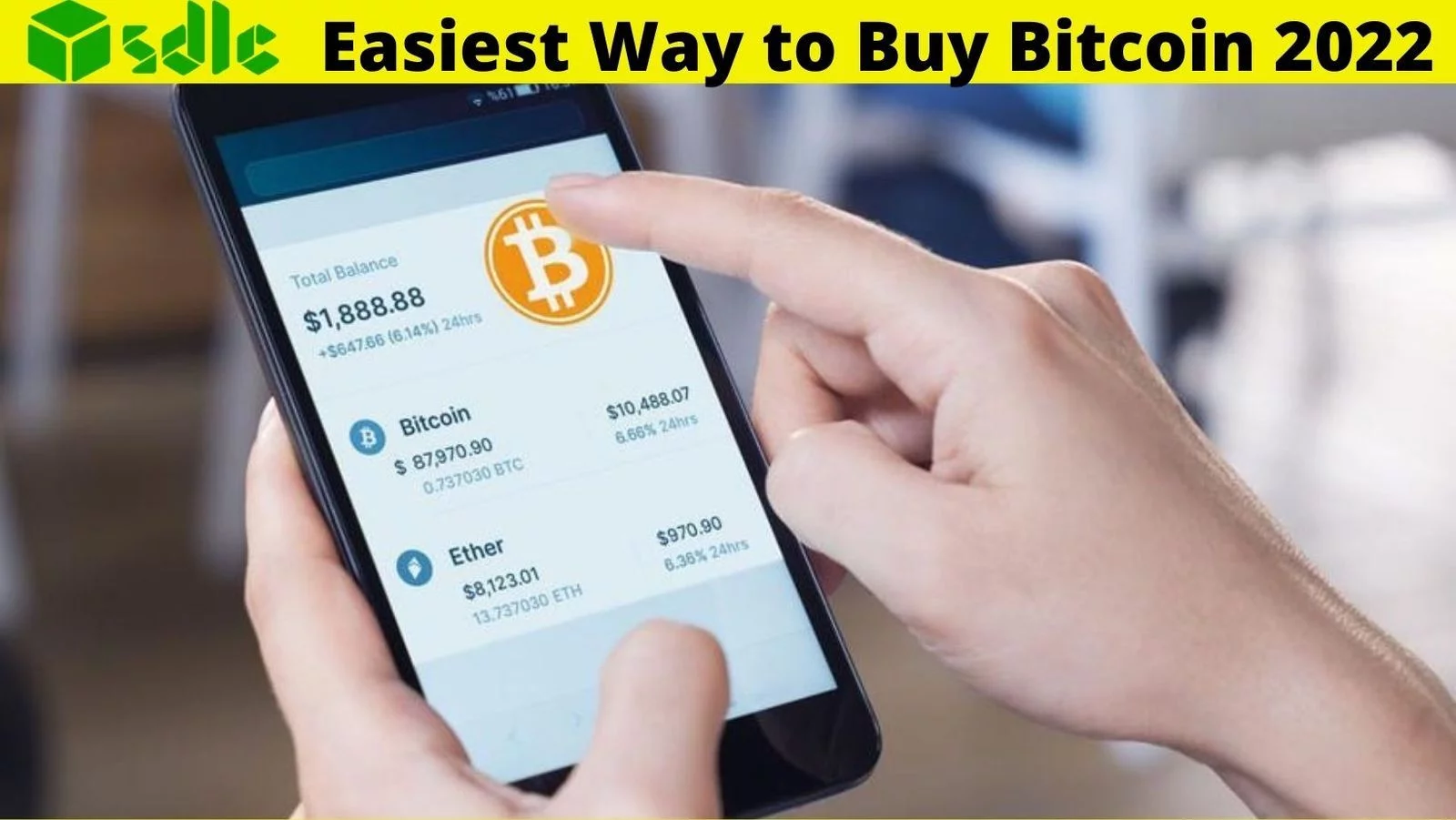
Understanding Bitcoin and Its Appeal
Before delving into the mechanics of acquisition, it’s essential to grasp what Bitcoin truly is and why it has garnered such significant interest. This foundational understanding will equip you to make informed decisions about your financial journey into cryptocurrency.
What is Bitcoin (BTC)?
At its core, Bitcoin is a digital currency, or cryptocurrency, created in 2009 by an anonymous entity known as Satoshi Nakamoto. Unlike fiat currencies such as the US dollar or Euro, Bitcoin exists solely in digital form and operates on a decentralized network called a blockchain. This blockchain is a public, distributed ledger that records all transactions, secured by cryptographic principles. The decentralized nature means there is no central authority governing Bitcoin; instead, transactions are verified by a network of computers (miners) and added to the blockchain, making it highly secure and resistant to censorship or manipulation. The total supply of Bitcoin is capped at 21 million coins, making it a scarce asset, akin to digital gold.
Why Acquire Bitcoin?
The motivations for acquiring Bitcoin are diverse and often multi-faceted, ranging from investment potential to philosophical alignment with decentralized finance. Many see Bitcoin as a hedge against inflation and economic instability, particularly given its fixed supply, which contrasts sharply with the unlimited printing of fiat currencies. For others, it represents a significant investment opportunity, driven by its historical price appreciation and potential for future growth. Beyond speculative investment, Bitcoin offers a robust system for international remittances, enabling fast and low-cost cross-border payments without relying on traditional banking infrastructure. It also provides financial inclusion for the unbanked and underbanked populations globally, offering access to a financial system that does not discriminate based on geography or socio-economic status. Furthermore, some are drawn to Bitcoin for its underlying principles of decentralization, individual sovereignty, and privacy in transactions.
Direct Purchase Methods for BTC
The most straightforward and common way to acquire Bitcoin is through direct purchase. Several avenues exist, each with its own set of advantages, disadvantages, and operational nuances.
Centralized Cryptocurrency Exchanges (CEXs)
Centralized exchanges are the most popular platforms for buying and selling cryptocurrencies. These platforms act as intermediaries, matching buyers and sellers and facilitating transactions. To use a CEX, you typically need to create an account, complete a Know Your Customer (KYC) verification process (which involves providing personal identification), and link a payment method such as a bank account, debit card, or credit card.
-
Pros: High liquidity, user-friendly interfaces, a wide range of cryptocurrencies beyond Bitcoin, competitive fees for trading, and robust security measures (though not entirely impervious to attacks). Popular examples include Coinbase, Binance, Kraken, and Gemini.
-
Cons: Require personal information for KYC, susceptible to regulatory scrutiny, and users do not hold their private keys directly on the exchange (meaning “not your keys, not your coins”), posing a counterparty risk if the exchange faces issues.
Peer-to-Peer (P2P) Marketplaces
P2P marketplaces connect buyers and sellers directly, allowing them to trade Bitcoin without a central intermediary. These platforms facilitate the discovery of trading partners and often offer escrow services to ensure both parties fulfill their commitments. Payment methods can be highly varied, including bank transfers, online payment systems, and even cash in person.
-
Pros: Greater privacy (though some platforms still require identity verification), a wider array of payment options, potentially lower fees, and accessibility in regions where CEXs might be restricted. Examples include LocalBitcoins and Paxful.
-
Cons: Can be riskier due to the direct interaction between individuals, requiring more vigilance to avoid scams. Transactions might be slower, and liquidity can be lower compared to CEXs.
Bitcoin ATMs
Bitcoin ATMs are physical machines that allow users to buy or sell Bitcoin using cash or debit cards. The process typically involves scanning a QR code for your Bitcoin wallet address, inserting cash, and receiving BTC directly into your wallet. Some ATMs also allow selling Bitcoin for cash.
-
Pros: Convenience and speed for smaller transactions, privacy (some ATMs require minimal or no identity verification for small amounts), and ease of use for those unfamiliar with online exchanges.
-
Cons: Generally charge significantly higher fees than online exchanges, and transaction limits can be restrictive. Geographical availability is also a limiting factor.
Brokerage Services and Investment Platforms
Beyond dedicated crypto exchanges, an increasing number of mainstream financial platforms and brokerage services now offer the ability to buy, hold, and sell Bitcoin. These include popular apps like PayPal and Cash App, as well as traditional investment platforms that are beginning to integrate crypto assets.
-
Pros: Seamless integration with existing financial portfolios, familiarity for users already on these platforms, and often simplified user experiences.
-
Cons: Users typically don’t own the underlying Bitcoin directly (they own an interest in it), meaning they cannot withdraw it to a private wallet or use it for transactions. Fees can also be higher than specialized exchanges.
Earning Bitcoin: Alternative Acquisition Strategies
While direct purchase is the most common route, several alternative methods allow you to earn Bitcoin, often leveraging your skills, resources, or time.
Bitcoin Mining
Bitcoin mining is the process by which new Bitcoins are introduced into circulation and transactions are verified and added to the blockchain. Miners use specialized computer hardware to solve complex cryptographic puzzles. The first miner to solve the puzzle earns a block reward (newly minted Bitcoins) and transaction fees.
- Practicalities for Individuals: For individual users, traditional CPU/GPU mining for Bitcoin has become largely impractical due to the immense computational power required and high energy costs. Most successful mining is done by large-scale operations with Application-Specific Integrated Circuits (ASICs). However, cloud mining (renting computing power from a data center) offers an alternative, though it carries its own risks, including scam operations and uncertain profitability.
Earning through Work or Services
One increasingly viable method is to accept Bitcoin as payment for your work, goods, or services. Many freelancers, small businesses, and online vendors are now open to receiving BTC.

- How it Works: You can set up a crypto payment gateway (e.g., BitPay, CoinGate) or simply provide your Bitcoin wallet address to clients. This method allows you to accumulate Bitcoin directly from your income, bypassing the need for fiat conversions. It offers financial autonomy and can reduce transaction fees for international payments.
Faucets and Rewards Programs
Bitcoin faucets are websites or apps that distribute small amounts of Bitcoin to users in exchange for completing simple tasks, such as solving captchas, playing games, or viewing ads. While the amounts earned are typically very small, they can serve as an introductory way to acquire minuscule fractions of BTC. Similarly, some reward programs, cashback apps, or browser extensions offer a percentage of purchases back in Bitcoin.
- Reality Check: These methods are generally not effective for significant accumulation due to the minuscule rewards and time investment required. They are more akin to a novelty or a way to understand micro-transactions.
Lending and Yield Farming (with caution)
While native Bitcoin does not offer “staking” in the Proof-of-Stake sense, you can lend your Bitcoin on various decentralized finance (DeFi) platforms or centralized lending services to earn interest. This involves locking up your BTC for a period, allowing others to borrow it, and you receive a yield in return. Similarly, some yield farming strategies involve wrapping Bitcoin (WBTC) to participate in DeFi protocols.
- Risks: These methods carry significant risks, including smart contract vulnerabilities, impermanent loss (in liquidity pools), platform hacks, and the potential loss of your principal. Thorough research and understanding of the underlying protocols are paramount.
Securing Your Bitcoin: Post-Acquisition Best Practices
Acquiring Bitcoin is only half the battle; securing it is equally, if not more, critical. Due to its digital nature and direct control by the user, Bitcoin requires a robust approach to security to protect against theft, loss, and unauthorized access.
Understanding Bitcoin Wallets
A Bitcoin wallet is not a physical place where your Bitcoin is stored, but rather a software program or device that stores your private keys. These private keys are what give you ownership and control over your Bitcoin on the blockchain. Wallets come in various forms:
-
Hot Wallets: Connected to the internet (e.g., exchange wallets, mobile wallets, desktop wallets). They offer convenience but are more susceptible to online threats.
-
Cold Wallets: Not connected to the internet (e.g., hardware wallets, paper wallets). They provide superior security for long-term storage but are less convenient for frequent transactions. Hardware wallets (like Ledger, Trezor) are generally considered the most secure option for most users.
Essential Security Measures
No matter how you acquire Bitcoin, implementing strong security practices is non-negotiable.
-
Two-Factor Authentication (2FA): Always enable 2FA on exchanges and any platforms holding your crypto. Use authenticator apps (e.g., Google Authenticator, Authy) rather than SMS-based 2FA, which is more vulnerable.
-
Strong, Unique Passwords: Use complex, unique passwords for all your crypto accounts, combining letters, numbers, and symbols. Employ a reputable password manager.
-
Seed Phrase Backup: For non-custodial wallets (where you control your private keys), you will receive a “seed phrase” (a series of 12 or 24 words). This is the master key to your funds. Write it down offline and store it in multiple secure, undisclosed locations. Never store it digitally or share it.
-
Beware of Scams: Be vigilant against phishing attempts, fake websites, unsolicited investment offers, and social media scams. Always double-check URLs and verify information from official sources.
-
Regular Software Updates: Keep your wallet software, operating system, and antivirus programs updated to patch security vulnerabilities.
Managing Your Holdings
Effective management of your Bitcoin holdings goes beyond security; it involves strategic financial planning.
-
Diversification: While Bitcoin is a significant asset, consider diversifying your crypto portfolio and overall investment portfolio to mitigate risk.
-
Long-Term vs. Short-Term Strategy: Determine whether you are acquiring Bitcoin for long-term holding (HODLing) or for short-term trading. Your strategy will influence your storage choices and risk tolerance.
-
Tax Implications: Understand the tax regulations related to cryptocurrency in your jurisdiction. Capital gains from selling Bitcoin, and in some cases, earning it, are often taxable events. Consult a financial advisor knowledgeable in crypto taxation.
Key Considerations Before Acquiring BTC
Entering the Bitcoin market requires careful consideration of its inherent characteristics and the broader financial environment. Responsible acquisition begins with awareness of potential pitfalls.
Volatility and Risk
Bitcoin is renowned for its price volatility. Its value can experience rapid and significant fluctuations within short periods, driven by market sentiment, regulatory news, technological developments, and macroeconomic factors. This volatility presents both opportunities for gain and substantial risks of loss. It is crucial to internalize the principle: only invest what you can afford to lose. Bitcoin is not a guaranteed path to wealth; it is a high-risk, high-reward asset.
Regulatory Landscape
The regulatory environment for cryptocurrencies varies significantly across different countries and is constantly evolving. Some nations have embraced Bitcoin, while others have imposed strict restrictions or outright bans. Regulations can impact how you buy, sell, hold, and use Bitcoin, as well as your tax obligations. Staying informed about the legal status of Bitcoin in your region is vital to ensure compliance and avoid potential legal issues.
Due Diligence
Before choosing any platform or method to acquire Bitcoin, conduct thorough due diligence.
-
Research Platforms: Investigate the reputation, security measures, fee structures, and customer support of any exchange, P2P marketplace, or brokerage you consider using. Read user reviews and check for regulatory compliance.
-
Understand Fees: Be aware of all associated fees, including trading fees, withdrawal fees, deposit fees, and network fees. These can significantly impact the overall cost of acquiring Bitcoin.
-
Start Small: If you are new to cryptocurrency, consider starting with a small investment to familiarize yourself with the process and the market dynamics before committing larger sums.

Conclusion
Acquiring Bitcoin can be a straightforward process, but it demands careful attention to detail, a commitment to security, and a clear understanding of the associated financial risks. Whether you choose to purchase through centralized exchanges, P2P networks, or even earn it through services, the array of options available today makes Bitcoin more accessible than ever before. However, the true value of acquiring BTC lies not just in owning it, but in the responsible management and robust security measures you put in place. By approaching the world of Bitcoin with a professional, insightful, and informed mindset, you can navigate its complexities and potentially unlock its transformative financial potential. Always prioritize learning, verify information, and consult with financial professionals when making significant investment decisions.
aViewFromTheCave is a participant in the Amazon Services LLC Associates Program, an affiliate advertising program designed to provide a means for sites to earn advertising fees by advertising and linking to Amazon.com. Amazon, the Amazon logo, AmazonSupply, and the AmazonSupply logo are trademarks of Amazon.com, Inc. or its affiliates. As an Amazon Associate we earn affiliate commissions from qualifying purchases.