
For many, the appearance of the Halloween store is a harbinger of autumn, a vibrant, temporary beacon promising frights and fun. Yet, the seemingly simple question, “When does the Halloween store open?” belies a sophisticated brand strategy, a carefully orchestrated dance between consumer anticipation, market dynamics, and operational logistics. It’s not merely a matter of unlocking doors; it’s a masterclass in seasonal brand management, building excitement, and executing a high-impact, short-duration retail experience that re-establishes its presence year after year. Understanding the “when” means delving into the strategic decisions that shape a pop-up brand’s identity, visibility, and ultimate success.
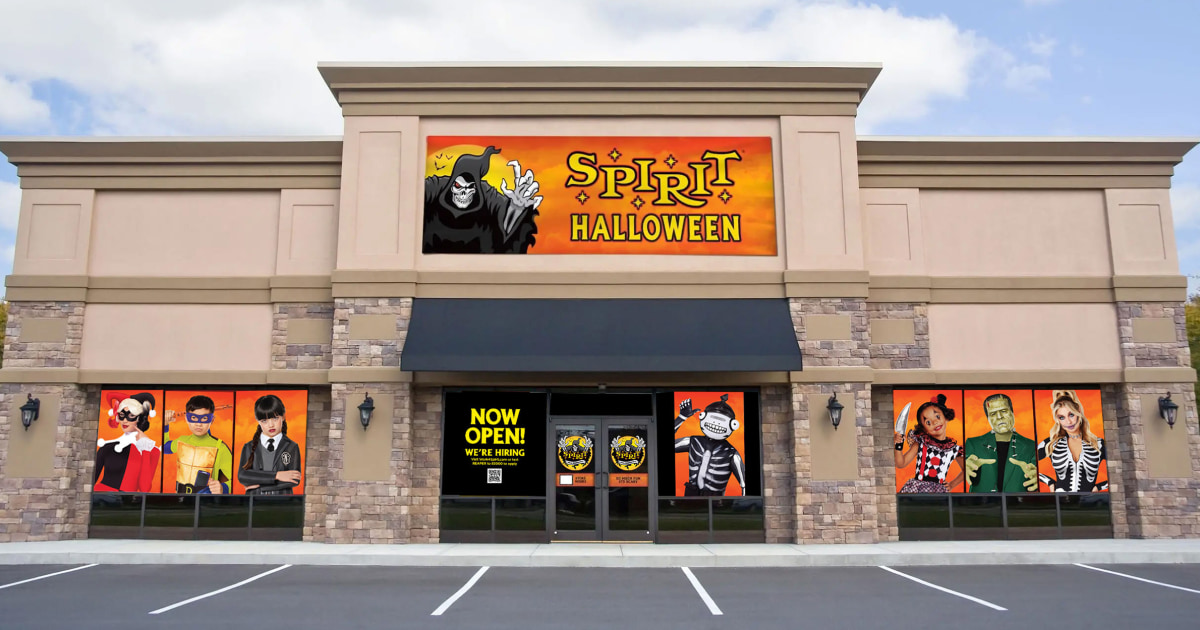
The Strategic Timing of Seasonal Retail: A Brand Imperative
The timing of a Halloween store’s opening is far from arbitrary; it is a critical brand decision driven by a deep understanding of consumer psychology, market trends, and competitive landscapes. For a brand whose entire existence revolves around a single holiday, optimizing this limited window is paramount to defining its success and reinforcing its seasonal identity.
Capturing Peak Consumer Excitement
Halloween stores thrive on anticipation. Opening too early risks diluting the magic, making the brand feel ubiquitous before the season truly ramps up. Opening too late misses the crucial window when enthusiasm peaks. The sweet spot typically falls in late August or early September, aligning with the return to school and the first hints of autumn. This period taps into an intrinsic cultural shift – a turning point where summer memories fade, and the collective imagination begins to drift towards pumpkins, costumes, and spooky décor. For “early bird” planners, who relish meticulous costume crafting or elaborate party themes, an early September opening provides ample time for leisurely browsing and multiple visits, fostering a sense of brand loyalty. Simultaneously, it allows the brand to capture the broader consumer base as the holiday approaches, building on a growing undercurrent of excitement that resonates across various demographics, from families with young children to adults planning elaborate themed parties. The strategic launch is designed to be the physical manifestation of this burgeoning excitement, a signal that the season has officially begun.
Optimizing the Retail Window
The operational lifespan of a Halloween pop-up store is inherently compressed, often lasting only 60 to 90 days. This brevity necessitates an aggressive yet precise brand strategy to maximize sales within this narrow window. An early opening helps to distribute demand, preventing last-minute rushes and allowing for more efficient inventory management. It also provides the brand with opportunities for multiple promotional cycles, from early bird discounts to mid-season sales, and finally, last-minute deals. The brand leverages this extended period to experiment with product placement, gather customer feedback, and fine-tune its marketing messages in real-time. Crucially, the extended window allows the brand to establish its presence and become the default destination for Halloween needs, rather than a frantic last-minute scramble. The brand’s ability to “own” the entire run-up to Halloween is a testament to its strategic timing, ensuring maximum mindshare and market penetration. This meticulous optimization of the retail window is fundamental to converting seasonal brand recognition into tangible sales.
Geographic and Demographic Nuances
While a general timeline exists, the precise opening date can be highly localized, reflecting a nuanced understanding of regional brand identity and consumer behavior. Markets in warmer climates, for instance, might delay openings slightly as the concept of “autumn” arrives later, or might emphasize different types of costumes. Regions with strong local traditions or large community events tied to Halloween might see earlier openings to cater to specific planning cycles. School calendars play a significant role; opening just as school starts can capitalize on back-to-school shopping trips and early discussions among children about their costume plans. Furthermore, demographics influence not just when a store opens, but how it positions its brand messaging. A store in a family-dense suburban area might open earlier with a focus on child-friendly costumes and décor, while an urban location might cater to young adults planning themed parties, adjusting its marketing to reflect these distinct brand appeals. This localized adaptability showcases a brand’s responsiveness and its commitment to serving diverse customer segments effectively.
Building Anticipation: The Art of the Brand Reveal
The opening of a Halloween store is not just a transaction; it’s an event. For a seasonal brand, mastering the art of the brand reveal is essential for generating excitement, driving foot traffic, and imprinting itself on the collective consciousness as the destination for all things spooky. This involves a multi-faceted approach, from digital teasers to transforming the physical space itself.
Pre-Opening Buzz: Teasers and Digital Engagement
In today’s interconnected world, the brand reveal begins long before the physical doors open. Social media platforms become the primary stage for building pre-opening buzz. Teaser campaigns featuring cryptic messages, glimpses of new merchandise, or countdown timers create a sense of mystery and urgency. Hashtags like #HalloweenIsComing or #SpookySeason engage audiences, encouraging user-generated content and discussions about costume ideas. Email marketing campaigns, often targeting previous year’s customers, offer exclusive “first look” invitations or early access deals, fostering a sense of belonging and loyalty. “Coming soon” signage strategically placed at the soon-to-be-opened location serves as a physical reminder, sparking local curiosity and encouraging word-of-mouth. These digital and physical breadcrumbs collectively build a narrative, transforming the impending opening from a mere date into a much-anticipated cultural moment. The brand isn’t just announcing its return; it’s orchestrating a crescendo of excitement.
Location Scouting as Brand Storytelling
The physical location of a Halloween pop-up often becomes an integral part of its brand identity. Frequently occupying vacant retail spaces – old department stores, abandoned big-box outlets, or temporary mall kiosks – these locations inherently contribute to the brand’s transient, almost spectral allure. The transformation of a formerly derelict or dormant space into a vibrant, albeit temporary, Halloween wonderland is a powerful act of brand storytelling. It signifies rebirth and reinvention, mirroring the holiday’s themes of transformation and masquerade. The sheer scale and temporary nature of these spaces add to the theatricality; customers know this spectacle won’t last. This impermanence creates a sense of urgency and uniqueness. The brand leverages the existing architecture and history of these temporary homes, sometimes incorporating them into the store’s spooky ambiance, making each year’s location a unique chapter in the brand’s ongoing narrative. This strategic use of temporary real estate enhances the brand’s mystique and memorable qualities.
The Grand Opening as a Brand Event
When the doors finally swing open, it’s more than just a retail transaction; it’s a grand opening. For a seasonal brand, this inaugural moment is an opportunity to solidify its presence and create a memorable experience. Often, grand openings feature special promotions, limited-edition merchandise, or even themed activities like costume contests, face painting, or character appearances. These events not only drive immediate foot traffic but also generate media buzz and social media sharing, extending the brand’s reach. The visual spectacle of a freshly stocked store, overflowing with vibrant costumes and props, is a powerful brand statement in itself. Employees, often dressed in costume, embody the brand’s playful and spooky spirit, enhancing the immersive experience. By transforming the opening day into a celebrated occasion, the brand cultivates a festive atmosphere that encourages multiple visits and establishes a strong emotional connection with its target audience from the very first interaction.

Navigating the Pop-Up Brand Identity: Challenges and Opportunities
Operating as a pop-up presents unique brand challenges and opportunities. The transient nature of a Halloween store demands exceptional brand agility, robust recognition strategies, and a keen focus on maintaining relevance both during and after its brief operational window.
Brand Recognition in a Fleeting Format
One of the primary challenges for a seasonal pop-up is establishing and maintaining strong brand recognition year after year, despite its temporary physical presence. This is where consistent visual identity becomes paramount. The iconic orange and black color scheme, distinctive typography, and recognizable logos are critical in instantly signaling the brand’s return. Marketing efforts often lean heavily on nostalgia, reminding customers of past successful seasons and the quality products they’ve come to expect. Social media plays a crucial role in maintaining year-round brand awareness, even when physical stores are closed. By consistently delivering on product quality, variety, and the overall shopping experience, these brands cultivate a loyal customer base that actively anticipates their return, transforming fleeting transactions into enduring brand affinity. The key is to create such a strong, consistent brand impression during its active phase that its memory persists throughout the off-season.
Agile Marketing and Rapid Response
The compressed sales cycle of a Halloween store demands highly agile marketing and branding strategies. There is little room for error or slow adaptation. Brands must be quick to identify and capitalize on emerging trends – whether it’s a popular new movie character, a viral internet meme, or a socio-cultural phenomenon that influences costume choices. Marketing campaigns must be flexible, capable of being tweaked or completely re-hauled based on real-time sales data, customer feedback, and competitive actions. This requires close collaboration between marketing, merchandising, and operations teams to ensure brand messaging is consistent, timely, and impactful. From adjusting product displays to launching flash sales or pivoting social media content, the brand’s ability to respond rapidly to market shifts is a direct determinant of its success within its limited operational window. This rapid response capability is a hallmark of strong pop-up branding.
Post-Season Brand Management
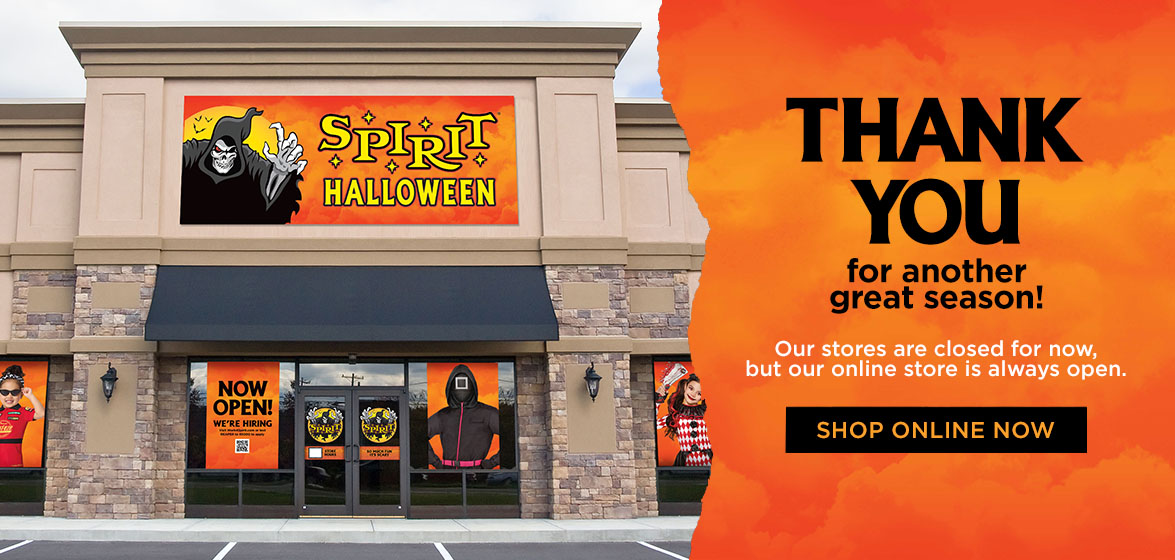
What happens to a Halloween store’s brand when the doors close on November 1st? Far from disappearing, successful seasonal brands engage in subtle but effective post-season brand management. This can include maintaining an active (though less frequent) social media presence, perhaps sharing nostalgic content, behind-the-scenes glimpses, or teasing next year’s potential themes. Email lists, built during the active season, are invaluable for sending holiday greetings, off-season promotions for year-round items (if applicable), or early announcements for the following year’s opening. Loyalty programs, even simple ones, encourage customers to return. The goal is to keep the brand alive in the customer’s mind, albeit gently, preventing complete dormancy. This continuous, low-level engagement ensures that when the “coming soon” signs appear again the following August, the brand isn’t starting from scratch but is instead rekindling a familiar and welcomed presence.
The Digital Dimension: Enhancing the Seasonal Brand Experience
In an increasingly digital world, the “when” of a Halloween store opening extends beyond physical dates. Digital channels play a pivotal role in extending the brand’s reach, informing strategic decisions, and creating a truly omnichannel experience that transcends the limitations of a seasonal pop-up.
E-commerce Integration and Omnichannel Strategy
While the physical pop-up is central to the Halloween brand experience, a robust e-commerce presence has become non-negotiable. An online store allows the brand to begin sales even before physical locations open, capturing early planners and those in areas without a local store. It extends the brand’s reach globally and offers a significantly wider product assortment than any single brick-and-mortar location. An effective omnichannel strategy ensures a seamless brand experience between online and offline channels. Customers might browse online, then visit a store for fit or feel, or vice versa. In-store kiosks can provide access to online inventory, while click-and-collect options bridge the gap. This integration ensures that the brand is always accessible, enhancing customer convenience and loyalty. The digital platform effectively extends the “open” period of the Halloween store brand, providing year-round visibility and transactional capability, thereby mitigating some of the challenges of its temporary physical nature.
Data-Driven Opening Decisions
The digital age provides seasonal brands with invaluable tools for data analysis, transforming the decision of “when to open” from an educated guess into a data-driven strategy. Past sales data, both online and in-store, can pinpoint optimal opening weeks and even specific days of the week. Analyzing website traffic, search query trends (e.g., “Halloween costumes near me,” “when do Halloween stores open”), and social media engagement provides insights into consumer interest peaks. Demographic data, combined with geo-targeting capabilities, can refine regional opening strategies. A/B testing on early marketing campaigns can inform adjustments to messaging and timing. This granular data allows brands to predict with greater accuracy when consumer demand will be highest, optimizing inventory distribution, staffing levels, and marketing spend for maximum impact. The decision of “when” is no longer just about feeling the festive spirit; it’s about interpreting the digital pulse of the market.
Social Listening and Trend Spotting
Halloween is a holiday profoundly influenced by popular culture. What’s trending in movies, television, and social media directly impacts costume choices and party themes. Digital tools for social listening allow Halloween brands to monitor online conversations, identify emerging trends in real-time, and quickly adapt their product offerings and marketing messages. If a particular character or aesthetic is gaining traction, the brand can strategically adjust inventory, create targeted social media campaigns, and even influence the timing of new product releases to coincide with peak interest. This proactive approach ensures the brand remains relevant and exciting, positioning itself as a trendsetter rather than a follower. By being attuned to the digital zeitgeist, Halloween brands can ensure their opening is not just about bringing back familiar favorites, but also about introducing the freshest, most sought-after items, reinforcing their image as the ultimate authority on all things Halloween.
Conclusion
The seemingly straightforward question, “When does the Halloween store open?” unravels into a rich tapestry of brand strategy, consumer psychology, and market dynamics. It’s a testament to the power of seasonal branding, where a temporary physical presence is transformed into a highly anticipated annual event. From the meticulous timing designed to capture peak excitement, to the artful creation of pre-opening buzz and memorable grand openings, every aspect is carefully orchestrated to reinforce the brand’s identity. Navigating the unique challenges of a pop-up format demands agile marketing and consistent recognition efforts, while the integration of digital channels ensures year-round presence and data-driven decision-making. Ultimately, the “when” of a Halloween store opening is a strategic brand decision, a finely tuned instrument that plays the overture to a season of frights and festivities, ensuring that when the doors finally do swing open, the brand is not just present, but utterly unforgettable.
aViewFromTheCave is a participant in the Amazon Services LLC Associates Program, an affiliate advertising program designed to provide a means for sites to earn advertising fees by advertising and linking to Amazon.com. Amazon, the Amazon logo, AmazonSupply, and the AmazonSupply logo are trademarks of Amazon.com, Inc. or its affiliates. As an Amazon Associate we earn affiliate commissions from qualifying purchases.