
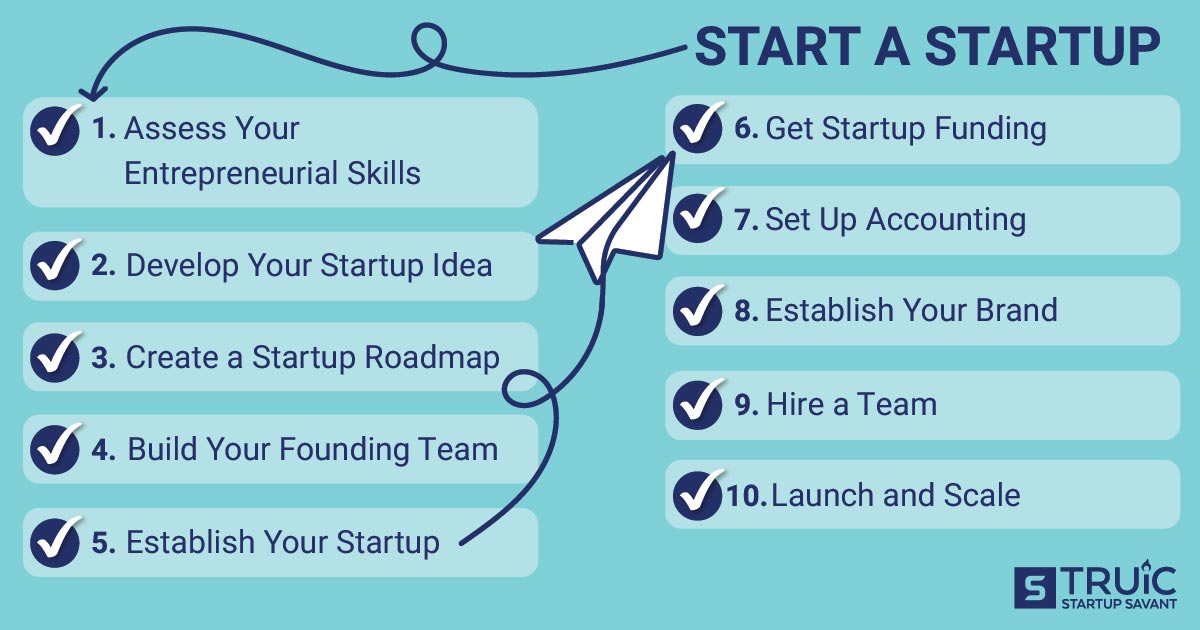
The dream of launching a startup is a powerful one, often fueled by innovation, a desire for autonomy, and the pursuit of a market-disrupting idea. Yet, beneath the veneer of groundbreaking technology or compelling branding lies a fundamental truth: a startup, at its core, is a financial undertaking. “How to get startup” isn’t merely about ideation or product development; it’s overwhelmingly about understanding, acquiring, and meticulously managing capital. This guide delves exclusively into the financial pathways and considerations crucial for transforming a nascent idea into a thriving, economically viable business. From initial bootstrapping to securing venture capital and ensuring long-term financial health, mastering the monetary aspects is non-negotiable for any aspiring founder.

Laying the Financial Foundation: From Idea to Investable Plan
Every successful startup begins with a solid financial blueprint. Before seeking external capital, founders must rigorously assess their financial needs and articulate a clear path to profitability. This initial phase is about transforming a brilliant concept into a financially sound proposition that can attract investment and sustain operations.
Validating Your Idea with Financial Projections
Before a single line of code is written or a product designed, an idea must pass a critical financial validation test. This involves more than just market research; it requires a deep dive into the financial viability of your proposed solution. Founders need to estimate the Total Addressable Market (TAM), Serviceable Available Market (SAM), and Serviceable Obtainable Market (SOM) not just in terms of potential customers, but in terms of revenue potential. What are customers willing to pay? What are the pricing models? What are the anticipated costs associated with developing a Minimum Viable Product (MVP)? Understanding the cost of customer acquisition (CAC) and the potential lifetime value (LTV) of a customer, even at this early stage, provides crucial insights into a startup’s financial feasibility. These early financial models, even if rough, serve as a critical reality check and an indispensable tool for future fundraising.
Crafting a Robust Business Plan with a Financial Focus
The business plan is the startup’s financial bible. While it covers aspects like market analysis and operational strategies, its true power, especially for attracting investors, lies in its detailed financial section. This segment must meticulously outline startup costs (e.g., legal fees, initial equipment, software licenses), projected operating expenses (salaries, rent, marketing), and a clear breakdown of the funding required. Crucially, it must include comprehensive 3-5 year financial projections: income statements, balance sheets, and cash flow statements. A realistic break-even analysis—when cumulative revenues equal cumulative costs—is paramount, demonstrating to potential funders that the founders have a clear understanding of profitability timelines. This document isn’t just for investors; it’s a living financial roadmap that guides every strategic and operational decision.
Understanding Initial Capital Requirements
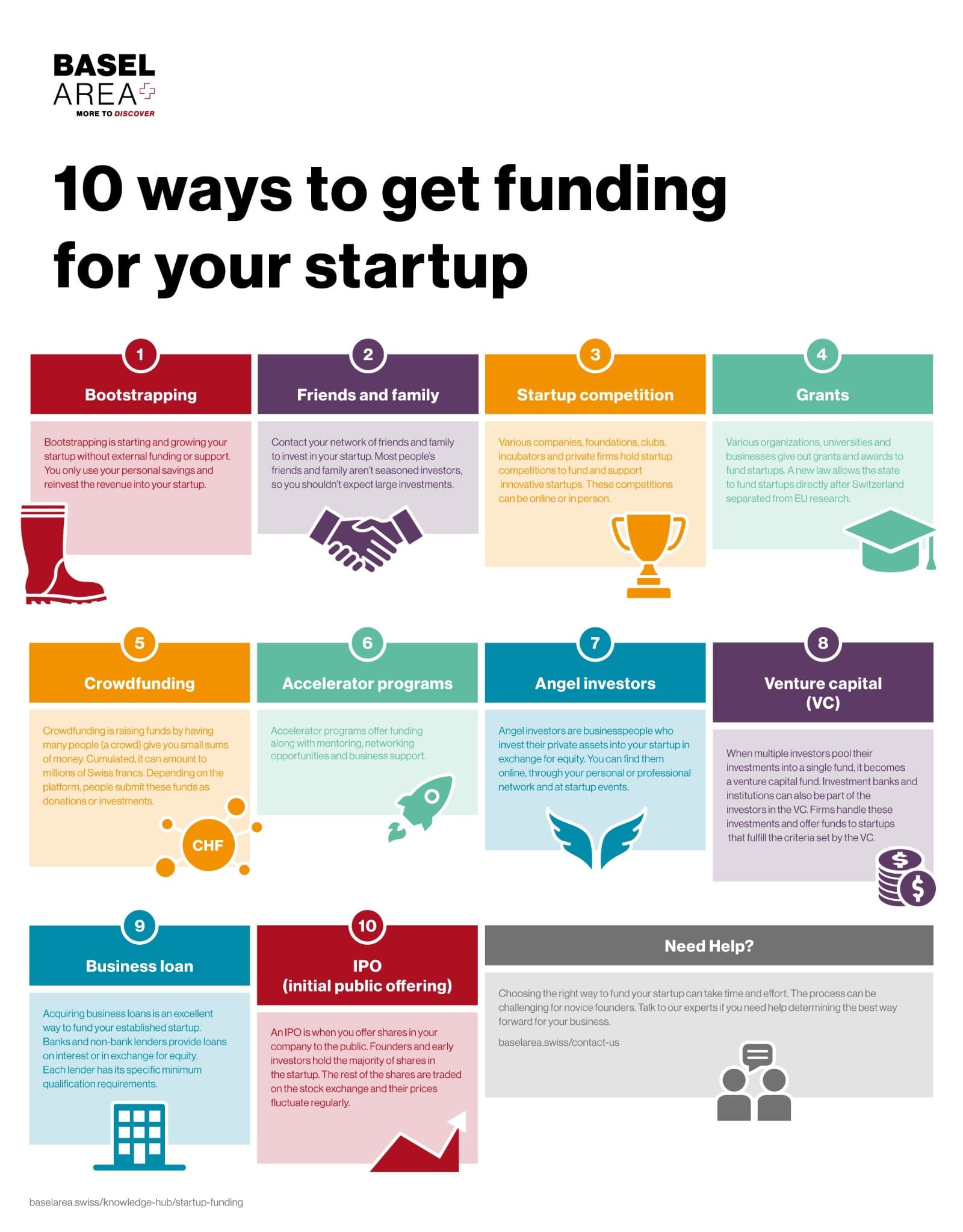
The very first “get startup” step often involves self-financing or “bootstrapping.” This means using personal savings, credit cards, or loans from friends and family. While these sources might seem modest, they are often the least dilutive forms of capital, allowing founders to maintain maximum equity in the early stages. Bootstrapping forces financial discipline, encouraging lean operations and a sharp focus on revenue generation from day one. Understanding precisely how much personal capital you can commit, and for how long, directly influences the runway available before external funding becomes absolutely necessary. This initial capital isn’t just about covering costs; it’s about proving conviction and minimizing dependence on outside investors until the startup has demonstrable traction.
Funding Your Vision: Strategies for Capital Acquisition
Once the financial groundwork is laid, the next major hurdle is securing the capital required to scale. This phase is dynamic and often iterative, requiring founders to skillfully navigate various funding mechanisms, each with its own financial implications.
Navigating Early-Stage Funding Rounds
The journey from bootstrapping often leads to more structured funding rounds, primarily categorized by the startup’s stage of development and capital needs.
Seed Funding: The First External Infusion
Seed funding is typically the first formal money a startup raises after initial bootstrapping. This capital, often from angel investors, pre-seed venture capitalists (VCs), or through incubators and accelerators, is used to develop the MVP, conduct initial market testing, and build out the core team. Financially, founders must understand valuation, which dictates how much equity they give up for a given investment. Negotiating favorable terms, including preferred stock rights, liquidation preferences, and board seats, becomes critical. Dilution—the reduction in ownership percentage as more investors come in—is an inevitable but manageable aspect of this stage, requiring careful consideration of each funding round’s impact on founder equity.
Venture Capital: Fueling Hyper-Growth
As a startup demonstrates traction and a scalable business model, it may attract venture capital. VCs typically invest larger sums in exchange for significant equity, aiming for substantial returns. The financial due diligence conducted by VCs is exhaustive, scrutinizing every aspect of the startup’s financial health, projections, and market opportunity. Founders must be prepared to articulate detailed financial models, key performance indicators (KPIs) like customer acquisition cost (CAC), customer lifetime value (LTV), monthly recurring revenue (MRR), burn rate, and runway. Understanding complex term sheets, including anti-dilution provisions, vesting schedules, and protective provisions, is crucial, as these clauses profoundly impact the financial future and control of the company.
Exploring Alternative Funding Mechanisms
Beyond traditional equity investment, several alternative funding sources can provide valuable capital, often with different financial structures and implications.
Grants and Competitions: Non-Dilutive Capital
Government grants (e.g., SBIR/STTR in the US), university programs, and corporate startup competitions offer non-dilutive capital—money that doesn’t require giving up equity. While often competitive and requiring extensive application processes, these funds can be a game-changer for early-stage companies, especially those in research-heavy or impact-driven sectors. Understanding the specific financial reporting requirements and milestones associated with grants is essential to ensure compliance and continued funding.
Crowdfunding: Community-Driven Investment
Platforms like Kickstarter (rewards-based) or SeedInvest (equity-based) allow startups to raise capital directly from a large number of individuals. Rewards-based crowdfunding pre-sells products, generating revenue and validating demand without sacrificing equity. Equity crowdfunding allows individuals to invest in exchange for shares, often at smaller individual sums than traditional VC rounds. Both require a strong marketing strategy and a compelling narrative to attract financial backing from the crowd, making it important to budget for campaign promotion.
Debt Financing: Loans with Repayment Obligations
While equity is common for high-growth startups, debt financing can also be an option. This includes small business loans (e.g., SBA loans), lines of credit, or even venture debt, which is often provided alongside equity rounds to extend runway without further diluting founders. The financial decision to take on debt involves careful analysis of interest rates, repayment schedules, and the impact on cash flow. Debt is less dilutive but adds fixed financial obligations, which can be risky for companies with volatile revenue streams.
The Art of the Pitch: Communicating Financial Viability
Regardless of the funding source, a compelling pitch is crucial, and at its heart must be a clear articulation of financial viability and potential return on investment. The financial deck, or a dedicated financial section within the main pitch, should concisely present key metrics: market size, revenue projections, unit economics, burn rate, and runway. Founders must confidently answer questions about their capital utilization plan (“use of funds”), demonstrating how every dollar will contribute to growth and profitability. The goal is to paint a credible financial picture that instills confidence and persuades investors that their capital will generate significant returns.
Prudent Financial Management for Sustainable Growth
Securing capital is only half the battle; the true test of a founder’s financial acumen lies in managing those funds effectively. Sustainable growth isn’t about endless fundraising; it’s about disciplined financial stewardship.
Budgeting and Expense Control
A meticulously crafted budget is the bedrock of financial stability. Founders must create a lean budget, allocating capital judiciously across development, marketing, operations, and personnel. Regularly tracking expenses against the budget is critical for identifying overspending and opportunities for cost optimization. Managing the “burn rate”—the speed at which a startup consumes cash—is paramount. A high burn rate shortens the “runway,” the time a company has before it runs out of cash, potentially forcing a premature fundraising round or even closure. Controlling operational costs, from SaaS subscriptions to office rent, directly impacts the startup’s financial longevity.
Revenue Generation and Monetization Strategies
Ultimately, a startup must generate revenue to achieve self-sufficiency. This requires a clear understanding of monetization strategies: subscription models, transaction fees, advertising, direct sales, or freemium models. Founders must continuously test and refine their pricing strategies to maximize revenue while remaining competitive. Accurate revenue forecasting is essential for financial planning, allowing the company to anticipate future cash inflows and make informed decisions about hiring, product development, and expansion. Early and diverse revenue streams not only improve financial stability but also signal market validation to future investors.
Cash Flow Management and Forecasting
Cash flow is the lifeblood of any business, and for a startup, it’s often the most challenging financial metric to manage. Positive cash flow ensures the company can meet its short-term obligations without resorting to debt or immediate fundraising. This involves diligent management of accounts receivable (ensuring customers pay on time) and accounts payable (optimizing vendor payment terms). Regular, detailed cash flow forecasts are indispensable, projecting inflows and outflows over future periods (e.g., 3, 6, 12 months). This foresight allows founders to proactively address potential cash shortages, negotiate better terms, or plan for future funding rounds well in advance.
Financial Metrics for Monitoring Performance
Successful founders are obsessed with financial KPIs. Beyond revenue and expenses, metrics like Customer Acquisition Cost (CAC), Customer Lifetime Value (LTV), Gross Margin, Monthly Recurring Revenue (MRR), Churn Rate, and EBITDA (Earnings Before Interest, Taxes, Depreciation, and Amortization) provide a holistic view of the company’s financial health and operational efficiency. Regularly tracking and analyzing these metrics not only informs strategic decisions but also serves as a critical reporting tool for existing and potential investors, demonstrating progress and highlighting areas for improvement.
Exiting with Financial Success: A Long-Term Perspective
While the immediate focus is on growth, any founder aiming to “get startup” should eventually consider the financial implications of an exit strategy. Planning for the long term, even years in advance, ensures that all financial decisions align with maximizing stakeholder value.
Understanding Valuation and Equity
Throughout the startup journey, the company’s valuation changes with each funding round, market conditions, and demonstrable traction. Founders must continually understand how valuation is determined (e.g., pre-money vs. post-money valuation, discounted cash flow, comparable analysis). Managing the equity structure—the distribution of ownership among founders, employees (via stock options), and investors—is a continuous financial balancing act. Dilution is inevitable, but strategic equity management ensures founders retain meaningful ownership and control while incentivizing employees and attracting capital.
Preparing for Future Investment Rounds or Acquisition
Building a strong financial track record from day one simplifies future fundraising or an eventual acquisition. Clean, audited books, transparent financial reporting, and consistent growth metrics are critical. During due diligence for an acquisition or later-stage investment, every financial detail will be scrutinized. Having robust financial controls, clear revenue recognition policies, and well-documented expenses not only streamlines the process but also enhances the perceived value and trustworthiness of the startup, leading to potentially better financial outcomes.
Financial Implications of Exit Strategies
The ultimate financial goal for most venture-backed startups is an exit, typically through an Initial Public Offering (IPO) or an acquisition. Each path has distinct financial implications for founders and investors. An IPO allows a company to raise significant capital from the public market and provides liquidity for early investors and employees. An acquisition, while often simpler, involves negotiating a sale price and terms that maximize shareholder value. Founders must understand the financial distribution waterfall in an acquisition scenario, especially considering liquidation preferences held by investors, which dictate payout order and amounts. Personal financial planning for founders post-exit, including tax implications and wealth management, is also a critical consideration that should be anticipated.
Navigating Financial Compliance and Legalities
The financial landscape for startups is also shaped by a complex web of compliance and legal obligations. Overlooking these can lead to significant financial penalties and operational disruptions.
Tax Implications for Startups
Understanding the various tax obligations from the outset is crucial. This includes corporate income tax, sales tax (if applicable to products/services), and payroll taxes. Startups may also be eligible for certain tax credits, such as Research and Development (R&D) tax credits, which can provide significant financial relief. Structuring the company’s finances to optimize tax strategy, within legal boundaries, is a continuous process that can free up capital for growth.
Legal Structures and Their Financial Impact
The choice of legal entity—LLC, C-Corp, or S-Corp—has profound financial and operational implications. A C-Corp is typically preferred for venture-backed startups due to its flexibility in issuing stock and attracting institutional investors, though it is subject to double taxation. An LLC offers pass-through taxation and less administrative burden but can be less attractive to VCs. An S-Corp also offers pass-through taxation but has limitations on the number and type of shareholders. Founders must consult with legal and financial professionals to choose a structure that aligns with their fundraising goals, liability concerns, and long-term financial strategy.
Financial Reporting and Auditing
Accurate and consistent financial reporting is non-negotiable. This means maintaining clear ledgers, preparing regular financial statements (income statements, balance sheets, cash flow statements), and reconciling accounts. As a startup grows and attracts institutional investors, external audits may become a requirement. Audited financial statements provide an independent verification of a company’s financial health, building trust with investors, lenders, and potential acquirers. Establishing robust internal financial controls and systems from the beginning makes this process smoother and less costly in the long run.
In conclusion, the journey to “get startup” is an intricate dance of vision, execution, and, most importantly, financial mastery. From validating an idea with realistic projections and crafting a compelling financial narrative to strategically acquiring capital and diligently managing every dollar, the founder’s financial acumen is often the most critical determinant of success. By prioritizing financial planning, disciplined management, and an eye towards long-term fiscal health, entrepreneurs can transform their innovative concepts into enduring, valuable enterprises.
aViewFromTheCave is a participant in the Amazon Services LLC Associates Program, an affiliate advertising program designed to provide a means for sites to earn advertising fees by advertising and linking to Amazon.com. Amazon, the Amazon logo, AmazonSupply, and the AmazonSupply logo are trademarks of Amazon.com, Inc. or its affiliates. As an Amazon Associate we earn affiliate commissions from qualifying purchases.