
Understanding the monthly cost of health insurance is a crucial aspect of personal financial planning. For many, it represents one of the largest recurring expenses after housing and transportation. However, arriving at a definitive figure for “how much health insurance costs per month” is complex, as premiums are influenced by a multitude of factors unique to individuals, families, and geographic locations. This guide will demystify the intricacies of health insurance pricing, helping you navigate the various options and make informed decisions about your healthcare coverage.
Health insurance isn’t just a safety net for medical emergencies; it’s an essential tool for managing routine medical care, preventative services, and chronic conditions. Without it, even minor health issues can lead to overwhelming financial burdens, potentially derailing years of careful financial planning. Therefore, investing time to understand its costs and benefits is not merely prudent, but essential for financial well-being.

Understanding the Core Factors Influencing Health Insurance Premiums
Several key variables coalesce to determine your monthly health insurance premium. These factors are not static and can vary significantly based on the type of plan, where you live, and your personal circumstances. Grasping these foundational elements is the first step toward understanding your potential costs.
Age and Location
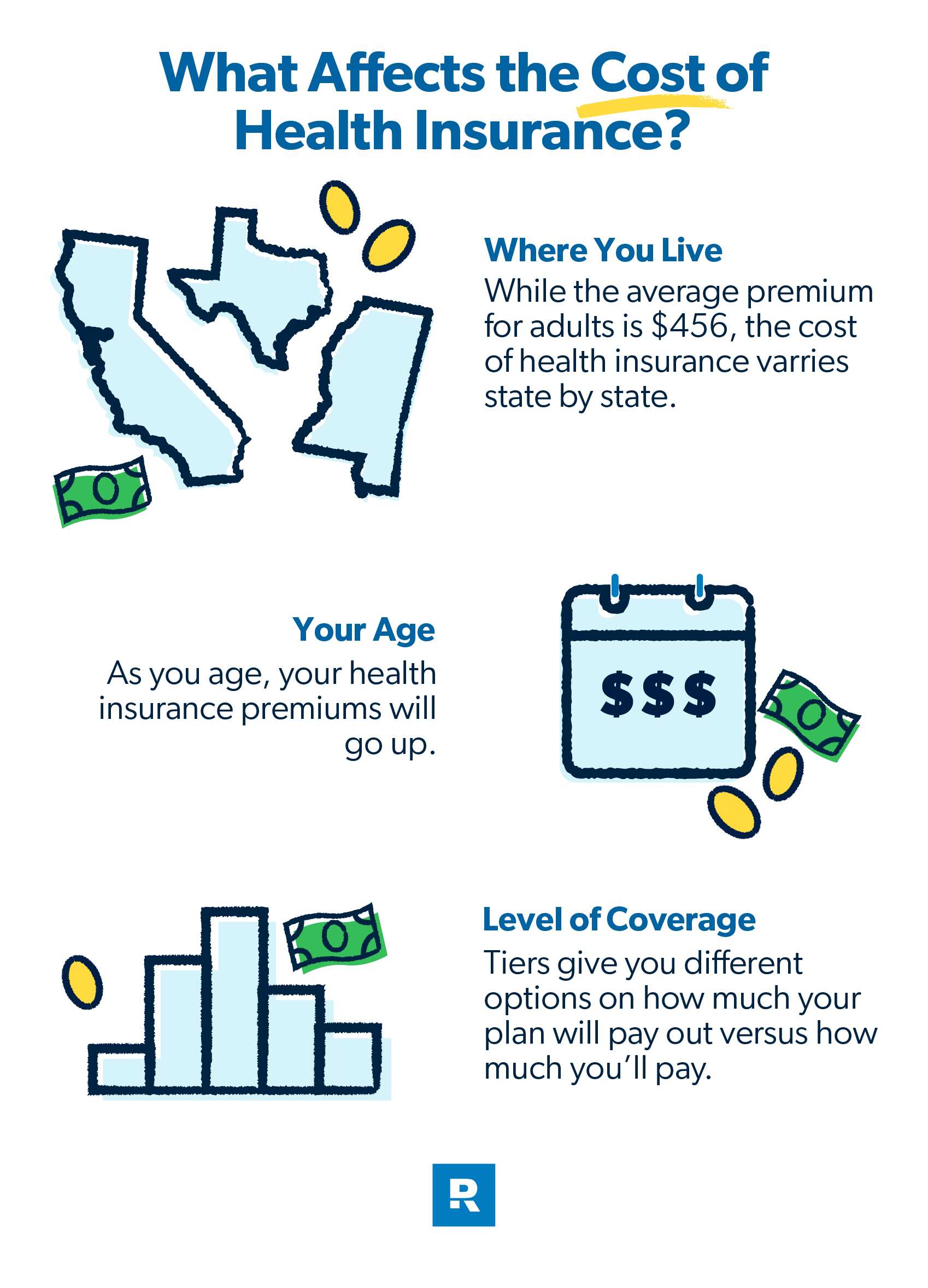
These two demographic factors are among the most significant determinants of health insurance premiums. Generally, age plays a direct role: younger individuals typically pay less for health insurance than older adults, as they are statistically less likely to require extensive medical care. Premiums tend to increase incrementally with age, rising more steeply as individuals approach their senior years. The Affordable Care Act (ACA) limits how much insurers can charge older adults compared to younger ones (a 3:1 ratio), but the difference remains substantial.
Location also profoundly impacts costs. Health insurance premiums can vary significantly even within the same state, let alone across different states. This is due to several regional factors, including the cost of healthcare services in a particular area (e.g., hospital fees, doctor’s salaries), the level of competition among insurance providers, state-specific regulations, and the overall health and utilization rates of the local population. A dense urban area with high healthcare costs will likely see higher premiums than a rural area with fewer medical facilities and lower operating expenses.
Plan Type and Coverage Level
The type of health insurance plan you choose and the breadth of its coverage directly correlate with your monthly premium. Different plan structures offer varying degrees of flexibility and cost-sharing, leading to diverse price points:
-
HMO (Health Maintenance Organization): Generally has lower premiums but requires you to choose a primary care provider (PCP) within its network who then refers you to specialists. Out-of-network care is typically not covered, except in emergencies.
-
PPO (Preferred Provider Organization): Offers more flexibility, allowing you to see any doctor or specialist without a referral, both in-network and out-of-network (though out-of-network care costs more). Premiums are usually higher than HMOs.
-
EPO (Exclusive Provider Organization): Similar to an HMO in that it doesn’t cover out-of-network care (except emergencies) but generally doesn’t require a PCP referral for specialists within its network. Premiums are often between HMOs and PPOs.
-
POS (Point of Service): A hybrid plan combining features of HMOs and PPOs. You typically need a PCP referral for in-network care, but you can opt for out-of-network care at a higher cost.
Beyond the structure, the coverage level is crucial. Plans are often categorized by “metal tiers” under the ACA Marketplace:
-
Bronze: Lowest monthly premiums, highest deductibles and out-of-pocket costs. Covers about 60% of healthcare costs. Best for those who rarely visit the doctor.
-
Silver: Moderate premiums, moderate deductibles. Covers about 70% of healthcare costs. Crucially, it’s the only tier eligible for cost-sharing reductions (CSRs) for eligible individuals.
-
Gold: High monthly premiums, lower deductibles and out-of-pocket costs. Covers about 80% of healthcare costs. Good for those who expect to use medical services frequently.
-
Platinum: Highest monthly premiums, very low deductibles and out-of-pocket costs. Covers about 90% of healthcare costs. Suited for those with significant ongoing medical needs.
The higher the “metal” (e.g., Gold or Platinum), the more the plan covers, and consequently, the higher the monthly premium.
Tobacco Use and Health Status
Prior to the ACA, health status was a primary determinant, allowing insurers to deny coverage or charge significantly higher premiums based on pre-existing conditions. The ACA largely eliminated this, ensuring that everyone can get coverage regardless of their health history. However, one health-related factor that can still influence premiums is tobacco use. Insurers are permitted to charge tobacco users up to 50% more than non-users, a surcharge designed to account for the higher healthcare costs often associated with smoking.
While health status itself generally cannot be used to increase premiums post-ACA (outside of specific grandfathered or grandmothered plans), the overall health of an insurance pool can indirectly affect premiums for everyone in a given market, as insurers price based on the anticipated claims of their entire member base.
Number of Dependents
Adding family members to your health insurance plan will naturally increase your monthly premium. While adding a spouse typically doubles the cost (or nearly so), adding children might not increase it linearly per child. Often, there’s a specific pricing structure where premiums increase for the first few children added, then cap out, meaning additional children beyond a certain number (e.g., three) might not incur further premium increases. Understanding your insurer’s specific family pricing model is key to estimating total costs.
Navigating the Health Insurance Marketplace and Other Options
Beyond understanding cost factors, knowing where to obtain health insurance is equally important. Different avenues offer distinct advantages and eligibility requirements, each impacting your monthly outlays.
The Affordable Care Act (ACA) Marketplace
For individuals and families who don’t have access to employer-sponsored insurance, the ACA Marketplace (HealthCare.gov or state-run exchanges) is a primary source for coverage. A critical feature of the Marketplace is the availability of financial assistance in the form of premium tax credits (subsidies) and cost-sharing reductions (CSRs).
-
Premium Tax Credits: These credits reduce your monthly premium, making coverage more affordable. Eligibility is based on your household income relative to the federal poverty level (FPL). The American Rescue Plan Act of 2021 and Inflation Reduction Act of 2022 enhanced these subsidies, making more people eligible and increasing the amount of financial help, capping premium contributions at 8.5% of household income for most.
-
Cost-Sharing Reductions (CSRs): Available only with Silver-tier plans, CSRs reduce the amount you have to pay out-of-pocket for deductibles, copayments, and coinsurance. They are also income-based.
These subsidies can dramatically lower your effective monthly cost. Without them, the sticker price for Marketplace plans can be quite high, especially for higher metal tiers.
Employer-Sponsored Plans
The most common way Americans receive health insurance is through their employer. Employer-sponsored plans typically offer significant advantages:
-
Employer Contribution: Employers often pay a substantial portion of the monthly premium (e.g., 70-80% for employees, and a smaller percentage for dependents), significantly reducing the employee’s out-of-pocket cost.
-
Group Rates: Because employers are purchasing insurance for a large group, they often secure better rates than individuals could on their own.
-
Tax Benefits: Employee contributions to premiums are usually deducted pre-tax, further lowering the net cost.
However, the cost to the employee still varies widely based on the specific plan offered by the employer, whether you’re covering just yourself or your family, and the employer’s contribution strategy.
Medicare and Medicaid
These are government-funded programs designed for specific demographics:
-
Medicare: Primarily for individuals aged 65 or older, and younger people with certain disabilities. Medicare Part A (hospital insurance) is often premium-free if you or your spouse paid Medicare taxes through work for a certain period. Part B (medical insurance) has a standard monthly premium, which can be higher for high-income earners. Part D (prescription drug coverage) and Medicare Advantage (Part C) plans have separate premiums that vary by plan.
-
Medicaid: Provides health coverage to low-income adults, children, pregnant women, elderly adults, and people with disabilities. Eligibility and scope of coverage vary by state, as some states have expanded Medicaid under the ACA while others have not. For those who qualify, Medicaid typically has very low or no monthly premiums and minimal out-of-pocket costs.
Short-Term Health Insurance and Other Alternatives

For individuals in transitional periods (e.g., between jobs, waiting for open enrollment), short-term health insurance can seem like an attractive, low-cost option. However, it’s crucial to understand their limitations:
-
Limited Coverage: They do not have to comply with ACA rules, meaning they often don’t cover essential health benefits (like maternity care, mental health, or prescription drugs).
-
Pre-existing Conditions: They can deny coverage or refuse to pay for pre-existing conditions.
-
No Subsidies: They are not eligible for premium tax credits.
Other alternatives include health care sharing ministries, which are not insurance and come with their own set of risks and limitations. These options often present lower monthly costs but carry significant risks regarding the scope and reliability of coverage, making them generally unsuitable as long-term solutions.
Decoding Your Monthly Premium: Beyond the Sticker Price
While the monthly premium is the most visible cost, it’s only one piece of the puzzle. A truly comprehensive understanding of health insurance costs requires evaluating potential out-of-pocket expenses that arise when you actually use your insurance.
Deductibles, Copayments, and Coinsurance
These are the primary cost-sharing mechanisms that determine how much you pay for healthcare services after your premium:
-
Deductible: This is the amount you must pay out of your own pocket for covered medical services before your insurance company starts to pay. For example, if you have a $5,000 deductible, you’ll pay the first $5,000 in medical costs (e.g., hospital stays, surgeries) yourself each year before your insurer contributes. Some plans cover certain services (like preventative care) before you meet your deductible.
-
Copayment (Copay): A fixed amount you pay for a covered healthcare service at the time you receive it. For example, you might pay a $30 copay for a doctor’s visit or a $15 copay for a generic prescription, even after your deductible has been met (though some plans may require you to meet your deductible first for certain services).
-
Coinsurance: Once you’ve met your deductible, coinsurance is the percentage of the cost of a covered healthcare service you’re responsible for. For instance, if your plan has an 80/20 coinsurance, it means the plan pays 80% and you pay 20% until you reach your out-of-pocket maximum.
Plans with lower monthly premiums typically come with higher deductibles and coinsurance, meaning you pay less upfront but more when you need care. Conversely, higher-premium plans usually have lower deductibles and copays, reducing your out-of-pocket exposure during treatment.
Out-of-Pocket Maximums
An essential safeguard against catastrophic medical bills is the out-of-pocket maximum (or limit). This is the absolute most you will have to pay for covered services in a plan year (excluding your monthly premiums). Once you hit this limit, your insurance plan pays 100% of the cost of covered benefits for the remainder of the year.
The out-of-pocket maximum includes your deductible, copayments, and coinsurance. It’s a critical figure to consider, especially when choosing between plans, as it sets the ceiling for your financial risk in a given year. Plans with lower monthly premiums often have higher out-of-pocket maximums.
The Impact of Prescription Drug Coverage
Prescription medications represent a significant portion of healthcare costs for many individuals. Health insurance plans integrate prescription drug coverage, but the specifics can vary:
-
Formulary: Each plan has a list of covered drugs called a formulary, often organized into tiers (e.g., generic, preferred brand, non-preferred brand, specialty). Drugs in lower tiers (generics) typically have lower copayments or coinsurance.
-
Deductible Integration: Some plans require you to meet your general medical deductible before prescription drugs are covered, while others have a separate drug deductible or cover certain tiers immediately.
-
High-Cost Specialty Drugs: These often fall into higher tiers with significant coinsurance, even after meeting deductibles, potentially leading to substantial out-of-pocket costs until the overall out-of-pocket maximum is reached.
Understanding your plan’s drug formulary and its structure for prescription benefits is crucial, particularly if you take expensive or multiple medications regularly.
Strategies for Reducing Your Monthly Health Insurance Costs
While health insurance is an unavoidable expense for most, there are strategic ways to mitigate its monthly cost and overall financial impact.
Maximizing Subsidies and Tax Credits
If you’re purchasing insurance through the ACA Marketplace, verifying your eligibility for premium tax credits and cost-sharing reductions is paramount. These subsidies can transform an unaffordable premium into a manageable one. Ensure your income and household information are accurately reported to receive the maximum assistance you qualify for. Even if you think your income is too high, it’s worth checking, especially with the enhanced subsidies currently in place.
Choosing the Right Plan for Your Needs
Selecting the appropriate metal tier is a balancing act between monthly premiums and potential out-of-pocket costs.
-
If you are generally healthy and rarely visit the doctor: A Bronze plan with its low premium and high deductible might be cost-effective, but be prepared for significant out-of-pocket costs if an unexpected illness or injury occurs.
-
If you have ongoing health issues or expect to use medical services frequently: A Gold or Platinum plan, despite its higher premium, could save you money in the long run by significantly reducing your deductible, copayments, and coinsurance.
-
Consider a Silver plan: For those eligible for cost-sharing reductions, a Silver plan can offer the best value, providing robust coverage with reduced out-of-pocket expenses at a moderate premium.
Analyze your past healthcare utilization, anticipate future needs, and use the plan’s estimated cost-sharing tools to project total annual expenses for different plans.
Exploring Employer Options
If your employer offers health insurance, it’s almost always your most affordable and comprehensive option due to employer contributions and potential tax advantages. Carefully review all available plans during open enrollment. Understand the employer’s contribution for individual versus family coverage, as well as the differences in deductibles, copays, and networks across their offerings. Sometimes, a slightly higher employee contribution for a more robust plan can lead to greater savings on out-of-pocket costs.
Health Savings Accounts (HSAs) and Flexible Spending Accounts (FSAs)
These tax-advantaged accounts can indirectly reduce your healthcare costs by allowing you to pay for qualified medical expenses with pre-tax dollars.
-
Health Savings Account (HSA): Available only with a high-deductible health plan (HDHP), an HSA is a personal savings account where you can deposit money tax-free, let it grow tax-free, and withdraw it tax-free for qualified medical expenses. It offers a triple tax advantage and is owned by you, rolling over year to year. Contributions can directly offset your taxable income.
-
Flexible Spending Account (FSA): Offered through employers, an FSA allows you to set aside pre-tax money from your paycheck to pay for eligible healthcare expenses. Unlike HSAs, FSAs are generally “use-it-or-lose-it” accounts, though some plans allow a grace period or a small carryover amount.
Utilizing an HSA or FSA can significantly reduce your net cost for healthcare expenses, making your overall health insurance more affordable.
Conclusion
The question “how much health insurance costs per month” doesn’t have a single, simple answer. It’s a dynamic figure shaped by personal demographics, geographic location, plan structure, and the level of coverage desired. Average monthly premiums for individuals can range from a few hundred dollars to over a thousand, before accounting for subsidies or employer contributions. For families, these costs multiply significantly.
Navigating the complexities of deductibles, copayments, coinsurance, and out-of-pocket maximums is as vital as understanding the monthly premium itself. By thoroughly researching your options, leveraging available subsidies, and strategically choosing a plan that aligns with your health needs and financial situation, you can secure adequate coverage without undue financial strain. Health insurance is a critical investment in your well-being; an informed decision ensures it’s a wise one.
aViewFromTheCave is a participant in the Amazon Services LLC Associates Program, an affiliate advertising program designed to provide a means for sites to earn advertising fees by advertising and linking to Amazon.com. Amazon, the Amazon logo, AmazonSupply, and the AmazonSupply logo are trademarks of Amazon.com, Inc. or its affiliates. As an Amazon Associate we earn affiliate commissions from qualifying purchases.