
In the rapidly evolving landscape of digital commerce, the way consumers interact with their capital has undergone a seismic shift. No longer tethered exclusively to traditional credit cards or immediate debit deductions, the modern shopper utilizes “Buy Now, Pay Later” (BNPL) services to bridge the gap between desire and affordability. At the forefront of this revolution is Klarna, a Swedish fintech giant that has redefined the retail experience for millions. Understanding which stores use Klarna is not merely a matter of listing logos; it is an essential component of modern personal finance management and strategic consumerism.

The Klarna ecosystem encompasses over 500,000 retail partners globally, ranging from high-street fashion icons to niche electronics providers. By integrating flexible payment solutions directly into the checkout process, these retailers offer consumers the ability to spread costs over time—often interest-free—thereby altering the traditional velocity of money in the household budget.
The Rise of Buy Now, Pay Later: Understanding the Klarna Ecosystem
To navigate the vast directory of stores that accept Klarna, one must first understand the financial mechanics that make these partnerships attractive to both the merchant and the consumer. Klarna operates primarily on three pillars: “Pay in 4,” “Pay in 30 Days,” and long-term financing.
How Klarna Functions as a Financial Tool
From a personal finance perspective, Klarna serves as a short-term liquidity bridge. When a consumer shops at a partner store, Klarna pays the merchant in full immediately, assuming the credit risk. The consumer then repays Klarna in installments. For the savvy budgeter, this allows for the preservation of cash flow. Instead of a $400 outflow for a necessary appliance, the user can maintain that liquidity in a high-yield savings account, paying out only $100 every two weeks.
The “Pay in 4” Model vs. Financing
Most of the stores listed below utilize the “Pay in 4” model, which is the cornerstone of Klarna’s retail appeal. This model typically involves a soft credit check—which does not impact a credit score—making it an accessible alternative to high-interest credit cards. However, for larger purchases like high-end furniture or premium electronics, many stores offer “Klarna Financing,” which may involve a hard credit inquiry and traditional interest rates, functioning more like a standard personal loan.
Major Retail Categories That Accept Klarna
The diversity of stores using Klarna is vast, covering nearly every sector of the consumer economy. By categorizing these retailers, consumers can better plan their departmental spending and utilize BNPL tools where they offer the most strategic advantage.
High-End Fashion and Apparel
Fashion was the first industry to fully embrace the BNPL model, driven by the high frequency of purchases and the “try before you buy” culture.
-
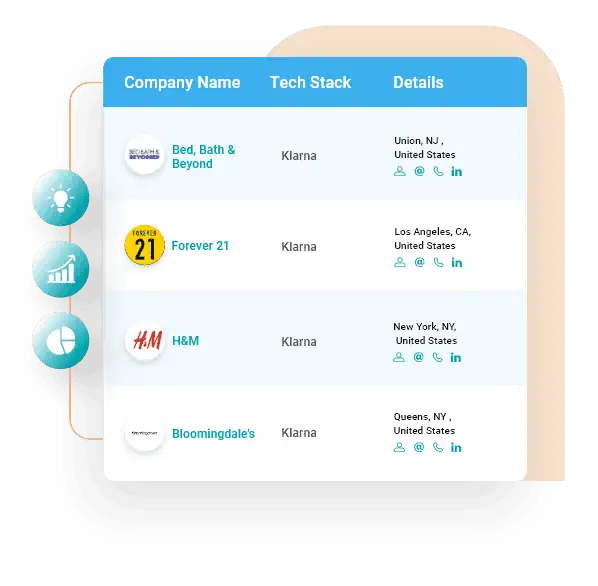
ASOS and H&M: As two of Klarna’s most prominent partners, these fast-fashion giants allow users to order multiple sizes and styles, using the “Pay in 30 Days” feature to ensure they only pay for what they keep.
-
Nike and Adidas: The athletic footwear industry has seen a massive surge in Klarna usage, particularly for limited-edition releases where immediate liquidity is required to secure a purchase.
-
Luxury Retailers: Platforms like Saks Fifth Avenue, Bloomingdale’s, and Rue La La have integrated Klarna to make luxury goods more accessible to an aspirational demographic, allowing for the installment-based purchase of designer handbags and high-end apparel.
Electronics and Tech Hardware
Electronics often represent a significant capital expenditure. Retailers in this space use Klarna to lower the barrier to entry for essential technology.
-
Best Buy and GameStop: These retailers are staples for tech enthusiasts. Whether purchasing a new gaming console or a home office setup, Klarna allows these high-ticket items to be integrated into a monthly budget rather than being a disruptive one-time expense.
-
Lenovo and Microsoft: Direct-to-consumer tech manufacturers have adopted Klarna to compete with traditional store-branded credit cards, offering more transparent terms for laptops and software suites.
Beauty, Health, and Wellness
The beauty industry thrives on repeat customers and high-margin products.
-
Sephora and Ulta Beauty: These giants allow customers to stock up on skincare and cosmetics while deferring the total cost. This is particularly useful during seasonal sales when consumers tend to buy in bulk.
-
Peloton: Representing the higher end of the wellness spectrum, Peloton utilizes Klarna’s financing options to help consumers invest in expensive home gym equipment through manageable monthly payments.

Home Decor and Furniture
Furnishing a home is one of the most common reasons consumers seek flexible financing.
-
Wayfair and Etsy: These platforms offer a massive array of goods. Etsy’s integration is particularly notable as it allows small, independent creators to offer the same financial flexibility as major corporations, powered by Klarna’s backend.
-
IKEA: In various regions, the furniture powerhouse has partnered with Klarna to facilitate the purchase of everything from modular shelving to full kitchen renovations.
Navigating the Klarna App: Shopping Beyond Partner Stores
One of the most powerful aspects of Klarna’s financial technology is that the list of “stores that use Klarna” is technically infinite. While many stores have a direct API integration at the checkout screen, the Klarna mobile app provides a workaround for retailers that do not officially partner with the service.
The One-Time Card Feature
Through the Klarna app, users can create a “One-Time Card.” This is a virtual Visa card empowered by a specific dollar amount chosen by the user. This feature allows a consumer to shop at virtually any online retailer—including giants like Amazon or Walmart—even if those stores have their own competing BNPL services. From a personal finance standpoint, this centralizes all debt obligations into a single dashboard, regardless of where the shopping occurred.
Managing Payments and Budgeting Tools
The app serves as more than just a gateway to stores; it is a financial management suite. It tracks price drops on watched items, manages returns, and provides a clear visualization of upcoming “Pay in 4” installments. For a disciplined user, this level of transparency is a significant upgrade over the often-convoluted statements provided by traditional banking institutions.
Financial Implications of Using Klarna at Major Stores
While the ability to shop at thousands of stores using Klarna offers undeniable convenience, it requires a sophisticated approach to personal finance to avoid the pitfalls of over-leveraging.
Impact on Credit Scores and Financial Health
Standard “Pay in 4” transactions generally do not affect a user’s credit score because they rely on soft credit inquiries. However, this lack of reporting can be a double-edged sword. While it protects the score from the impact of multiple inquiries, it also means that consistent, on-time payments do not help build a credit history. Conversely, longer-term financing options through Klarna do report to credit bureaus, and missed payments across any Klarna product can eventually be sent to collections, severely damaging a consumer’s financial standing.
Avoiding the Debt Trap in Modern Retail
The psychological ease of breaking a $1,000 purchase into four $250 payments can lead to “incremental overspending.” When a consumer sees a lower price point at checkout, the pain of payment is diminished. To use Klarna effectively at its partner stores, financial experts recommend treating every installment as a fixed obligation. Integrating these payments into a monthly budget—rather than viewing them as “future money”—is the key to maintaining a healthy debt-to-income ratio.
Future Outlook: The Evolution of Flexible Payments in Global Commerce
The list of stores using Klarna continues to grow as the “omnichannel” retail experience becomes the standard. We are currently seeing a transition where Klarna is moving from the digital checkout screen to the physical point-of-sale. Many retailers now offer QR code scanning in-store, allowing customers to use Klarna at a physical register.
Furthermore, as Klarna expands its “Rewards Club,” the relationship between the store and the consumer is becoming more gamified. Shopping at specific partner stores now earns “vibe” points, which can be redeemed for discounts or exclusive access. This shift indicates that Klarna is no longer just a payment processor; it is a lifestyle brand and a comprehensive financial intermediary.
For the modern consumer, the question “what stores use Klarna?” is the starting point for a broader conversation about financial autonomy. By utilizing these tools at major retailers like Macy’s, Foot Locker, and Expedia, individuals can leverage their capital more efficiently. However, the responsibility remains with the consumer to ensure that these “smoooth” payments do not lead to a fragmented and unmanageable financial future. As fintech continues to merge with traditional retail, the ability to strategically use services like Klarna will remain a vital skill in the toolkit of the financially literate shopper.
aViewFromTheCave is a participant in the Amazon Services LLC Associates Program, an affiliate advertising program designed to provide a means for sites to earn advertising fees by advertising and linking to Amazon.com. Amazon, the Amazon logo, AmazonSupply, and the AmazonSupply logo are trademarks of Amazon.com, Inc. or its affiliates. As an Amazon Associate we earn affiliate commissions from qualifying purchases.