
The Dow Jones Industrial Average (DJIA), often seen as a bellwether for the broader U.S. economy, captivates investors and the public alike with its daily fluctuations. When this venerable index experiences a significant upward movement, it inevitably sparks questions: What forces are at play? What does this mean for the economy, and for individual investors? Today’s rise in the Dow is not the result of a single isolated event, but rather a complex interplay of economic indicators, corporate performance, monetary policy expectations, and market sentiment, all coalescing to paint a picture of newfound optimism or sustained strength. Understanding these drivers is crucial for anyone looking to make sense of the market’s pulse and to navigate their own financial journey.

Understanding the Dow Jones Industrial Average
Before delving into the specific reasons for today’s positive performance, it’s essential to grasp what the Dow Jones Industrial Average represents and how its movements are typically influenced. This foundational understanding allows for a more insightful analysis of daily market shifts.
What is the DJIA?
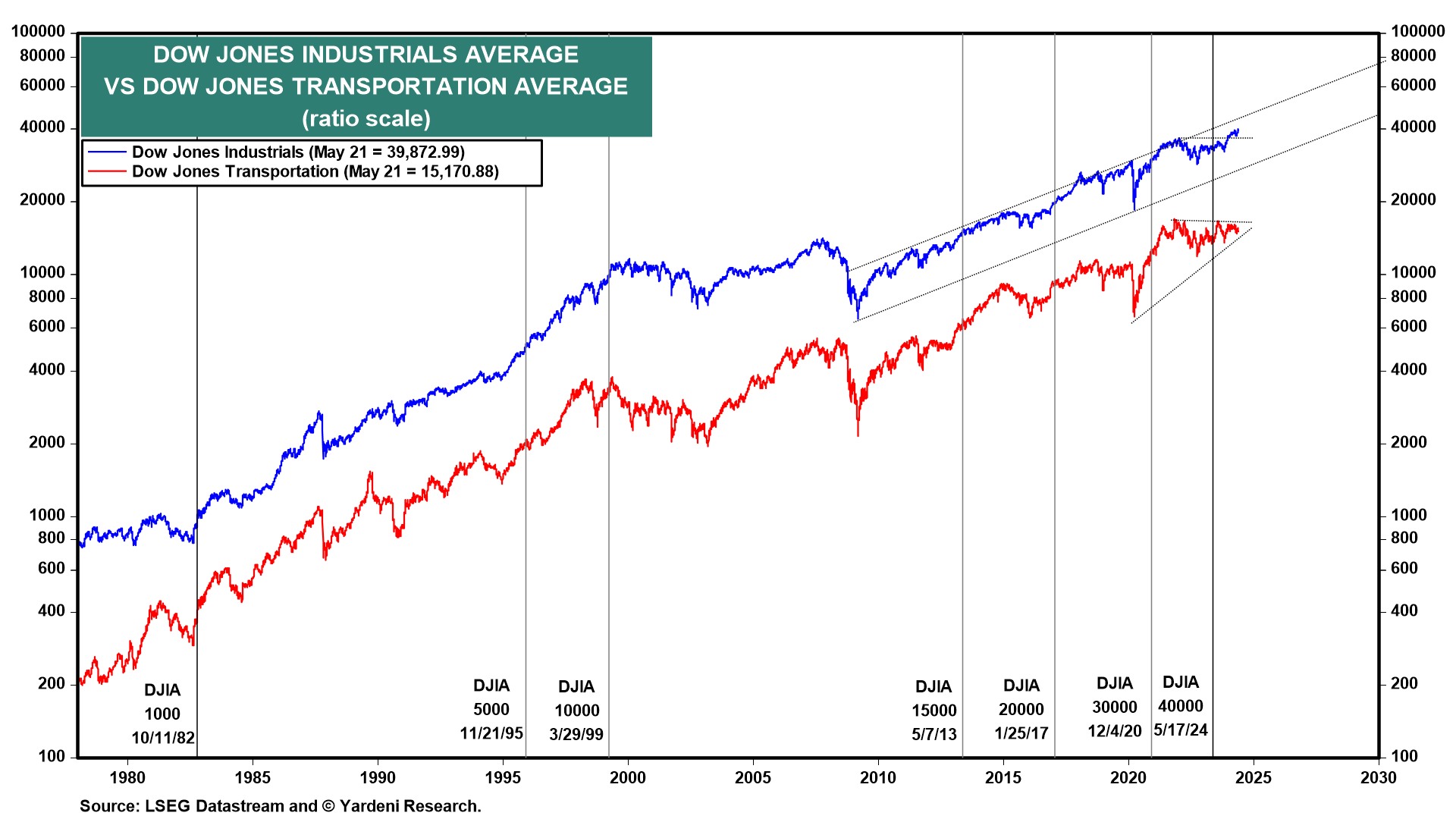
The Dow Jones Industrial Average is one of the oldest and most widely recognized stock market indices globally. Established in 1896, it tracks the stock performance of 30 large, publicly traded companies based in the United States. Unlike broader indices such as the S&P 500, which is market-capitalization-weighted, the DJIA is a price-weighted index, meaning companies with higher stock prices have a greater impact on the index’s value. While its composition is updated periodically to ensure it reflects the diverse landscape of the American economy – featuring giants from technology and finance to industrials and consumer goods – it remains a key barometer for investor confidence and the health of the U.S. industrial and service sectors. Its daily movements are often interpreted as a quick snapshot of how the market is feeling about the current economic climate and future prospects.
Factors Influencing Daily Movements
The daily gyrations of the Dow are rarely attributable to a single cause. Instead, they are typically the culmination of various interconnected factors. On any given day, the index can be swayed by a flood of new economic data releases, such as unemployment figures, inflation reports, or manufacturing indices. Corporate news, including quarterly earnings reports, mergers and acquisitions, or changes in leadership, can significantly impact the stock prices of individual Dow components and, consequently, the index itself. Furthermore, global geopolitical events, shifts in commodity prices, and the pronouncements of central banks regarding monetary policy (e.g., interest rate decisions) all cast a long shadow over market sentiment. Even more intangible elements like investor psychology, technical trading patterns, and the speculative actions of large institutional investors play a critical role in shaping the Dow’s trajectory. Disentangling these threads is key to understanding why the market moved in a particular direction today.
Key Drivers Behind Today’s Ascent
Today’s upward momentum in the Dow Jones Industrial Average likely stemmed from a combination of favorable developments, providing investors with a renewed sense of confidence. Pinpointing the exact confluence of factors requires a look at recent data, corporate news, and prevailing market sentiment.
Positive Economic Indicators Bolster Optimism
A primary catalyst for a strong market day is often the release of better-than-expected economic data. Today’s rise may have been fueled by encouraging reports such as a lower-than-forecasted inflation rate, suggesting that the Federal Reserve’s efforts to control rising prices are yielding results without overly stifling economic growth. Alternatively, robust jobs figures, indicating a healthy labor market with strong employment growth and stable wages, often reassure investors about consumer spending power and future corporate revenues. Strong retail sales data, an unexpected uptick in manufacturing output, or an improvement in consumer confidence surveys could also contribute to the positive sentiment. Such data points signal underlying economic resilience, alleviating recessionary fears and paving the way for sustained corporate profitability, which naturally translates into higher stock valuations.
Robust Corporate Earnings and Optimistic Outlooks
The health of the individual companies comprising the Dow is paramount to its overall performance. A significant driver for today’s market rally could be a series of strong earnings reports from several Dow components, particularly if these companies exceeded analyst expectations. When major players like Apple, Microsoft, JPMorgan Chase, or Johnson & Johnson post better-than-anticipated profits and revenues, it sends a powerful signal about the strength of their respective sectors and the broader economy. Beyond past performance, forward-looking guidance from these companies is equally critical. If corporate executives offer an optimistic outlook for future quarters, projecting strong sales growth, improved margins, or strategic expansions, it instills confidence in investors, prompting them to bid up stock prices. This optimism can create a ripple effect, lifting the entire index.
Favorable Monetary Policy Expectations
The Federal Reserve’s stance on interest rates and quantitative easing significantly influences market direction. Today’s market surge might be a reaction to perceived shifts in monetary policy expectations. If the market interpreted recent comments from Fed officials, or newly released meeting minutes, as dovish – hinting at a potential pause in interest rate hikes, or even future cuts – it would typically be met with enthusiasm. Lower interest rates reduce borrowing costs for businesses, encouraging investment and expansion, and make equity investments more attractive relative to fixed-income assets like bonds. The prospect of cheaper capital often fuels corporate growth, directly benefiting stock valuations and contributing to a positive market day.
Reduced Geopolitical Uncertainty and Stability
Global events can cast a long shadow over financial markets. A day characterized by reduced geopolitical tensions or the resolution of a significant international dispute can immediately alleviate investor anxiety and spur buying activity. For instance, if a trade negotiation reached a positive conclusion, a political crisis in a major economic region de-escalated, or a new international agreement was signed, the resulting stability could lead to a swift rebound in market confidence. Uncertainty is anathema to investors, and any development that clarifies the global landscape or reduces potential risks is often met with a positive market response, encouraging capital to flow back into equities.
Technical Factors and Surging Market Sentiment

Beyond fundamental economic and corporate news, technical market factors and prevailing sentiment can significantly influence daily price action. Today’s upward movement could be partly attributable to technical breakouts, where the Dow surpassed a key resistance level, triggering automated buying from algorithmic trading systems and momentum traders. Short covering, where investors who had bet against the market are forced to buy back shares to close their positions as prices rise, can also amplify upward movements. Furthermore, positive sentiment can become self-reinforcing; as the market rises, “fear of missing out” (FOMO) can draw in more buyers, creating a positive feedback loop. Institutional investors, seeing momentum build, may also initiate large purchases, contributing to the overall market rally.
Deeper Dive into Sectoral Contributions
While the Dow’s overall performance is critical, understanding which specific sectors within the index contributed most significantly to today’s rise provides a more granular view of market strength and underlying economic trends.
Technology and Innovation Leading the Charge
Given the transformative impact of technology on the global economy, it’s highly probable that strong performances from the tech giants within the Dow played a crucial role in today’s ascent. Companies like Apple, Microsoft, and Salesforce, known for their innovation in areas such as artificial intelligence, cloud computing, and digital services, can significantly sway the index. If these companies announced groundbreaking new products, reported soaring subscription numbers, or unveiled strategic partnerships, their stock prices would naturally surge. Investor enthusiasm for disruptive technologies, coupled with the potential for sustained growth in the digital economy, often sees the tech sector acting as a powerful engine for market rallies.
Industrial and Financial Sector Resilience
Beyond technology, the Dow’s rise could also be heavily influenced by the robust performance of its industrial and financial components. Industrial behemoths such as Boeing, Caterpillar, and 3M are often seen as proxies for global economic activity. Strong manufacturing data, increased capital expenditure by businesses, or positive developments in global trade could boost these stocks. Similarly, the financial sector, represented by giants like JPMorgan Chase and Goldman Sachs, benefits from a healthy economy. If interest rate environments are perceived as stable or advantageous for lending, or if there’s an uptick in investment banking activity and consumer loan demand, these firms would see their profitability improve, directly contributing to the Dow’s positive trajectory. Their resilience signals broader economic stability and growth potential.
Consumer Confidence and Spending Driving Retailers
The consumer discretionary and staples sectors, featuring companies like Home Depot, McDonald’s, Walmart, and Nike, are direct beneficiaries of strong consumer confidence and spending. If recent economic reports indicated a resilient consumer base, perhaps due to stable employment, rising wages, or declining inflation, these companies would likely see increased sales and improved outlooks. A positive sentiment shift among consumers can translate into higher foot traffic, increased online orders, and stronger revenues for these businesses, which in turn boosts their stock prices and contributes to the overall strength of the Dow. Their performance provides a tangible link between the market and the everyday economic realities faced by households.
What This Means for Investors and the Economy
A rising Dow Jones Industrial Average is undoubtedly positive news, but its implications need to be interpreted with a balanced perspective, considering both short-term market dynamics and long-term financial strategies.
Short-Term vs. Long-Term Perspective
While today’s upward movement is exciting, it’s crucial for investors to distinguish between short-term market fluctuations and long-term investment trends. A single day’s performance, even a significant one, does not necessarily dictate the market’s trajectory for weeks or months to come. Daily rallies can be driven by temporary catalysts or technical factors that may not reflect fundamental shifts. For long-term investors, today’s rise should be viewed as one data point within a broader investment horizon. Overreacting to daily ups and downs by making impulsive buying or selling decisions can often be detrimental to achieving financial goals. A consistent, disciplined approach, focused on well-researched investments aligned with personal risk tolerance, typically yields better results over time.
Implications for the Economic Outlook
A surging Dow can be interpreted as a strong vote of confidence from investors regarding the future health of the U.S. economy. It suggests that market participants believe corporate earnings will remain robust, economic growth will continue, and any potential headwinds, such as inflation or recession risks, are manageable. This market optimism can create a “wealth effect,” where individuals feel wealthier due to their rising investment portfolios, potentially leading to increased consumer spending and further economic stimulation. However, it’s important to remember that the stock market is not a perfect predictor of the future. While it often anticipates economic trends, it can also be influenced by speculation or sentiment that doesn’t always align with underlying economic realities. Therefore, while a positive market day is encouraging, it should be considered alongside other broader economic indicators to form a comprehensive view of the economic outlook.
Investor Considerations and Strategic Approach
For individual investors, today’s Dow rally offers a moment for reflection rather than reaction. It reinforces the importance of maintaining a diversified portfolio, which helps to mitigate risk should specific sectors or individual stocks experience volatility. It also underscores the value of staying invested over the long term, riding out market fluctuations to capitalize on overall economic growth. Chasing gains driven by a single day’s performance can be risky; instead, focus on your established investment strategy, whether that involves regular contributions, rebalancing, or careful asset allocation. For those considering new investments, research and due diligence remain paramount. Consulting with a qualified financial advisor can provide personalized guidance, helping you understand how market movements like today’s Dow rally fit into your specific financial plan and goals.
Conclusion
Today’s upward movement in the Dow Jones Industrial Average is a testament to the dynamic and multifaceted nature of financial markets. It was likely spurred by a positive confluence of factors: encouraging economic data signaling resilience, strong corporate earnings and optimistic future guidance, the anticipation of favorable monetary policies, and a reduction in geopolitical uncertainties. These tangible developments, combined with positive market sentiment and technical buying, collectively drove investor confidence higher.
While a single day’s performance should always be viewed within the broader context of long-term investment goals, today’s rally offers valuable insights into the current state of the economy and the prevailing mood among investors. For those navigating the world of personal finance and investing, understanding these drivers is key to making informed decisions and maintaining a strategic approach amidst the market’s continuous ebb and flow. As always, future market movements will depend on the continued evolution of these complex variables, requiring ongoing vigilance and thoughtful analysis.
aViewFromTheCave is a participant in the Amazon Services LLC Associates Program, an affiliate advertising program designed to provide a means for sites to earn advertising fees by advertising and linking to Amazon.com. Amazon, the Amazon logo, AmazonSupply, and the AmazonSupply logo are trademarks of Amazon.com, Inc. or its affiliates. As an Amazon Associate we earn affiliate commissions from qualifying purchases.