
In the landscape of personal finance, few tools are as universally lauded by experts as the Health Savings Account (HSA). Often misunderstood as a mere “medical rainy-day fund,” the HSA is, in reality, one of the most potent investment vehicles available under the United States tax code. Because it offers a “triple tax advantage”—contributions are tax-deductible, growth is tax-deferred, and withdrawals for qualified medical expenses are tax-free—understanding exactly how to deploy these funds is critical for any savvy investor or budget-conscious individual.
To maximize the utility of an HSA, one must look beyond the immediate need for a doctor’s visit. From long-term wealth accumulation to covering niche wellness products, the scope of “qualified medical expenses” is broader than many realize. This guide explores the strategic use of HSA funds, the regulatory boundaries governing them, and how to integrate this account into a holistic financial plan.

1. Qualified Medical Expenses: Navigating the Core Spending Categories
The primary purpose of an HSA is to offset the out-of-pocket costs associated with high-deductible health plans (HDHPs). The Internal Revenue Service (IRS) provides an extensive list of what constitutes a “qualified medical expense,” and staying within these lines is essential to maintaining the account’s tax-free status.
Common Over-the-Counter and Prescription Costs
Since the passage of the CARES Act in 2020, the definition of qualified expenses has expanded significantly. Previously, over-the-counter (OTC) medications required a formal prescription to be HSA-eligible. Today, you can use your HSA funds for a wide array of everyday health needs without a doctor’s note. This includes pain relievers, allergy medications, cold and flu remedies, and even menstrual care products. Furthermore, all legal prescription drugs and insulin remain core eligible expenses, ensuring that chronic condition management remains affordable.
Vision and Dental Care: The Overlooked Benefits
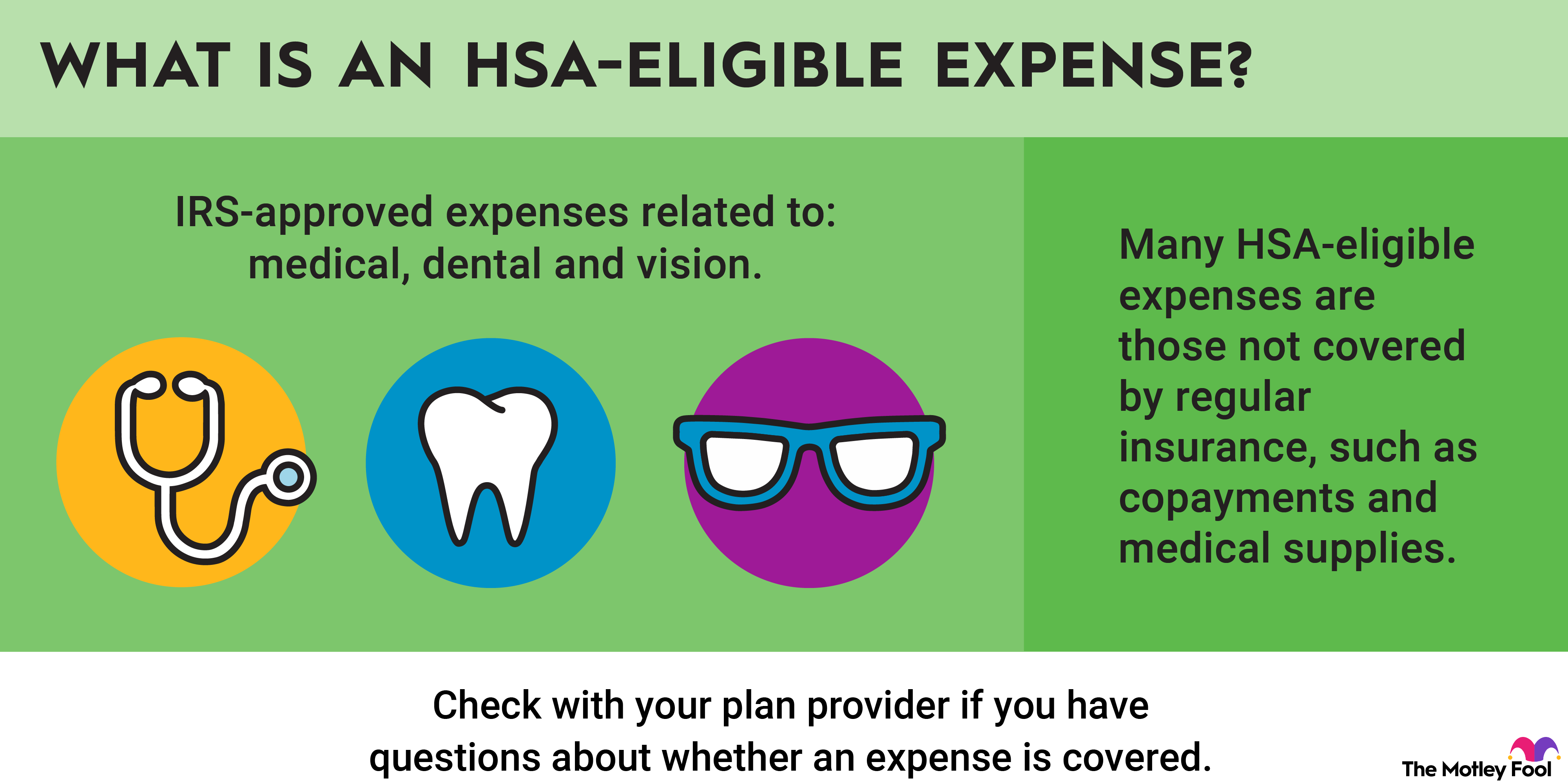
Many individuals mistakenly believe that HSA funds are reserved for general medical care. However, dental and vision expenses are fully covered, often providing a financial cushion for costs that standard health insurance may not fully address. You can use HSA funds for dental cleanings, fillings, braces, and even oral surgery. On the vision side, funds can be used for eye exams, prescription eyeglasses, contact lenses, and even LASIK eye surgery. By utilizing pre-tax dollars for these inevitable costs, you effectively receive a 20% to 30% discount, depending on your tax bracket.
Family Coverage and Dependents
An HSA is not just for the account holder. You can use your funds to pay for the qualified medical expenses of your spouse and any dependents you claim on your tax return, even if they are not covered under your specific high-deductible health plan. This flexibility makes the HSA a vital component of family financial planning, allowing parents to cover everything from a child’s vaccinations to a spouse’s specialized therapy.
2. Strategic Spending: Moving from Saving to Investing
While using HSA funds for immediate medical bills is the most common approach, financial experts often recommend a more sophisticated strategy: the “buy and hold” method. Because the HSA has no “use it or lose it” provision (unlike a Flexible Spending Account), the funds can stay in the account indefinitely, allowing them to be invested in the stock market.
The “Receipt Shoebox” Strategy for Retroactive Reimbursement
One of the most powerful loopholes in the HSA regulations is the lack of a deadline for reimbursement. As long as the expense was incurred after the HSA was established, you can reimburse yourself at any time—even decades later. This allows wealthy or disciplined savers to pay for medical expenses out-of-pocket today, keep the digital receipts, and let the HSA balance grow tax-free in a brokerage account. Years later, during retirement, you can withdraw that money tax-free to fund your lifestyle, using the old receipts as justification.
Investing Your HSA Balance for Long-Term Growth
Most HSA providers allow users to move funds into an investment tier once a minimum cash balance (typically $1,000 to $2,000) is reached. By treating the HSA as a “second 401(k),” you can invest in low-cost index funds or ETFs. Over 20 or 30 years, the compound interest generated within an HSA can result in a significant nest egg. Because healthcare is one of the largest expenses in retirement, having a dedicated, tax-free pot of gold to draw from is a massive structural advantage in any retirement plan.
Preventive Care and Wellness Enhancements
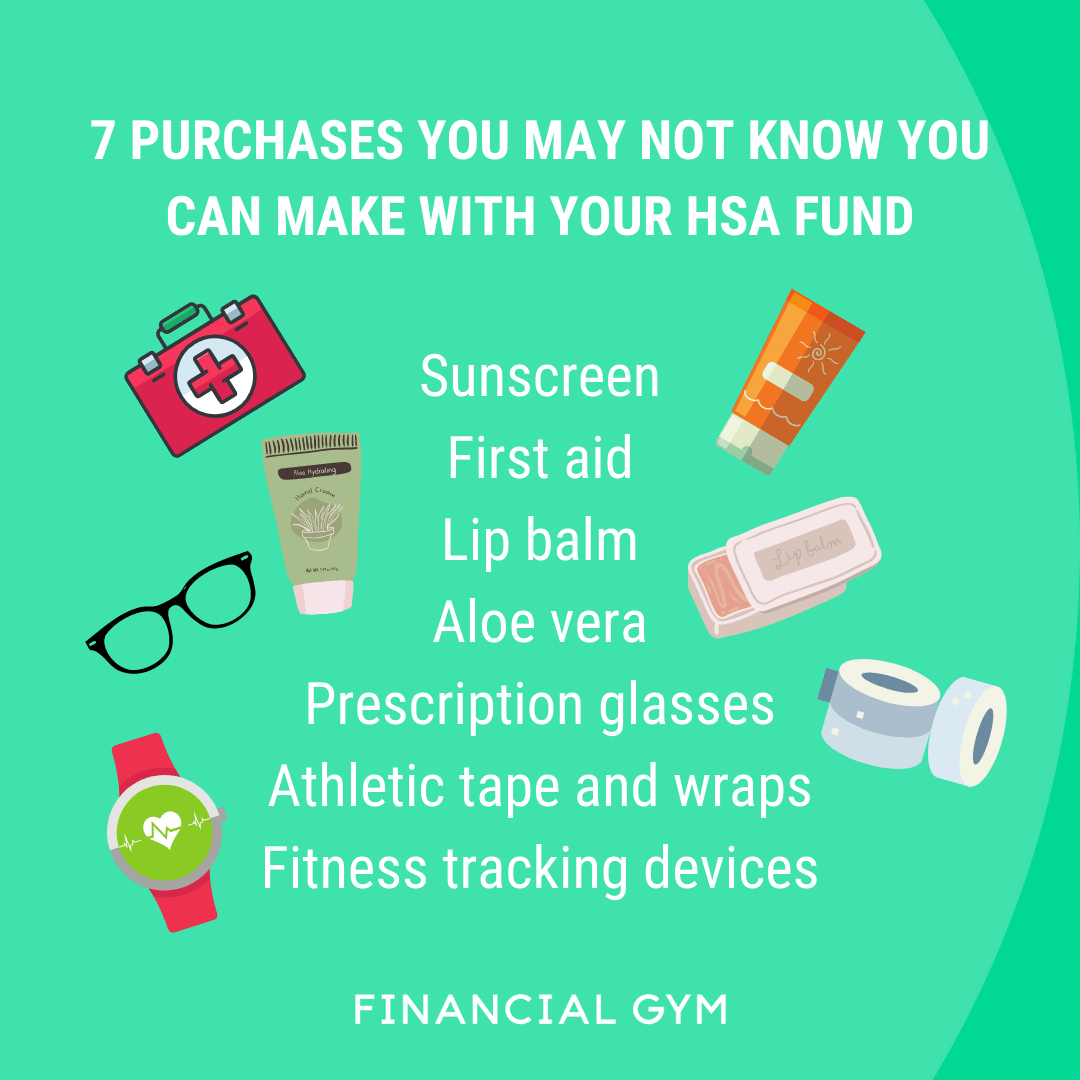
The IRS also allows HSA funds to be used for preventive care, which can include items that many might consider “wellness” rather than “medicine.” This includes sunscreen (SPF 15+), smoking cessation programs, and even weight-loss programs if they are prescribed by a physician to treat a specific diagnosis like hypertension or obesity. Utilizing funds for these proactive measures can lead to better long-term health outcomes and, consequently, lower medical spending in the future.
3. Compliance and the Consequences of Non-Qualified Spending
The tax advantages of an HSA are granted by the government in exchange for strict adherence to spending rules. Misusing these funds can result in significant financial penalties, making it vital to understand what does not qualify.
Non-Medical Purchases and the 20% Penalty
If you use HSA funds for non-qualified expenses—such as a vacation, a new car, or general groceries—the amount withdrawn is subject to ordinary income tax. Furthermore, if you are under the age of 65, the IRS imposes a 20% penalty on the distribution. This penalty is intentionally steep to discourage people from using the HSA as a standard checking account. It is always advisable to keep meticulous records and receipts to prove that every cent withdrawn was for a legitimate medical purpose.
The Age 65 Rule: A Financial Pivot Point
A unique feature of the HSA is how its rules change once you reach age 65. At this milestone, the 20% penalty for non-medical withdrawals disappears. While you will still owe income tax on funds used for non-medical purposes (similar to a Traditional IRA), the flexibility increases dramatically. You can essentially treat the HSA as a retirement account for any type of spending, while still maintaining the ability to take tax-free withdrawals for any medical needs that arise.
Ineligible Expenses to Watch Out For
Despite the broad definition of medical care, certain items are strictly forbidden. You generally cannot use HSA funds for cosmetic surgery (unless it is to correct a deformity from a congenital abnormality or injury), health club dues, or general-purpose items like toothpaste or vitamins (unless the vitamins are specifically prescribed). Navigating these nuances requires a proactive approach to checking IRS Publication 502, which serves as the gold standard for eligibility.
4. Advanced Financial Maneuvers with HSA Funds
For those in the mid-to-late stages of their career, the HSA offers several “pro-level” financial moves that can optimize tax efficiency during the transition to retirement or during periods of unemployment.
COBRA Premiums and Long-Term Care Insurance
Generally, you cannot use HSA funds to pay for health insurance premiums. However, there are critical exceptions. If you are receiving federal or state unemployment compensation, you can use HSA funds to pay for your health insurance premiums. Additionally, HSA funds can be used to pay for COBRA premiums if you leave your job. Another sophisticated use is paying for tax-qualified long-term care insurance premiums (subject to age-based limits set by the IRS), providing a tax-efficient way to protect your estate from the high costs of nursing home care.
Using HSA Funds for Medicare Premiums
Once you transition to Medicare, the HSA continues to be a valuable asset. While you can no longer contribute to an HSA once you are enrolled in Medicare, you can use your existing balance to pay for Medicare Part B and Part D premiums. This can significantly reduce the “drag” on your Social Security checks, as these premiums are typically deducted from your monthly benefits. Note, however, that HSA funds cannot be used to pay for Medigap (Medicare Supplemental) insurance premiums.
Strategic Estate Planning with an HSA
The HSA also plays a role in legacy planning. If you name your spouse as the beneficiary of your HSA, it becomes their HSA upon your death, maintaining its tax-advantaged status. If you name a non-spouse beneficiary, the account stops being an HSA, and the fair market value becomes taxable to the beneficiary. Understanding these beneficiary designations is a key part of “Money” management, ensuring that your hard-earned savings are transferred as efficiently as possible.
Conclusion: The HSA as a Pillar of Financial Wellness
The question of “what can you use HSA funds for” is answered by a spectrum of options ranging from daily health necessities to long-term investment growth. By viewing the HSA not just as a spending account, but as a strategic financial tool, you can shield your income from taxes, grow your wealth through market participation, and ensure that your healthcare needs are covered throughout every stage of life. Whether you are paying for a current prescription or building a tax-free fund for retirement, the HSA remains an unparalleled asset in the quest for financial independence.
aViewFromTheCave is a participant in the Amazon Services LLC Associates Program, an affiliate advertising program designed to provide a means for sites to earn advertising fees by advertising and linking to Amazon.com. Amazon, the Amazon logo, AmazonSupply, and the AmazonSupply logo are trademarks of Amazon.com, Inc. or its affiliates. As an Amazon Associate we earn affiliate commissions from qualifying purchases.