
In the realm of classic literature, film, and theatre, the antagonist is a familiar figure – the villain, the opposing force, the character or entity that stands in the way of the protagonist’s goals. They create conflict, drive the plot forward, and ultimately define the hero’s journey. But what if we told you that this fundamental storytelling principle is not just confined to fiction? In the world of branding, marketing, and corporate identity, understanding and strategically deploying the concept of an “antagonist” is a powerful, often overlooked, key to building compelling narratives that resonate deeply with audiences, foster loyalty, and drive success.

This article delves into how the antagonist, traditionally understood, translates into the strategic language of brand building. We’ll explore why every effective brand story needs a clear opposing force, how to identify yours, and how leveraging this narrative element can transform your marketing and deepen your connection with your target audience.
The Core Role of the Antagonist in Narrative and Brand Narratives
At its heart, a story is about change, struggle, and resolution. Without conflict, there’s no story; merely a statement of facts. The antagonist is the architect of this conflict, forcing the protagonist to grow, adapt, and demonstrate their true nature. In a brand context, this dynamic is equally crucial.
Defining the Traditional Antagonist: Conflict, Obstacles, Driving Plot
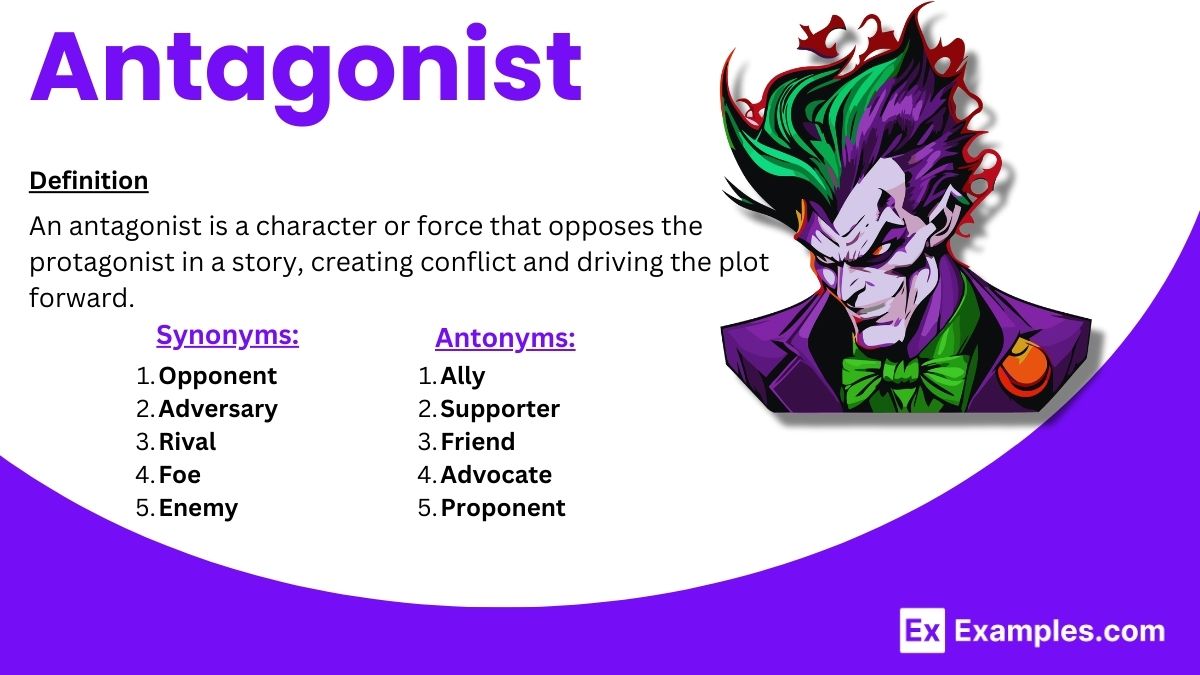
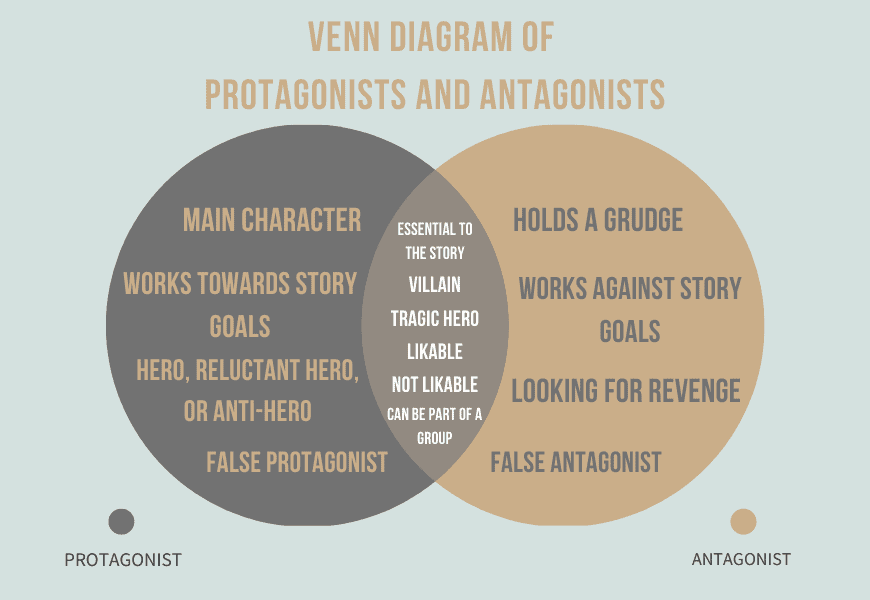
Traditionally, an antagonist is a character or force that directly opposes the protagonist, creating the central conflict of the narrative. This opposition isn’t always evil; it can be a rival, a natural disaster, a societal norm, or even an internal struggle. The antagonist’s primary function is to present obstacles that the protagonist must overcome, thereby driving the plot forward and revealing character depth. Think of Darth Vader opposing Luke Skywalker, or the relentless ocean standing against Captain Ahab. Their presence is indispensable for the hero’s journey to unfold meaningfully.
The Antagonist as a Catalyst for Change and Growth
For a protagonist, encountering an antagonist is rarely comfortable, but it is almost always transformative. The challenges posed by the antagonist force the hero to confront their weaknesses, discover new strengths, and ultimately evolve. This journey of transformation is what makes stories engaging and memorable.
Applied to branding, the “antagonist” serves a similar catalytic role. It represents the problem, pain point, or aspiration that your target audience faces – the discomfort they feel, the hurdle they need to clear, or the status quo they wish to transcend. By identifying and articulating this antagonist, a brand positions itself as the necessary guide or solution that helps the customer (the hero) achieve their desired transformation. Without clearly defining what your brand helps to overcome, your brand story lacks a compelling reason to exist, and your potential customers won’t fully grasp the value you offer.
Why Every Compelling Story Needs Conflict
Imagine a story where the hero faces no challenges, where everything goes smoothly from start to finish. It would be dull, forgettable, and emotionally flat. Conflict is the engine of engagement. It generates tension, creates empathy, and provides a framework for resolution. In branding, the “conflict” is the gap between your customer’s current, undesirable state (the antagonist’s influence) and their desired, improved state (achieved with your brand’s help). Highlighting this conflict, often implicitly, makes your brand’s intervention meaningful and your solution impactful. It gives your audience a reason to listen, to engage, and ultimately, to choose you.
Identifying the Brand’s Antagonist: Beyond the Villain
When we speak of an “antagonist” in branding, we are not suggesting you create a cartoonish villain for your brand story. Instead, this concept requires a nuanced understanding of the forces that prevent your customers from achieving their goals or living their best lives. It’s about recognizing the real-world challenges your audience faces that your brand is uniquely positioned to address.
Not Just a Competitor: Problems, Pain Points, Status Quo
While competitors are certainly a form of opposition in the marketplace, limiting your brand’s antagonist to a rival company misses the broader, more powerful narrative potential. The true antagonists in a brand story are often more abstract but far more relatable:
-
Inefficiency and Complexity: The time-consuming processes, convoluted systems, or overly complex tools that frustrate users. (e.g., project management software battling chaos).
-
Lack of Knowledge or Clarity: The confusion, misinformation, or absence of critical information that hinders decision-making. (e.g., an educational platform combating ignorance).
-
Fear and Insecurity: The anxieties related to financial stability, health, future uncertainty, or social acceptance. (e.g., a cybersecurity firm fighting data breaches and identity theft).
-
Outdated Solutions/Status Quo: The ingrained habits, traditional methods, or legacy systems that are no longer effective but are difficult to change. (e.g., a disruptive tech company challenging conventional industry practices).
-
Environmental Challenges: Sustainability issues, waste, or negative ecological impacts. (e.g., an eco-friendly brand fighting pollution).
-
Social Isolation/Disconnection: The feeling of being alone or disconnected in an increasingly digital world. (e.g., a community-focused platform fostering connections).
These antagonists are deeply embedded in your audience’s daily lives and decision-making processes. By pinpointing these specific challenges, your brand can frame its offerings not just as products or services, but as potent solutions to genuine problems.
Understanding Your Audience’s Deepest Challenges
To effectively identify your brand’s antagonist, you need to step into your customer’s shoes. This requires deep empathy, thorough market research, and a clear understanding of their demographics, psychographics, behaviors, and aspirations.
-
Listen Actively: Pay attention to customer feedback, reviews, social media conversations, and support queries. What problems do they repeatedly voice? What frustrations do they express?
-
Conduct Surveys and Interviews: Ask direct questions about their struggles, unmet needs, and desired outcomes. What keeps them up at night? What aspects of their life or work do they wish were easier, faster, or better?
-
Analyze Competitor Gaps: Look at where competitors fall short. What problems do they fail to solve? These unaddressed issues can reveal powerful antagonists for your brand.
-
Map the Customer Journey: Identify pain points at each stage of the customer’s interaction with a problem or industry. Where do they get stuck? Where do they experience friction?
The more precisely you can define your audience’s antagonist, the more targeted and impactful your brand messaging can become.
The Internal Antagonist: Brand Obstacles and Evolution
Sometimes, the antagonist isn’t external but internal to the brand itself. This could be an outdated business model, a legacy technology stack, a deeply ingrained corporate culture resistant to change, or a negative public perception built over time. A brand might choose to highlight its journey in overcoming such internal antagonists as part of its story, especially during a rebrand or a major strategic shift.
For example, a company might share the story of how it battled internal resistance to innovate, or how it had to shed an outdated image to embrace a new identity. This narrative of internal struggle and triumph can humanize the brand, build trust, and demonstrate a commitment to continuous improvement. It’s a powerful form of transparency that resonates with audiences who appreciate authenticity and resilience.
Crafting Your Brand’s Hero Journey: The Brand as Protagonist
Once the antagonist is clearly identified, your brand can confidently step into its role as the protagonist (or, more often, the wise mentor/guide to the customer-hero) in the narrative. This framing allows you to tell a story where your brand is instrumental in helping customers overcome their challenges and achieve their desired outcomes.
Positioning Your Brand as the Solution or Guide
In the traditional hero’s journey, the hero often receives help from a mentor figure. In branding, your customer is the ultimate hero, and your brand acts as their indispensable guide or the powerful tool they wield. Your brand doesn’t defeat the antagonist for the customer; it equips and empowers the customer to conquer their own antagonist.
This positioning shifts the focus from “buy my product” to “let me help you solve your problem.” It emphasizes utility and empathy. Your brand isn’t just selling features; it’s offering a pathway to transformation. For instance, a financial planning service doesn’t just offer investment products; it guides clients through the antagonist of financial insecurity towards the goal of financial freedom.
Emphasizing Transformation and Resolution
The climax of any story involves the hero confronting the antagonist, leading to a resolution. For a brand story, this resolution is the positive transformation your customer experiences after engaging with your brand. This isn’t just about problem-solving; it’s about aspirational fulfillment.
Your messaging should clearly articulate the “after” state – how your customer’s life, business, or situation is dramatically improved. What specific benefits do they gain? How are they empowered? What new possibilities open up for them? This focus on transformation paints a vivid picture of success and reinforces the value proposition of your brand. Share testimonials, case studies, and before-and-after scenarios that vividly illustrate this positive change.
Building an Emotional Connection Through Shared Struggle
A powerful brand narrative evokes emotion. When your brand acknowledges and understands the customer’s struggle with their antagonist, it builds empathy and trust. Customers feel heard and understood. They recognize that your brand “gets” them and genuinely cares about their well-being.
This shared understanding creates a deeper emotional connection than mere transactional exchanges. It moves beyond features and benefits to shared values and aspirations. By showing that you understand the “monster” your customers face, you position yourself as a trusted ally, ready to stand with them on their journey to victory. This emotional resonance is critical for fostering long-term loyalty and turning customers into advocates.
Leveraging the Antagonist in Marketing and Communication
Once you’ve identified your brand’s antagonist and positioned your brand as the solution or guide, the next step is to integrate this narrative into all aspects of your marketing and communication strategy. This isn’t about overtly naming a villain, but subtly weaving the conflict and resolution into your messaging to create a compelling story.
Messaging that Highlights the Problem Before Presenting the Solution
Effective marketing often follows a classic storytelling arc: introduce the problem (the antagonist), agitate the problem (show its impact), then present the solution (your brand). This approach allows your audience to fully recognize their own struggles within your narrative before you offer the remedy.
Instead of immediately launching into features, start by addressing the pain point. For instance, a cybersecurity company might begin an ad with “Are you worried about your data being breached?” (the antagonist of digital insecurity) before introducing their protective solutions. This problem-solution framework makes your brand’s offerings relevant and urgently needed. It acknowledges the customer’s current reality and then offers a path to a better future.
Content Strategy: Blog Posts, Videos, Social Media Campaigns Focusing on the Antagonist
Your content marketing is a prime vehicle for exploring the antagonist and your brand’s role in overcoming it.
-
Blog Posts: Write articles that delve into the nature of the antagonist. “The 5 Biggest Challenges Small Businesses Face with Marketing,” or “Why Traditional Productivity Tools Are Failing You.” These posts educate your audience about their problem, subtly setting the stage for your solution.
-
Videos: Create explainer videos or short narratives that dramatize the antagonist. Show someone struggling with inefficiency before they discover your streamlined software. Visual storytelling can be incredibly impactful.
-
Social Media Campaigns: Use polls, questions, and relatable anecdotes to surface your audience’s pain points (the antagonist). Engage in conversations about common frustrations and subtly introduce how your brand offers relief.
-
Webinars and E-books: Offer in-depth resources that help your audience understand and tackle their antagonist, with your brand’s solutions interwoven as expert advice.
By consistently addressing the antagonist across various content formats, you reinforce your brand’s relevance and expertise.
Case Studies as Triumphant Narratives
Case studies are powerful because they are real-world examples of your customer-heroes conquering their antagonists with your brand’s assistance. Structure them like mini-narratives:
-
The Challenge (Antagonist): Detail the specific problem the client faced before using your product/service. Quantify the pain point.
-
The Approach (Your Brand as Guide): Explain how your brand’s solution was implemented and tailored to their needs.
-
The Resolution (Victory): Showcase the measurable results and positive transformation achieved. Highlight the success metrics and the “after” state.
These stories provide social proof and demonstrate tangible outcomes, making your brand’s value undeniable. They allow prospective customers to see themselves in the “hero” role, envisioning their own triumph over their antagonist.
Differentiating Through the Antagonist
Understanding your brand’s unique antagonist can also be a powerful differentiator. While many brands might offer similar products, how they frame the problem they solve, and which specific “monster” they choose to battle, can set them apart. Perhaps your competitor focuses on efficiency, but you focus on simplifying complexity. Both are valuable, but by choosing a distinct antagonist, you carve out a unique niche in the minds of your target audience. This clarity allows you to speak directly to a specific segment of the market that resonates with your chosen narrative.
Avoiding Pitfalls: When the Antagonist Becomes You
While leveraging the antagonist concept is powerful, it’s crucial to wield it responsibly and strategically. Missteps can backfire, making your brand appear insincere or even, ironically, becoming the antagonist itself in your customer’s eyes.
Don’t Demonize Competitors Excessively
While competition is a form of opposition, a brand narrative that solely focuses on tearing down rivals often comes across as negative and insecure. Your brand’s story should primarily be about your customer’s struggle and triumph, with your brand as the positive catalyst. Focus on the problem and your unique solution, rather than making competitors the sole “villain.” When competitors are mentioned, it should be in the context of how your solution genuinely offers a superior way to overcome the universal antagonist, not just to disparage.
Ensure Your Solution is Credible and Sustainable
There’s nothing worse than a brand that promises to defeat a formidable antagonist but delivers a weak or temporary solution. If your brand exaggerates its capabilities or fails to live up to its promise, it quickly loses credibility. Ensure that the problem you identify as your antagonist is one your brand can genuinely, effectively, and sustainably address. Authenticity and tangible results are paramount. Your brand must consistently prove itself to be the reliable guide or solution it claims to be, otherwise, the perceived antagonist might shift from the external problem to the brand itself.
The Evolving Antagonist: How Problems Change, and Brands Must Adapt
The world is dynamic, and so are customer needs and challenges. The antagonist your brand battles today might evolve or be replaced by a new one tomorrow. Economic shifts, technological advancements, cultural changes, or emerging societal concerns can all introduce new “monsters” for your customers.
Brands must remain agile, continuously listening to their audience, and ready to adapt their narrative. This means regularly reassessing market research, customer feedback, and industry trends to identify emerging antagonists. A brand that fails to acknowledge and adapt to new challenges risks becoming irrelevant, clinging to outdated narratives that no longer resonate. Your brand’s story, much like any great saga, should be an ongoing, evolving journey of triumph over new and unexpected challenges.
Conclusion
The concept of the antagonist, far from being confined to fiction, is a powerful and indispensable tool in the brand marketer’s arsenal. By understanding, identifying, and strategically leveraging the forces that oppose your customer’s success – be it inefficiency, fear, complexity, or outdated solutions – brands can craft compelling narratives that resonate on a deeper, emotional level.
When your brand clearly articulates the antagonist and positions itself as the credible guide or solution, it stops being just a product or service and transforms into a vital ally in your customer’s own hero journey. This approach builds trust, fosters loyalty, and creates a story worth sharing. So, ask yourself: what is the antagonist in your customer’s story, and how is your brand helping them conquer it? The answer might just be the most potent chapter in your brand’s narrative.
aViewFromTheCave is a participant in the Amazon Services LLC Associates Program, an affiliate advertising program designed to provide a means for sites to earn advertising fees by advertising and linking to Amazon.com. Amazon, the Amazon logo, AmazonSupply, and the AmazonSupply logo are trademarks of Amazon.com, Inc. or its affiliates. As an Amazon Associate we earn affiliate commissions from qualifying purchases.