
For many investors, the Vanguard S&P 500 ETF (VOO) is the ultimate “set it and forget it” investment. As one of the most popular exchange-traded funds in the world, it offers low-cost exposure to the 500 largest publicly traded companies in the United States. While most investors flock to VOO for its long-term capital appreciation, a significant portion of its total return comes from its consistent dividend payouts. Understanding how much dividend VOO pays, how often it pays, and how those dividends contribute to your overall wealth-building strategy is essential for anyone looking to master their personal finances.
Understanding VOO and Its Dividend Structure
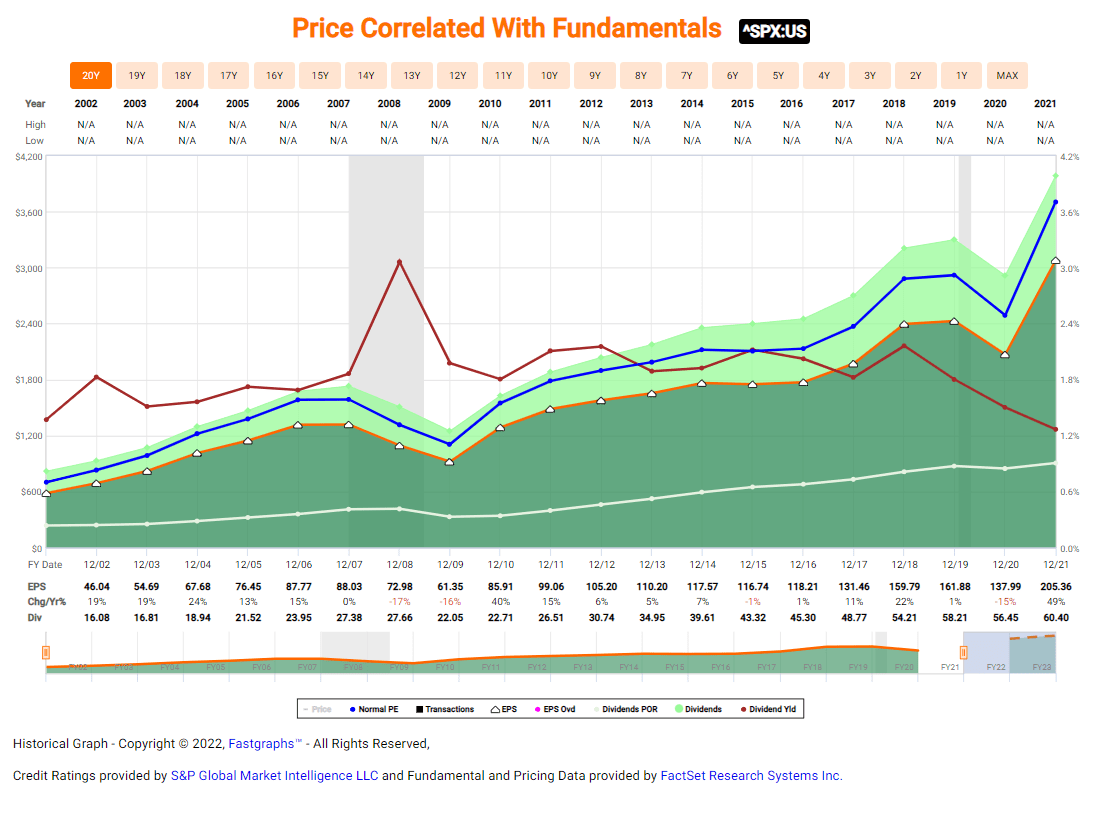
To understand the dividend profile of VOO, one must first understand what the fund represents. VOO tracks the S&P 500 Index, a market-capitalization-weighted index of 500 leading U.S. companies. Because the index includes a diverse array of sectors—from technology and healthcare to consumer staples and utilities—the dividend yield of VOO is essentially a reflection of the collective payout health of corporate America.
The Mechanism of ETF Dividends
Unlike a single stock where the board of directors decides on a specific dividend amount, an ETF like VOO collects dividends from all the individual companies within its portfolio. For example, when Apple, Microsoft, ExxonMobil, and Johnson & Johnson pay out their quarterly dividends, Vanguard collects these payments. After accounting for the fund’s extremely low operating expenses—currently sitting at an industry-leading 0.03%—Vanguard distributes the remaining cash to VOO shareholders.
Dividend Yield vs. Dividend Amount
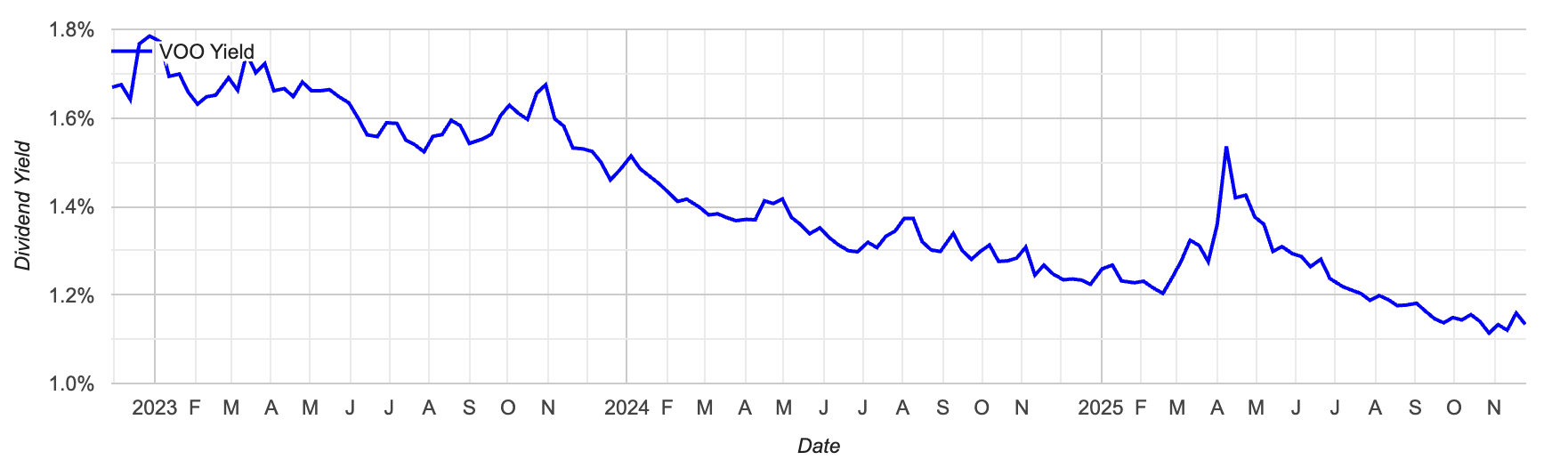
When researching how much VOO pays, you will encounter two primary figures: the dividend yield and the distribution amount per share. The dividend yield is a percentage that represents the annual dividend income relative to the current share price. Historically, VOO’s dividend yield has typically fluctuated between 1.3% and 2.0%, depending on market conditions. The distribution amount, on the other hand, is the actual dollar value paid out per share, which tends to grow over time as the underlying companies increase their earnings and payouts.
Historical Performance and Current Payout Metrics
Investors often look to historical data to gauge future expectations. While past performance is never a guarantee of future results, VOO’s dividend history provides a clear picture of its reliability as an income-generating asset.
Current Yield Expectations
In the current economic climate, VOO generally offers a yield in the range of 1.3% to 1.6%. While this may seem modest compared to high-yield savings accounts or corporate bonds, it is important to remember that this yield comes alongside the potential for significant share price appreciation. For instance, if VOO is trading at $450 per share, an annual yield of 1.5% would result in approximately $6.75 in dividends per share over the course of the year.
The Quarterly Payment Schedule
VOO pays its dividends on a quarterly basis. For investors who rely on their portfolios for cash flow, knowing the schedule is vital. Traditionally, VOO’s “Ex-Dividend” dates and “Payable” dates fall in the final month of each quarter:
-
March: Late March distribution.
-
June: Late June distribution.
-
September: Late September distribution.
-
December: Late December distribution (often the largest payout of the year).
This predictable cadence allows investors to plan their income needs or schedule their reinvestment strategies with precision.
Dividend Growth Over Time
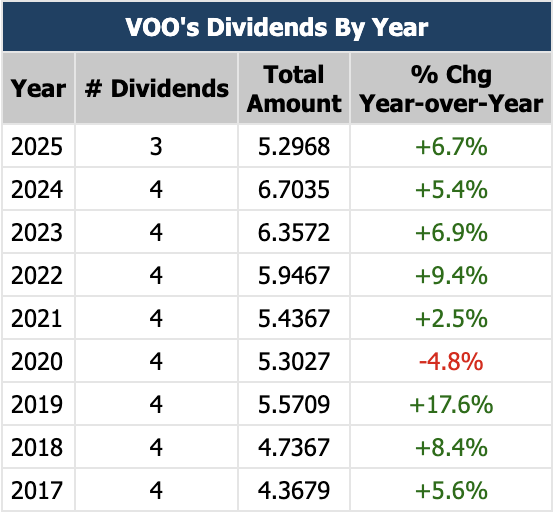
One of the most compelling reasons to hold VOO for the long term is dividend growth. Over the last decade, the total dollar amount paid out by S&P 500 companies has generally trended upward. As companies like those in the technology sector—which historically prioritized growth over dividends—begin to mature and initiate payouts, the “yield on cost” for long-term VOO holders can become quite substantial. An investor who purchased VOO ten years ago might see an effective yield on their original investment that far exceeds the current market yield.
Factors Influencing VOO’s Dividend Distributions
The amount of money VOO distributes is not arbitrary; it is governed by several macroeconomic and corporate factors. Understanding these variables helps investors manage their expectations during different market cycles.
Corporate Earnings and Payout Ratios
The primary driver of VOO’s dividend is the profitability of its 500 constituent companies. When corporate earnings are strong, companies have more “free cash flow” to return to shareholders. Conversely, during a recession, some companies may freeze or cut their dividends to preserve capital. However, because VOO is diversified across 500 companies, a dividend cut in one sector (like Energy) is often offset by stability or growth in another (like Healthcare or Tech).
The Influence of Mega-Cap Tech
The S&P 500 is currently heavily weighted toward “Mega-Cap” technology stocks. Historically, companies like Amazon or Alphabet (Google) did not pay dividends, opting instead to reinvest all profits back into the business. Because these companies make up a large percentage of VOO’s total value, their lack of dividends historically kept VOO’s overall yield lower than more traditional value-oriented funds. However, the landscape is shifting; as these giants mature, many have started initiating dividends, which provides a new tailwind for VOO’s income potential.
Interest Rates and Inflation
Macroeconomic factors also play a role. In a high-interest-rate environment, companies may face higher debt-servicing costs, which can limit the capital available for dividends. However, many of the blue-chip companies within VOO possess strong “pricing power,” allowing them to pass on inflationary costs to consumers and maintain the profit margins necessary to sustain and grow their dividend payments.
Maximizing Returns: Dividend Reinvestment and Tax Strategy
For the serious investor, receiving the dividend is only the first step. How you handle that dividend can make a multi-million dollar difference over a 30-year investing horizon.
The Power of DRIP (Dividend Reinvestment Plan)
Most brokerage platforms allow you to enroll in a Dividend Reinvestment Plan (DRIP). Instead of receiving your VOO dividend as cash in your brokerage account, the funds are automatically used to purchase more shares (or fractional shares) of VOO. This creates a powerful compounding effect. By reinvesting dividends, you are essentially “buying the dip” or adding to your position regardless of market price, which accelerates the growth of your share count over time.
Tax Treatment: Qualified vs. Non-Qualified
In the United States, most dividends paid by VOO are considered “qualified dividends.” This is a significant advantage for investors in taxable brokerage accounts. Qualified dividends are taxed at the long-term capital gains rate (0%, 15%, or 20% depending on income), which is typically much lower than the standard income tax rate applied to interest from bonds or short-term capital gains. This makes VOO a highly tax-efficient vehicle for building wealth.
VOO in Tax-Advantaged Accounts
While VOO is tax-efficient in a standard brokerage account, it is also a staple in Roth IRAs and 401(k)s. In a Roth IRA, your dividends grow and can be reinvested entirely tax-free. For a young investor, the ability to collect and compound VOO dividends for decades without a “tax drag” is one of the most effective ways to reach financial independence.
VOO vs. Dedicated Dividend ETFs: Which is Right for You?
When asking “how much dividend does VOO pay,” many investors are trying to decide if VOO is the best choice for income or if they should look toward specialized dividend funds.
VOO vs. High-Yield Funds (e.g., VYM or SCHD)
Funds like the Vanguard High Dividend Yield ETF (VYM) or the Schwab US Dividend Equity ETF (SCHD) specifically target companies with higher-than-average payouts. These funds often yield between 2.5% and 3.5%, significantly higher than VOO. However, the trade-off is often lower exposure to high-growth sectors like Technology.
If your primary goal is current income (e.g., you are currently in retirement), a higher-yielding fund might be appropriate. However, for investors in the “accumulation phase,” VOO often provides a better balance of dividend income and capital appreciation. The “Total Return”—which combines share price growth and dividends—of VOO has historically outperformed many high-yield-only strategies over long periods.
The Role of Total Return
It is a common psychological trap to focus solely on the dividend yield. However, a 4% yield on a stock that doesn’t grow in price is often less valuable than a 1.5% yield on a fund like VOO that appreciates significantly. When evaluating VOO’s dividend, always look at it through the lens of total return. The dividend provides the “floor” for your returns, while the S&P 500’s growth provides the “ceiling.”
Conclusion: The Strategic Value of VOO’s Dividend
While VOO may not be marketed as a “dividend fund,” its role as a reliable income producer should not be overlooked. By paying out the collective earnings of the 500 most successful companies in the U.S., VOO provides a quarterly “paycheck” that has historically grown alongside the American economy.
Whether you are a retiree looking for qualified dividend income to fund your lifestyle or a young professional using a DRIP to compound your way to wealth, VOO’s dividend is a critical component of its value proposition. It offers the perfect middle ground: a yield that beats a standard checking account, tax efficiency that beats interest-bearing assets, and the growth potential of the world’s most dominant equity market. Understanding the “how much” and “how often” of VOO dividends is the first step in leveraging this powerful financial tool to meet your long-term investing goals.
aViewFromTheCave is a participant in the Amazon Services LLC Associates Program, an affiliate advertising program designed to provide a means for sites to earn advertising fees by advertising and linking to Amazon.com. Amazon, the Amazon logo, AmazonSupply, and the AmazonSupply logo are trademarks of Amazon.com, Inc. or its affiliates. As an Amazon Associate we earn affiliate commissions from qualifying purchases.