
Embarking on the journey of stock market investing can feel like navigating a complex labyrinth. For many, the initial hurdle isn’t just how to invest, but where to even begin. The stock market, often perceived as an exclusive club for the wealthy or finance gurus, is in reality a vast ecosystem accessible to nearly anyone willing to learn and commit. It’s a powerful engine for wealth creation, offering individuals the chance to grow their capital over time, hedge against inflation, and participate in the success of leading companies worldwide.
This guide aims to demystify the process, providing a comprehensive roadmap for both novice and aspiring investors. We’ll explore the various avenues available, from the types of investment vehicles to the platforms that facilitate your market entry, all while emphasizing strategic planning and informed decision-making. Investing in the stock market isn’t just about picking winning stocks; it’s about building a robust financial future through disciplined action and a clear understanding of your goals.
Understanding the Landscape: Types of Investment Vehicles
Before you choose where to invest, it’s crucial to understand what you can invest in. The stock market offers a diverse array of instruments, each with unique characteristics regarding risk, return potential, and diversification.
Stocks: Ownership in Public Companies
When you buy a stock, you’re purchasing a small piece of ownership in a publicly traded company. This ownership stake, known as equity, gives you a claim on the company’s assets and earnings.
-
Individual Stocks: This involves selecting specific companies you believe will perform well. It requires thorough research into a company’s financials, industry outlook, and management. While individual stocks offer the potential for high returns, they also carry higher risk, as the performance of your portfolio is tied directly to the success or failure of a few chosen entities. Investors often categorize stocks as “growth stocks” (companies expected to grow earnings and revenue at a faster rate than the market average) or “value stocks” (companies that appear to be undervalued by the market).
-
Risks & Rewards: High potential for capital appreciation, but also high volatility and company-specific risk.
Exchange-Traded Funds (ETFs): Diversification in a Single Ticker
ETFs are collections of various investments—stocks, bonds, commodities—that trade like individual stocks on an exchange. They are popular for their simplicity and built-in diversification.
-
Index ETFs: The most common type, these track a specific market index, such as the S&P 500 or the NASDAQ 100. By investing in an S&P 500 ETF, for instance, you’re effectively owning a small piece of 500 large U.S. companies, instantly diversifying your portfolio across a broad market segment.
-
Sector-Specific ETFs: These focus on particular industries (e.g., technology, healthcare, clean energy) or geographical regions.
-
Benefits: Low expense ratios, instant diversification, liquidity (can be traded throughout the day).
Mutual Funds: Professionally Managed Portfolios
Similar to ETFs, mutual funds pool money from multiple investors to buy a diversified portfolio of securities. The key difference is how they are managed and traded.
-
Actively Managed vs. Passively Managed: Actively managed funds have fund managers who make investment decisions with the goal of outperforming the market. Passively managed funds (often called index funds) aim to replicate the performance of a specific index. Actively managed funds typically have higher expense ratios due to management fees.
-
Trading: Mutual funds are priced once a day after the market closes, meaning you cannot trade them throughout the day like stocks or ETFs.
-
Suitability: Good for investors who prefer professional management and broad diversification without the need for day-to-day trading.
Bonds: Lending to Governments and Corporations
Bonds represent a loan made by an investor to a borrower (typically a corporation or government). In return, the borrower promises to pay regular interest payments over a set period and return the principal amount at maturity.
-
Fixed Income: Bonds are generally considered less volatile than stocks and provide a predictable income stream, making them a cornerstone of conservative portfolios or for investors seeking stability.
-
Role in a Portfolio: Often used to balance the risk of stocks, providing stability and income.
Choosing Your Investment Platform: Brokerage Accounts Explained
Once you know what you want to invest in, the next step is to choose where you’ll open an account to buy and sell these securities. These platforms are generally known as brokerage accounts, and they come in various forms to suit different investor needs and preferences.
Online Discount Brokers: DIY Investing
These platforms are ideal for self-directed investors who prefer to manage their own portfolios. They offer a wide range of investment options, robust trading tools, and often boast commission-free trading for stocks and ETFs.
-
Key Features: User-friendly interfaces, educational resources, research tools, mobile trading apps.
-
Examples: Charles Schwab, Fidelity, Vanguard, E*TRADE, Interactive Brokers, Robinhood.
-
Who It’s For: Investors comfortable with making their own investment decisions, those looking for low costs, and those who want full control over their portfolio.
Robo-Advisors: Automated Portfolio Management
Robo-advisors use algorithms to build and manage diversified portfolios based on your financial goals, risk tolerance, and time horizon. They offer a low-cost, hands-off approach to investing.
-
Process: You answer a series of questions about your financial situation and goals, and the robo-advisor then recommends and manages a portfolio, often consisting of low-cost ETFs. They typically rebalance your portfolio automatically.
-
Key Benefits: Low fees, automated rebalancing, portfolio diversification, ease of use for beginners.
-
Examples: Betterment, Wealthfront, Fidelity Go, Vanguard Digital Advisor.
-
Who It’s For: New investors, those with limited time, or individuals who prefer a passive, automated approach to investing.
Full-Service Brokers: Personalized Guidance and Research
Full-service brokers provide a comprehensive suite of services, including personalized financial planning, investment advice, tax planning, and estate planning. They offer a human touch and tailored strategies.
-
Higher Fees: Due to the extensive services and personalized advice, full-service brokers charge higher fees, often as a percentage of assets under management or through commissions.
-
Key Benefits: Expert guidance, customized strategies, access to exclusive investment products, peace of mind.
-
Who It’s For: High-net-worth individuals, those with complex financial situations, or investors who prefer hands-on, personalized advice and don’t mind paying for it.
Retirement Accounts (401(k)s, IRAs): Tax-Advantaged Investing
These are special types of investment accounts designed to encourage saving for retirement by offering significant tax benefits.
-
401(k)s: Employer-sponsored plans where contributions are often matched by the employer, offering pre-tax contributions and tax-deferred growth. Investment options are typically limited to a selection of mutual funds or ETFs chosen by the plan administrator.
-
Individual Retirement Accounts (IRAs): Individual accounts you can open independently.
-
Traditional IRA: Contributions may be tax-deductible, and earnings grow tax-deferred until retirement.
-
Roth IRA: Contributions are made with after-tax dollars, but qualified withdrawals in retirement are tax-free.
-
-
Why They’re Important: They are often the first “where” for many investors due to their tax advantages and employer contributions (for 401(k)s).
-
Who It’s For: Anyone saving for retirement, particularly those looking to maximize tax efficiencies.
Crafting Your Investment Strategy: Key Considerations
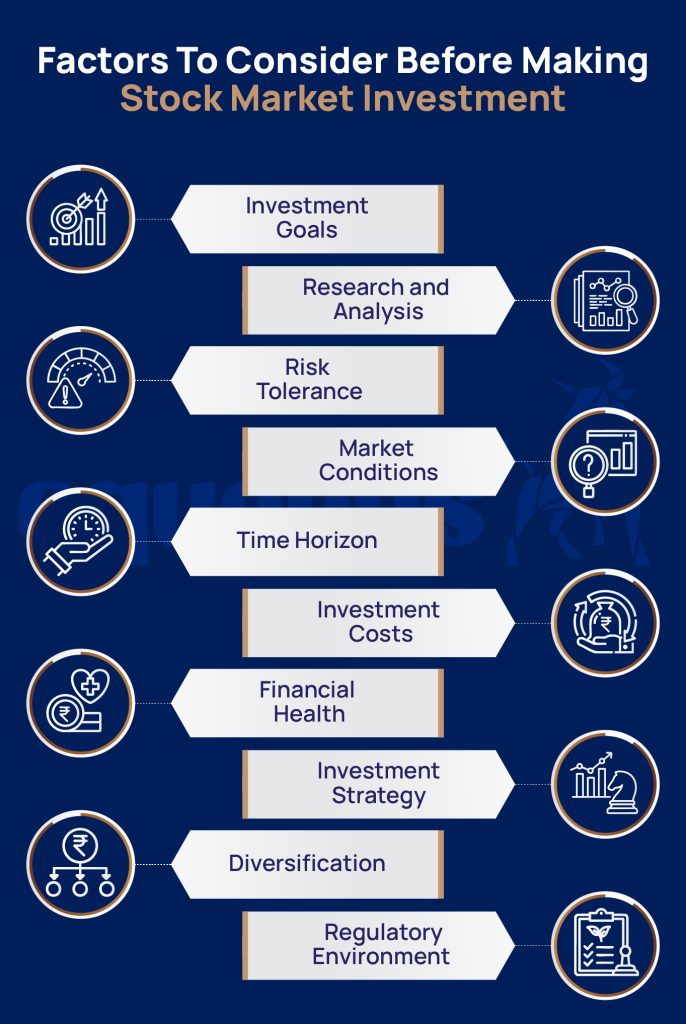
Once you’ve selected your platform, the “where” transitions to “how” you’ll approach your investments. A well-defined strategy is the cornerstone of successful investing.
Defining Your Financial Goals and Time Horizon
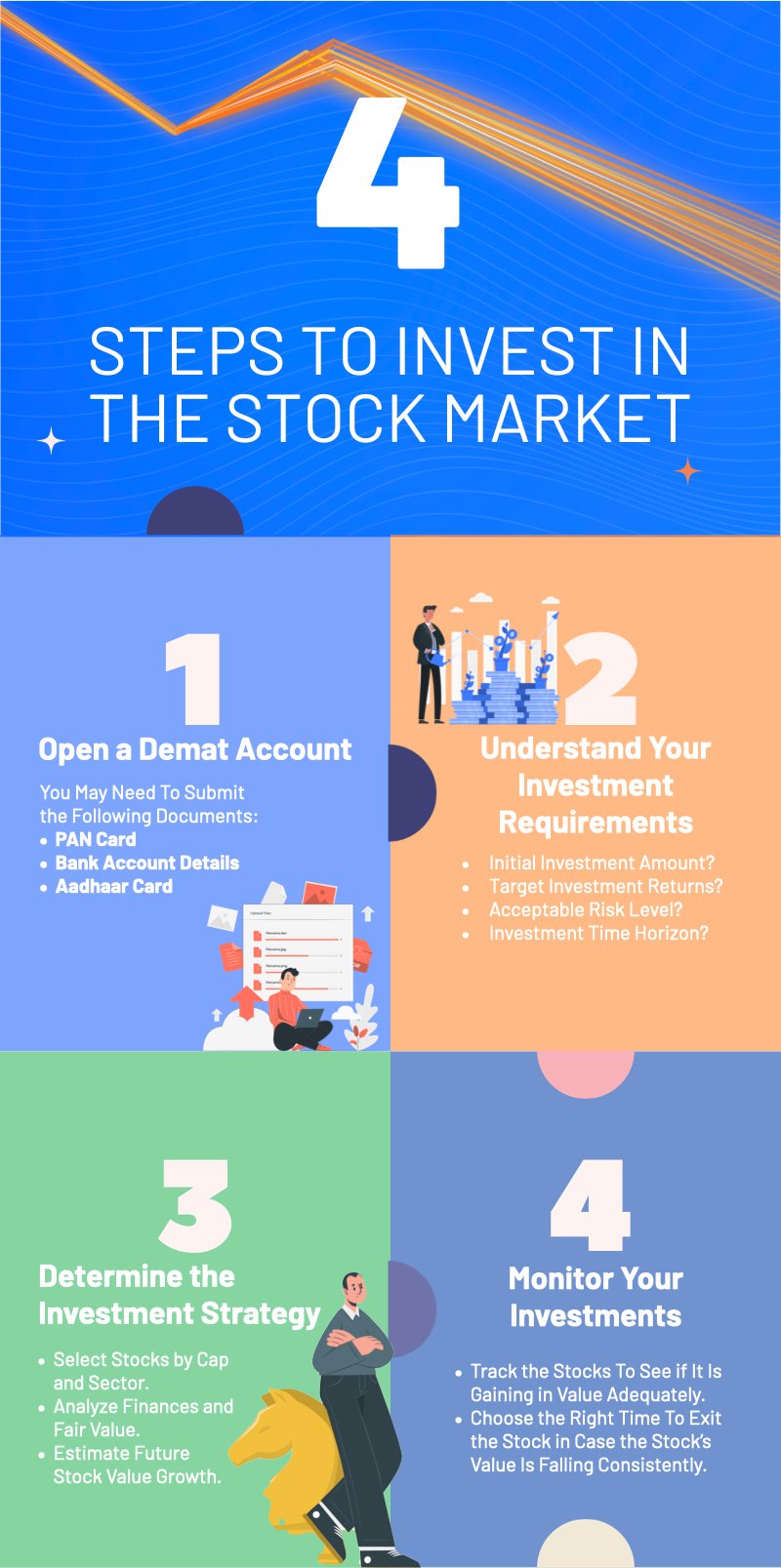
Before deploying any capital, clearly articulate what you’re saving for (e.g., retirement, a down payment, child’s education) and when you’ll need the money.
-
Short-term goals (under 5 years): Generally favor lower-risk investments like bonds or high-yield savings accounts.
-
Long-term goals (5+ years): Can accommodate higher-risk, higher-reward investments like stocks, as there’s more time to recover from market fluctuations.
Assessing Your Risk Tolerance
Understanding how much risk you’re comfortable taking is paramount. Your risk tolerance is influenced by your age, income stability, time horizon, and personal disposition.
-
Aggressive Investors: Comfortable with high volatility for potentially higher returns.
-
Moderate Investors: Seek a balance between growth and capital preservation.
-
Conservative Investors: Prioritize capital preservation and income over aggressive growth.
Your risk tolerance should guide your asset allocation—the mix of stocks, bonds, and other assets in your portfolio.
The Power of Diversification
“Don’t put all your eggs in one basket” is the mantra of diversification. Spreading your investments across different asset classes, industries, and geographies reduces the impact of any single underperforming asset.
-
Asset Allocation: A common strategy involves a mix of stocks (for growth) and bonds (for stability and income).
-
Industry Diversification: Don’t just invest in tech; consider healthcare, consumer goods, finance, etc.
-
Geographic Diversification: Look beyond your home country to international markets.
Dollar-Cost Averaging: Mitigating Volatility
This strategy involves investing a fixed amount of money at regular intervals, regardless of market fluctuations. When prices are high, your fixed amount buys fewer shares; when prices are low, it buys more.
-
Benefit: Reduces the risk of investing a large sum at a market peak, averages out your purchase price over time, and removes emotional decision-making.
-
Implementation: Set up automatic transfers from your bank account to your investment account.
Long-Term vs. Short-Term Approaches
While the stock market can be exciting, most investors benefit significantly from a long-term perspective.
-
Buy and Hold: A strategy where investors purchase securities and hold onto them for an extended period, often years or decades, to benefit from long-term growth and compounding. This is generally recommended for most retail investors.
-
Active Trading (Day Trading, Swing Trading): Involves frequent buying and selling to capitalize on short-term price movements. This is highly risky, requires significant knowledge, time, and capital, and is generally not recommended for beginners.
Essential Steps Before You Begin Investing
Before you even open a brokerage account, a few preliminary steps can ensure your investment journey starts on solid ground.
Building an Emergency Fund
Always have 3-6 months’ worth of living expenses saved in an easily accessible, liquid account (like a high-yield savings account) before you start investing. This fund acts as a financial safety net, preventing you from needing to sell investments during a market downturn for unexpected expenses.
Understanding Investment Fees and Costs
Fees can significantly erode your returns over time. Be aware of:
-
Expense Ratios: Annual fees charged by mutual funds and ETFs as a percentage of your investment.
-
Trading Commissions: Fees charged by brokers for buying or selling securities (though many online brokers now offer commission-free stock and ETF trades).
-
Advisory Fees: Charged by robo-advisors or full-service brokers for managing your portfolio.
Opt for low-cost options whenever possible.
Conducting Due Diligence and Research
Even if you use a robo-advisor, understanding what you’re investing in is empowering. For individual stocks, research a company’s financial statements, management team, competitive landscape, and future prospects. For funds, understand their holdings, expense ratios, and historical performance.
Starting Small and Learning Continuously
You don’t need a fortune to start. Many platforms allow you to begin with just a few dollars, especially with fractional shares. Start small, gain experience, and continuously educate yourself about market dynamics, economic indicators, and investment strategies. The financial world is dynamic, and continuous learning is key to sustained success.
Navigating Common Pitfalls and Staying Informed
The path to successful investing is rarely linear. Understanding common pitfalls and maintaining a disciplined approach can save you from costly mistakes.
Avoiding Emotional Decisions and Market Timing
One of the biggest threats to investment returns is emotional decision-making. Panicking during market downturns and selling at a loss, or chasing hot stocks during euphoric upturns, often leads to suboptimal results. Stick to your long-term plan, focus on your goals, and resist the urge to react to every market fluctuation. Trying to “time the market” (buying at the bottom and selling at the top) is notoriously difficult, even for professionals.
The Importance of Regular Portfolio Review
While a long-term strategy is crucial, it doesn’t mean setting it and forgetting it entirely. Periodically review your portfolio (annually or semi-annually) to ensure it still aligns with your financial goals, risk tolerance, and time horizon. You may need to “rebalance” your portfolio, selling some assets that have grown significantly and buying more of those that have lagged, to bring your asset allocation back to your target.
Staying Informed, Not Overwhelmed
Keep abreast of major economic news and financial trends, but avoid getting bogged down by daily market noise. Focus on reputable financial news sources and educational content that provides insights rather than sensationalism. A well-informed investor is better equipped to make rational decisions, but an overwhelmed investor is prone to paralysis or impulsive actions.
In conclusion, investing in the stock market is a powerful tool for building wealth, but it requires understanding, patience, and a well-defined strategy. By choosing the right investment vehicles and platforms, defining your goals, managing your risk, and committing to a long-term, disciplined approach, you can confidently navigate the market and work towards achieving your financial aspirations. The journey begins with that first informed step.
aViewFromTheCave is a participant in the Amazon Services LLC Associates Program, an affiliate advertising program designed to provide a means for sites to earn advertising fees by advertising and linking to Amazon.com. Amazon, the Amazon logo, AmazonSupply, and the AmazonSupply logo are trademarks of Amazon.com, Inc. or its affiliates. As an Amazon Associate we earn affiliate commissions from qualifying purchases.