
To understand the modern landscape of personal finance, corporate regulation, and the global banking system, one must look back at the transformative period known as the Progressive Era. Spanning roughly from the 1890s to the 1920s, this era was defined by a frantic push to address the social and economic inequities triggered by the Industrial Revolution. When we ask “which of the following was a progressive era reform,” we aren’t just looking at a list of historical dates; we are identifying the very pillars upon which our current financial security and market transparency are built.

From the establishment of the Federal Reserve to the ratification of the 16th Amendment, the fiscal reforms of this period moved the United States away from a chaotic, “wild west” style of capitalism toward a structured system that protects investors and consumers alike. For the modern entrepreneur or investor, these reforms are the foundational rules of the game.
The Federal Reserve Act: The Architect of Modern Monetary Policy
One of the most significant progressive era reforms was the passage of the Federal Reserve Act of 1913. Before this landmark legislation, the American economy was plagued by frequent “panics”—cycles of boom and bust that would see banks collapse overnight, wiping out the life savings of entire communities. There was no central authority to manage the money supply or provide liquidity during a crisis.
Stabilizing the Investment Landscape
For the modern investor, the Federal Reserve is the single most influential entity in the financial world. By establishing a central bank, the Progressive Era introduced the concept of monetary policy. The “Fed” was given the power to issue currency and, more importantly, to act as a lender of last resort. This stability is what allows the S&P 500 and other major indices to function with a degree of predictability over the long term. Without the Fed’s ability to manipulate interest rates to curb inflation or stimulate growth, the volatility of the stock market would likely be too extreme for the average retail investor to manage.
Impact on Personal Finance and Lending
The influence of this reform extends directly into your wallet. Every time you check the interest rate on a high-yield savings account or apply for a mortgage, you are feeling the ripple effects of the Federal Reserve Act. By managing the federal funds rate, the Fed dictates the “cost of money.” In a high-interest environment, your savings grow faster, but your borrowing costs increase. In a low-interest environment, the reverse is true. Understanding this historical reform is essential for anyone looking to optimize their debt-to-income ratio or time their entry into the real estate market.
The 16th Amendment and the Birth of Modern Tax Strategy
If you have ever contributed to a 401(k), utilized a Roth IRA, or researched “tax-loss harvesting,” you are engaging with a financial ecosystem that began with the 16th Amendment. Ratified in 1913, this amendment gave Congress the power to lay and collect taxes on incomes, from whatever source derived. While the word “tax” often carries a negative connotation, this reform shifted the burden of government funding away from regressive tariffs and onto a progressive income tax system.
The Evolution of Wealth Management
The introduction of the federal income tax fundamentally changed the way individuals build wealth. It created a permanent need for financial planning. In the pre-Progressive Era, your net worth was simply what you owned. In the post-reform world, your net worth is what you own after the government takes its share. This necessitated the rise of the accounting profession and the development of sophisticated investment vehicles designed to minimize tax liability.
Leveraging Tax-Advantaged Accounts
The modern financial toolkit—including IRAs, HSAs, and 529 plans—exists because the 16th Amendment made income tax a permanent reality. For those looking to maximize their online income or side hustle earnings, understanding the tax code is the difference between surviving and thriving. Progressive Era reforms introduced the concept of “brackets,” which means that as your business grows, your strategy must evolve. The goal is no longer just to earn money, but to earn it in the most tax-efficient manner possible, a direct legacy of this constitutional shift.

Antitrust Legislation: Safeguarding the Competitive Market
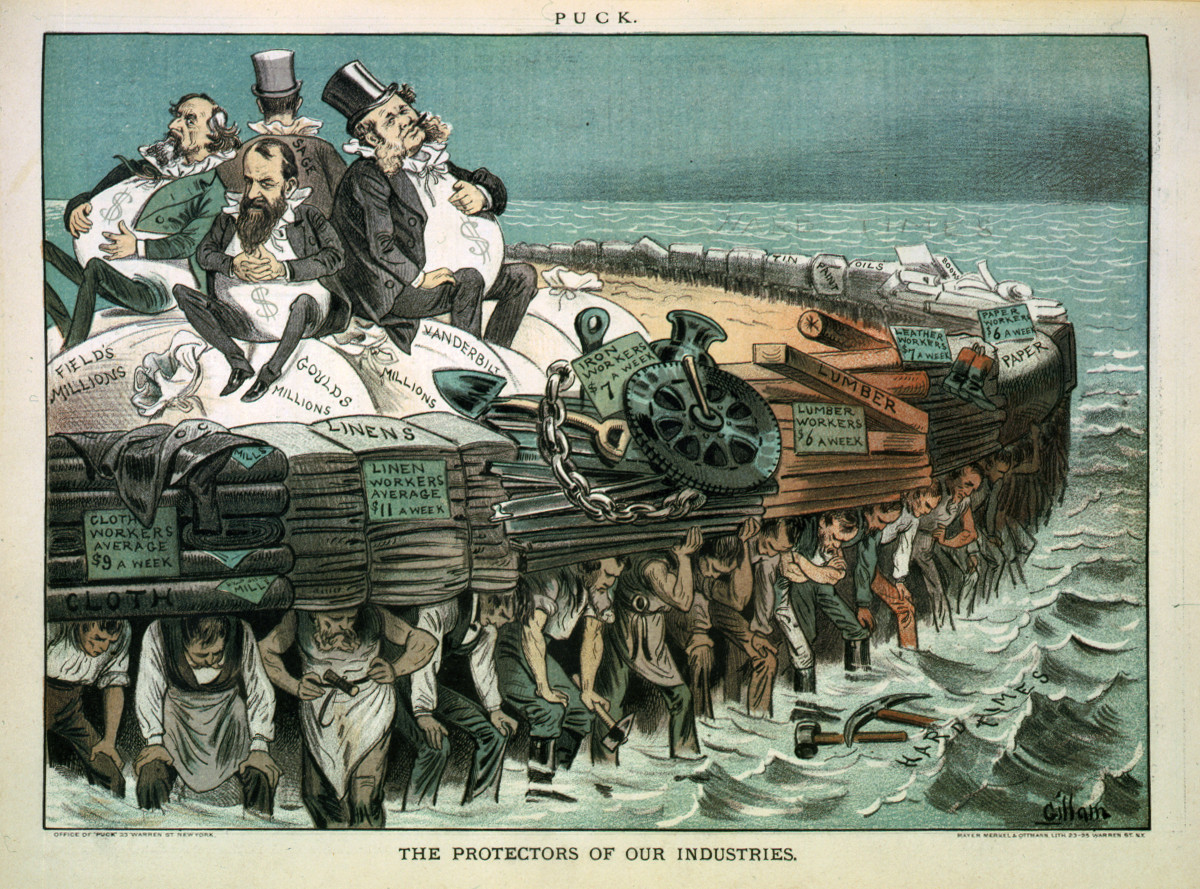
In the late 19th century, “robber barons” controlled vast monopolies in steel, oil, and railroads, stifling competition and dictating prices. A core Progressive Era reform was the strengthening of antitrust laws, most notably through the Clayton Antitrust Act of 1914 and the creation of the Federal Trade Commission (FTC). These reforms were designed to ensure that the “little guy”—the small business owner and the individual consumer—had a fair shot in the marketplace.
Protecting the Small Business and Side Hustler
In today’s digital economy, the spirit of antitrust reform is more relevant than ever. Whether it is the regulation of “Big Tech” or the prevention of price-fixing, these laws ensure that a new startup can enter the market without being immediately crushed by a dominant incumbent. For those starting an online business or a side hustle, antitrust protections are the reason you have access to various platforms, payment processors, and advertising networks at competitive rates. Without these reforms, the barriers to entry for new entrepreneurs would be nearly insurmountable.
The Investor’s Perspective on Diversification
From an investment standpoint, antitrust laws prevent the economy from becoming top-heavy. By breaking up monopolies (like the famous case of Standard Oil), the Progressive Era encouraged a more diversified corporate landscape. For the modern portfolio, this means a wider array of companies to invest in across various sectors. Diversification is the primary defense against market risk, and it is a strategy that only works in a regulated, competitive environment where no single entity can control the entire flow of capital.
Labor Reforms and the Development of Human Capital
The Progressive Era was also characterized by a massive shift in labor rights, including the push for the eight-hour workday, the end of child labor, and the establishment of workers’ compensation. While these are often viewed through a social lens, their impact on the “Money” niche is profound. These reforms transformed the American workforce from a fungible commodity into “human capital.”
The 40-Hour Workweek and the Gig Economy
The establishment of a standardized workweek created something that had never existed for the working class: discretionary time. This time is the bedrock of the modern side hustle and online income revolution. Because individuals were no longer required to work 12-to-16-hour shifts just to survive, they gained the capacity to pursue education, invest in personal branding, and develop secondary income streams. The “hustle culture” we see today is a direct descendant of the labor protections that freed up the average person’s schedule.
Workers’ Compensation and Financial Security
Before the Progressive Era, a workplace injury meant immediate financial ruin for a family. The introduction of workers’ compensation laws provided a safety net, which was one of the earliest forms of mandatory insurance in the United States. In modern personal finance, insurance is a cornerstone of any robust financial plan. Whether it is disability insurance, life insurance, or liability coverage for your business, the concept of mitigating personal financial risk through institutionalized protections began with these labor reforms.
Applying Progressive Principles to Modern Wealth Building
When we answer the question of “which of the following was a progressive era reform,” we see a pattern of moving from exploitation to regulation. This historical context provides a roadmap for modern financial success. The most successful investors and business owners are those who understand how to navigate the systems of taxation, regulation, and central banking that were put in place over a century ago.
Navigating the Regulated Economy
To thrive today, one must embrace the “Progressive” mindset of transparency and long-term stability. This means:
-
Strict Financial Literacy: Understanding the Fed’s signals to make informed decisions on loans and assets.
-
Aggressive Tax Planning: Using the legal frameworks of the 16th Amendment to shield your growing wealth.
-
Market Awareness: Recognizing that antitrust and consumer protection laws (like the Pure Food and Drug Act, another Progressive Era win) create a “floor” of safety for the products we buy and the stocks we trade.
The Progressive Era didn’t just change the laws; it changed the way we think about value, risk, and the role of the individual in a massive industrial economy. By studying these reforms, we gain the insight necessary to manage our personal finances with the precision and foresight required in the 21st century. The era taught us that for a market to be truly free, it must be fair—and for an individual to be truly wealthy, they must be protected by a system that values stability over chaos.
aViewFromTheCave is a participant in the Amazon Services LLC Associates Program, an affiliate advertising program designed to provide a means for sites to earn advertising fees by advertising and linking to Amazon.com. Amazon, the Amazon logo, AmazonSupply, and the AmazonSupply logo are trademarks of Amazon.com, Inc. or its affiliates. As an Amazon Associate we earn affiliate commissions from qualifying purchases.