
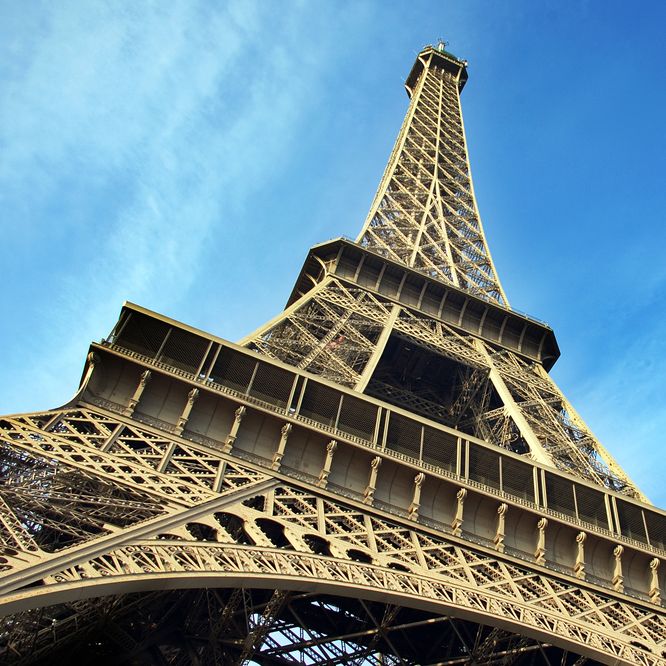
The Eiffel Tower, standing majestically over the Parisian skyline, is more than just an architectural marvel; it is one of the world’s most enduring and successful examples of national branding. Conceived for a specific purpose, its enduring presence and universal recognition speak volumes about the power of strategic design, robust messaging, and the creation of an indelible identity. To understand “what it was built for” is to delve into a masterclass of brand strategy, illustrating how a physical structure can transcend its materials to become a potent symbol of innovation, culture, and national pride.

A Centennial Symbol: Branding a Nation’s Triumph
The true genesis of the Eiffel Tower lies in France’s ambition to host the 1889 Exposition Universelle (World’s Fair), an event designed to celebrate the centennial of the French Revolution. This was not merely a local exhibition; it was a global stage upon which nations displayed their technological prowess, artistic achievements, and cultural heritage. For France, it was an opportunity to reassert its position as a leading global power, to heal the scars of past conflicts, and to project an image of progress and resurgence. The tower was to be the centerpiece of this grand narrative, a physical manifestation of France’s brand identity on the international stage.
The Grand Stage of the Exposition Universelle
World’s Fairs of the 19th century were the ultimate brand showcases for nations. They were colossal marketing events, drawing millions of visitors and significant international attention. For the 1889 Exposition, France sought to outshine its predecessors and competitors. The centennial of the French Revolution, a pivotal moment in global history, provided an ideal narrative hook. The tower was envisioned as a beacon, a landmark that would draw visitors to Paris and serve as an unforgettable emblem of the fair itself. Its primary function was to create buzz, generate excitement, and solidify the perception of Paris as the cultural and technological capital of the world. This audacious project was a direct investment in the nation’s “brand equity,” designed to yield dividends in prestige, tourism, and diplomatic influence.
Showcasing Industrial Might and Artistic Vision
Gustave Eiffel’s design was selected from over 100 proposals, not just for its engineering brilliance, but for its striking visual impact and its symbolic resonance. At a time when steel and iron were transforming industries, the tower was an unprecedented demonstration of what was possible with these materials. It was a testament to French metallurgy, engineering, and construction capabilities. By building the tallest structure in the world, France effectively communicated its industrial leadership and innovative spirit. The tower was also an artistic statement, albeit one that initially polarized opinion. Its intricate latticework and soaring height merged functionality with a daring aesthetic, blending the practicalities of engineering with a form that captured the imagination. This fusion of utility and beauty was key to its branding success, positioning France as a nation that valued both progress and culture.
Overcoming Skepticism: The Power of Bold Design
The journey to erecting the Eiffel Tower was fraught with challenges, not least of which was intense public and artistic opposition. Critics derided it as a “monstrous skeleton,” an eyesore that would defile the elegant Parisian skyline. This early resistance highlights a common challenge in brand innovation: pushing boundaries often invites skepticism. However, Eiffel and the French authorities stood firm, recognizing the strategic value of the project’s boldness. The very controversy surrounding its design inadvertently amplified its public profile even before its completion. Its sheer scale and unique aesthetic ensured it would be unforgettable, transforming initial resistance into widespread fascination. The tower’s ability to transcend its detractors and become a beloved icon underscores the power of a truly distinctive and visionary brand design.
The Iron Lady’s Enduring Legacy: From Temporary Attraction to Global Icon
Originally intended to be dismantled after 20 years, the Eiffel Tower’s immediate and overwhelming success transformed its destiny. It quickly moved beyond its temporary exposition role to become a permanent fixture, solidifying its status as an iconic brand ambassador for Paris and France. This evolution from a transient exhibit to a timeless symbol offers valuable lessons in crafting an enduring brand identity.
The Strategic Imperative for a Lasting Impression
The decision to retain the Eiffel Tower was a pragmatic one, driven by its immense popularity and utility. Its height proved invaluable for scientific experiments, particularly in meteorology and telecommunications. However, its continued existence was primarily fueled by its growing cultural significance and its magnetic appeal to tourists. It had captured the public imagination in a way few structures ever do. This demonstrated a crucial aspect of successful branding: creating an experience and an identity so compelling that it transcends its original purpose and becomes indispensable. The tower became synonymous with Paris itself, a visual shorthand for romance, elegance, and French savoir-faire – a powerful brand association that persists to this day.
Crafting a Universal Visual Identity
The silhouette of the Eiffel Tower is instantly recognizable across the globe, a testament to its powerful visual identity. Its distinctive shape, combined with its historical context, evokes a specific set of emotions and associations: wonder, history, romance, and French culture. This universal recognition is the hallmark of a truly successful brand. Like a corporate logo, the Eiffel Tower’s image communicates its essence without the need for words. It is featured in countless advertisements, films, and works of art, further reinforcing its omnipresence and cultural cachet. This pervasive visual identity makes it an invaluable asset for France, serving as an automatic signifier of quality, sophistication, and timeless appeal.
Beyond Tourism: A Multifaceted Brand Ambassador
While undeniably a massive tourist draw, the Eiffel Tower’s brand influence extends far beyond mere visitor numbers. It serves as a diplomatic tool, a backdrop for international events, and a symbol of solidarity and aspiration. When Paris hosts major sporting events or global conferences, the tower is prominently featured, lending its prestige to the occasion. Its image is used to promote French goods, culture, and even diplomatic initiatives. In essence, the Eiffel Tower operates as a sophisticated, multifaceted brand ambassador, continually reinforcing a positive perception of France on the world stage. It’s a living, breathing case study in how a national landmark can actively contribute to a country’s soft power and global influence.

Architectural Branding: Principles of Iconic Design
The design of the Eiffel Tower offers profound insights into what makes a brand visually iconic and enduring. It’s not just about aesthetics; it’s about strategic choices in form, scale, and narrative that imbue a structure with symbolic meaning and memorability.
Uniqueness and Memorability as Brand Pillars
One of the foundational principles of effective branding is uniqueness, and the Eiffel Tower embodies this perfectly. Its latticework structure was unlike anything seen before at such a scale. This distinctiveness ensured it would not be forgotten. Memorability is often tied to uniqueness; the more singular a design, the easier it is to recall and differentiate. Gustave Eiffel’s vision created a structure that immediately stood out from traditional architectural forms, carving out its own distinct identity. This lesson is critical for any brand striving for market recognition: true differentiation, not just incremental improvement, is often the key to lasting impact.
The Role of Scale and Dominance in Brand Perception
The sheer scale of the Eiffel Tower, once the tallest structure in the world, played a crucial role in its branding success. Dominance in a marketplace or a skyline commands attention. Its towering height was not merely an engineering feat but a strategic design choice that projected power, ambition, and innovation. It physically dominated the Parisian landscape and metaphorically dominated the global conversation about architectural achievement. For brands, this translates to establishing a clear market leadership position or a highly visible presence that cannot be ignored. The “tallest in the world” descriptor was a powerful marketing slogan that contributed significantly to its initial appeal and brand narrative.
Storytelling Through Structure: The Narrative of Progress
Every successful brand tells a story, and the Eiffel Tower’s structure tells a compelling narrative of progress, resilience, and human ingenuity. Its visible construction, the exposed ironwork, and its audacious height spoke to an era of industrial revolution and scientific advancement. It wasn’t just a building; it was a symbol of what humanity could achieve when it pushed the boundaries of technology and design. This inherent narrative resonance made it relatable and inspiring, contributing to its broad appeal. For brands, this means crafting a clear, authentic story that connects with the audience’s values and aspirations, making the brand more than just a product or service, but an embodiment of an idea.
The Eiffel Tower in the Modern Brand Landscape
Over a century after its inauguration, the Eiffel Tower continues to be a vibrant and dynamic brand. Its evolution and management in the contemporary world offer further insights into brand longevity, protection, and relevance.
Maintaining Relevance: Adapting the Brand Through Time
A key challenge for any enduring brand is maintaining relevance in a constantly changing world. The Eiffel Tower has achieved this through strategic adaptation and engagement. Its nightly light show, special event illuminations, and curated art installations ensure it remains a dynamic focal point. Regular maintenance and modern amenities keep it functional and appealing to contemporary visitors. Moreover, its role as a backdrop for international events and celebrations (e.g., New Year’s Eve, Olympic bids) consistently reaffirms its global significance. This proactive approach to brand management prevents stagnation and keeps the “Iron Lady” fresh and engaging for new generations.
Intellectual Property and Brand Protection
The commercial value of the Eiffel Tower’s image is immense. Its silhouette is a valuable piece of intellectual property, particularly its illuminated representation, which is subject to copyright. This highlights the importance of brand protection – safeguarding the visual assets and identity that constitute a brand’s core value. Governments and entities managing iconic landmarks often grapple with issues of trademark and copyright to control commercial exploitation and maintain brand integrity. The strict rules surrounding the use of the Eiffel Tower’s image underscore its status as a highly valuable, protected brand asset.
Lessons for Contemporary Brand Building
The Eiffel Tower offers invaluable lessons for modern brand builders. It demonstrates that visionary leadership, bold design, and a clear narrative purpose can create an icon. It teaches that initial skepticism can be overcome by unwavering commitment to a powerful idea. Most importantly, it illustrates that a brand’s true strength lies not just in its physical attributes, but in its ability to embody deeper meaning, resonate with diverse audiences, and adapt over time while staying true to its core identity. From national identity to product design, the principles that led to the Eiffel Tower’s success remain profoundly relevant today.
Conclusion: More Than Steel – A Brand Forged in Ambition
When asking “what was the Eiffel Tower built for,” the answer transcends simple engineering or temporary exhibition. It was built as a statement, a declaration of French ingenuity and cultural dominance. It was an audacious act of national branding, designed to capture the world’s attention and redefine a nation’s image. Today, the Eiffel Tower stands as a testament to the power of a meticulously crafted brand: a unique design that commands attention, a compelling story that inspires, and an enduring symbol that continues to communicate a message of aspiration, elegance, and timeless allure. It is, without doubt, one of history’s greatest branding triumphs.
aViewFromTheCave is a participant in the Amazon Services LLC Associates Program, an affiliate advertising program designed to provide a means for sites to earn advertising fees by advertising and linking to Amazon.com. Amazon, the Amazon logo, AmazonSupply, and the AmazonSupply logo are trademarks of Amazon.com, Inc. or its affiliates. As an Amazon Associate we earn affiliate commissions from qualifying purchases.