
The Progressive Era, spanning roughly from the 1890s to the 1920s, was a transformative period in American history marked by widespread social activism and political reform. While often remembered for its broader societal changes, at its core, the Progressive Era was fundamentally about addressing the profound economic imbalances, injustices, and instability that had emerged from rapid industrialization, urbanization, and the largely unregulated capitalism of the Gilded Age. From reining in monopolistic trusts to establishing foundational financial regulations and ensuring fairer economic opportunities for the average citizen, the era’s primary goal, when viewed through the lens of ‘Money,’ was to create a more equitable, stable, and just economic system.

Reining in Unchecked Corporate Power and Monopolies
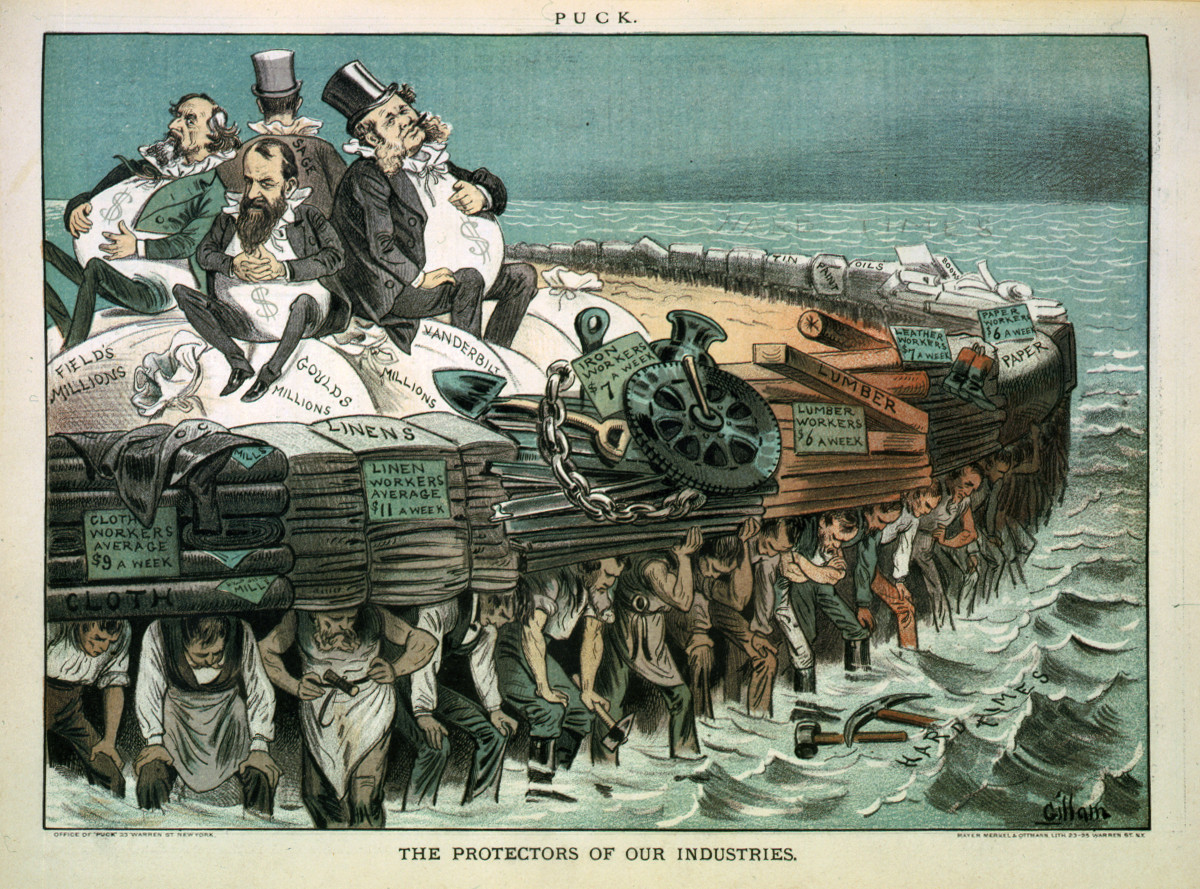
One of the most pressing economic challenges of the Gilded Age was the rampant growth of large corporations and trusts, which concentrated immense wealth and power in the hands of a few, often at the expense of consumers, workers, and smaller businesses. The Progressives recognized that this unchecked corporate dominance was distorting markets, stifling competition, and leading to widespread economic exploitation.
The Problem of Trusts and Monopolies
Before the Progressive Era, industries such as oil, steel, railroads, and banking were increasingly consolidated into powerful trusts. These monopolies could dictate prices, control supply, and eliminate competition, effectively holding entire markets captive. For consumers, this meant higher prices and fewer choices. For small businesses, it often meant being squeezed out of existence or forced to sell to larger competitors. For the working class, it meant that the vast profits generated by industrial expansion were not equitably shared, contributing to staggering wealth disparities. This concentration of economic power also bled into politics, with corporations exerting undue influence over legislation and regulatory bodies, further entrenching their advantageous position. The fundamental goal here was to restore the principles of fair market competition and prevent the economic exploitation that arose from such concentrated financial might.
Anti-Trust Legislation and Enforcement
Progressives, through political leaders like Theodore Roosevelt and William Howard Taft, embarked on an ambitious program of “trust-busting.” Although the Sherman Antitrust Act had been passed in 1890, its effectiveness was initially limited. The Progressive Era saw a renewed and vigorous enforcement of this act, alongside the passage of new legislation designed to clarify and strengthen antitrust measures. The Clayton Antitrust Act of 1914, for instance, specifically prohibited certain business practices that curtailed competition, such as price discrimination, tying agreements, and the acquisition of competing companies’ stock. It also exempted labor unions from antitrust laws, recognizing their role in balancing economic power. These legislative efforts and their enforcement aimed to dismantle monopolies, promote fair competition, and ensure that economic benefits were more broadly distributed, thereby protecting consumers’ purchasing power and fostering a healthier, more dynamic business environment.
Establishing Economic Fairness and Worker Protections
The industrial boom that characterized the late 19th and early 20th centuries came with a dark side: pervasive labor exploitation. Workers, often immigrants, faced grueling conditions, low wages, and precarious employment, leading to widespread personal financial instability and poverty. Progressives sought to rectify these injustices, recognizing that a healthy economy required fair labor practices and a basic level of financial security for all citizens.
Addressing Labor Exploitation and Financial Precarity
Factories, mines, and mills of the Gilded Age were characterized by long hours, dangerous conditions, and meager pay. Child labor was common, and there was little to no provision for worker safety or compensation for injuries. These conditions meant that despite contributing significantly to the nation’s economic growth, the average worker lived on the brink of poverty, with no savings, and little prospect for upward mobility. Strikes were often met with brutal force, and unions, while growing, faced immense resistance. The goal of the Progressives in this area was to establish a floor for economic well-being, ensuring that labor was compensated fairly and that individuals had a chance to build personal financial security rather than being trapped in cycles of destitution.
Legislation for Fair Labor Standards
Progressive reformers pushed for comprehensive labor reforms aimed at improving workers’ financial lives and safety. This included campaigns for minimum wage laws to ensure a living wage, maximum hour laws (like the eight-hour day) to prevent overwork, and worker’s compensation programs to provide financial support for those injured on the job. The movement to abolish child labor was also a significant part of this effort, aiming to protect children from economic exploitation and ensure they had access to education. While federal legislation faced constitutional challenges, many states enacted their own progressive labor laws. These reforms were critical in shifting the balance of economic power from employers to employees, improving personal finance for millions, and laying the groundwork for the modern labor movement and social safety nets.
Reforming the Financial System and Taxation
The United States’ financial system at the turn of the 20th century was notoriously unstable, prone to panics, and lacked centralized oversight. Furthermore, the federal government relied heavily on tariffs for revenue, a system that disproportionately burdened lower-income citizens and offered little flexibility. Progressives identified these issues as fundamental threats to national economic stability and equitable wealth distribution.
The Need for Banking Reform and Economic Stability
Before the Progressive Era, the U.S. banking system was decentralized, consisting of thousands of state and national banks operating independently. This fragmentation meant there was no central authority to manage the money supply, regulate credit, or act as a lender of last resort during financial crises. The result was a series of devastating bank runs and panics, which wiped out personal savings, caused businesses to fail, and sent the economy into recessions. The Panic of 1907, in particular, highlighted the urgent need for a more robust and stable financial infrastructure to protect both individual savings and the broader business finance ecosystem.
Creation of the Federal Reserve System
A cornerstone of Progressive financial reform was the establishment of the Federal Reserve System in 1913. This act created a central banking system designed to stabilize the nation’s currency, regulate banking practices, and serve as an emergency source of funds for banks. The Fed’s ability to influence interest rates and the money supply provided a critical tool for managing economic cycles, preventing panics, and fostering a more predictable environment for both personal finance and corporate investment. This institutional change was monumental, providing the regulatory framework essential for a modern, complex economy and offering a crucial safeguard against financial collapse.
Introduction of the Income Tax
Prior to the 16th Amendment, the federal government’s primary source of revenue was tariffs, which were taxes on imported goods. Tariffs are regressive, meaning they disproportionately affect lower-income individuals who spend a larger percentage of their income on consumer goods. Progressives argued for a more equitable system of taxation, advocating for an income tax where higher earners contributed a larger share. The 16th Amendment, ratified in 1913, legalized the federal income tax, enabling the government to fund its operations and progressive programs through a more progressive means. This marked a fundamental shift in public finance, allowing for wealth redistribution and creating a revenue stream that could be adjusted to meet national needs, promoting a more equitable financial burden across different income levels.
Consumer Protection and Market Integrity
Another significant economic goal of the Progressive Era was to protect consumers from unsafe products and fraudulent practices. In an era of rapid industrial growth, businesses often prioritized profit over public health and honesty, leading to substantial financial and physical harm to the populace.
Safeguarding Consumers’ Wallets and Health
Before robust regulation, consumers were largely at the mercy of manufacturers and retailers. Food and drug products were often adulterated, mislabeled, or outright dangerous, leading to illness, death, and wasted money. Advertisements were frequently misleading, promising cures for ailments or quality for shoddy goods. Such practices not only jeopardized public health but also represented a profound financial detriment to individuals who spent their hard-earned money on ineffective or harmful products. The goal was to establish a basic level of trust and integrity in the marketplace, protecting consumers’ financial investments in goods and services.
Regulatory Bodies and Standards
Muckraking journalists, such as Upton Sinclair with his novel The Jungle, exposed the horrifying conditions in the meatpacking industry and the broader issues of unsafe food production. These revelations spurred public outcry and led to significant legislative action. The Pure Food and Drug Act and the Meat Inspection Act, both passed in 1906, were landmark pieces of legislation. These acts established federal standards for food and drug production, mandated accurate labeling, and created regulatory bodies to inspect products and enforce safety rules. While primarily health-focused, their economic impact was immense. They protected consumers from financial fraud, ensured that money was spent on genuinely safe and effective products, and fostered greater confidence in the marketplace, ultimately benefiting both honest businesses and the buying public.
Long-Term Financial and Economic Legacy
The Progressive Era fundamentally reshaped the American economic landscape, laying the groundwork for many of the financial regulations and institutions that define modern capitalism. Its goals, driven by a desire for economic justice and stability, have had a lasting impact on how money, finance, and opportunity are managed in the United States.
Foundations of Modern Economic Regulation
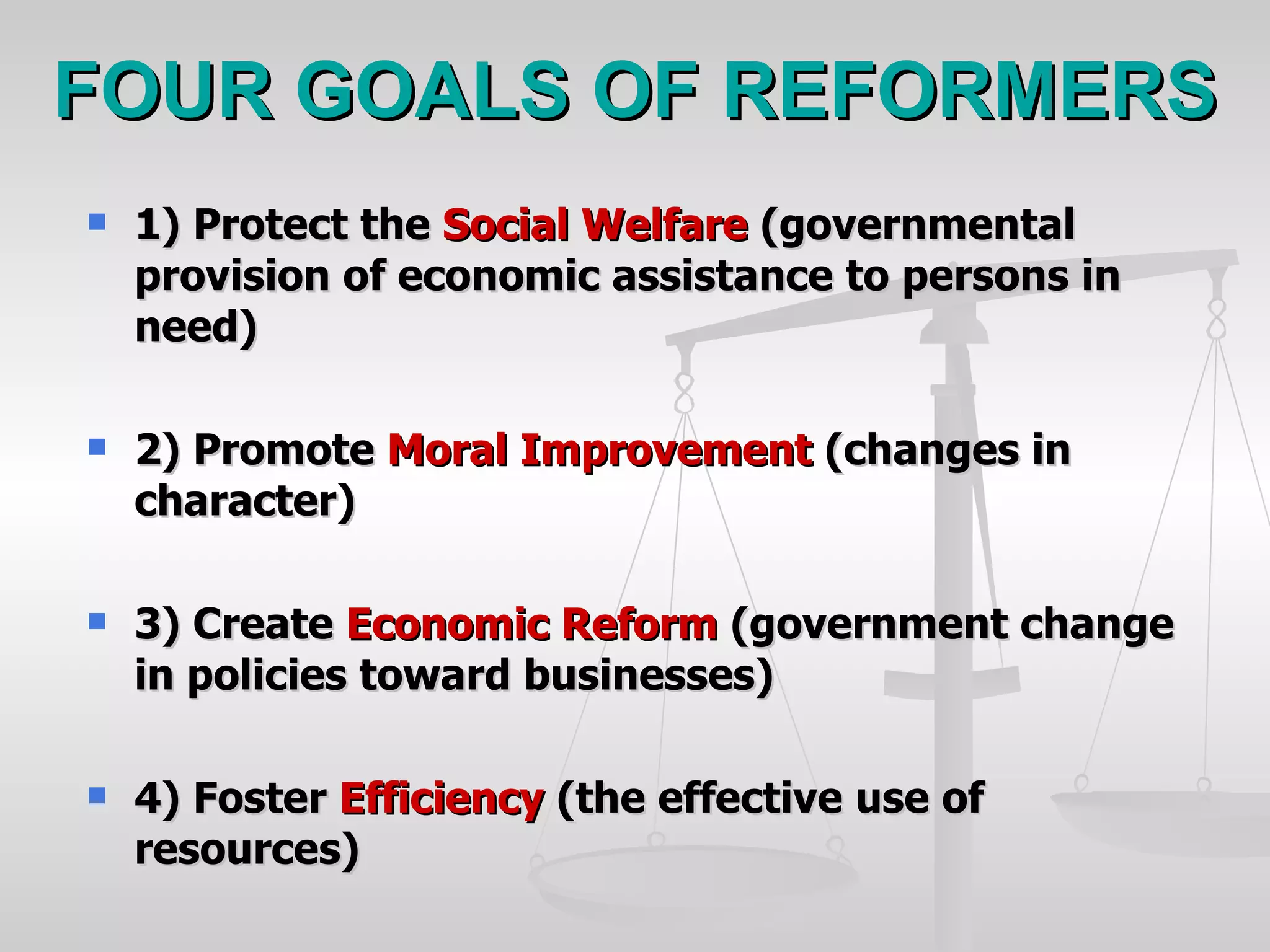
The reforms of the Progressive Era established the principle that the government has a legitimate role in regulating the economy to protect public welfare. Anti-trust laws, labor standards, banking regulations, and consumer protections were not just temporary fixes; they were foundational. They initiated a shift from pure laissez-faire economics to a more managed and regulated market system. This era’s legislation and the regulatory agencies it created (or empowered) served as blueprints for subsequent expansions of government oversight during the New Deal and beyond, influencing everything from securities regulation to social security, all of which have profound financial implications for individuals and businesses.
Shifting Economic Philosophies
Perhaps the most enduring legacy of the Progressive Era from an economic perspective was its challenge to the prevailing notion that unfettered capitalism would naturally lead to the greatest good. Progressives demonstrated that without appropriate checks and balances, the pursuit of profit could lead to severe social and economic inequalities and instability. They advocated for an economy that served the people, not just powerful interests, and for financial systems that were transparent, stable, and equitable. This philosophical shift continues to influence debates about income inequality, corporate responsibility, consumer rights, and the role of government in managing the national economy and ensuring financial justice for all.
In conclusion, the goal of the Progressive Era, when examined through the lens of ‘Money,’ was multifaceted yet singular: to correct the economic excesses and injustices of industrial capitalism, leading to a more stable, fair, and opportunities-rich financial environment for all Americans. From breaking up monopolies to protecting workers and consumers, and from stabilizing the banking system to establishing progressive taxation, the Progressives profoundly reshaped the economic rules of the game, creating a legacy that continues to define America’s financial and economic framework today.
aViewFromTheCave is a participant in the Amazon Services LLC Associates Program, an affiliate advertising program designed to provide a means for sites to earn advertising fees by advertising and linking to Amazon.com. Amazon, the Amazon logo, AmazonSupply, and the AmazonSupply logo are trademarks of Amazon.com, Inc. or its affiliates. As an Amazon Associate we earn affiliate commissions from qualifying purchases.