
In today’s fast-paced digital world, almost every aspect of our lives has transitioned online, and personal finance is no exception. Buying car insurance, once a process laden with paperwork and face-to-face meetings, has been revolutionized by the internet. For the financially savvy consumer, purchasing car insurance online represents a powerful opportunity to compare policies, secure competitive rates, and make informed decisions from the comfort of their home. This guide will walk you through the nuances of acquiring this essential financial safeguard online, empowering you to protect your assets and your wallet simultaneously.

The Shifting Landscape of Car Insurance Purchases
The internet has fundamentally altered how consumers interact with financial services, offering unparalleled transparency and convenience. Car insurance, a mandatory financial commitment for most vehicle owners, has been at the forefront of this digital transformation, making the process more accessible and often more affordable.
The Digital Transformation of Financial Services
The digital age has ushered in a new era for financial services, moving traditional transactions from brick-and-mortar establishments to secure online platforms. For car insurance, this means a shift from relying solely on local agents to having a vast marketplace at your fingertips. Consumers can now research, compare, and purchase policies directly from insurers or through online brokers, democratizing access to information and fostering greater competition. This evolution isn’t just about convenience; it’s about financial empowerment, allowing individuals to take a more proactive role in managing their risk and budgeting for essential expenditures. The proliferation of intuitive websites and mobile apps has further simplified what was once perceived as a complex, jargon-heavy process, making financial literacy in insurance more attainable.
Why Online Shopping is Advantageous for Consumers
Opting to buy car insurance online offers a multitude of financial advantages. Firstly, it facilitates unparalleled comparison shopping. Rather than contacting individual agents one by one, online platforms allow you to obtain multiple quotes simultaneously, often within minutes. This direct comparison is crucial for identifying the best rates and coverage options tailored to your specific needs, potentially saving hundreds of dollars annually. Secondly, online channels often provide access to exclusive discounts that might not be available through traditional routes, such as discounts for purchasing online, e-signatures, or paperless billing. Thirdly, the process itself is efficient and transparent; all policy details, terms, and conditions are typically laid out clearly, enabling a thorough review before commitment. This financial transparency is key to making a well-informed decision that aligns with your personal finance goals.
Understanding Car Insurance Fundamentals Before You Buy
Before you dive into the online marketplace, a solid grasp of car insurance basics is paramount. Knowing the different components of a policy and the factors that influence its cost will enable you to make a financially intelligent decision, ensuring you’re neither over-insured nor under-protected.
Key Components of an Auto Insurance Policy
A typical car insurance policy comprises several core components, each designed to protect you financially in different scenarios.
-
Liability Coverage: This is the most fundamental and often legally mandated part of your policy. It covers damages (both bodily injury and property damage) you cause to other people or their vehicles in an at-fault accident. It’s crucial for protecting your personal assets from potential lawsuits.
-
Collision Coverage: This pays for damages to your own vehicle resulting from a collision with another vehicle or object, regardless of who is at fault. It’s particularly important for newer or more valuable cars.
-
Comprehensive Coverage: This covers non-collision related damages to your vehicle, such as theft, vandalism, fire, natural disasters, or impacts with animals. It’s an essential layer of protection against unforeseen events.
-
Personal Injury Protection (PIP) / Medical Payments (MedPay): These cover medical expenses for you and your passengers after an accident, regardless of fault. PIP can also cover lost wages and other non-medical costs in some states.
-
Uninsured/Underinsured Motorist (UIM) Coverage: This protects you if you’re hit by a driver who either has no insurance or insufficient insurance to cover your damages. Given the prevalence of uninsured drivers, this is a financially prudent addition.
Factors Influencing Your Premium
Car insurance premiums are calculated based on a complex algorithm of risk assessment, considering numerous individual factors. Understanding these can help you identify areas where you might influence your costs.
-
Age and Driving Record: Younger, less experienced drivers or those with a history of accidents and violations typically pay higher premiums due to perceived higher risk. A clean driving record is your best financial asset here.
-
Location: Where you live and primarily park your car significantly impacts your rates. Urban areas with higher traffic density, theft rates, or accident statistics generally lead to more expensive insurance.
-
Vehicle Type: The make, model, year, safety features, and even the color of your car can affect premiums. More expensive, high-performance, or frequently stolen vehicles cost more to insure.
-
Credit Score: In many states, insurers use a credit-based insurance score (which differs slightly from a standard credit score) as a predictor of claim likelihood. A higher score often translates to lower premiums, underscoring the importance of good financial health.
-
Annual Mileage: Less time on the road generally means lower risk. If you drive fewer miles annually, you might qualify for low-mileage discounts.
Deciphering Deductibles and Coverage Limits
Deductibles and coverage limits are two critical financial levers in your car insurance policy.
-
Deductible: This is the out-of-pocket amount you agree to pay towards a claim before your insurance company starts paying. A higher deductible typically results in a lower premium, but it also means you bear more initial financial responsibility in the event of a claim. It’s a balance between upfront savings and potential future costs.
-
Coverage Limits: These are the maximum amounts your insurer will pay for a covered loss. Liability limits are usually presented as a set of three numbers (e.g., 50/100/25), representing per-person bodily injury, per-accident bodily injury, and property damage limits. Setting appropriate limits is vital; choosing limits that are too low could leave you personally liable for significant expenses exceeding your coverage. A financially wise approach often involves selecting limits that adequately protect your assets.
Navigating the Online Car Insurance Marketplace
The online marketplace is brimming with options, from direct insurers to comparison websites. Understanding how to navigate this landscape effectively is key to making a financially sound choice.
Direct Insurers vs. Online Brokers/Aggregators
When buying online, you essentially have two main avenues:
-
Direct Insurers: These are companies like GEICO, Progressive, or State Farm that allow you to get quotes and purchase policies directly from their websites. Buying directly can sometimes result in lower premiums as you’re cutting out the middleman, and you deal solely with one company for all your policy needs.
-
Online Brokers/Aggregators: Websites like Compare.com, The Zebra, or Policygenius allow you to input your information once and receive multiple quotes from various insurance providers. This streamlines the comparison process significantly, offering a broad snapshot of the market. While they don’t sell policies directly, they connect you with insurers, making the search for the best financial deal much more efficient.
Both methods have their merits, but using an aggregator for initial comparison, then perhaps visiting direct insurer sites for more detailed quotes, can be a financially shrewd strategy.
The Step-by-Step Online Quote Process
The online quote process is remarkably straightforward, designed for speed and user-friendliness:
-
Gather Information: Have your personal details (name, address, date of birth, driver’s license number), vehicle information (VIN, make, model, year, mileage), and driving history (accidents, violations) readily available.
-
Input Data: Enter this information accurately into the insurer’s website or aggregator’s form. Precision is critical; even small inaccuracies can lead to discrepancies in your quoted premium or issues later.
-
Customize Coverage: Select your desired coverage types (liability, collision, comprehensive, etc.) and set your deductibles and coverage limits. This is where your understanding of financial risk tolerance comes into play.
-
Review Quotes: The system will generate one or multiple quotes based on your input.
-
Refine and Compare: Adjust coverage options to see how they impact the premium. Compare offers across different providers, paying close attention to both the premium and the specific coverage details.
Essential Information You’ll Need to Provide
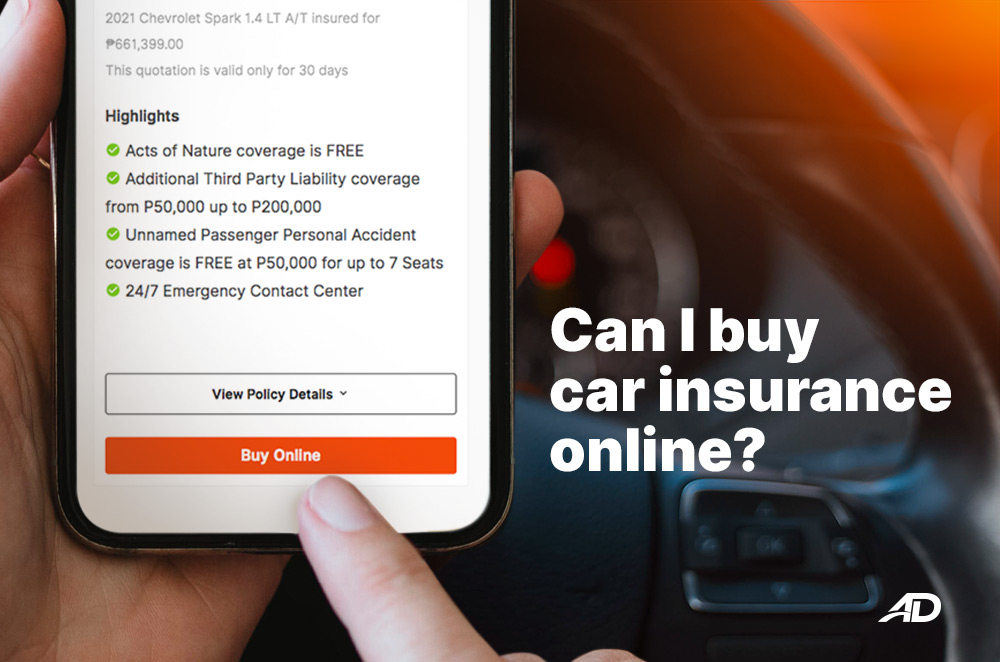
To ensure an accurate quote and avoid delays, be prepared to provide:
-
Personal Information: Full legal name, date of birth, current address, driver’s license number, and marital status.
-
Vehicle Information: Vehicle Identification Number (VIN), make, model, year, estimated annual mileage, and any anti-theft devices.
-
Driving History: Details of any accidents (date, type, fault), traffic violations (speeding tickets, DUIs), and claims within the last 3-5 years.
-
Additional Drivers: Information for anyone else who will regularly drive your vehicle.
Understanding and Comparing Quotes Effectively
The true financial benefit of online insurance shopping lies in your ability to compare quotes intelligently. Don’t just look at the bottom-line premium. Scrutinize the coverage limits, deductibles, and any included endorsements or exclusions. Ensure you’re comparing “apples to apples” – policies with identical coverage amounts and deductibles will give you the most accurate financial comparison. Read reviews of the insurance companies regarding their claims handling and customer service, as the cheapest policy isn’t always the best value if a company makes it difficult to file a claim.
Strategies for Securing the Best Deal and Maximizing Savings
Beyond simply comparing quotes, proactive strategies can significantly reduce your car insurance costs, freeing up more of your personal finance budget.
Leveraging Discounts
Insurance companies offer a wide array of discounts, and online platforms often make it easier to identify and apply for them.
-
Multi-Policy/Bundling Discount: Combining your car insurance with other policies (e.g., home, renter’s, life) from the same insurer can lead to substantial savings. This is a primary financial incentive for customer loyalty.
-
Good Driver Discount: A clean driving record with no accidents or violations for a certain period (e.g., 3-5 years) can earn you significant reductions.
-
Low Mileage Discount: If you don’t drive much, you pose less risk and may qualify for a discount. Telematics programs, which monitor your driving habits, can also offer discounts based on safe driving.
-
Safety Features Discount: Vehicles equipped with advanced safety features like anti-lock brakes, airbags, anti-theft systems, or adaptive cruise control often receive discounts.
-
Good Student Discount: High school or college students with good academic standing may qualify for discounts, recognizing their lower risk profile.
Always ask about every possible discount when getting a quote; even small reductions add up.
The Power of Comparison Shopping
This cannot be overstated. Insurance rates vary widely between providers for the exact same coverage. What one company considers a high-risk factor, another might rate less severely. Dedicate time to obtaining quotes from at least 3-5 different insurers or using multiple aggregator sites. This diligent comparison is your most effective tool for uncovering the best financial value in the market. Set a reminder to repeat this process annually or whenever your policy is up for renewal, as rates can change.
Reviewing Your Policy Annually
Your life circumstances, and consequently your insurance needs, are not static. Annually reviewing your policy is a crucial financial habit. Have you moved? Changed jobs? Bought a new car? Gotten married? Removed a teenager from your policy? Each of these events can impact your rates or coverage needs. For instance, if you’ve paid off your car, you might consider dropping collision and comprehensive coverage to save money, though this comes with its own financial risks if your car is damaged. Regular review ensures your policy remains financially optimal and aligned with your current situation.
The Role of Financial Health in Insurance Premiums
As mentioned, your credit-based insurance score plays a role in determining your premiums in many states. Maintaining a strong credit history, paying bills on time, and managing debt responsibly can indirectly lead to lower insurance costs. This highlights the interconnectedness of various aspects of your personal finance and how good financial habits in one area can positively impact another. A solid financial foundation is truly the cornerstone of favorable insurance rates.
Finalizing Your Online Car Insurance Purchase and Beyond
Once you’ve navigated the comparison phase and chosen a policy, the final steps are critical to ensuring full financial protection and proper policy management.
Reading the Fine Print: Understanding Policy Documents
Before making any payment, meticulously read your policy documents. This includes the declarations page, which summarizes your coverage, limits, and deductibles, as well as the full policy booklet. Don’t gloss over the “fine print.” Understand the terms, conditions, exclusions, and what exactly constitutes a covered loss. If anything is unclear, contact the insurer’s customer service for clarification. A thorough understanding protects you from future financial surprises and ensures you know precisely what you’re paying for.
Payment Options and Policy Activation
Online insurers offer various convenient payment options, including monthly installments, quarterly payments, or paying in full. While monthly payments offer budgetary flexibility, paying in full often comes with a discount, representing a small but tangible financial saving. Once you’ve made your payment, your policy will typically activate immediately or on a specified future date. You will receive confirmation via email, usually including your proof of insurance.
What to Do After You’ve Purchased: Proof of Insurance and Policy Management
Immediately after purchasing, ensure you have easy access to your proof of insurance. This can be a digital ID card on your smartphone via the insurer’s app, or a physical card you print out. Most states require you to carry proof of insurance in your vehicle. Familiarize yourself with your insurer’s online portal or app; these tools allow you to manage your policy, make payments, update information, and even initiate claims, providing convenient access to your financial safety net.

When to Re-evaluate Your Coverage Needs
Your car insurance isn’t a “set it and forget it” financial product. Beyond the annual review, specific life events warrant a re-evaluation of your coverage:
-
Purchasing a New Vehicle: Different cars have different insurance needs and costs.
-
Significant Life Changes: Marriage, divorce, moving to a new state, or having a new driver in the household.
-
Changes in Vehicle Use: If you start using your car for a side hustle (e.g., ride-sharing, delivery), you will likely need specific commercial coverage, as personal policies typically exclude business use. This is a critical financial distinction to prevent claim denials.
-
Accumulating Savings or Debt: As your personal net worth changes, your liability protection needs may also change. If you acquire more assets, you may want higher liability limits to protect them.
Buying car insurance online is more than just a convenient transaction; it’s an intelligent financial decision that places control directly in your hands. By understanding the fundamentals, diligently comparing options, and proactively managing your policy, you can secure robust protection for your vehicle and your financial future, all with a few clicks.
aViewFromTheCave is a participant in the Amazon Services LLC Associates Program, an affiliate advertising program designed to provide a means for sites to earn advertising fees by advertising and linking to Amazon.com. Amazon, the Amazon logo, AmazonSupply, and the AmazonSupply logo are trademarks of Amazon.com, Inc. or its affiliates. As an Amazon Associate we earn affiliate commissions from qualifying purchases.