
Navigating the intricate world of payroll taxes can feel like a daunting task for any business owner. From understanding various tax types to adhering to strict payment and reporting deadlines, the responsibilities are significant. Yet, managing payroll taxes accurately and efficiently is not just a legal obligation; it’s a cornerstone of responsible financial management, crucial for avoiding penalties, maintaining compliance, and fostering employee trust. This guide aims to demystify the process, offering a clear, step-by-step roadmap to understanding, calculating, paying, and reporting your payroll tax obligations. By the end, you’ll be equipped with the knowledge to manage your payroll taxes with confidence, ensuring your business remains in good standing with both employees and the government.
Understanding Your Payroll Tax Obligations
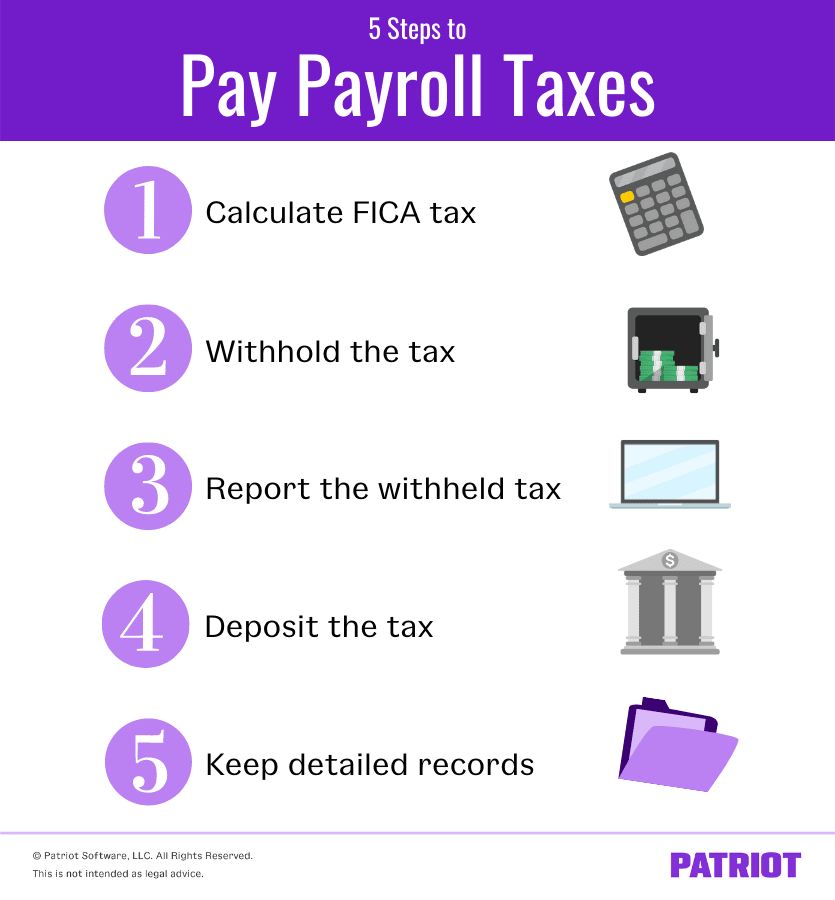
Before delving into the “how-to,” it’s essential to grasp the fundamental components of payroll taxes and who is responsible for them. Payroll taxes are not a single entity but a collection of taxes that employers must withhold from employee wages and pay on their behalf, along with their own employer contributions.
What Are Payroll Taxes?
Payroll taxes primarily consist of two categories: those withheld from employees’ paychecks and those paid directly by the employer.
-
Employee-Withheld Taxes:
-
Federal Income Tax Withholding: Based on information provided by employees on Form W-4, employers withhold federal income tax from each paycheck. The amount depends on the employee’s gross pay, marital status, and claimed allowances/credits.
-
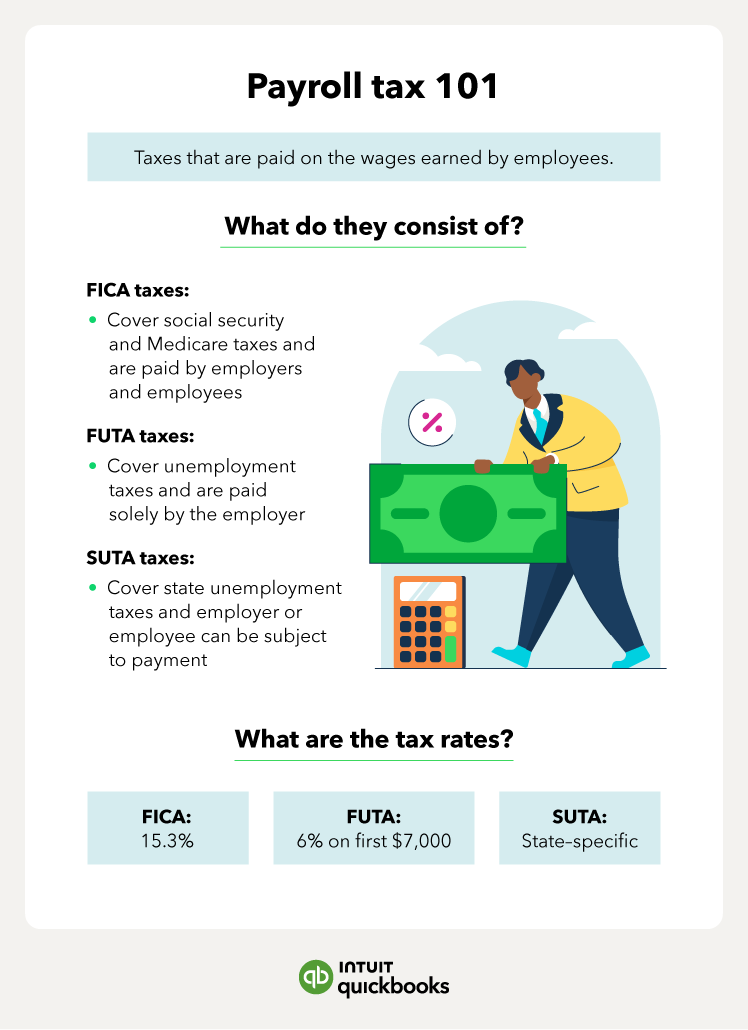
FICA Taxes (Social Security and Medicare): These are mandatory contributions to fund Social Security and Medicare programs. Both the employer and employee contribute:
-
Social Security Tax: As of 2024, the rate is 6.2% for employees and 6.2% for employers, applied to wages up to an annual limit ($168,600 for 2024).
-
Medicare Tax: The rate is 1.45% for employees and 1.45% for employers, applied to all wages with no wage limit. An additional 0.9% Medicare tax is withheld from employees who earn above certain thresholds ($200,000 for single filers, $250,000 for married filing jointly), though employers do not match this additional tax.
-
-
State and Local Income Tax Withholding: Most states (and some cities/localities) have their own income taxes, which employers must withhold according to state-specific rules and employee forms.
-
State Disability Insurance (SDI) and Paid Family Leave (PFL): A few states, such as California, New York, and New Jersey, require employee contributions for state disability or paid family leave programs.
-
-
Employer-Paid Taxes:
-
Federal Unemployment Tax Act (FUTA): This is an employer-only tax that contributes to a federal fund for unemployment benefits. The standard FUTA tax rate is 6.0% on the first $7,000 of each employee’s wages. However, employers can typically claim a credit of up to 5.4% for timely paid state unemployment taxes, effectively reducing the federal rate to 0.6%.
-
State Unemployment Tax Act (SUTA): All states have SUTA programs, which fund state unemployment benefits. The tax rate and wage base vary significantly by state and can change based on an employer’s experience rating (i.e., how many former employees have claimed unemployment benefits).
-
Workers’ Compensation Insurance: While not technically a “tax,” this is a mandatory employer expense in most states, providing wage replacement and medical benefits to employees injured in the course of employment.
-
Who Needs to Pay Payroll Taxes?
Any individual or entity that hires employees is responsible for payroll taxes. This includes sole proprietors, partnerships, corporations, and non-profit organizations. It’s crucial to distinguish between an “employee” and an “independent contractor,” as the tax obligations differ greatly. If you classify a worker as an independent contractor but they meet the IRS criteria for an employee, you could face significant penalties.
Key Federal Agencies Involved
The primary federal agency for payroll tax compliance is the Internal Revenue Service (IRS). They set the rules, collect federal payroll taxes, and administer the reporting forms. State-level departments of revenue or labor manage state income tax withholding and unemployment taxes.
Calculating and Withholding Payroll Taxes
Accuracy in calculation and withholding is paramount. Errors can lead to underpayment penalties for the employer and potential tax issues for employees.
Gathering Employee Information
The process begins with collecting essential information from your employees.
-
Form W-4, Employee’s Withholding Certificate: This federal form allows employees to indicate their marital status, number of dependents, and any additional tax they want withheld. Employers use this form to calculate federal income tax withholding.
-
State Withholding Forms: Many states have their own equivalent of Form W-4 (e.g., California’s DE 4) for state income tax withholding.
-
Form I-9, Employment Eligibility Verification: While not directly for tax purposes, this form is crucial for verifying an employee’s eligibility to work in the United States and should be completed for every new hire.
Calculating Federal Withholding
The IRS provides detailed guidance in IRS Publication 15-T, Federal Income Tax Withholding Methods. You can use:
-
Percentage Method: A more precise method using withholding tables based on pay period, marital status, and W-4 entries.
-
Wage Bracket Method: Simpler tables often used for manual calculations, directly providing the withholding amount based on wage brackets and W-4 entries.
Most payroll software automates this complex calculation, significantly reducing the risk of error.
Calculating FICA Taxes
-
Social Security Tax: Calculate 6.2% of the employee’s gross wages up to the annual wage base limit. You will match this amount.
-
Medicare Tax: Calculate 1.45% of all the employee’s gross wages (no limit). You will match this amount.
-
Additional Medicare Tax: If an employee’s wages exceed the threshold ($200,000 single, $250,000 married filing jointly), you must withhold an additional 0.9% Medicare tax from wages above that threshold. This is employee-only; employers do not contribute to the additional tax.
Calculating FUTA and SUTA
-
FUTA: Calculate 0.6% (after the 5.4% state credit) on the first $7,000 of each employee’s taxable wages. This is an employer-only tax.
-
SUTA: Your state will assign you an initial rate. Apply this rate to the state’s taxable wage base for each employee. This is also an employer-only tax. New businesses often have a standard new employer rate, which adjusts over time based on their unemployment claim history.
State and Local Taxes
Research and understand the specific tax requirements for your state and any local jurisdictions where you operate. This includes income tax, disability insurance, and any other unique levies. Many state revenue departments offer online resources and calculators.
The Payroll Tax Payment Process
Once taxes are calculated and withheld, the next critical step is to deposit them with the appropriate tax authorities on time. Strict rules govern when and how these deposits must be made.
Determining Deposit Schedule
The IRS dictates your federal payroll tax deposit schedule (Social Security, Medicare, and federal income tax withholding) based on your reported tax liability from a “lookback period” (usually the prior two calendar years).
-
Monthly Schedule: If your total tax liability during the lookback period was $50,000 or less, you’re generally a monthly depositor. Deposits are due by the 15th of the following month.
-
Semi-weekly Schedule: If your total tax liability during the lookback period was more than $50,000, you’re a semi-weekly depositor. If your payday is Wednesday, Thursday, or Friday, deposits are due by the following Wednesday. If your payday is Saturday, Sunday, Monday, or Tuesday, deposits are due by the following Friday.
-
Next-Day Deposit Rule: If you accumulate $100,000 or more in taxes on any given day, you must deposit the taxes by the next business day, regardless of your regular schedule.
FUTA tax has a separate, generally quarterly, deposit schedule if the liability exceeds $500.
Penalties for late or incorrect deposits can be significant, ranging from 2% to 15% of the underpaid amount, depending on how late the payment is.
How to Make Federal Tax Deposits
The IRS mandates that federal payroll tax deposits be made electronically via the Electronic Federal Tax Payment System (EFTPS).
-
Enrollment: You must enroll in EFTPS, which can take several weeks. Plan ahead! Once enrolled, you can make payments online or by phone.
-
Accuracy: Double-check all payment information (tax type, period, amount) before submitting to avoid errors that could lead to penalties.
State and Local Payment Procedures
State and local tax payment procedures vary. Most states require electronic payments, often through dedicated online portals administered by their department of revenue or labor. Check with your specific state and local tax authorities for their exact requirements and deadlines. Many states align their deposit schedules with federal ones, but some may have different thresholds or due dates.
Record Keeping Essentials
Meticulous record keeping is vital. Maintain:
-
Payroll Registers: Detailed records of each employee’s gross wages, withholdings, and net pay per pay period.
-
Deposit Confirmations: Proof of all federal, state, and local tax deposits.
-
Employee Forms: Copies of W-4s, state withholding forms, and I-9s.
-
Time and Attendance Records: To substantiate hours worked and wages paid.
These records are crucial for reconciling your accounts, completing quarterly and annual reports, and for potential audits.
Reporting Payroll Taxes
Beyond depositing taxes, employers must periodically report their payroll tax liabilities and payments to the relevant authorities.
Quarterly Reporting: Form 941
Employers must file Form 941, Employer’s Quarterly Federal Tax Return, to report federal income tax withheld, Social Security tax, and Medicare tax. This form reconciles the tax liability with the deposits made during the quarter.
-
Deadlines:
-
Q1 (Jan 1 – Mar 31): April 30
-
Q2 (Apr 1 – Jun 30): July 31
-
Q3 (Jul 1 – Sep 30): October 31
-
Q4 (Oct 1 – Dec 31): January 31 of the following year
-
If the due date falls on a weekend or holiday, it shifts to the next business day. Timely filing is just as important as timely payment.
Annual Reporting: Form 940 (FUTA)
Form 940, Employer’s Annual Federal Unemployment (FUTA) Tax Return, reports your annual FUTA tax liability. It’s an annual form, even if you make quarterly FUTA deposits.
- Deadline: January 31 of the following year.
Annual Reporting: Forms W-2 and W-3
At the end of each calendar year, you must provide employees with Form W-2, Wage and Tax Statement, detailing their annual wages and taxes withheld.
-
Issuing W-2s to Employees: By January 31 of the following year.
-
Filing with SSA: You must also file copies of all W-2s along with Form W-3, Transmittal of Wage and Tax Statements, with the Social Security Administration (SSA) by January 31. Many businesses now file W-2s electronically.
State Annual Reconciliation Forms
Similar to federal requirements, many states require annual reconciliation forms for state income tax withholding and unemployment taxes. These forms summarize the annual wages and taxes paid to the state. Be sure to check your state’s specific deadlines and forms.
Strategies for Efficient Payroll Tax Management
Managing payroll taxes effectively requires more than just knowing the rules; it demands a systematic approach and, often, leveraging specialized tools or services.
Internal Accounting Practices
Establish robust internal accounting practices.
-
Separate Accounts: Consider setting up a dedicated bank account for payroll tax liabilities. Regularly transfer the withheld amounts and employer contributions into this account, ensuring funds are available when deposits are due. This helps prevent accidental spending of tax money.
-
Regular Reconciliation: Reconcile your payroll records with your bank statements and tax deposit confirmations frequently. This proactive approach can catch errors early, preventing larger problems down the line.
-
Documentation: Maintain a well-organized system for all payroll-related documents, both physical and digital, for easy retrieval during audits or inquiries.
Utilizing Payroll Software
For many businesses, especially as they grow, payroll software becomes an invaluable asset.
-
Automation: Modern payroll software (e.g., QuickBooks Payroll, Gusto, ADP Run, Paychex Flex) automates complex calculations for federal, state, and local taxes, considering employee W-4s, pay rates, and benefits.
-
Compliance: These systems often include built-in compliance features, alerting you to upcoming deadlines, automatically generating necessary forms (941, W-2), and even filing them electronically.
-
Direct Deposits & Payments: Most software facilitates direct deposit for employee paychecks and electronic payment of payroll taxes, streamlining the entire process.
-
Accuracy & Time-Saving: By automating repetitive tasks and reducing manual data entry, payroll software significantly reduces the potential for human error and frees up valuable time for business owners.
Engaging a Payroll Service Provider
Outsourcing payroll to a dedicated service provider can be an excellent strategy, particularly for businesses that prefer to offload the entire burden of payroll tax compliance.
-
Expertise & Compliance: Payroll service providers stay abreast of ever-changing tax laws and regulations at all levels (federal, state, local). They ensure accurate calculations, timely deposits, and correct form filings, greatly reducing your risk of penalties.
-
Time-Saving: They handle all the intricate details, from calculating wages and withholdings to issuing W-2s, allowing you to focus on your core business operations.
-
Reduced Liability: Many providers take on some liability for errors, providing peace of mind.
When choosing a provider, look for one that offers comprehensive services, a strong track record, clear pricing, and excellent customer support.
Staying Compliant
Tax laws are not static. They change frequently due to new legislation, economic conditions, and government policy shifts.
-
Monitor Changes: Regularly monitor updates from the IRS, your state’s tax department, and local tax authorities. Subscribe to newsletters, attend webinars, or consult with a tax professional.
-
Employee Training: Ensure anyone involved in your payroll process is adequately trained and stays informed about current regulations.

Conclusion
Paying payroll taxes is a multifaceted but manageable aspect of running a business. By diligently understanding your obligations, accurately calculating and withholding taxes, adhering to strict deposit schedules, and meticulously reporting your activities, you can ensure compliance and avoid costly penalties. Whether you choose to manage payroll internally with robust software or outsource to a dedicated service provider, prioritizing accuracy and timeliness is paramount. Investing time in setting up efficient systems today will safeguard your business’s financial health, foster employee trust, and allow you to focus on growth and innovation rather than tax headaches. When in doubt, consulting with a qualified tax professional or certified public accountant can provide invaluable guidance tailored to your specific business needs.
aViewFromTheCave is a participant in the Amazon Services LLC Associates Program, an affiliate advertising program designed to provide a means for sites to earn advertising fees by advertising and linking to Amazon.com. Amazon, the Amazon logo, AmazonSupply, and the AmazonSupply logo are trademarks of Amazon.com, Inc. or its affiliates. As an Amazon Associate we earn affiliate commissions from qualifying purchases.