
Navigating the landscape of tax payments to the Internal Revenue Service (IRS) can feel like a complex endeavor, fraught with anxiety over deadlines, correct procedures, and the fear of penalties. However, understanding where and how to send your tax payments effectively is a fundamental aspect of sound personal and business finance. This guide aims to demystify the process, offering a clear, insightful, and engaging overview of all available payment methods, from the convenience of digital transactions to traditional mail-in options. By arming yourself with this knowledge, you can ensure your tax obligations are met accurately and on time, safeguarding your financial well-being and peace of mind.
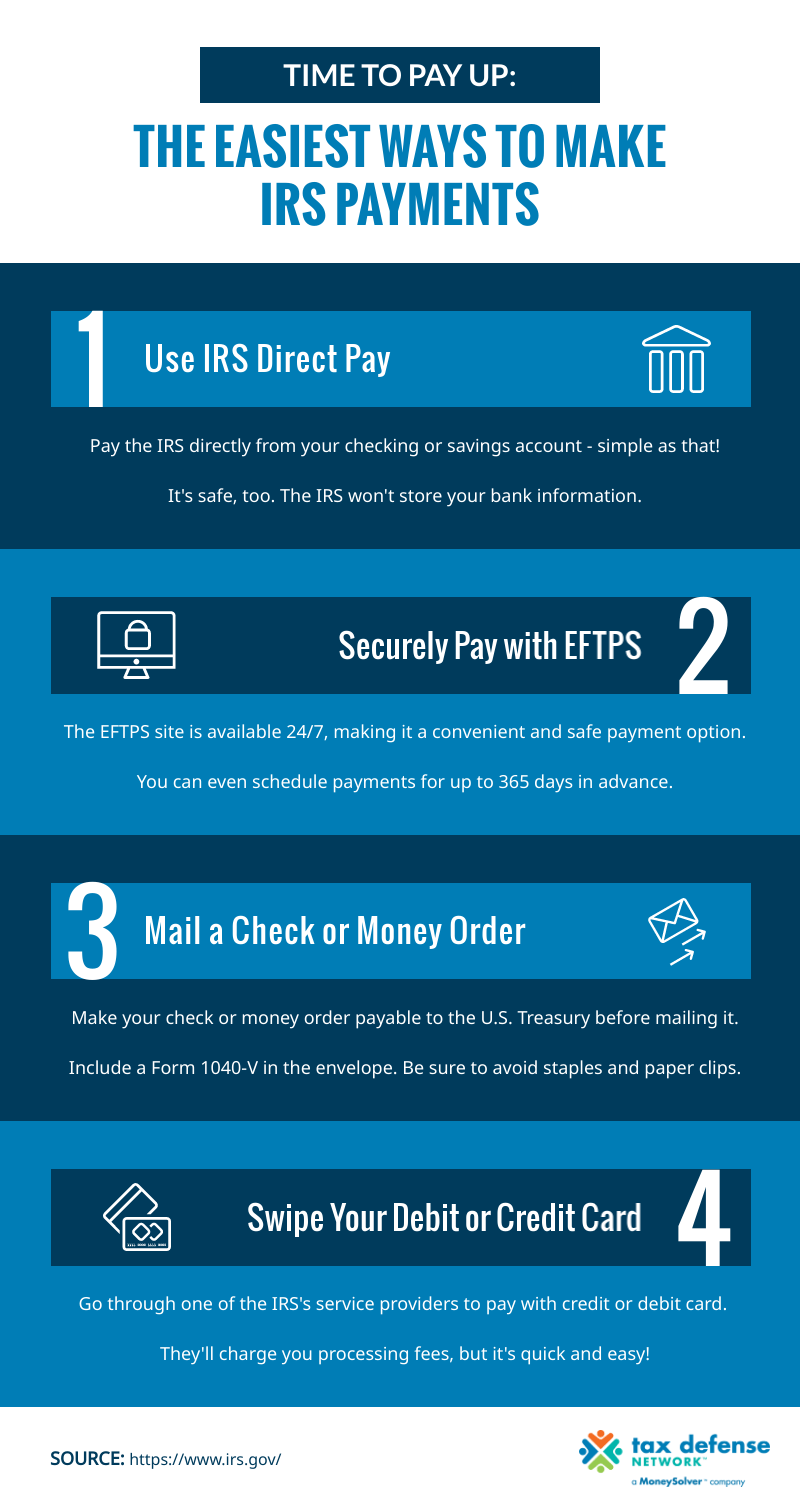
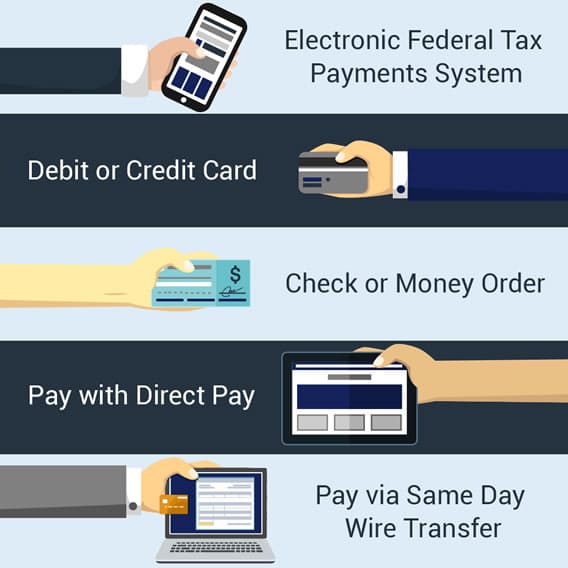
The IRS provides a variety of payment methods designed to accommodate different taxpayer preferences and situations. While the agency increasingly encourages electronic payments due to their efficiency and security, traditional methods remain available for those who prefer them or have specific circumstances. Choosing the right method depends on factors such as the type of tax you’re paying, whether you’re an individual or a business, and your comfort level with digital platforms.
Understanding Your IRS Payment Obligations
Before diving into the mechanics of payment, it’s crucial to understand why and when you might owe money to the IRS. Tax obligations are a cornerstone of responsible financial management, impacting individuals, businesses, and even non-profits under certain conditions. Grasping the different scenarios that trigger a payment requirement is the first step toward effective tax compliance.
Who Needs to Pay the IRS?
Virtually anyone earning income in the United States, or from U.S. sources, may have an obligation to pay federal taxes. This broad category includes:
-
Individuals: Most wage earners have taxes withheld from their paychecks, but many find they owe additional tax when filing their annual return, particularly if they have multiple income streams, significant investment income, or insufficient withholding.
-
Self-Employed Individuals: Freelancers, independent contractors, and small business owners typically do not have taxes withheld from their income. They are generally required to pay estimated taxes throughout the year to cover their income tax and self-employment taxes (Social Security and Medicare).
-
Businesses: Corporations, partnerships, and other business entities are responsible for various federal taxes, including income tax, employment taxes (for their employees), and sometimes excise taxes.
-
Estates and Trusts: These entities may also have income tax obligations.
Understanding your specific status helps you anticipate your tax responsibilities and prepare for payments.
Types of IRS Payments
The IRS collects payments for a variety of tax categories and situations. Knowing which type of payment you’re making is essential, as it often dictates the most appropriate payment method and ensures your payment is correctly applied to your account.
-
Tax Due with Return: This is the most common payment scenario, occurring when you file your annual income tax return (e.g., Form 1040) and discover you owe additional tax after accounting for withholdings and credits.
-
Estimated Taxes: If you expect to owe at least $1,000 in tax (for individuals) or $500 (for corporations) and do not have sufficient withholding, you generally need to pay estimated taxes quarterly. This prevents a large tax bill and potential penalties at year-end.
-
Underpayment Penalties: If you fail to pay enough tax throughout the year through withholding or estimated payments, you may owe a penalty for underpayment.
-
Payment Plan Installments: If you cannot pay your full tax liability by the deadline, you may qualify for an installment agreement with the IRS, making monthly payments over time.
-
Amended Return Payments: If you file an amended return (Form 1040-X) that results in additional tax due, you’ll need to submit that payment.
Importance of Timely Payments
The IRS operates on strict deadlines. Failing to pay your taxes on time can result in significant penalties and interest charges, which accrue from the original due date of the tax. Even if you cannot pay the full amount due, filing your return on time and paying what you can is critical to minimize failure-to-file and failure-to-pay penalties. The IRS generally charges a penalty for failure to pay of 0.5% of the unpaid taxes for each month or part of a month that taxes remain unpaid, up to 25% of your unpaid liability. Interest also applies to underpayments, and it can add up quickly.
Electronic Payment Methods: The Preferred Choice
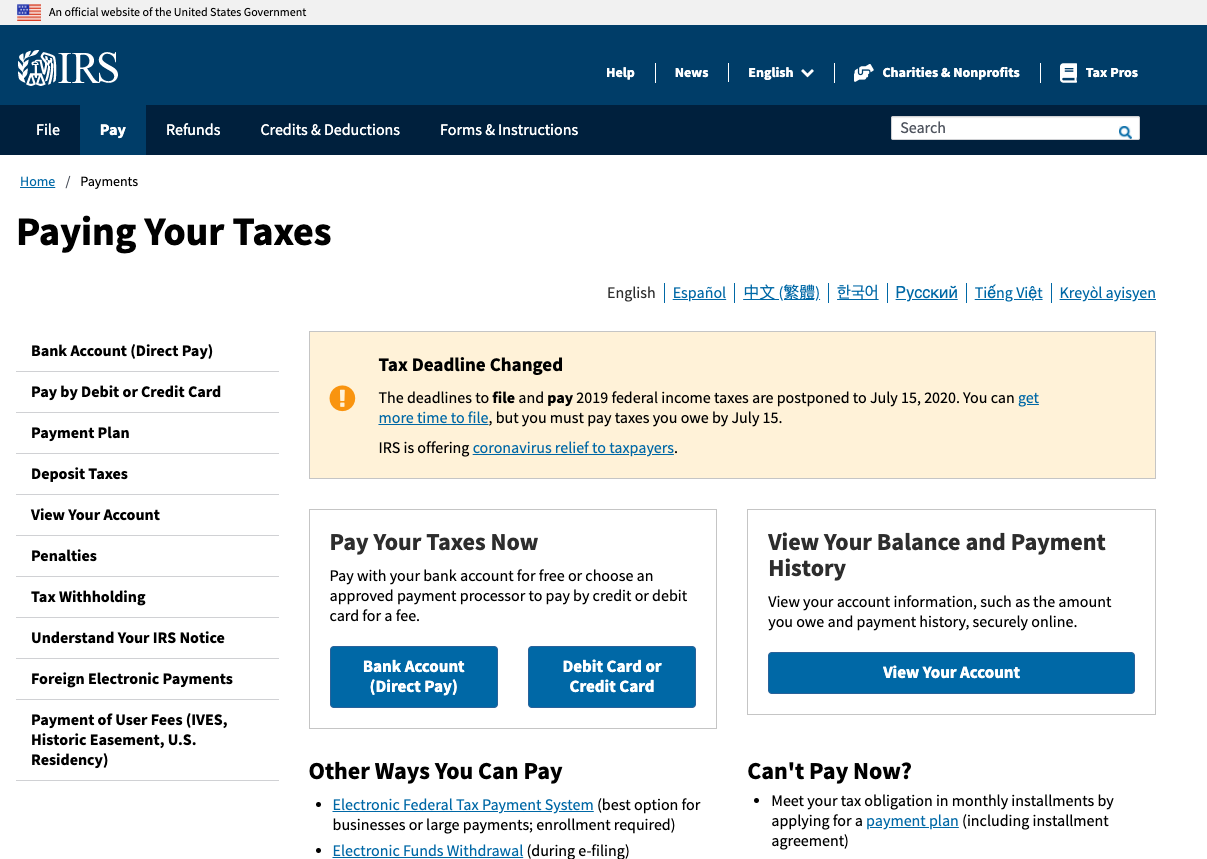
In an increasingly digital world, electronic payment methods stand out for their convenience, speed, and security. The IRS actively promotes these options, and for good reason: they minimize errors, provide immediate confirmation, and are generally the quickest way to ensure your payment reaches the IRS on time. For most taxpayers, these digital avenues represent the most efficient “where to send payments to the IRS.”
IRS Direct Pay
IRS Direct Pay is arguably the simplest and most cost-effective electronic option for individuals. It allows you to pay your tax bill directly from your checking or savings account, without any processing fees.
-
How it Works: You access IRS Direct Pay through the IRS website. You’ll need to verify your identity using basic personal information (name, date of birth, Social Security Number or ITIN, and filing status from your most recent tax return). Then, you’ll enter your bank account details and the amount you wish to pay.
-
What it Pays: You can use Direct Pay for Form 1040 series payments (tax due with return, estimated taxes, amended return payments, etc.) and certain business taxes.
-
Key Features: It’s free, secure, and you receive an immediate confirmation number. You can also schedule payments up to 365 days in advance and view your payment history.
Electronic Federal Tax Payment System (EFTPS)
EFTPS is a robust system primarily used by businesses but also available and highly beneficial for individuals, especially those who make regular estimated tax payments. It requires enrollment, but once set up, it offers a high level of control and record-keeping.
-
How it Works: Enrollment involves an online application or a phone call, after which you’ll receive a PIN via postal mail. Once enrolled, you can make payments online or by phone using a secure PIN.
-
What it Pays: EFTPS handles virtually all types of federal taxes, including income tax, estimated tax, employment tax, and excise tax.
-
Key Features: It’s free, allows you to schedule payments up to 365 days in advance, and provides access to your payment history for up to 15 months. It’s particularly useful for those who make frequent or large tax payments, offering a reliable audit trail.
Debit Card, Credit Card, or Digital Wallet
For those who value convenience and potentially earn rewards, paying with a debit card, credit card, or digital wallet (like PayPal or Click to Pay) is an option through third-party payment processors.
-
How it Works: The IRS partners with several approved third-party processors. You select a processor from the IRS website, and you’re directed to their site to complete the transaction.
-
What it Pays: Most federal tax forms and payment types can be paid this way.
-
Key Features: It offers immediate payment and allows you to potentially earn credit card rewards. However, these processors charge a convenience fee, which varies depending on the processor and the type of card/wallet used (typically a flat fee for debit cards, and a percentage for credit cards). This fee is in addition to your tax liability.
Electronic Funds Withdrawal (EFW)
If you prepare your tax return using tax software or through a tax professional and e-file it, you can often opt for Electronic Funds Withdrawal (EFW).
-
How it Works: When you e-file your federal tax return, the software or your tax preparer will prompt you to enter your bank account information. The payment amount is then directly withdrawn from your specified account on the payment date you choose (up to the filing deadline).
-
What it Pays: This method is specifically for the tax due with your e-filed return.
-
Key Features: It’s convenient, free, and ensures your payment is linked directly to your filed return.
Traditional Payment Methods: For Specific Situations
While electronic payments are highly recommended, the IRS still provides traditional methods for those who cannot or prefer not to use digital options. These methods involve physical transactions and often require more lead time to ensure timely processing. Understanding these methods is crucial for the “where to send payments to the IRS” question when electronic means aren’t viable.
Paying by Check, Money Order, or Cashier’s Check
Mailing a check or money order remains a viable option, particularly for taxpayers who prefer tangible proof of payment or do not have access to electronic banking.
-
How to Make it Out: Make your check or money order payable to the “U.S. Treasury.”
-
What to Include: On the front of the check or money order, clearly write your:
-
Full name (and spouse’s name if it’s a joint payment).
-
Address.
-
Daytime phone number.
-
Social Security Number (SSN) or Employer Identification Number (EIN).
-
The tax year for which the payment is being made.
-
The related tax form or notice number (e.g., “2023 Form 1040”).
-
-
Where to Mail: This is perhaps the most critical part of “where to send payments to the IRS” for traditional methods. The mailing address for checks and money orders depends on:
-
The tax form you filed (e.g., Form 1040, Form 1120).
-
The state you live in.
-
Whether you are enclosing a payment voucher (e.g., Form 1040-V) or other form with your payment.
- Crucial Advice: Always refer to the specific form’s instructions or the “Where to File” page on the official IRS website (IRS.gov/filing/where-to-file-tax-returns-with-or-without-a-payment) for the correct and most up-to-date mailing address. Sending your payment to the wrong address can significantly delay processing and potentially incur penalties.
-
-
Important Considerations:
-
Do not staple or attach your payment to your tax return. Paperclip it lightly to the payment voucher (Form 1040-V) if applicable.
-
Allow sufficient mailing time, especially around tax deadlines. The IRS generally considers a payment timely if it is postmarked by the due date.
-
Cash Payments
Paying with cash is an option, though it’s not done directly at an IRS office. The IRS has partnered with retail stores to facilitate cash payments.
-
How it Works: You can make cash payments through retail partners such as PayNearMe or MoneyGram. You’ll typically initiate the payment online on the IRS website, receive a payment code or barcode, and then take it to a participating retail location to make the cash payment.
-
What it Pays: This method can be used for most federal tax payments.
-
Key Features: Provides a method for those without bank accounts or who prefer cash. However, there are typically limits on the amount you can pay in cash and a small fee for the service. Always obtain and keep a receipt for your payment.
Special Circumstances and Considerations
Beyond the standard annual tax return payment, several situations may require specific payment approaches. Understanding these nuances ensures compliance and helps manage your financial obligations effectively.
Estimated Tax Payments
For self-employed individuals, those with significant investment income, or anyone whose income isn’t subject to sufficient withholding, estimated taxes are a critical component of financial planning.
-
Who Needs to Pay: Generally, if you expect to owe at least $1,000 in tax (for individuals) or $500 (for corporations) and have insufficient withholding, you must pay estimated tax.
-
Payment Frequency: Estimated taxes are typically paid in four equal installments throughout the year: April 15, June 15, September 15, and January 15 of the following year. (If a due date falls on a weekend or holiday, it shifts to the next business day.)
-
Calculating Estimates: Use Form 1040-ES, Estimated Tax for Individuals, to help figure your estimated tax. You can also use online tools or consult a tax professional.
-
Payment Methods: Electronic options like IRS Direct Pay and EFTPS are ideal for estimated taxes due to their scheduling capabilities. If mailing, you would use the payment vouchers included with Form 1040-ES and mail them to the address specified in the form’s instructions for your state.
Payment Plans and Agreements
If you cannot pay your full tax liability by the deadline, don’t panic. The IRS offers various options to help taxpayers resolve their unpaid balances, but it’s crucial to act proactively.
-
Installment Agreement: This allows you to make monthly payments for up to 72 months. You can apply online, by phone, or by mail. Interest and late-payment penalties still apply, but the failure-to-pay penalty rate may be reduced.
-
Offer in Compromise (OIC): An OIC allows certain taxpayers to resolve their tax liability with the IRS for a lower amount than what they originally owed. This option is generally available only when you demonstrate that you cannot pay your full tax liability due to your current financial situation. It’s a complex process and should often involve a tax professional.
-
Currently Not Collectible (CNC) Status: In extreme hardship cases, the IRS may temporarily delay collection until your financial situation improves. Interest and penalties continue to accrue during this time.
-
Making Payments Once Approved: Once a payment plan is established, you can typically make payments via direct debit (recommended for installment agreements), IRS Direct Pay, EFTPS, or by mailing checks.
Payments from Overseas
For U.S. citizens or residents living abroad, or non-resident aliens with U.S. tax obligations, paying the IRS can present unique challenges.
-
Electronic Options: EFTPS and IRS Direct Pay are excellent options as they are accessible globally, provided you have a U.S. bank account.
-
International Money Orders/Wire Transfers: Some taxpayers might need to use international money orders or wire transfers. Specific instructions for these methods are available on the IRS website and usually involve contacting your bank.
-
Check from a Foreign Bank: Checks drawn on foreign banks are generally not accepted unless they are payable in U.S. dollars through a U.S. branch of the bank.
-
Consult the IRS: Taxpayers abroad should consult IRS Publication 54, Tax Guide for U.S. Citizens and Resident Aliens Abroad, for specific guidance.
Best Practices for Secure and Timely Payments
Regardless of the method you choose, adhering to best practices will help ensure your payment reaches the IRS correctly and on time, safeguarding your financial records and preventing unnecessary stress. These tips are vital for ensuring you know “where to send payments to the IRS” effectively and securely.
Verify Payment Information
Always double-check all details before submitting a payment. This includes:
-
Amounts: Ensure the payment amount matches your calculated tax liability.
-
Account Numbers: For electronic payments, verify bank account and routing numbers.
-
Tax Year and Form: Confirm the payment is designated for the correct tax year and associated form or notice. Incorrect information can lead to misapplied payments and potential penalties.
Keep Records
Maintain meticulous records of all tax payments. This is crucial for your financial accounting and as proof of payment in case of any discrepancies with the IRS.
-
Confirmation Numbers: For electronic payments, save the confirmation number provided by the IRS or the third-party processor.
-
Cancelled Checks/Bank Statements: For mailed checks, keep a copy of the check and monitor your bank statement to confirm it cleared.
-
Receipts: For cash payments, retain the receipt from the retail partner.
-
Postmarks: When mailing, consider using certified mail with a return receipt for critical payments, which provides verifiable proof of mailing date.
Beware of Scams
Tax season often sees a rise in scams. The IRS will never demand immediate payment through specific payment methods like gift cards, wire transfers, or cryptocurrency, nor will they threaten immediate arrest.
-
Official Communication: The IRS typically initiates contact via mail.
-
Payment Demands: If you receive a suspicious call, email, or text message demanding immediate payment, it’s likely a scam. Report it to the IRS and do not engage.
-
Official Sources: Always refer to IRS.gov for accurate payment information and never click on suspicious links.
Plan Ahead
Procrastination can be costly in the world of tax payments.
-
Allow Processing Time: Especially for mailed payments, ensure you send them well in advance of the deadline. Banks may also take a day or two to process electronic payments.
-
Avoid Last-Minute Glitches: Technical issues, website slowdowns, or postal delays are more common around major deadlines. Planning ahead mitigates these risks.
-
Schedule Payments: Utilize the advanced scheduling features of IRS Direct Pay or EFTPS to set payments for future dates, ensuring you don’t miss a deadline.
Seek Professional Advice
Tax laws can be complex, and individual situations vary greatly.
-
Complex Situations: If you have a complex financial situation, are facing a significant tax liability, or are unsure about the best payment method, consult a qualified tax professional (e.g., a Certified Public Accountant or Enrolled Agent).
-
Payment Challenges: If you anticipate difficulty paying your taxes, reach out to the IRS or a tax professional before the deadline to explore payment options and minimize penalties.
In conclusion, understanding “where to send payments to the IRS” is more than just knowing an address; it’s about making informed choices that align with your financial situation and comfort level. By leveraging the variety of electronic and traditional payment methods available, coupled with diligent record-keeping and a proactive approach, taxpayers can fulfill their obligations efficiently and securely. Always prioritize official IRS resources for the most accurate and up-to-date information, ensuring a smooth and stress-free tax payment experience.
aViewFromTheCave is a participant in the Amazon Services LLC Associates Program, an affiliate advertising program designed to provide a means for sites to earn advertising fees by advertising and linking to Amazon.com. Amazon, the Amazon logo, AmazonSupply, and the AmazonSupply logo are trademarks of Amazon.com, Inc. or its affiliates. As an Amazon Associate we earn affiliate commissions from qualifying purchases.