
Navigating the landscape of home ownership is a significant financial milestone, particularly for those who have served in the United States Armed Forces. For veterans, active-duty service members, and eligible surviving spouses, the VA loan remains one of the most powerful wealth-building tools available in the modern financial market. However, because mortgage rates are in a constant state of flux, understanding what determines the current rate for a VA loan—and how it compares to other financial products—is essential for making an informed investment decision.
While a specific numerical rate can change by the hour based on bond market fluctuations, VA loan rates consistently trend lower than conventional 30-year fixed-rate mortgages. This discrepancy is not accidental; it is a direct result of the federal government’s guarantee, which mitigates risk for private lenders and allows them to offer more competitive terms to those who have earned the benefit.
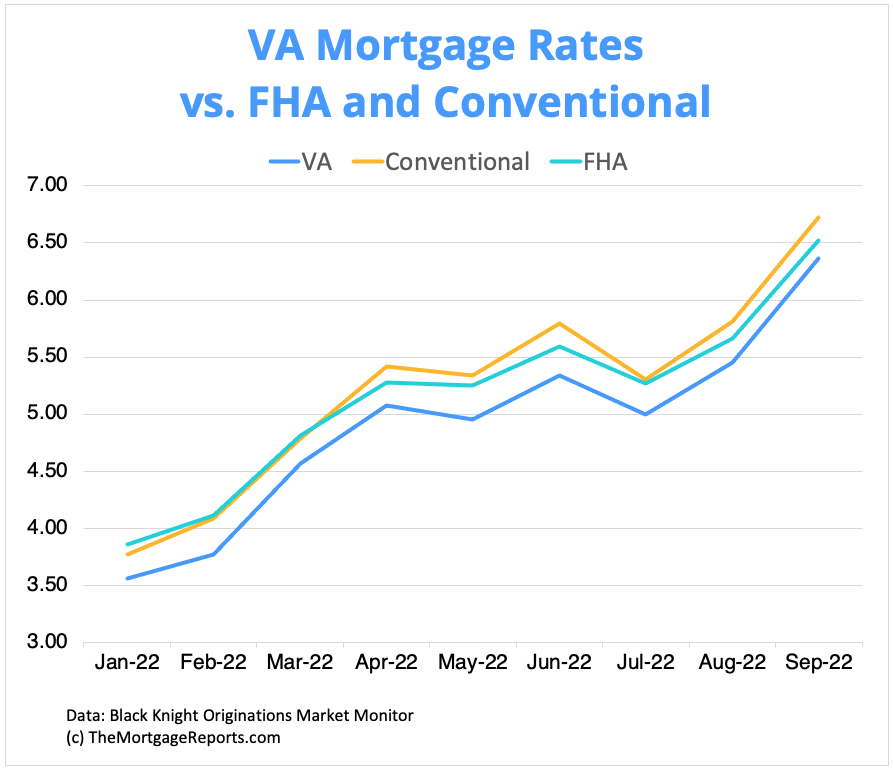
The Macroeconomic Factors Influencing VA Loan Rates
To understand where VA mortgage rates stand today, one must first look at the broader economic environment. Mortgage rates are not set by the Department of Veterans Affairs; rather, they are determined by private lenders who package these loans into securities and sell them to investors. Consequently, several high-level economic indicators dictate the baseline for what a veteran will pay.
The Influence of the Federal Reserve and Inflation
While the Federal Reserve does not directly set mortgage rates, its monetary policy serves as a primary driver. When the Fed adjusts the federal funds rate to combat inflation, the ripple effects are felt throughout the credit markets. In an inflationary environment, the purchasing power of future interest payments is eroded. To compensate for this risk, investors demand higher yields on mortgage-backed securities (MBS). When inflation shows signs of cooling, mortgage rates typically stabilize or decrease, making VA loans even more affordable for the end user.
The 10-Year Treasury Yield Correlation
Historically, there is a strong correlation between the yield on the 10-year Treasury note and 30-year fixed mortgage rates. Investors often view these two assets as competing for the same “safe-haven” capital. When the yield on the 10-year Treasury rises, mortgage rates generally follow suit. For a veteran monitoring the market, watching the daily movement of Treasury yields provides a more accurate real-time picture of where VA rates are headed than following general news headlines.
Market Volatility and Risk Premiums
In times of economic uncertainty, the “spread”—the difference between the 10-year Treasury yield and the average mortgage rate—often widens. Lenders increase this spread to protect themselves against market volatility and the risk of early refinancing. However, because VA loans are backed by the full faith and credit of the U.S. government, the risk premium associated with them is often lower than that of conventional loans, leading to the “VA discount” that many borrowers enjoy.
Why VA Rates Differ from Conventional and FHA Loans
When comparing financial products, the VA loan often emerges as the superior choice for those who qualify. The internal structure of the loan provides unique advantages that translate directly into lower monthly payments and reduced long-term interest costs.
The Power of the Government Guarantee
The core reason VA rates are lower than conventional rates is the VA’s guarantee to the lender. If a borrower defaults, the Department of Veterans Affairs compensates the lender for a portion of the loss. This safety net allows banks to offer lower interest rates because the “cost of risk” is significantly reduced. In contrast, conventional loans rely on private mortgage insurance (PMI) or higher down payments to mitigate risk, neither of which provides the same level of security to the lender as a government backstop.
Absence of Private Mortgage Insurance (PMI)
On a conventional loan, a borrower putting down less than 20% is typically required to pay monthly PMI. This is an additional cost that does not go toward the principal or interest. VA loans require zero down payment and have no monthly PMI requirements. When calculating the “effective” interest rate—the total cost of borrowing—the absence of PMI makes the VA loan significantly more cost-effective, even if the nominal interest rate were identical to a conventional loan.
Strict Limits on Closing Costs
The VA also protects the financial interests of veterans by limiting the types of closing costs and fees that a lender can charge. This ensures that the “Annual Percentage Rate” (APR), which includes the interest rate plus fees, remains transparent and competitive. By capping “junk fees,” the VA ensures that the veteran’s capital is preserved for equity building rather than administrative overhead.
Personal Financial Factors That Impact Your Specific Rate
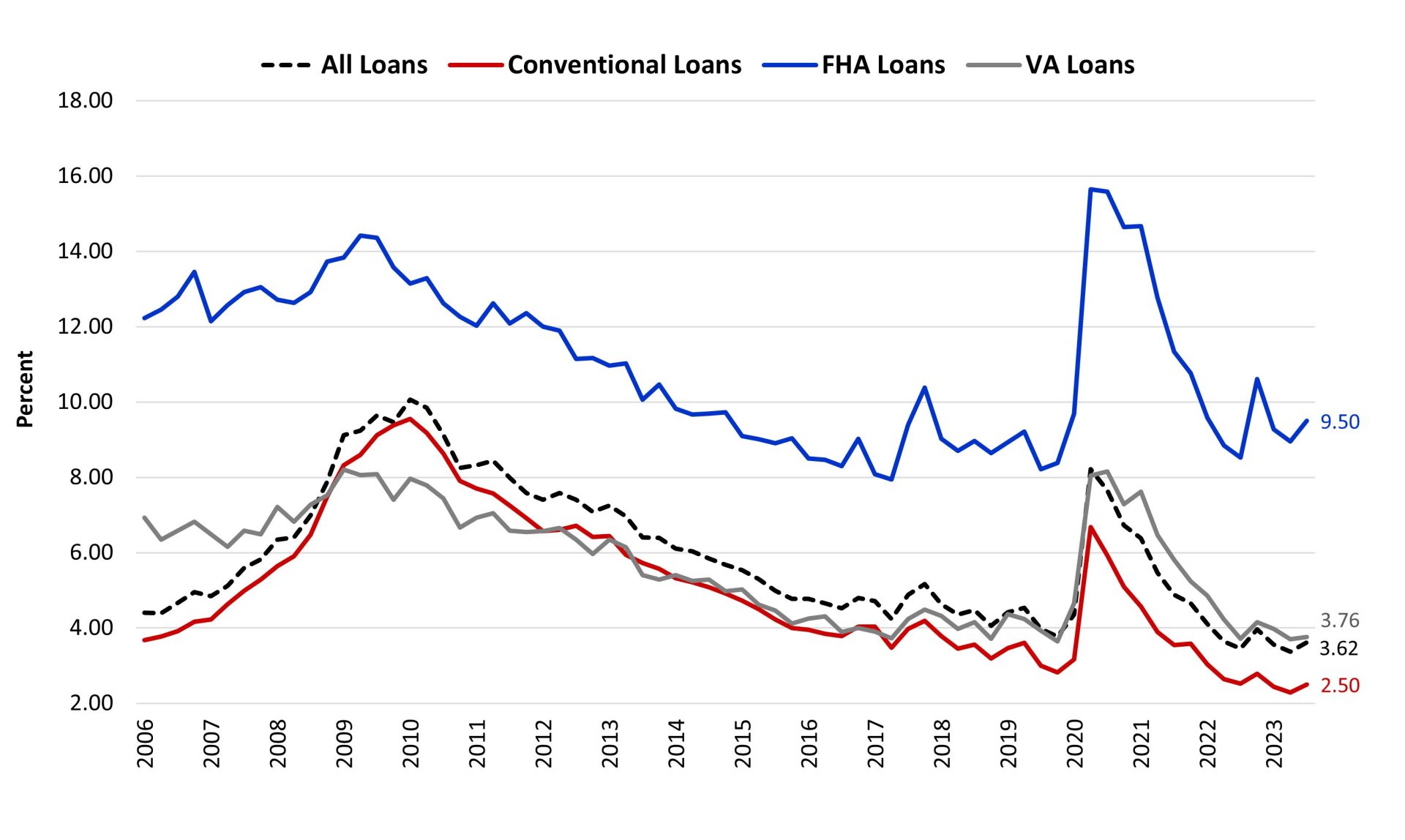
While market conditions set the floor for VA mortgage rates, individual financial profiles determine the final “par rate” offered by a lender. Even within the VA program, which is known for its flexibility, a borrower’s financial health plays a pivotal role in the pricing they receive.
Credit Score and Tiered Pricing
The VA does not technically require a minimum credit score, but individual lenders (the ones actually providing the money) do. Most lenders employ “risk-based pricing.” A borrower with a 740 credit score will almost always receive a better rate than a borrower with a 640 score. This is because a higher score suggests a lower probability of default, allowing the lender to offer a tighter margin. For veterans looking to secure the absolute lowest current rate, improving their credit score by even 20 points can result in savings of tens of thousands of dollars over the life of the loan.
Debt-to-Income (DTI) Ratio and Financial Stability
Lenders evaluate the DTI ratio to ensure the borrower is not over-leveraged. While the VA is more lenient with DTI than conventional lenders—often allowing ratios above 41% if there are compensating factors—a lower DTI often correlates with better loan terms. Lenders look for “residual income,” a VA-specific calculation that ensures the veteran has enough cash left over after all monthly obligations to cover basic living expenses. High residual income signals financial strength, which can sometimes influence a lender’s willingness to offer more favorable rate locks.
The Role of Discount Points
In the current mortgage market, many borrowers choose to “buy down” their interest rate using discount points. One point is equal to 1% of the loan amount and typically lowers the interest rate by 0.25%. From a personal finance perspective, this is an upfront investment to secure a lower recurring cost. For a veteran planning to stay in their home for a decade or more, paying points to secure a lower VA rate can be a savvy financial move, as the “break-even point” is often reached within five to seven years.
Strategies for Securing the Best VA Mortgage Rate
In a fluctuating market, timing and strategy are just as important as eligibility. Securing a competitive VA rate requires a proactive approach to shopping and negotiation.
Comparison Shopping Among Specialized Lenders
Not all lenders treat VA loans the same. Some institutions specialize in VA financing and have streamlined processes that allow them to offer lower rates. It is recommended that borrowers obtain at least three different Loan Estimates. Because VA rates are so competitive, even a 0.125% difference in the rate can have a significant impact on the total interest paid over 30 years. When shopping, it is vital to compare the “Loan Estimate” forms side-by-side, focusing on Section A (Origination Charges) and the bottom-line APR.
Timing the Rate Lock
Once a borrower finds a rate they are comfortable with, they must decide when to “lock” it. A rate lock protects the borrower from market increases during the underwriting process, which can take 30 to 45 days. In a volatile market, waiting too long can result in a higher rate, while locking too early might mean missing out on a dip. Some lenders offer a “float-down” option, which allows the borrower to lock in a rate but potentially lower it if the market improves before closing.
The VA Funding Fee and Its Impact on Loan Value
While not a direct part of the interest rate, the VA Funding Fee is a critical component of the loan’s cost. This one-time fee helps sustain the program for future generations. The fee varies based on the down payment amount and whether it is the veteran’s first time using the benefit. Veterans with a service-connected disability are typically exempt from this fee. Understanding how this fee is financed—whether paid upfront or rolled into the loan—is essential for calculating the total financial commitment of the mortgage.
The Long-Term Wealth Building Potential of VA Financing
Beyond the immediate question of “what is the current rate,” it is important to view the VA loan as a long-term financial instrument. The unique features of the VA program allow for advanced wealth-building strategies that are difficult to replicate with other loan types.
The Interest Rate Reduction Refinance Loan (IRRRL)
One of the most powerful features of the VA program is the IRRRL, often called a “VA Streamline Refinance.” If rates drop after a veteran has purchased a home, the IRRRL allows them to refinance into a lower rate with minimal paperwork, no appraisal, and often no out-of-pocket costs. This “financial insurance” means that even if a veteran buys when rates are relatively high, they have a simplified path to lowering their monthly obligation as soon as the market shifts.
Leveraging Equity Through Zero Down Payment
Because the VA loan allows for 0% down, veterans can preserve their liquidity for other investments. Instead of tying up $50,000 or $100,000 in a home’s equity, a veteran can invest that capital in a diversified brokerage account or a retirement fund. If the return on those investments exceeds the interest rate of the VA loan, the veteran is effectively using “arbitrage” to grow their net worth more rapidly. This makes the current VA rate not just a cost of borrowing, but a benchmark for investment strategy.

Portability and the Entitlement Benefit
The VA loan benefit is not a one-time use program. Veterans can have multiple VA loans or use their entitlement again after a previous loan is paid off. This portability allows veterans to build a real estate portfolio over time, moving from one primary residence to another while maintaining low-interest, government-backed financing.
In conclusion, while the current mortgage rate for a VA loan is subject to the whims of the global economy and individual credit profiles, it remains the most competitive financing option for the military community. By understanding the interplay between market forces, personal financial health, and the unique structural benefits of the VA program, borrowers can secure a rate that serves as a foundation for long-term financial stability and homeownership success. Knowing the rate is the first step; understanding the value is the key to building lasting wealth.
aViewFromTheCave is a participant in the Amazon Services LLC Associates Program, an affiliate advertising program designed to provide a means for sites to earn advertising fees by advertising and linking to Amazon.com. Amazon, the Amazon logo, AmazonSupply, and the AmazonSupply logo are trademarks of Amazon.com, Inc. or its affiliates. As an Amazon Associate we earn affiliate commissions from qualifying purchases.