
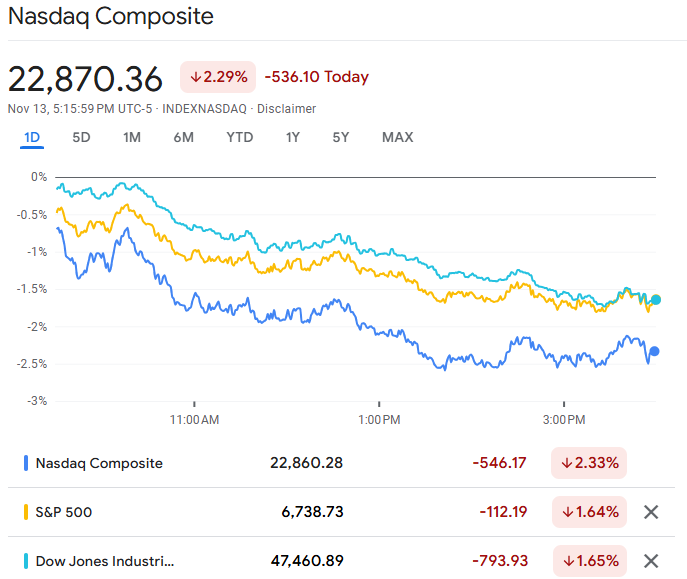
Market fluctuations are an inherent feature of the global financial system, a dynamic interplay of countless variables that can bewilder even seasoned investors. When the market experiences a downturn, the immediate reaction for many is often a mix of concern, curiosity, and a desire to understand the underlying causes. Today’s dip, while perhaps alarming in the moment, is a complex event often attributable to a confluence of factors, ranging from macroeconomic shifts to evolving investor sentiment. Understanding these drivers is not just about satisfying curiosity; it’s about equipping oneself with the knowledge to make informed decisions in a volatile financial landscape.
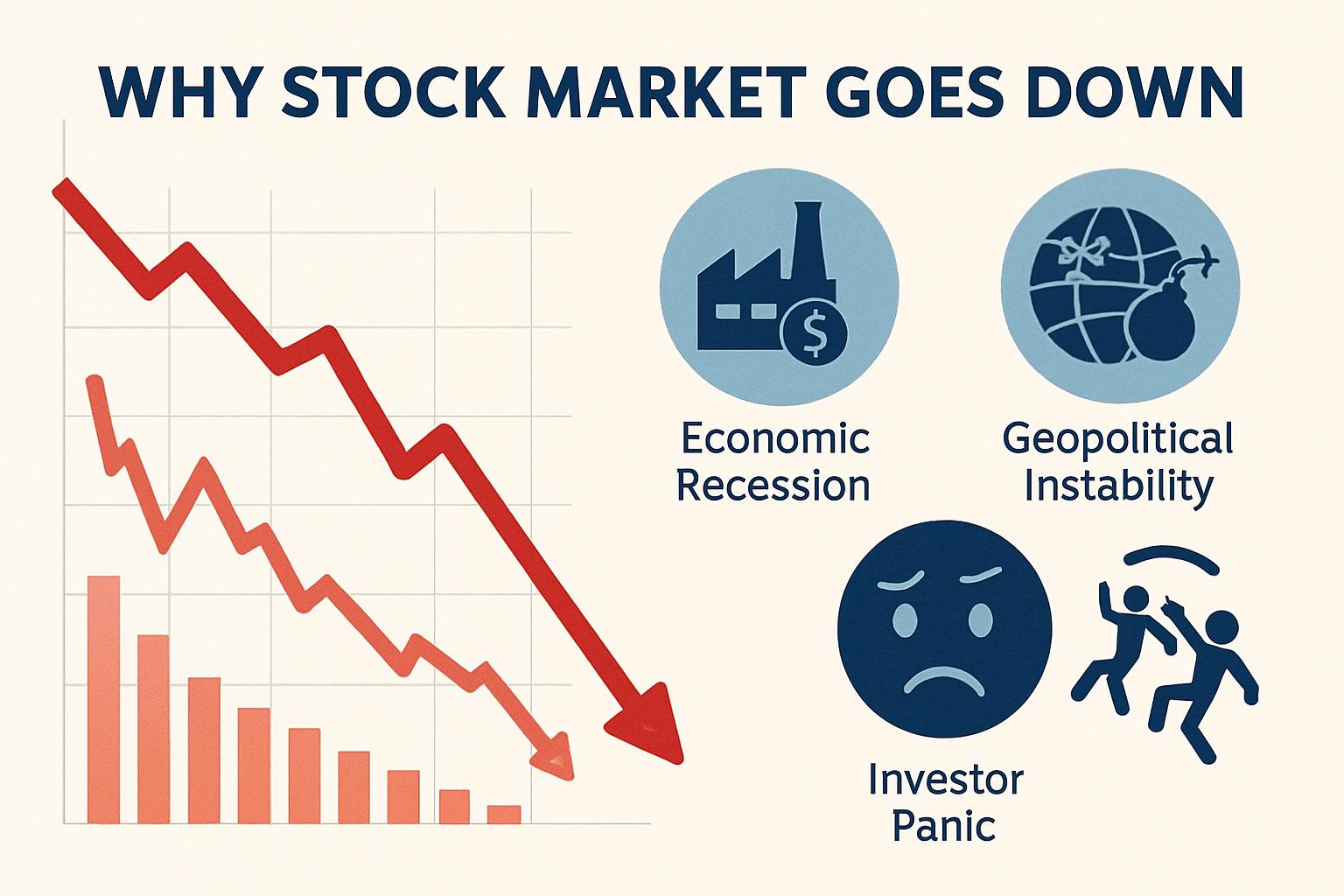
Understanding Market Volatility: A Daily Reality
The stock market is a vibrant, often unpredictable barometer of economic health and corporate performance. Its movements, up or down, are never truly arbitrary; they are the aggregated outcome of millions of transactions, each driven by individual perceptions of value, risk, and future prospects. A single day’s decline, therefore, is rarely indicative of a catastrophic event but rather a reflection of immediate pressures and changing expectations.
The Intricacies of Market Mechanics
At its core, the market operates on supply and demand. When there are more sellers than buyers for a significant number of stocks, prices fall across the board, leading to a market downturn. This imbalance can be triggered by a wide array of catalysts. Major financial institutions, hedge funds, and individual investors constantly re-evaluate their portfolios based on new information, economic data releases, corporate earnings reports, geopolitical developments, and even technical indicators. High-frequency trading algorithms, reacting to micro-events in milliseconds, also play a significant role in amplifying or dampening movements, contributing to the perceived speed and intensity of market shifts. The sheer volume and speed of information dissemination in the digital age mean that news, good or bad, can ripple through markets globally with unprecedented swiftness, making rapid market responses a common occurrence.
Differentiating Corrections from Crashes
It’s crucial for investors to distinguish between a market correction and a market crash. A market correction is typically defined as a decline of 10% or more from a recent peak, and these are fairly common, occurring, on average, once every 1-2 years. They are often healthy, helping to reset valuations and prevent overheating. A market crash, conversely, involves a much more severe and rapid decline, often 20% or more, usually driven by systemic issues, widespread panic, or a major economic shock. Today’s movement, while a downturn, needs to be contextualized within this framework. Most daily dips are minor corrections or even just normal volatility, reflecting a market in constant search for equilibrium, rather than the onset of a devastating crash. Recognizing this distinction can prevent hasty decisions driven by fear.
Key Factors Driving Today’s Downturn
Pinpointing the exact reason for a specific day’s market decline is challenging, as multiple forces often converge. However, we can generally categorize the primary drivers into several key areas that frequently influence market sentiment and asset valuations.
Macroeconomic Headwinds
One of the most potent forces influencing market direction is the macroeconomic environment. Concerns about persistent inflation, for instance, can lead investors to worry about eroding corporate profits and consumer purchasing power. In response, central banks may signal or enact interest rate hikes, which can increase borrowing costs for businesses and consumers, slow economic growth, and make bonds more attractive relative to stocks. Geopolitical tensions, such as conflicts, trade disputes, or political instability in major economic regions, can introduce significant uncertainty, disrupting supply chains, affecting commodity prices, and dampening global investment appetite. When a confluence of these factors emerges, the market often reacts by pricing in a higher degree of risk, leading to sell-offs.
Corporate Earnings and Sector-Specific Shocks
Beyond the broader economy, the health of individual companies and sectors plays a direct role. Disappointing corporate earnings reports, particularly from bellwether companies or those in influential sectors (like technology or finance), can send negative signals across the entire market. If several key companies miss their revenue or profit forecasts, or if they provide cautious guidance for future quarters, it can suggest a weakening economic environment or increased competition. Furthermore, sector-specific shocks, such such as regulatory changes impacting a particular industry (e.g., new environmental laws for energy companies, antitrust investigations for tech giants), or a sudden shift in consumer preferences, can trigger sell-offs within that sector that then cascade to the broader market, especially if the sector holds significant weight in major indices.
Investor Sentiment and Behavioral Economics
Markets are not purely rational entities; they are heavily influenced by human psychology. Investor sentiment, the overall mood of the market participants, can shift rapidly. Fear and greed are powerful emotions that can lead to herd behavior. Negative news, even if minor, can trigger a wave of selling as investors panic, leading others to follow suit to avoid further losses. This self-fulfilling prophecy can exacerbate downturns. Conversely, periods of excessive optimism can lead to asset bubbles. The advent of social media and instant communication has amplified these behavioral dynamics, making sentiment a more immediate and potent market mover than ever before. Factors like a sudden drop in consumer confidence indices or a rise in fear gauges (like the VIX index) can signal a shift in sentiment that contributes to market declines.
The Broader Economic Landscape: What’s the Underlying Story?
To truly grasp why the market moved today, it’s essential to look beyond the immediate headlines and consider the deeper currents of the global economic landscape. Market movements are often a reflection of expectations about the future, heavily influenced by policy decisions and interconnected global forces.
Central Bank Policies and Their Ripple Effects
Central banks, most notably the U.S. Federal Reserve, the European Central Bank, and the Bank of Japan, wield immense power over financial markets. Their primary tools are interest rates and quantitative easing/tightening. When inflation is high, central banks often raise interest rates to cool the economy. While intended to stabilize prices, higher rates increase the cost of borrowing for businesses and consumers, potentially slowing economic growth and reducing corporate profits. This makes future earnings less valuable and can lead to a re-evaluation of stock prices. Conversely, during economic downturns, central banks might lower rates or implement quantitative easing to stimulate growth. Any signal or action from a major central bank regarding monetary policy can send immediate ripples through global equity, bond, and currency markets, directly impacting investor confidence and asset allocation decisions.
Global Economic Interconnectedness
No major economy operates in isolation. The world’s financial markets are deeply interconnected, meaning events in one region can quickly impact others. For example, a slowdown in China, a major manufacturing hub and consumer market, can reduce demand for goods and services globally, affecting corporate revenues in Europe and the Americas. Similarly, political instability or economic crises in emerging markets can trigger capital outflows and risk aversion that impact developed markets. Supply chain disruptions, often highlighted by recent global events, illustrate this interconnectedness vividly. A factory shutdown in one country due to a natural disaster or pandemic can create shortages and higher costs for businesses worldwide, ultimately squeezing profit margins and leading to market concern.
Political Uncertainty and Policy Impacts
Political stability and clear policy directions are vital for market confidence. Political uncertainty, whether stemming from upcoming elections, internal government disputes, or international diplomatic tensions, can deter investment and lead to cautious market behavior. Changes in government policy, particularly concerning taxation, regulation, trade agreements, or spending, can have profound effects on specific industries or the entire economy. For instance, new tariffs can hurt import/export-dependent companies, while changes in corporate tax rates directly impact profitability. The predictability of policy is often as important as the policy itself; sudden shifts or a lack of clear direction can introduce a level of risk that markets dislike, often leading to downward pressure as investors seek safer havens.
Navigating the Downturn: Strategies for Investors
While understanding the “why” behind a market downturn is important, perhaps even more critical is knowing “what to do.” Market dips, while unsettling, are a normal part of the investing cycle and, for long-term investors, can present opportunities rather than just risks.
The Importance of a Long-Term Perspective
One of the most common mistakes investors make during a downturn is to panic and sell their holdings. Historically, markets have always recovered from downturns, often reaching new highs over time. Adopting a long-term perspective means recognizing that short-term volatility is noise, and focusing on your financial goals years or decades away. Compounding returns work best when investments are given time to grow, weathering market cycles. Warren Buffett’s famous advice, “Our favorite holding period is forever,” underscores the value of patience and conviction in quality investments. Selling into a panic often locks in losses and means missing out on the inevitable recovery, which can be swift and strong.
Diversification as a Shield
A well-diversified portfolio is an investor’s best defense against market volatility. Diversification means spreading your investments across various asset classes (stocks, bonds, real estate, commodities), different industries, geographic regions, and company sizes. When one part of your portfolio is performing poorly, another part might be holding steady or even performing well. For instance, during a stock market downturn, bonds often perform better as investors seek safety. A diversified portfolio helps smooth out returns over time, reducing overall risk and preventing any single downturn from devastating your entire financial plan.
Rebalancing and Dollar-Cost Averaging
Downturns can be an opportune time for strategic adjustments. Rebalancing involves periodically adjusting your portfolio back to your target asset allocation. If stocks have fallen significantly, they might now represent a smaller portion of your portfolio than your target. Rebalancing would mean selling some assets that have performed well (e.g., bonds) and buying more of the undervalued assets (e.g., stocks). This disciplined approach forces you to “buy low and sell high.” Similarly, dollar-cost averaging involves investing a fixed amount of money at regular intervals, regardless of market conditions. During a downturn, your fixed investment buys more shares at lower prices, which can significantly boost your average return when the market eventually recovers.
Avoiding Emotional Decisions
Fear and greed are powerful enemies of sound investing. During market downturns, the emotional urge to sell and “stop the bleeding” can be overwhelming. However, successful investing often requires a counter-intuitive approach: be greedy when others are fearful, and fearful when others are greedy. Develop an investment plan that aligns with your risk tolerance and financial goals, and then stick to it. Avoid constantly checking your portfolio, which can amplify emotional responses. Instead, focus on the fundamentals of your investments, their long-term prospects, and your pre-established strategy. If necessary, consult with a financial advisor to help you maintain discipline and make rational decisions during turbulent times.
Looking Ahead: What to Monitor Next
While the immediate causes of today’s market dip might recede, the factors that influence market sentiment are constantly evolving. For investors, staying informed about key indicators and potential catalysts is essential for anticipating future movements and adjusting strategies proactively.
Key Economic Indicators
Moving forward, keep a close watch on critical economic data releases. These include inflation reports (Consumer Price Index, Producer Price Index), which will signal whether price pressures are abating or intensifying; interest rate decisions from central banks, as their policy stance directly impacts borrowing costs and economic growth; employment data (job growth, unemployment rates), which reflect the health of the labor market and consumer spending capacity; and GDP growth figures, providing an overall picture of economic expansion or contraction. Strong economic data can boost confidence, while persistent weakness or surprising negative trends can trigger further market apprehension.
Corporate Announcements and Guidance
Beyond broad economic data, individual company performance and outlook remain crucial. Pay attention to corporate earnings reports for the upcoming quarter, particularly from leading companies in key sectors. Listen carefully to management guidance on future revenues, profits, and capital expenditures. Companies’ outlooks often provide granular insights into their specific industries, supply chain health, and consumer demand trends. Any surprises, positive or negative, from these reports can significantly influence sector-specific performance and cascade to the broader market. Mergers, acquisitions, and major product launches can also drive sentiment.

The Role of Financial Media and Expert Analysis
Staying engaged with reputable financial news sources and expert analysis can offer valuable perspectives, but with a caveat. While financial media can highlight important trends and provide diverse viewpoints, it’s vital to consume information critically. Avoid sensationalist headlines and focus on well-researched, balanced reports. Expert analysis can help interpret complex data and policy implications, but remember that no one has a crystal ball. Use these resources to inform your understanding, cross-reference different opinions, and challenge your own assumptions, rather than blindly following hot takes. Ultimately, your investment decisions should align with your personal financial goals, risk tolerance, and carefully considered strategy.
In conclusion, today’s market downturn is a snapshot in time, a reaction to an intricate web of economic, corporate, and psychological factors. While disconcerting, it serves as a powerful reminder of the market’s dynamic nature and the enduring importance of a disciplined, informed, and long-term approach to investing. By understanding the forces at play and adhering to sound financial principles, investors can navigate these inevitable periods of volatility with greater confidence and resilience.
aViewFromTheCave is a participant in the Amazon Services LLC Associates Program, an affiliate advertising program designed to provide a means for sites to earn advertising fees by advertising and linking to Amazon.com. Amazon, the Amazon logo, AmazonSupply, and the AmazonSupply logo are trademarks of Amazon.com, Inc. or its affiliates. As an Amazon Associate we earn affiliate commissions from qualifying purchases.