
Navigating the landscape of personal finance requires a fundamental understanding of the tools and identifiers that keep your money moving. Among the most critical pieces of information in your financial toolkit is your checking account number. While it may seem like a simple string of digits, this unique identifier is the primary address for your liquid assets, enabling everything from the receipt of your hard-earned paycheck to the seamless payment of monthly utilities.
In an era where digital banking has largely supplanted physical ledger books, knowing exactly where and how to locate this number is essential for maintaining financial agility. Whether you are setting up a new investment account, organizing a side hustle’s payment structure, or simply automating your savings, your checking account number is the key that unlocks these functionalities.

Locating Your Account Number Through Physical and Digital Channels
The modernization of the banking industry has provided consumers with multiple avenues to access their sensitive financial data. Depending on your preference for tactile documents or digital interfaces, there are four primary methods to find your checking account number quickly and securely.
The Anatomy of a Physical Check
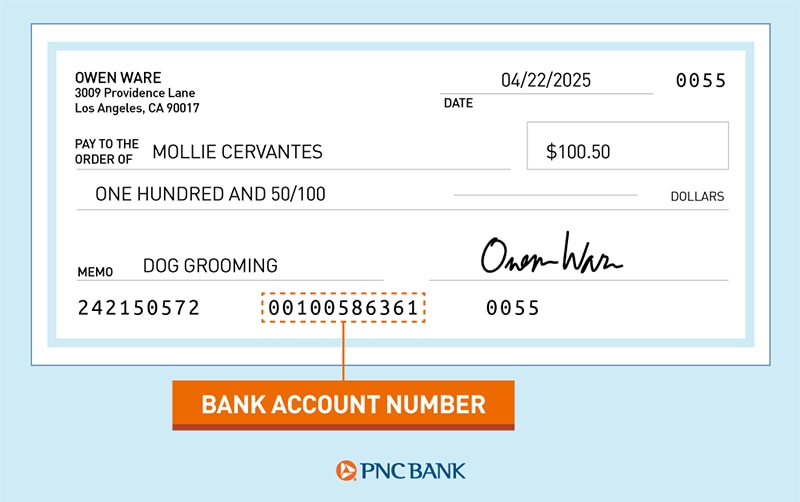
For those who still maintain a physical checkbook, the most direct way to find your account number is by looking at the bottom of a check. At the base of every standard personal check is a row of numbers printed in a specialized magnetic ink character recognition (MICR) font. This line typically contains three distinct sets of numbers:
-
The Routing Number: This is a nine-digit code located on the far left. It identifies your specific financial institution within the Federal Reserve System.
-
The Account Number: Usually located in the middle of the MICR line, this unique identifier is typically between 8 and 12 digits long, though it can vary by bank.
-
The Check Number: Found on the far right, this matches the number in the top right corner of the check and is used for internal tracking of individual transactions.
It is important to note that some banks may swap the order of the account and check numbers, or include extra symbols. If you see a sequence that looks unfamiliar, the account number is almost always the longest string of digits following the nine-digit routing number.
Mobile Banking Applications
In the contemporary financial environment, mobile apps have become the primary touchpoint for account management. To find your account number on a smartphone:
-
Log in using biometric authentication or your secure passcode.
-
Select the specific checking account you wish to view.
-
Look for a tab or link labeled “Account Details,” “Account Info,” or a small “i” icon.
-
Many apps mask the account number for security (showing only the last four digits). Look for an “eye” icon or a “Show” button to reveal the full string of digits.
Online Banking Portals
If you are working from a desktop or laptop, the process is similar to the mobile experience but often offers more comprehensive documentation. Once logged into your bank’s secure web portal, navigate to the dashboard. Your account number is usually listed under the “Account Summary” section. Furthermore, many online platforms provide a “Direct Deposit” link that generates a pre-filled PDF form containing your routing and account numbers, which can be saved for future reference.
Monthly Bank Statements
Your monthly statement is a legal document that serves as a definitive record of your financial activity. Whether you receive these in the mail or download them as electronic statements (e-statements), the account number is prominently displayed, usually at the top of the first page. This is often the most reliable way to verify your account number if you are concerned about digital interface errors.
Distinguishing Between Account and Routing Numbers
A common point of confusion in personal finance management is the distinction between the checking account number and the routing transit number (RTN). While they are often used in tandem, they serve vastly different purposes in the movement of capital.
The Purpose of the Routing Number
Think of the routing number as the “zip code” for your bank. It tells the financial system which institution holds your money. Every bank has at least one routing number, though larger national banks may have different routing numbers for different regions or types of transactions (such as wire transfers versus ACH payments). When you provide a routing number, you are essentially telling the sender, “My money is located at Bank X.”

The Specificity of the Account Number
If the routing number is the zip code, the account number is the specific “street address” of your funds. It is unique to you. No two individuals at the same bank will share an account number. This specificity is why the account number is treated with a higher level of security than the routing number. While routing numbers are public information and can often be found on a bank’s public-facing website, your account number must be kept private to prevent unauthorized access to your wealth.
When to Use Each
You will almost always need both numbers for:
-
Direct Deposits: Ensuring your employer knows which bank and which specific account to send your salary to.
-
Automatic Bill Pay: Allowing service providers (like mortgage companies or internet providers) to pull funds directly from your liquid reserves.
-
Tax Refunds: The IRS requires both numbers to deposit your refund directly into your account, which is significantly faster than waiting for a paper check.
Security Protocols and Protecting Your Sensitive Data
Because your checking account number provides a direct pathway to your liquid cash, protecting it is a cornerstone of digital security and identity theft prevention. Professional financial management requires a proactive approach to safeguarding this data.
Avoiding Phishing and Social Engineering
One of the most common ways account numbers are compromised is through phishing. Scammers may send emails or text messages masquerading as your bank, asking you to “verify” your account number due to a suspicious transaction. Authentic financial institutions will never ask you to provide your full account number via an unencrypted email or text message. Always navigate directly to the official bank website or use the verified app rather than clicking on external links.
The Risks of Public Wi-Fi
Accessing your banking information over public Wi-Fi networks—such as those in cafes or airports—exposes your data to potential “man-in-the-middle” attacks. If you must find your account number while on the go, ensure you are using a secure cellular connection or a reputable Virtual Private Network (VPN) to encrypt your traffic.
Proper Disposal of Financial Documents
For those who prefer physical statements or use checks, physical security is just as important as digital security. Old checks, expired debit cards, and monthly statements should never be thrown into the trash intact. Invest in a high-quality cross-cut shredder to ensure that your account number cannot be harvested by “dumpster divers” looking for sensitive financial identifiers.
Monitoring for Unauthorized Use
Even with the best security, breaches can occur. The most effective defense is consistent monitoring. By reviewing your transaction history weekly, you can identify small, unauthorized “test” transactions that often precede larger thefts. If you ever suspect your account number has been compromised, contact your bank immediately to freeze the account and issue a new account number.
The Role of the Account Number in Wealth Building
While finding your account number is a tactical necessity, understanding its role in a broader financial strategy is what leads to long-term wealth building. The checking account is the “hub” of your financial life, and the account number is the connector that allows that hub to interact with “spokes” like investment platforms and savings vehicles.
Streamlining Investments
Most brokerage firms and robo-advisors require your checking account number to facilitate the transfer of capital into the market. By automating this process—setting up a recurring “pull” from your checking account to your investment account—you leverage the principle of dollar-cost averaging. This removes the emotional hurdle of manual investing and ensures that a portion of your income is consistently put to work.
Maximizing High-Yield Savings
In a high-interest-rate environment, leaving excessive cash in a standard checking account can be a missed opportunity. Using your account number to link your primary checking account with a high-yield savings account (HYSA) allows you to maintain liquidity while earning a much higher return on your emergency fund. The ability to move money seamlessly between these accounts via their respective account numbers is vital for optimizing your interest income.
Managing Side Hustles and Business Income
For those pursuing online income or side hustles, the checking account number is the mechanism for getting paid. Whether you are using payment processors like Stripe or PayPal, or receiving direct ACH transfers from clients, having your account details organized ensures that your business cash flow remains uninterrupted. Professionalism in finance often starts with the ability to provide accurate banking details at a moment’s notice, facilitating faster payments and clearer bookkeeping.
In summary, your checking account number is more than just a sequence of digits; it is a fundamental component of your financial identity. By knowing where to find it—whether on a physical check, a mobile app, or a bank statement—and understanding how to protect it, you empower yourself to navigate the modern economy with confidence. Mastering these basics of personal finance management creates a stable foundation upon which more complex investment and wealth-building strategies can be built.
aViewFromTheCave is a participant in the Amazon Services LLC Associates Program, an affiliate advertising program designed to provide a means for sites to earn advertising fees by advertising and linking to Amazon.com. Amazon, the Amazon logo, AmazonSupply, and the AmazonSupply logo are trademarks of Amazon.com, Inc. or its affiliates. As an Amazon Associate we earn affiliate commissions from qualifying purchases.