
In the intricate tapestry of modern finance, the question “What’s the stock market at?” resonates with a fundamental importance for individuals, businesses, and policymakers alike. It’s a query that transcends a simple numerical answer, instead probing the health of economies, the direction of innovation, and the collective sentiment of global investors. The stock market is not merely a collection of numbers flashing on screens; it is a dynamic, living entity that reflects hopes, fears, and the tangible results of human endeavor. Understanding its current position and underlying currents is paramount for anyone seeking to build wealth, secure their financial future, or simply make informed decisions in an increasingly interconnected world.
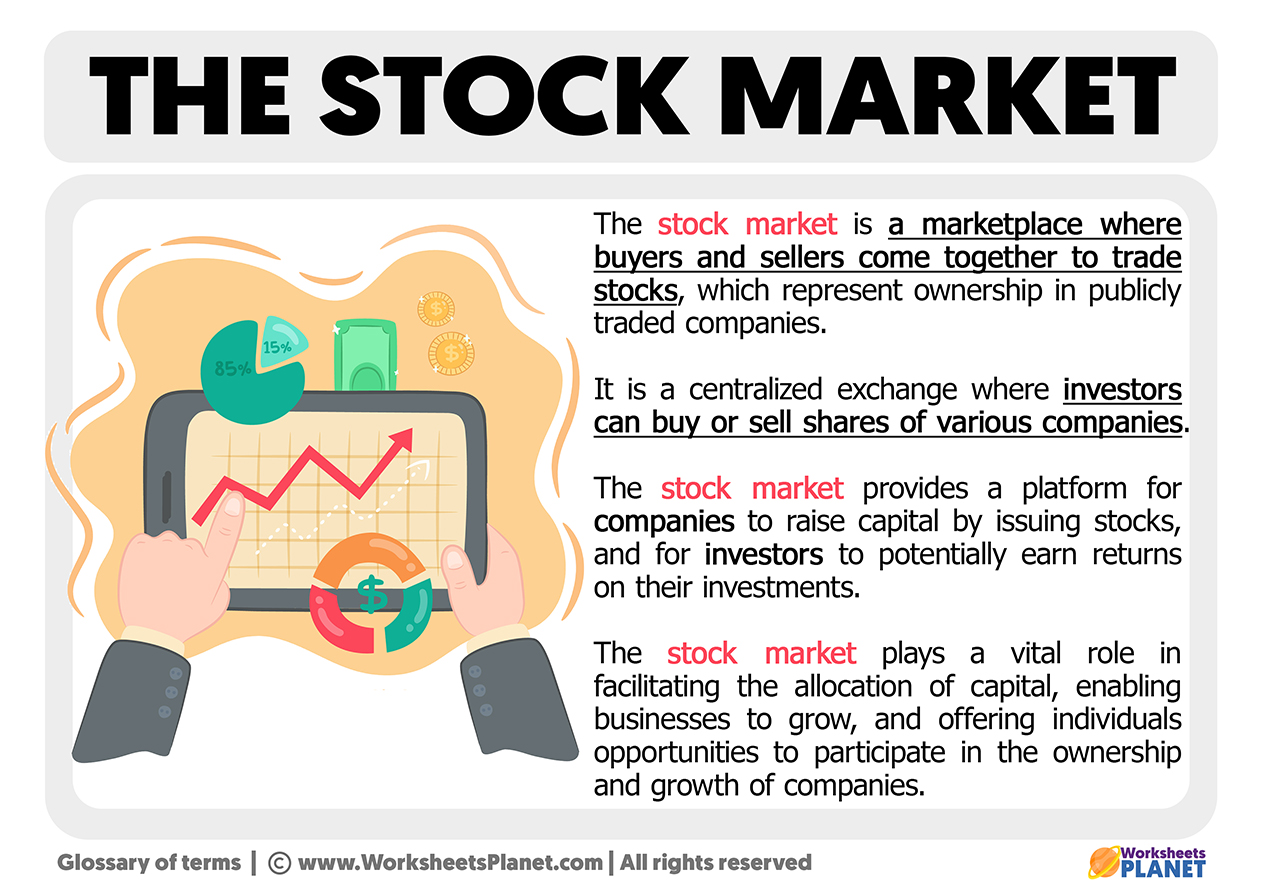
Today’s financial landscape is characterized by rapid information flow, technological advancements, and persistent global uncertainties. From geopolitical tensions to technological breakthroughs, every major event can ripple through market indices, influencing everything from the price of a gallon of milk to the valuation of a multinational corporation. This article aims to cut through the noise, providing a professional, insightful, and engaging overview of the stock market’s current state, the forces shaping it, and actionable strategies for investors to navigate these complex waters effectively within the “Money” niche. We will delve into key indicators, explore the drivers of volatility, and discuss pragmatic approaches to investing, all designed to empower you with a clearer perspective on “what the stock market is at” and what it might mean for your financial journey.
The Current Pulse: Key Market Indicators and Trends
To truly grasp the stock market’s current position, one must look beyond superficial headlines and delve into the core indicators that paint a comprehensive picture. These metrics provide a snapshot of market health, investor confidence, and underlying economic strength.
Major Indices at a Glance: S&P 500, Dow, Nasdaq
The stock market’s headline performance is often distilled through the lens of its major indices. These benchmarks represent different segments of the market and offer distinct insights:
-
The S&P 500 (Standard & Poor’s 500): Widely considered the best gauge of large-cap U.S. equities and a proxy for the broader economy, the S&P 500 comprises 500 leading U.S. publicly traded companies. Its movements often reflect the general health and direction of corporate America. A rising S&P 500 typically signals broad investor optimism and corporate profitability, while a decline suggests widespread concerns. Its current level, and whether it’s trading at or near all-time highs, undergoing a correction, or in a bear market, provides a critical benchmark for the overall market’s sentiment.
-
The Dow Jones Industrial Average (DJIA): Consisting of 30 prominent American companies, the Dow is often cited as a traditional indicator of industrial and mature company performance. While less diversified than the S&P 500, its movements are closely watched due to the influential nature of its constituent companies. The Dow’s trajectory can indicate the performance of established titans of industry and their ability to generate consistent returns in the prevailing economic climate.
-
The Nasdaq Composite: Heavily weighted towards technology and growth companies, the Nasdaq is a crucial barometer for innovation and future-oriented sectors. Its performance often reflects investor appetite for risk and the potential for disruptive technologies. When the Nasdaq is soaring, it often signifies a robust environment for technological advancement and venture capital, whereas a downturn might indicate a shift away from high-growth speculative assets towards more stable investments.
Observing the concurrent movements and divergences among these indices offers a nuanced view. For instance, a strong S&P 500 coupled with a lagging Nasdaq might suggest a rotation from growth to value stocks, or vice-versa.
Economic Influences on Market Performance
Beyond the indices themselves, macroeconomic factors exert a profound influence on stock market valuations and investor behavior. These are the fundamental drivers that dictate the earnings potential of companies and the cost of capital.
-
Inflation: The rate at which prices for goods and services are rising impacts corporate costs, consumer purchasing power, and monetary policy. High inflation erodes profits and consumer confidence, often leading central banks to raise interest rates, which can dampen market enthusiasm. Conversely, stable, moderate inflation can be a sign of a healthy growing economy.
-
Interest Rates: Controlled by central banks (like the Federal Reserve in the U.S.), interest rates are a potent tool. Higher rates increase borrowing costs for businesses and consumers, slowing economic activity and making bonds more attractive relative to stocks. Lower rates tend to stimulate economic growth and make equity investments more appealing, as the cost of capital is cheaper and the discount rate for future earnings is lower.
-
GDP Growth: Gross Domestic Product (GDP) measures the total output of goods and services in an economy. Robust GDP growth typically correlates with stronger corporate earnings and a more vibrant job market, which are bullish for stocks. Conversely, sluggish or negative GDP growth can signal an impending recession and bear market conditions.
-
Employment Data: Key indicators like the unemployment rate, non-farm payrolls, and wage growth provide insights into consumer health and economic momentum. A strong labor market suggests healthy consumer spending and corporate demand, contributing positively to market sentiment. A weakening job market can foreshadow economic slowdowns.
Sectoral Performance and Hot Trends
The overall market often masks significant divergences in individual sector performance. Identifying these trends is key to understanding where capital is flowing.
-
Technology: Often a market leader, the tech sector’s performance is heavily influenced by innovation, interest rates (due to its growth-oriented nature), and global demand for digital services.
-
Energy: Tied directly to commodity prices (oil, natural gas) and geopolitical stability.
-
Healthcare: Generally considered defensive, but also driven by drug development, demographics, and regulatory changes.
-
Financials: Sensitive to interest rate movements, economic growth, and regulatory environments.
-
Consumer Discretionary vs. Consumer Staples: Discretionary stocks (e.g., luxury goods, entertainment) thrive in strong economies, while staples (e.g., food, household products) tend to be more resilient during downturns.
Recognizing which sectors are experiencing tailwinds (e.g., AI, renewable energy) and which are facing headwinds (e.g., traditional fossil fuels, highly leveraged industries in a rising rate environment) provides a granular view of the market’s internal dynamics.
Understanding Market Volatility and Its Drivers
Volatility is an inherent characteristic of financial markets, often described as periods of rapid and unpredictable price changes. While it can be unsettling, understanding its drivers is crucial for making informed investment decisions and not succumbing to panic.
Geopolitical Factors and Global Events
The interconnectedness of the global economy means that events far from Wall Street can have immediate and profound impacts.
-
Wars and Conflicts: Geopolitical instability can disrupt supply chains, escalate energy prices, and create widespread uncertainty, leading investors to seek safer assets or reduce exposure to risk.
-
Trade Tensions and Sanctions: Disputes between major economic powers can impact corporate profits, impose tariffs, and slow global trade, causing market jitters.
-
International Relations and Alliances: Changes in diplomatic ties or the formation of new alliances can affect global economic policies, market access, and investment flows.
-
Pandemics and Public Health Crises: As demonstrated recently, global health emergencies can trigger widespread economic shutdowns, supply chain disruptions, and massive shifts in consumer behavior, leading to extreme market volatility.
Central Bank Policies and Monetary Tightening/Easing
Central banks are arguably the most influential players in shaping market conditions, primarily through their control over monetary policy.
-
Interest Rate Hikes/Cuts: The most direct tool, raising interest rates is a “tightening” measure designed to cool an overheating economy and combat inflation. It increases the cost of borrowing for businesses and consumers, potentially slowing growth and making equities less attractive. Conversely, cutting rates (“easing”) stimulates economic activity and makes investing in stocks more appealing.
-
Quantitative Easing (QE) / Quantitative Tightening (QT): QE involves central banks buying government bonds and other assets to inject liquidity into the financial system, lowering long-term interest rates and encouraging investment. QT, the reverse, involves reducing the central bank’s balance sheet, which removes liquidity and can put upward pressure on long-term rates. These policies significantly impact the availability and cost of capital, influencing asset prices across the board.
-
Forward Guidance: Central banks also influence markets by communicating their future intentions regarding monetary policy. This “forward guidance” can shape market expectations, even before concrete actions are taken, leading to preemptive market movements.
Corporate Earnings and Investor Sentiment
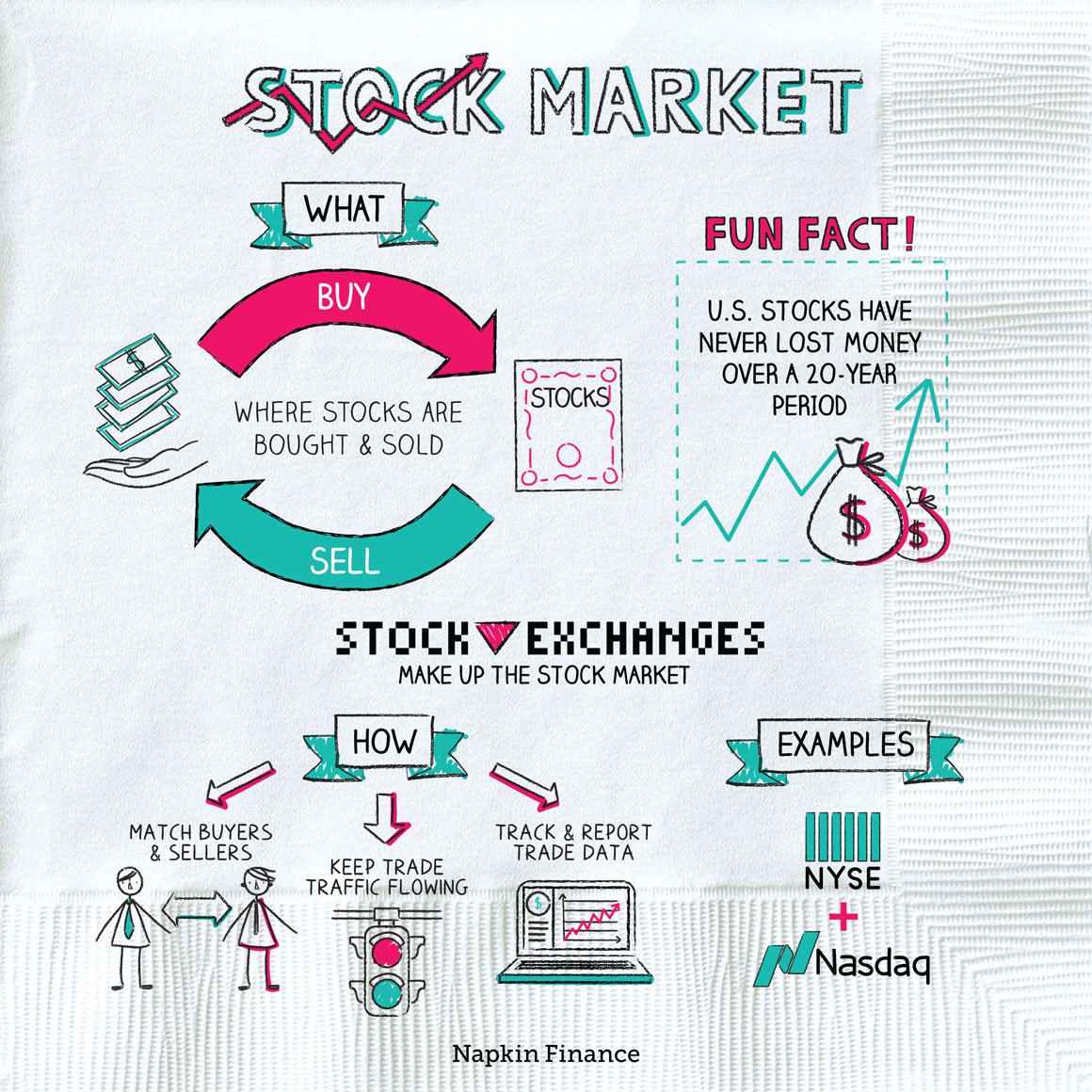
Ultimately, the stock market reflects the aggregate expectations for corporate profitability.
-
Corporate Earnings Reports: Quarterly earnings releases are critical catalysts. Strong earnings and positive forward guidance can propel stock prices higher, while misses or cautious outlooks can trigger sharp declines. Analysts meticulously track these reports for insights into company health and broader economic trends.
-
Investor Sentiment: This refers to the overall attitude of investors towards a particular market or asset. It’s often driven by a mix of economic data, corporate news, geopolitical events, and even psychological factors like fear and greed. Sentiment indicators, such as the CBOE Volatility Index (VIX) – often called the “fear index” – or consumer confidence surveys, can provide clues about market direction. High investor confidence often fuels bullish runs, while fear can lead to panicked selling and market corrections. Social media and news cycles also play an increasingly important role in shaping and amplifying sentiment.
Strategies for Investors in the Current Climate
Given the inherent complexities and volatility of the stock market, adopting a strategic approach is essential for long-term success. Rather than reacting impulsively to every market fluctuation, investors benefit from a disciplined, goal-oriented methodology.
The Importance of Diversification
Diversification is perhaps the most fundamental principle of sound investing, especially in a dynamic market. It’s about not putting all your eggs in one basket.
-
Across Asset Classes: This involves spreading investments across different types of assets, such as stocks, bonds, real estate, and potentially commodities or alternative investments. Each asset class reacts differently to economic conditions, helping to smooth out overall portfolio returns. For example, bonds may perform well when stocks are struggling.
-
Across Industries/Sectors: Within equities, diversifying across various industries (e.g., technology, healthcare, energy, consumer staples) reduces the impact of a downturn in any single sector. A technology stock slump might be offset by resilience in the healthcare sector.
-
Across Geographies: Investing in international markets alongside domestic ones can provide exposure to different economic growth cycles and currencies, further reducing concentrated risk. Emerging markets, for instance, may offer higher growth potential but also come with higher risk.
-
Company Size/Market Cap: Diversifying between large-cap, mid-cap, and small-cap companies can also be beneficial, as different-sized companies perform differently across various market cycles.
Long-Term vs. Short-Term Perspectives
A crucial aspect of investing strategy is defining your time horizon. While day trading and short-term speculation exist, for most individuals seeking to build wealth, a long-term perspective is paramount.
-
Emphasizing Long-Term Growth: History demonstrates that stock markets tend to trend upwards over extended periods, despite numerous short-term corrections and bear markets. A long-term focus encourages investors to ride out temporary downturns, allowing the power of compounding to work its magic. This approach discourages panic selling during dips and encourages maintaining a consistent investment strategy.
-
Dollar-Cost Averaging (DCA): This strategy involves investing a fixed amount of money at regular intervals (e.g., monthly) regardless of the market price. When prices are high, your fixed amount buys fewer shares; when prices are low, it buys more. Over time, DCA can help reduce the average cost per share and mitigate the risk of investing a large sum at an unfortunate market peak. It’s a disciplined approach that automates investing and removes emotional decision-making.
Utilizing Financial Tools and Professional Guidance
Navigating the complexities of the stock market can be challenging, but a wealth of resources is available to assist investors.
-
Robo-Advisors: These are digital platforms that use algorithms to provide automated, low-cost investment management, including portfolio creation, rebalancing, and tax-loss harvesting. They are excellent for new investors or those seeking a hands-off approach.
-
Financial Planners/Advisors: For more personalized and comprehensive guidance, a human financial advisor can help assess individual financial goals, risk tolerance, create a tailored investment plan, and integrate investing with broader financial planning (retirement, taxes, estate planning).
-
Market Analysis Platforms: Tools like Bloomberg Terminal (for professionals), Yahoo Finance, Google Finance, or platforms offered by brokerage firms provide real-time data, charts, news, and research to help investors conduct their own due diligence.
-
Educational Resources: Books, reputable financial websites, podcasts, and online courses can help investors continuously learn about market dynamics, investment strategies, and economic principles, fostering greater financial literacy.
Beyond the Headlines: Preparing for the Future
While understanding the present state of the stock market is vital, true financial wisdom lies in preparing for its ever-evolving future. The market is not static; it continuously adapts to new information, technologies, and global realities.
Adapting to Evolving Market Dynamics
The only constant in financial markets is change. Successful investors are those who can adapt their understanding and strategies accordingly.
-
Staying Informed: Regularly consuming news from reputable financial sources, following economic indicators, and understanding geopolitical shifts is crucial. This doesn’t mean reacting to every headline but rather building a comprehensive view of the underlying forces at play.
-
Continuous Learning: The financial world introduces new investment vehicles, regulatory changes, and economic theories regularly. Embracing a mindset of continuous learning about these developments helps investors refine their strategies and identify new opportunities or risks. This could involve understanding the implications of new technologies like blockchain or changes in international trade agreements.
-
Reassessing Risk Tolerance: As life circumstances change (e.g., career milestones, family additions, retirement proximity), an investor’s capacity and willingness to take on risk may also change. Periodically reviewing and adjusting one’s risk tolerance ensures that the investment portfolio remains aligned with personal financial goals and comfort levels.
The Role of Personal Financial Planning
Investing in the stock market is just one component of a holistic financial plan. Its success is often intertwined with other aspects of personal finance.
-
Emergency Funds: Before significant stock market investments, establishing an emergency fund (typically 3-6 months of living expenses in a liquid, easily accessible account) provides a crucial buffer. This prevents having to sell investments at an inopportune time during a market downturn to cover unexpected expenses.
-
Debt Management: High-interest debt (e.g., credit card debt) can significantly erode wealth. Prioritizing its repayment before or alongside investing ensures that investment returns aren’t overshadowed by debt servicing costs. Understanding “good” debt (e.g., a mortgage or student loan with reasonable rates) versus “bad” debt is also key.
-
Retirement Planning: The stock market plays a critical role in retirement savings. Understanding how to utilize tax-advantaged accounts like 401(k)s and IRAs, and aligning their investment strategies with long-term retirement goals, is fundamental. This often involves considering target-date funds or a personalized asset allocation that de-risks over time.
-
Aligning Investments with Goals: Whether saving for a down payment on a house, a child’s education, or retirement, specific financial goals dictate the appropriate investment horizon, risk level, and asset allocation. Investments should be purpose-driven, not merely speculative.

Emerging Investment Opportunities and Risks
The future of the stock market will undoubtedly be shaped by emerging trends and technologies, presenting both novel opportunities and new risks.
-
Artificial Intelligence (AI) and Automation: AI is poised to revolutionize numerous industries, from healthcare to finance. Investing in companies at the forefront of AI development or those effectively leveraging AI for efficiency gains could yield significant returns. However, identifying sustainable winners in this rapidly evolving space and understanding the potential for regulatory oversight or technological obsolescence are critical risks.
-
Clean Energy and Sustainability: The global transition towards renewable energy and sustainable practices is a powerful, long-term trend. Companies involved in solar, wind, electric vehicles, battery storage, and sustainable agriculture are potential areas of growth. Risks include policy changes, technological breakthroughs by competitors, and high capital expenditure requirements.
-
Emerging Markets: Countries with rapidly developing economies often offer higher growth potential compared to mature markets. However, they also come with increased political, currency, and economic instability risks.
-
Cryptocurrencies and Blockchain: While highly volatile and speculative, these digital assets represent a new paradigm in finance. Understanding their underlying technology and potential impact on traditional financial systems is crucial, even if not directly investing in them. Regulatory uncertainty and high volatility remain significant risks.
Ultimately, navigating the future market requires a blend of foresight, adaptability, and prudence. It means not just asking “what’s the stock market at?” but also “where is it going, and how can I prepare?”
The question “What’s the stock market at?” leads us down a path of continuous inquiry and adaptation. It reveals a complex ecosystem driven by economic fundamentals, human psychology, and global events. While its daily fluctuations can be dizzying, a deeper understanding of its key indicators, drivers of volatility, and strategic investment principles empowers individuals to approach their financial journey with greater confidence and foresight. By embracing diversification, maintaining a long-term perspective, leveraging available tools, and committing to continuous learning, investors can not only understand the market’s current pulse but also position themselves advantageously for its future movements, transforming uncertainty into opportunity and building enduring wealth within the intricate world of money.
aViewFromTheCave is a participant in the Amazon Services LLC Associates Program, an affiliate advertising program designed to provide a means for sites to earn advertising fees by advertising and linking to Amazon.com. Amazon, the Amazon logo, AmazonSupply, and the AmazonSupply logo are trademarks of Amazon.com, Inc. or its affiliates. As an Amazon Associate we earn affiliate commissions from qualifying purchases.