
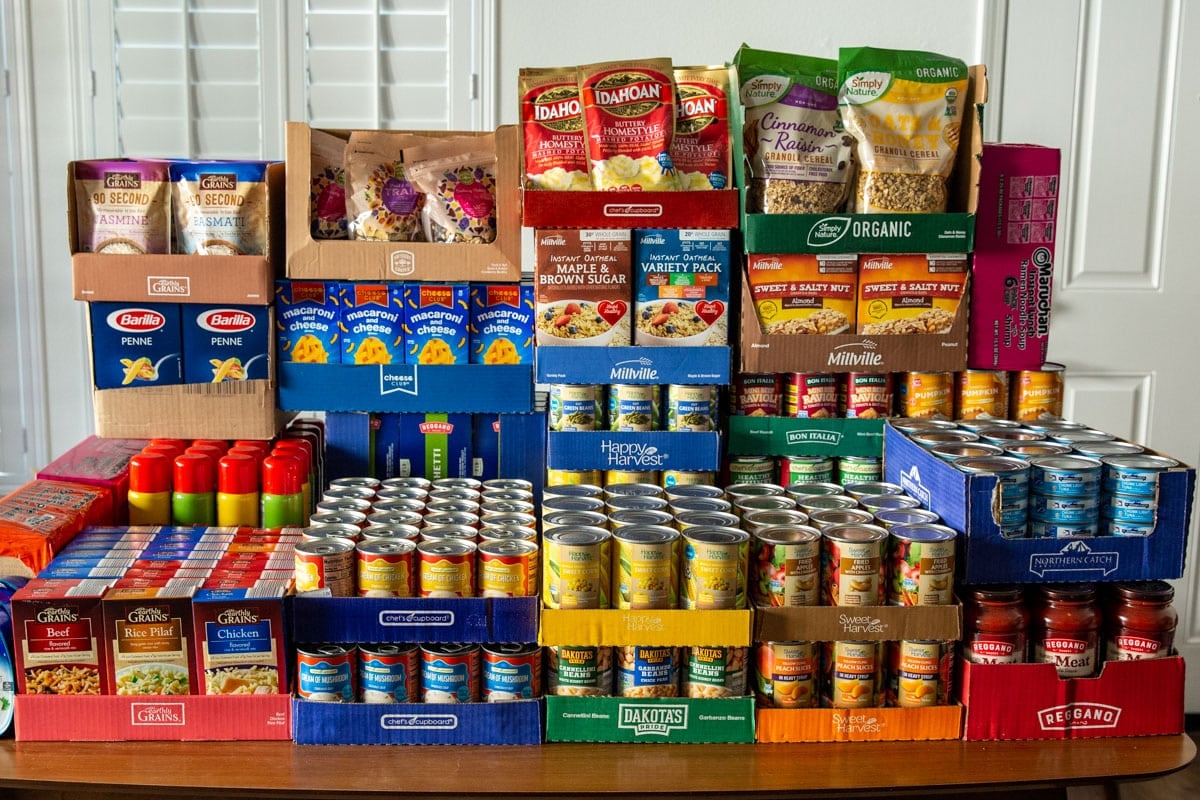
The impulse to donate canned goods stems from a profound sense of generosity and community spirit. It’s a tangible way to offer immediate relief to those grappling with food insecurity. However, the act of giving, particularly when it involves tangible assets like food, also sits at a crucial intersection with personal finance, community economics, and strategic resource allocation. Understanding “where can I donate canned goods” is not just about finding a drop-off point; it’s about making financially intelligent decisions that maximize the impact of your generosity, transforming a simple act of kindness into a powerful investment in community well-being. This article delves into the financial implications of food donations, guiding you to make choices that offer the greatest return on your philanthropic investment.
Understanding the Financial Landscape of Food Insecurity
Food insecurity is far more than just a lack of food; it’s a complex economic challenge that ripples through communities, impacting health, education, and overall financial stability. Donating canned goods, therefore, is not merely charity; it’s a direct financial intervention.
The Cost of Hunger: A Community’s Financial Burden
When individuals and families experience food insecurity, the financial strain extends well beyond the grocery bill. Chronic hunger and malnutrition lead to increased healthcare costs due to a higher incidence of diet-related diseases and poorer overall health outcomes. Children who are food insecure often struggle academically, which can impact their long-term earning potential and societal contributions. Adults facing hunger are less productive in the workforce, further perpetuating cycles of poverty. From a public finance perspective, this translates into higher expenditures on social services, healthcare, and educational support programs. Each instance of food insecurity represents a financial drain on both the individual and the broader community, underscoring the economic imperative of addressing this issue.
Canned Goods as a Financial Lifeline
For households living on the brink, every dollar saved is critical. A donation of shelf-stable canned goods directly reduces a family’s grocery budget, freeing up precious funds that can then be allocated to other essential expenses. This could mean paying rent on time, covering utility bills, affording necessary medications, or investing in transportation to a job. In essence, your canned goods donation acts as a direct financial subsidy, providing immediate relief and preventing a household from having to make impossible choices between food and other life necessities. This immediate financial alleviation can be a crucial factor in maintaining stability for vulnerable families.
Beyond the Can: The Economic Multiplier Effect of Food Banks
Food banks and pantries operate as sophisticated logistical hubs, performing a vital economic function within their communities. They leverage bulk purchasing power, volunteer labor, and efficient distribution networks to maximize the value of every donation, whether it’s monetary or material. When you donate canned goods, these organizations can distribute them at virtually no cost to the recipient, effectively stretching the purchasing power of the community. They also often partner with local farms and grocery stores to rescue surplus food, preventing waste and reallocating valuable resources. This creates an economic multiplier effect: your donation, combined with the operational efficiencies of the food bank, generates a far greater financial and social return than if individuals were to navigate their food needs independently.
Navigating Donation Channels: Strategic Giving for Financial Impact
Deciding where to donate canned goods involves more than just proximity. It’s about understanding the financial mechanisms and specific needs of different organizations to ensure your contribution achieves its maximum potential.
Local Food Banks and Pantries: Direct Community Investment
Local food banks, pantries, and similar hunger-relief organizations are often the most direct and impactful channels for canned goods donations. They are deeply embedded in their communities, possess detailed knowledge of local needs, and have established distribution networks. Investing your donations here means your contribution directly benefits your neighbors and strengthens your local economy. Before donating, it’s financially prudent to check their specific wish lists. Many food banks have partnerships that allow them to purchase certain items at significantly lower wholesale prices, meaning a financial donation might go further for specific staples. However, for items they explicitly request, your physical donation is invaluable.
Religious Institutions and Community Centers: Networked Support Systems
Many churches, synagogues, mosques, and other faith-based organizations, alongside secular community centers, run their own food drives and pantries. These entities often have a strong volunteer base and a deep understanding of the specific demographics they serve. They function as a crucial layer of localized financial support, reaching individuals and families who might not access larger food banks due to geographic barriers, cultural sensitivities, or lack of awareness. Donating here can ensure your goods reach a targeted population efficiently, reinforcing the community’s social safety net.
Schools and Educational Programs: Investing in Future Financial Stability
School-based food programs, such as “backpack programs” that send food home with children for the weekends, represent an investment in the next generation’s financial stability. By ensuring children have adequate nutrition, these programs support better attendance, improved academic performance, and enhanced cognitive development. This, in turn, contributes to higher educational attainment and greater earning potential in the long run. Donating to these programs is a strategic financial decision that addresses immediate hunger while simultaneously investing in future human capital and economic productivity.

Specialized Charities and Disaster Relief: Targeted Financial Assistance
Beyond general food insecurity, there are specialized charities that focus on particular demographics (e.g., seniors, homeless veterans) or specific crisis situations (e.g., natural disaster relief). These organizations provide targeted financial and material assistance, addressing acute vulnerabilities. In times of disaster, the immediate availability of shelf-stable food can be a critical component of emergency financial support, helping affected populations conserve their limited financial resources for recovery efforts.
Maximizing Your Monetary and Material Donation Value
Effective philanthropy isn’t just about the act of giving; it’s about strategic giving. Maximizing the financial value of your donation requires thoughtfulness, timing, and an understanding of how charities operate.
Quality Over Quantity: The Financial Wisdom of Thoughtful Donation
While the urge to clear out your pantry might be strong, donating items that are genuinely useful, unexpired, and in good condition is paramount. Expired, opened, or damaged goods create additional operational costs for food banks, as they must expend resources (time, labor, disposal fees) to sort and discard them. This diminishes the overall financial value of all donations. Prioritize nutrient-dense, shelf-stable items that are staples for healthy meals, such as canned proteins (tuna, chicken, beans), vegetables, fruits, and whole grains. This thoughtful approach ensures your donation truly translates into meaningful financial relief for recipients.
Strategic Timing: Aligning Your Giving with Peak Needs
The needs of food banks fluctuate throughout the year. While holiday seasons often see a surge in donations, other times, like the summer months when school meal programs are paused, can present significant gaps. Aligning your donations with these periods of higher need, or even planning consistent year-round contributions, represents a financially astute approach to giving. Consider making a donation when public attention wanes, ensuring a steady stream of resources for food banks when they need it most.
The Cash vs. Cans Debate: When Financial Contributions Trump Material Ones
This is a critical “Money” consideration. While canned goods are always appreciated, monetary donations often provide food banks with far greater flexibility and purchasing power. Food banks can leverage their non-profit status and bulk purchasing agreements to acquire specific items (often including fresh produce, dairy, and meat) at wholesale prices, which are significantly lower than what an individual consumer would pay at a grocery store. A $20 cash donation might allow a food bank to purchase three times the amount of food that $20 worth of retail canned goods would provide. Financial contributions also cover vital operational costs like transportation, refrigeration, and administrative overhead, which are essential for distributing food effectively. Therefore, while canned goods are valuable, consider making a financial contribution when possible, as it often represents a more efficient and impactful use of your philanthropic dollars.
Tax Implications of Charitable Giving: Realizing Financial Benefits
For many donors, charitable contributions can offer financial benefits in the form of tax deductions. Both cash donations and non-cash donations (like canned goods) to qualified 501(c)(3) organizations may be deductible, subject to certain limitations and if you itemize deductions. It’s crucial to keep meticulous records, including receipts for cash donations and a detailed inventory with estimated fair market value for non-cash contributions. Understanding IRS guidelines and consulting with a tax professional can help you navigate these rules, effectively turning your generosity into a component of smart personal finance and potentially increasing your disposable income for future giving or personal financial goals.
Beyond Donation: Integrating Philanthropy into Your Financial Lifestyle
True financial wisdom extends beyond managing personal assets; it encompasses how we contribute to the collective good. Integrating philanthropy into your broader financial lifestyle elevates giving from an occasional act to a sustainable and impactful practice.
Budgeting for Philanthropy: Making Giving a Sustainable Practice
For charitable giving to be truly effective, it should be an intentional part of your financial plan, not an afterthought. Consider allocating a specific percentage of your income to philanthropy in your annual budget, just as you would for savings or investments. This approach ensures consistent support for causes you care about, allowing food banks to plan their operations more effectively and rely on a stable stream of resources. Budgeting for philanthropy transforms giving into a regular, sustainable financial practice, reflecting your values and commitment to community well-being.
Financial Education and Advocacy: Long-Term Solutions to Food Insecurity
While donating canned goods offers immediate relief, addressing the root causes of food insecurity requires systemic change. Support organizations that offer financial literacy programs, job training, and advocacy for policies that reduce poverty and promote economic opportunity. Investing in these initiatives is a strategic financial decision that aims to create long-term, sustainable solutions, reducing the future demand for emergency food aid by empowering individuals to achieve financial independence.

Corporate Matching Programs: Doubling Your Financial Impact
Many employers offer corporate matching gift programs, where they will match their employees’ charitable contributions, sometimes dollar-for-dollar or even more. Checking if your company offers such a program is a financially savvy move. It effectively doubles or even triples the financial impact of your canned goods (or cash) donation without requiring any additional personal outlay. This corporate support is a powerful tool for amplifying individual generosity and leveraging business resources for social good.
In conclusion, the simple question “where can I donate canned goods?” opens the door to a sophisticated discussion about personal finance, community economics, and strategic philanthropy. By understanding the financial landscape of food insecurity, thoughtfully choosing donation channels, and maximizing the value of your contributions, you transform your generosity into a powerful force for good. Integrating philanthropy into your financial lifestyle, from budgeting for giving to leveraging tax benefits and corporate matching, allows you to make a lasting, impactful investment in the health and prosperity of your community. Your thoughtful donation is not just a gift of food; it’s a strategic financial contribution to a stronger, more resilient society.
aViewFromTheCave is a participant in the Amazon Services LLC Associates Program, an affiliate advertising program designed to provide a means for sites to earn advertising fees by advertising and linking to Amazon.com. Amazon, the Amazon logo, AmazonSupply, and the AmazonSupply logo are trademarks of Amazon.com, Inc. or its affiliates. As an Amazon Associate we earn affiliate commissions from qualifying purchases.