
For millions of service members, veterans, and eligible surviving spouses, the dream of homeownership is made significantly more accessible through the Department of Veterans Affairs (VA) loan program. A cornerstone of financial support for those who have served our nation, VA loans offer unparalleled benefits, the most well-known being the ability to purchase a home with no down payment and no private mortgage insurance (PMI). However, navigating the landscape of mortgage rates can be daunting, and understanding “what are VA mortgage rates” is crucial for making informed financial decisions.
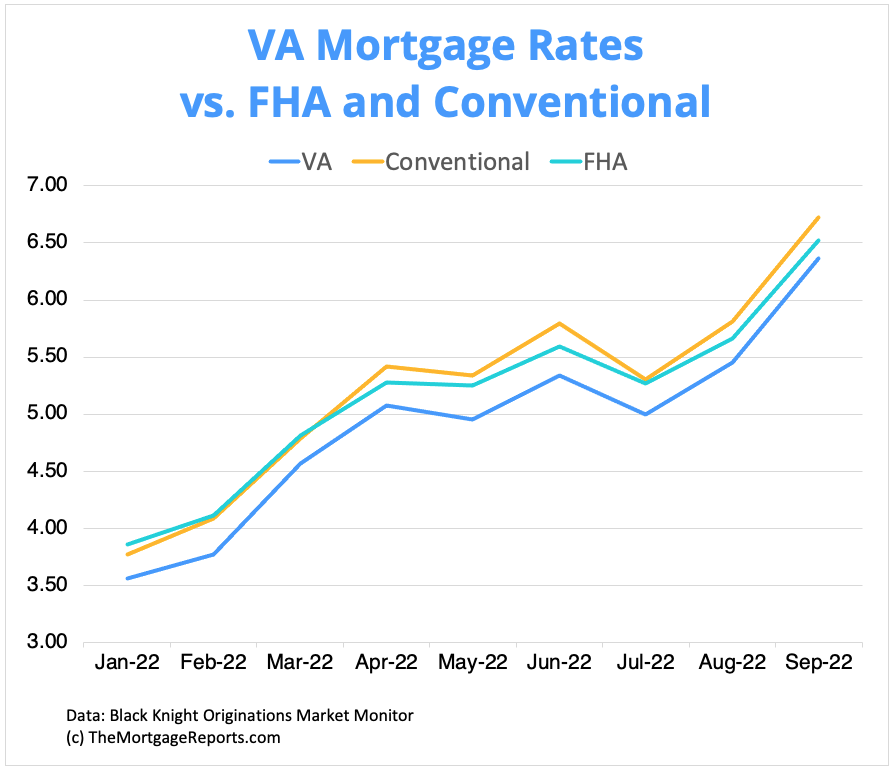
While the VA guarantees a portion of these loans, providing security to lenders and enabling favorable terms for borrowers, it does not directly set the interest rates. Instead, VA mortgage rates are determined by a complex interplay of market forces, lender policies, and individual borrower profiles, much like conventional loans. Yet, they often remain highly competitive, and in many cases, can be lower than their conventional or FHA counterparts due to the inherent government backing. This comprehensive guide will demystify VA mortgage rates, exploring the factors that influence them, the various types of VA loan options, and practical strategies to secure the most advantageous terms for your home financing journey.
Understanding the Fundamentals of VA Mortgage Rates
To truly grasp VA mortgage rates, it’s essential to look beyond the surface number and understand the underlying mechanisms that shape them. While the VA’s guarantee offers significant advantages, the actual rate you receive is a product of broader economic trends and specific lender practices.
How VA Rates Differ from Conventional/FHA Rates
One of the most common misconceptions is that the VA dictates a specific interest rate for all its loans. In reality, the VA’s role is to guarantee a portion of the loan, protecting lenders against potential losses if a borrower defaults. This guarantee significantly reduces the risk for approved lenders, which in turn enables them to offer more favorable terms, including competitive interest rates, often with no down payment required.
Unlike conventional loans, which typically require private mortgage insurance (PMI) if you put down less than 20%, VA loans explicitly waive this requirement. This alone can lead to substantial monthly savings, effectively making the total cost of a VA loan lower even if the interest rate is identical to a conventional loan. FHA loans, another government-backed option, also have specific mortgage insurance premiums (MIP) that remain for the life of the loan in many cases, further highlighting the unique cost-effectiveness of VA loans. While the VA loan does have a “funding fee,” which we’ll discuss, it serves a different purpose and structure than PMI or MIP.
Key Factors Influencing VA Rates
VA loan rates, like all mortgage rates, are dynamic and subject to a multitude of influences. Understanding these factors can help borrowers anticipate trends and position themselves for better terms.
-
Market Conditions: The broader economic environment plays a dominant role. Factors such as the Federal Reserve’s monetary policy, inflation expectations, and the overall bond market (particularly the yield on 10-year Treasury notes, which mortgages tend to track) directly impact lender pricing. When the economy is strong and inflation is a concern, rates tend to rise. Conversely, during periods of economic uncertainty, rates may fall as investors seek safer assets.
-
Lender-Specific Factors: Each approved VA lender operates their own business with varying overhead costs, profit margins, and risk assessment models. This means that two different lenders might offer slightly different rates for the exact same borrower on the same day. Large national banks, local credit unions, and specialized VA lenders each have their own pricing structures and operational efficiencies.
-
Borrower’s Credit Score: While the VA itself does not set a minimum credit score, individual lenders do. A higher credit score (generally 720 and above) indicates a lower risk borrower, allowing lenders to offer more competitive rates. Borrowers with lower scores (e.g., in the mid-600s) might still qualify but could face slightly higher rates to compensate the lender for increased risk.
-
Loan Term and Type: The length of the loan significantly impacts the rate. A 15-year fixed-rate VA loan typically has a lower interest rate than a 30-year fixed-rate VA loan, as the lender is exposed to interest rate risk for a shorter period. Adjustable-rate mortgages (ARMs) often start with lower rates than fixed-rate options, but carry the risk of future rate adjustments.
-
Loan-to-Value (LTV) Ratio: While VA loans famously allow for 100% financing (0% down payment), if a borrower chooses to put money down, it can sometimes influence the rate, albeit less significantly than with conventional loans where LTV directly impacts PMI. A lower LTV (higher down payment) generally reduces lender risk.
The Role of the VA Funding Fee
It’s crucial to distinguish between the VA funding fee and the interest rate. The VA funding fee is a one-time charge paid directly to the Department of Veterans Affairs. It helps offset the cost of the VA loan program to taxpayers, ensuring its sustainability. This fee varies depending on factors such as:
-
Type of service: Active duty, Reserves, National Guard.
-
Down payment amount: Higher down payments reduce the fee.
-
Previous use of VA loan benefits: First-time users often pay a lower fee than subsequent users with no down payment.
-
Loan type: Purchase, refinance (IRRRL vs. Cash-Out).
While it’s not an interest rate, the funding fee impacts the total cost of the loan. It can typically be financed into the loan amount, increasing your total principal, or paid upfront at closing. Critically, some veterans are exempt from paying the funding fee, including those receiving VA compensation for service-connected disabilities, Purple Heart recipients, and surviving spouses of veterans who died in service or from service-connected disabilities. Understanding if you are exempt can significantly reduce the overall cost of your VA loan.
Types of VA Mortgage Rates and Loan Options
The VA loan program offers flexibility, catering to different financial situations and homeownership goals. The type of VA loan you choose will directly influence the rate structure you encounter.
Fixed-Rate VA Loans
The 30-year fixed-rate VA loan is by far the most popular option. With a fixed rate, your interest rate remains constant for the entire duration of the loan. This provides predictable monthly principal and interest payments, making budgeting easier and shielding you from future interest rate hikes.
-
Pros: Stability, predictability, protection from rising rates.
-
Cons: Often has a slightly higher initial interest rate compared to an ARM; if market rates fall significantly, you’d need to refinance to take advantage.
A 15-year fixed-rate VA loan is another option. It comes with a lower interest rate than a 30-year loan but results in significantly higher monthly payments due to the shorter repayment period. While it builds equity faster and saves substantially on total interest paid over the life of the loan, the higher monthly commitment requires careful financial planning.
Adjustable-Rate VA Loans (ARMs)
VA ARMs begin with a fixed interest rate for an initial period (e.g., 3, 5, or 7 years), after which the rate adjusts periodically based on a chosen market index plus a margin.
-
Pros: Lower initial interest rate, making homeownership more affordable in the short term. Potentially beneficial if you plan to sell or refinance before the fixed-rate period ends.
-
Cons: Uncertainty regarding future payments, as rates can increase. Subject to market fluctuations, which can lead to higher monthly costs.
VA ARMs come with caps that limit how much the interest rate can change per adjustment period and over the life of the loan, offering some protection against extreme rate hikes. However, the inherent variability makes them a riskier choice for those seeking long-term payment stability.
VA Streamline Refinance (IRRRL) Rates
The Interest Rate Reduction Refinance Loan (IRRRL) is a unique VA product designed to help veterans with existing VA loans refinance into a lower interest rate or move from an adjustable-rate to a fixed-rate mortgage.
-
Key Benefits: It typically requires less paperwork, no new appraisal in most cases, and can close faster than a regular refinance. Credit requirements are also less stringent.
-
Rates: IRRRL rates are often very competitive, reflecting the streamlined nature and reduced risk for lenders. They are specifically designed for the purpose of rate reduction, not cash-out.
It’s important to compare the new rate with the old, factoring in any closing costs or fees, to ensure it’s a truly beneficial move. The “no cash-out” rule is crucial; you cannot take equity out of your home with an IRRRL.
VA Cash-Out Refinance Rates
A VA Cash-Out Refinance allows veterans to refinance their existing mortgage (VA or conventional) into a new VA loan for a larger amount, taking the difference in cash. This can be used for home improvements, debt consolidation, or other financial needs.
-
Rates: Rates for Cash-Out refinances are generally slightly higher than for purchase loans or IRRRLs because taking cash out increases the lender’s risk.
-
Considerations: While it offers access to home equity, it also increases your loan amount and total interest paid over time. Borrowers should carefully weigh the pros and cons and ensure the cash-out funds are used wisely.
Beyond the Rate: Understanding the True Cost of a VA Loan
Focusing solely on the advertised interest rate can be misleading. A holistic understanding of the total cost of a VA loan involves examining several other financial components.
Annual Percentage Rate (APR) vs. Interest Rate
The interest rate is the percentage charged by the lender for borrowing the principal amount. It directly determines your monthly principal and interest payment. However, the Annual Percentage Rate (APR) provides a more comprehensive measure of the total cost of borrowing.
-
APR: Includes not only the interest rate but also most of the closing costs and fees associated with the loan, expressed as an annual percentage.
-
Why APR Matters: When comparing loan offers from different lenders, the APR is often a more accurate metric than the interest rate alone, as it gives you a better sense of the overall expense of the loan over its term. A lower APR generally indicates a cheaper loan.
Closing Costs and Lender Fees
Beyond the interest rate and funding fee, borrowers will encounter various closing costs. These are fees paid at the close of the loan transaction.
-
Typical Costs: Appraisal fees, title insurance, recording fees, credit report fees, survey fees, and specific lender origination fees.
-
Lender Origination Fees: While some lenders charge an origination fee (typically 1% of the loan amount), the VA limits what lenders can charge in terms of fees. Many lenders choose to roll these costs into a slightly higher interest rate, offering “no lender fee” options.
-
VA Limits: The VA sets limits on certain non-allowable fees that veterans cannot be charged, providing an extra layer of protection.
It’s crucial to review the Loan Estimate provided by your lender, which details all associated costs. Don’t hesitate to ask for clarification on any item.
The Impact of Discount Points
Discount points (also known as “buying down the rate”) are an optional upfront fee paid to the lender in exchange for a lower interest rate. One discount point typically costs 1% of the loan amount.
-
Financial Sense: Paying points makes sense if you plan to stay in the home long enough for the monthly savings from the lower interest rate to recoup the upfront cost of the points. This is known as the “break-even point.”
-
Example: If paying one point ($3,000 on a $300,000 loan) lowers your payment by $20 per month, it would take 150 months (12.5 years) to break even. If you plan to sell or refinance before then, it might not be a wise investment. Conversely, if you plan to stay for decades, it could result in substantial long-term savings.
Strategies for Securing the Best VA Mortgage Rates
While market conditions are largely outside your control, there are several proactive steps you can take to optimize your chances of getting the most favorable VA mortgage rate.
Improving Your Credit Score
Your credit score is a primary determinant of the interest rate you’ll be offered. Lenders use it to assess your creditworthiness and the likelihood of repayment.
-
Actionable Steps:
-
Pay Bills on Time: Payment history is the most significant factor in credit scoring.
-
Reduce Debt: A lower credit utilization ratio (how much credit you’re using vs. available) can boost your score. Pay down credit card balances.
-
Avoid New Credit: Refrain from opening new credit accounts or making large purchases on existing credit cards in the months leading up to your loan application.
-
Check for Errors: Review your credit report regularly for inaccuracies that could be dragging down your score.
-
Aiming for a credit score in the “excellent” range (typically 760+) will give you access to the most competitive rates, though many VA lenders will approve loans with scores in the mid-600s.
Shopping Around for Lenders
This is perhaps the single most impactful strategy for securing a better rate. As mentioned, different lenders offer different rates and terms.
-
Get Multiple Quotes: Contact at least 3-5 approved VA lenders – including large banks, smaller credit unions, and specialized VA lenders.
-
Compare Loan Estimates: Once you apply, lenders are required to provide a standardized Loan Estimate form. This document clearly lays out the interest rate, APR, closing costs, and other loan terms. Compare these side-by-side to identify the best overall deal.
-
Negotiate: Don’t be afraid to use a competitive offer from one lender to negotiate a better rate or lower fees with another. Lenders want your business.
It’s generally recommended to do all your rate shopping within a short window (e.g., 14-45 days) to minimize the impact on your credit score, as multiple inquiries for the same type of loan within this period are typically treated as a single inquiry.
Understanding Market Timing
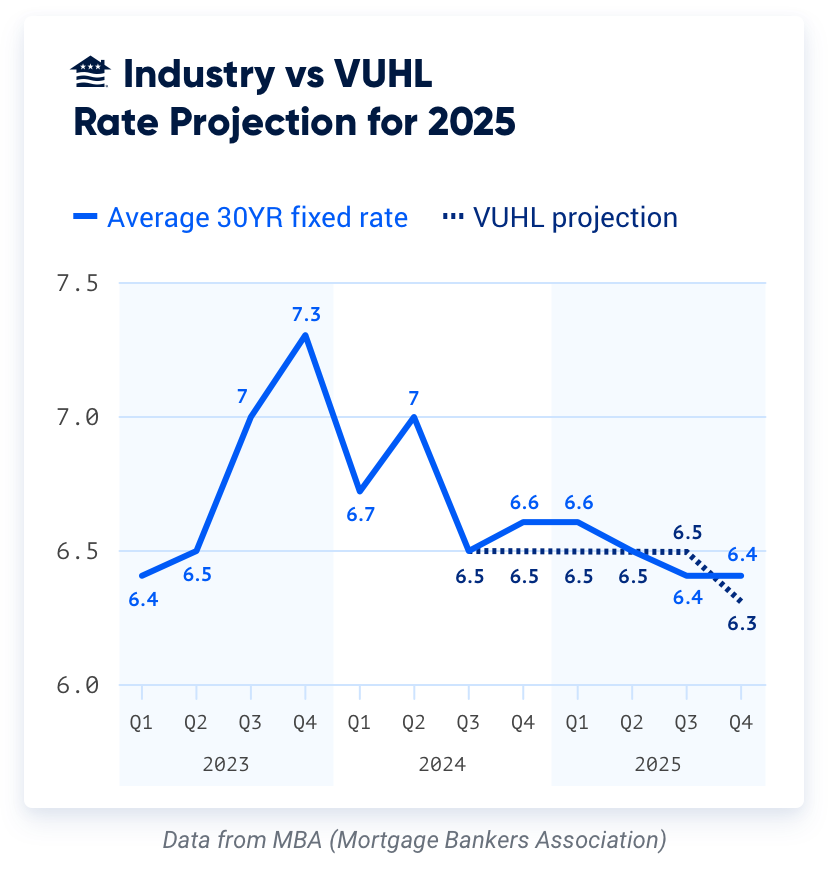
While predicting interest rate movements perfectly is nearly impossible, being aware of current market trends and economic forecasts can be beneficial.
-
Track Key Indicators: Keep an eye on reports about inflation, employment, and the Federal Reserve’s statements, as these often influence mortgage rates.
-
Locking Your Rate: Once you find a rate you like, discuss rate lock options with your lender. A rate lock guarantees your interest rate for a specific period (e.g., 30, 45, or 60 days) while your loan processes, protecting you if rates rise. Be aware of rate lock extension fees if your closing takes longer than expected.
Leveraging Your VA Entitlement
Your VA entitlement is the amount the VA will guarantee on your loan.
-
Full Entitlement: If you have full entitlement (never used your VA loan benefit, or paid off a previous VA loan and sold the property), you can typically qualify for a loan without a down payment up to the conforming loan limits.
-
Partial Entitlement: Even if you’ve used your VA loan benefit before and still own a home financed with a VA loan, you may still have remaining entitlement that can be used for a second VA loan.
Understanding your entitlement status is crucial, as it dictates how much you can borrow with no money down and can influence the competitiveness of your loan offer.
Conclusion
VA mortgage rates represent a significant benefit for eligible service members, veterans, and their families, offering a pathway to homeownership with unique advantages. While the VA doesn’t set rates, its guarantee empowers lenders to provide highly competitive terms, often with no down payment and no PMI.
To unlock the best possible rate and ensure the most cost-effective financing, it’s imperative to look beyond the surface interest rate. Delve into the nuances of APR, understand closing costs and the VA funding fee, and consider the long-term implications of fixed versus adjustable rates. Most importantly, empower yourself with knowledge and proactive strategies: maintain a strong credit profile, diligently shop around for multiple lender quotes, and be prepared to negotiate. By understanding “what are VA mortgage rates” in their full complexity, you can leverage your well-deserved benefits to achieve your homeownership dreams on the most favorable financial terms.
aViewFromTheCave is a participant in the Amazon Services LLC Associates Program, an affiliate advertising program designed to provide a means for sites to earn advertising fees by advertising and linking to Amazon.com. Amazon, the Amazon logo, AmazonSupply, and the AmazonSupply logo are trademarks of Amazon.com, Inc. or its affiliates. As an Amazon Associate we earn affiliate commissions from qualifying purchases.