
Interest rates are a fundamental pillar of any modern economy, influencing everything from the cost of your morning coffee (indirectly, through business financing) to the value of your retirement savings. For individuals, businesses, and investors alike, understanding the current interest rate landscape is not merely an academic exercise; it’s a critical component of informed financial decision-making. Today, the global economy is navigating a period of significant flux, characterized by persistent inflationary pressures, geopolitical uncertainties, and central banks recalibrating their monetary policies. This dynamic environment makes the question “how are the interest rates today?” more pertinent than ever, demanding a nuanced and comprehensive examination.

At its core, an interest rate is the cost of borrowing money or the return on saving it. It represents the compensation a lender receives for deferring the use of funds and for assuming the risk of non-payment. Conversely, it’s the price a borrower pays for the privilege of immediate access to capital. These rates are not static figures; they ebb and flow in response to a complex interplay of economic indicators, central bank mandates, and market sentiment. In recent years, we’ve witnessed a dramatic shift from an era of historically low, near-zero interest rates, designed to stimulate economic growth post-2008 and during the COVID-19 pandemic, to a period of aggressive rate hikes aimed at taming runaway inflation. This pivot has far-reaching implications, reshaping investment strategies, altering consumer spending patterns, and recalibrating corporate financial planning.
This article delves into the current state of interest rates, dissecting the forces that drive them, and exploring their multifaceted impact across personal finance, business operations, and investment portfolios. By understanding these dynamics, individuals and organizations can better position themselves to navigate the contemporary financial landscape, making prudent choices that align with their long-term objectives.
Understanding the Current Interest Rate Landscape
To grasp the current interest rate environment, it’s essential to understand the primary forces at play and the different types of rates that collectively form this intricate landscape. The prevailing economic narrative is one of central banks actively combating inflation, which has been stubbornly high in many major economies. This has led to a synchronized tightening of monetary policy globally, pushing benchmark rates significantly higher than what we’ve seen in over a decade.
The Role of Central Banks
The most influential players in determining interest rates are central banks, such as the Federal Reserve in the United States, the European Central Bank (ECB), the Bank of England, and others. Their primary mandate often includes maintaining price stability (controlling inflation) and fostering maximum sustainable employment. To achieve these goals, central banks utilize monetary policy tools, with the setting of a target benchmark interest rate being the most prominent.
When inflation rises, central banks typically increase their policy rates (e.e.g., the Federal Funds Rate in the US, the Main Refinancing Operations Rate in the Eurozone). Higher policy rates make borrowing more expensive for commercial banks, which, in turn, pass on these increased costs to consumers and businesses in the form of higher lending rates. The intention is to cool down an overheating economy by reducing demand, thereby bringing inflation back to target levels (typically around 2%). Conversely, during economic downturns or periods of low inflation, central banks may lower rates to stimulate borrowing, spending, and investment. Today, we are firmly in a tightening cycle, with central banks signalling a commitment to keep rates elevated for as long as necessary to ensure inflation is decisively under control, even if it entails some economic deceleration.
Key Economic Indicators Influencing Rates
While central bank actions are paramount, their decisions are fundamentally driven by a continuous assessment of key economic indicators. Understanding these metrics provides insight into potential future rate movements:
-
Inflation Reports (CPI, PPI): Consumer Price Index (CPI) and Producer Price Index (PPI) measure changes in the prices of goods and services. Persistently high inflation readings signal that more aggressive rate hikes might be needed.
-
Employment Data (Unemployment Rate, Job Growth, Wage Growth): A strong labor market, characterized by low unemployment and robust wage growth, can contribute to inflationary pressures and give central banks more leeway to raise rates without fear of severe economic contraction.
-
Gross Domestic Product (GDP): GDP measures economic output. Strong economic growth might prompt central banks to consider higher rates to prevent overheating, while weak growth might suggest a pause or even a cut in rates.
-
Consumer Spending and Business Investment: These indicators reflect the overall health and confidence within the economy. Robust spending and investment can signal demand-driven inflation.
-
Global Economic Outlook: International trade, geopolitical events, and economic conditions in major trading partners can also influence a central bank’s domestic policy decisions.
Currently, the primary focus remains on inflation and the labor market. Central banks are closely scrutinizing whether inflation is genuinely cooling and if the labor market is loosening sufficiently to alleviate wage-price spirals.
Different Types of Interest Rates
The central bank’s benchmark rate serves as the foundation, but numerous other rates ripple out from it, affecting various aspects of finance:
-
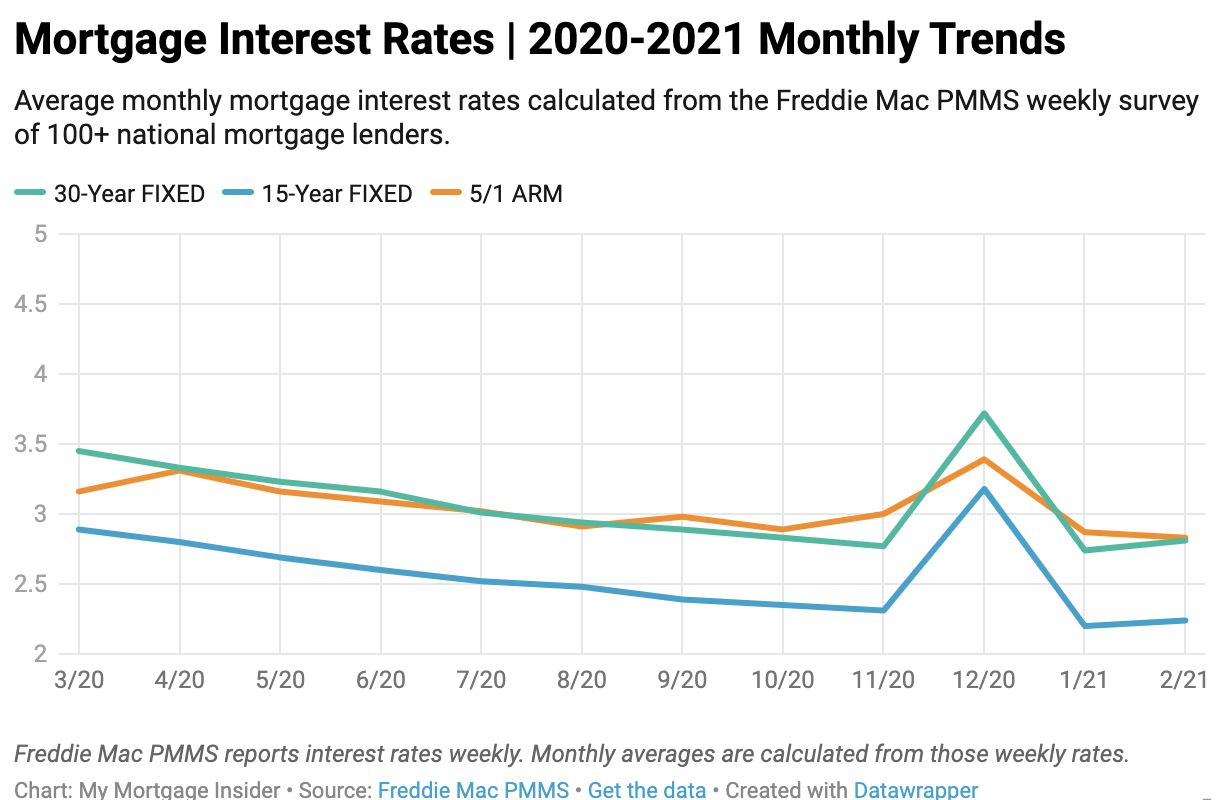
Mortgage Rates: These are the rates borrowers pay on home loans. They are significantly influenced by the central bank’s policy rates and the bond market (specifically, government bond yields). Today, mortgage rates are substantially higher than in previous years, making homeownership less affordable for many.
-
Savings Rates (High-Yield Savings Accounts, CDs): The rates offered by banks on deposits tend to rise in a high-interest rate environment, benefiting savers. High-yield savings accounts and Certificates of Deposit (CDs) have become more attractive as alternatives to riskier investments.
-
Loan Rates (Auto Loans, Personal Loans): Borrowing costs for cars, personal expenses, and other consumer goods have increased, making debt more expensive.
-
Credit Card APRs: Annual Percentage Rates (APRs) on credit cards are often variable and directly tied to benchmark rates. As central banks raise rates, credit card interest charges climb, significantly increasing the cost of carrying a balance.
-
Business Loan Rates: Companies seeking capital for expansion, operations, or inventory also face higher borrowing costs, impacting their profitability and investment decisions.
-
Government Bond Yields: These rates reflect the return on government debt and serve as a benchmark for many other financial products. They are highly sensitive to inflation expectations and central bank policy.
Understanding this multifaceted rate structure is crucial because a change in the central bank’s policy rate does not uniformly affect all other rates immediately or to the same degree, but the overall trend is undeniable: borrowing has become more expensive, and saving more rewarding.
Impact on Personal Finance
The current elevated interest rate environment has a profound and immediate impact on the personal finances of millions. From the largest purchases like homes to everyday spending habits, consumers are directly feeling the effects of tighter monetary policy. Understanding these impacts is key to adapting financial strategies effectively.
Mortgage Market Dynamics
The residential real estate market is one of the most visible areas affected by rising interest rates.
-
Higher Monthly Payments: For new homebuyers or those looking to refinance, current mortgage rates mean significantly higher monthly payments compared to just a few years ago. This reduces purchasing power and makes homeownership less accessible, particularly for first-time buyers.
-
Reduced Refinancing Opportunities: The era of easily accessible, ultra-low refinancing rates has largely ended. Homeowners with existing mortgages at lower rates are unlikely to find better terms today, effectively locking them into their current rates. Those with adjustable-rate mortgages (ARMs), however, may see their payments increase as their rates reset.
-
Cooling Housing Market: Higher mortgage rates contribute to a cooling housing market by dampening demand and reducing affordability. This can lead to slower home price appreciation or even price declines in some regions, though housing inventory shortages can mitigate this effect.
Savings and Investments
While borrowers face headwinds, savers can find opportunities in a high-interest rate environment.
-
Attractive Savings Accounts and CDs: High-yield savings accounts (HYSAs) and Certificates of Deposit (CDs) are offering much more competitive interest rates than they have in years. This makes them attractive options for parking emergency funds or short-term savings, providing a relatively risk-free return.
-
Bond Market Shifts: Bond yields (which move inversely to bond prices) have increased significantly. New bond issues offer higher interest payments, making them more appealing to income-seeking investors. However, existing bonds purchased when rates were lower have seen their market value decline.
-
Equity Market Volatility: Higher interest rates can negatively impact stock valuations, particularly for growth stocks, as future earnings are discounted at a higher rate. They can also signal a potential economic slowdown, leading to increased market volatility as investors reassess corporate earnings prospects.
-
Diversification and Rebalancing: In this environment, it’s crucial for investors to review their portfolios. Diversification across different asset classes (stocks, bonds, real estate, cash) becomes even more important to mitigate risks. Rebalancing can help ensure the portfolio remains aligned with risk tolerance and financial goals.
Consumer Loans and Credit Cards
The cost of consumer credit has also escalated, directly impacting household budgets.
-
Higher Auto and Personal Loan Payments: New auto loans and personal loans now come with higher interest rates, increasing the total cost of borrowing and monthly payments. This can influence decisions on major purchases or debt consolidation strategies.
-
Increased Credit Card Debt Burden: As benchmark rates rise, so do the variable Annual Percentage Rates (APRs) on most credit cards. This makes carrying a credit card balance significantly more expensive, accelerating the accumulation of debt. For individuals relying on credit, this can quickly become a substantial financial strain. Prudent management of credit card debt, including paying down high-interest balances, is critical.
Student Loans
The student loan landscape is also affected, although specific impacts vary by loan type.
-
Federal Student Loans: For federal student loans, interest rates are typically set once a year and are fixed for the life of the loan. Therefore, existing federal loan rates are unaffected by current rate hikes. However, new federal loans disbursed will carry the higher rates set for the current academic year.
-
Private Student Loans: Private student loan rates, whether fixed or variable, are more directly influenced by market interest rates. New private loans will likely have higher fixed rates, and existing variable-rate private loans will see their interest rates increase over time.
-
Refinancing Considerations: Refinancing federal student loans into a private loan means giving up federal protections. While rates were low, some considered this for a better rate. Today, with higher private loan rates, refinancing may be less advantageous unless an individual has impeccable credit and can secure a rate significantly lower than their existing one.
In essence, the current interest rate environment demands a proactive and adaptive approach to personal finance. It rewards savers, challenges borrowers, and necessitates a careful review of investment strategies to protect and grow wealth.
Implications for Businesses
The ripple effects of elevated interest rates extend deeply into the corporate world, influencing everything from daily operational costs to long-term strategic planning. Businesses, regardless of size, must adapt to this new financial reality to maintain profitability, competitiveness, and sustainable growth.
Cost of Capital
Perhaps the most direct impact on businesses is the increased cost of capital.
-
Higher Borrowing Costs: When interest rates rise, the cost of obtaining new loans, lines of credit, or extending existing debt becomes more expensive. This directly affects the profitability of projects financed through debt, reducing the net return on investment. Businesses may defer or cancel expansion plans if the expected returns no longer justify the higher financing costs.
-
Impact on Working Capital: Companies relying on lines of credit to manage seasonal inventory or short-term cash flow needs will face higher interest expenses, straining working capital management.
-
Credit Availability: Lenders may become more cautious in a higher rate environment, tightening lending standards and making it harder for some businesses, especially smaller or riskier ventures, to secure financing.
Investment and Expansion Decisions
Rising interest rates act as a brake on business investment and expansion, as the hurdle rate for new projects increases.
-
Discounted Future Earnings: When evaluating potential investments, businesses discount future expected cash flows back to a present value. A higher discount rate (influenced by higher interest rates) makes future earnings worth less today, reducing the attractiveness of long-term projects with delayed returns.
-
Reduced Capital Expenditure (CapEx): Companies may scale back plans for new equipment, facilities, or R&D if the cost of financing these capital expenditures becomes prohibitive or if the projected return on investment falls below the new, higher cost of capital.
-
Mergers and Acquisitions (M&A): M&A activity can slow down as financing for large transactions becomes more expensive and as economic uncertainty increases. Buyers may be less willing to pay premium prices when the cost of debt is high.
Corporate Bonds and Debt Management
For larger corporations that access capital markets, interest rate movements significantly affect their bond issuance and overall debt management strategies.
-
Higher Yields on New Bonds: When existing corporate bonds mature or when companies need to raise new capital, they will likely have to offer higher yields to attract investors in a rising rate environment. This increases their debt servicing costs.
-
Refinancing Challenges: Companies with substantial debt coming due in the near future may face higher refinancing costs, potentially squeezing profit margins or necessitating more conservative financial planning.
-
Debt Structure Optimization: Businesses will need to carefully consider their debt maturity profiles, the mix of fixed vs. variable-rate debt, and potential hedging strategies to mitigate interest rate risk. Some might opt to lock in fixed rates if they anticipate further rate increases, while others might tolerate variable rates if they expect rates to stabilize or decline.
Impact on Small Businesses vs. Large Corporations
The impact of rising interest rates often disproportionately affects small businesses compared to large corporations.
-
Small Businesses: Typically rely more heavily on bank loans, lines of credit, and personal guarantees for financing. They may have less access to diverse capital markets and often face higher borrowing costs than large entities. Higher rates can quickly erode their already thinner profit margins and make it challenging to compete, innovate, or expand.
-
Large Corporations: Have greater access to public debt markets, can diversify their financing sources, and often have more sophisticated treasury operations to manage interest rate risk. While they still face higher borrowing costs, they may be better positioned to absorb these increases or pass them on to consumers through price adjustments.
In summary, businesses must re-evaluate their financial models, capital allocation strategies, and risk management frameworks to thrive in an environment where capital is no longer cheap. This often means prioritizing cash flow, optimizing debt structures, and making more conservative investment decisions.
Navigating the Current Rate Environment: Strategies for Success
The current interest rate environment presents both challenges and opportunities. For individuals and businesses alike, success hinges on understanding these dynamics and implementing proactive, adaptive financial strategies. Ignoring the shifts in interest rates can lead to missed opportunities for growth or unexpected financial strain.
For Savers and Investors
The return of meaningful interest rates on savings is a welcome change for those with cash reserves.
-
Prioritize High-Yield Savings Accounts (HYSAs): Move idle cash from traditional checking or low-interest savings accounts into HYSAs. These accounts offer significantly better returns while maintaining liquidity, making them ideal for emergency funds or short-term savings goals.
-
Consider Certificates of Deposit (CDs): For funds you won’t need for a specific period (e.g., 6 months to 5 years), CDs offer even higher, fixed returns. Laddering CDs (investing in multiple CDs with staggered maturity dates) can provide both higher returns and ongoing access to funds as they mature.
-
Re-evaluate Your Bond Holdings: For bond investors, new bond issues offer attractive yields. However, existing bonds purchased when rates were lower may have declined in value. Consider rebalancing your fixed-income portfolio, potentially favoring shorter-duration bonds to reduce interest rate sensitivity, or investing in bond funds that actively manage duration.
-
Diversify and Review Your Equity Portfolio: Higher rates can create volatility in the stock market. Focus on fundamentally strong companies with robust balance sheets and consistent earnings. Diversify across sectors and geographies. Regular portfolio reviews are crucial to ensure your asset allocation remains aligned with your risk tolerance and long-term goals. Growth stocks may face headwinds, while value stocks or dividend-paying companies might fare better.
-
Explore Treasury Bills and Money Market Funds: These are highly liquid, low-risk options offering competitive yields, particularly in a rising rate environment. They are excellent for short-term cash management.
For Borrowers
Rising interest rates make borrowing more expensive, necessitating careful planning and debt management.
-
Assess and Consolidate High-Interest Debt: Prioritize paying down high-interest debt, especially credit card balances, which can quickly accrue substantial interest charges. Consider debt consolidation strategies, such as a personal loan with a lower fixed rate (if available and beneficial) or a balance transfer card with an introductory 0% APR, but be cautious of fees and ensure you can pay off the balance before the promotional period ends.
-
Evaluate Mortgage Options: If you’re considering a new mortgage, shop around for the best rates and terms. Understand the difference between fixed-rate and adjustable-rate mortgages (ARMs) and choose the option that best suits your risk tolerance and financial outlook. For existing homeowners, refinancing is likely less attractive than in recent years unless you have an ARM that is resetting to a much higher rate.
-
Lock in Rates When Possible: For significant purchases like homes or cars, if you find a favorable interest rate, consider locking it in to protect against future increases.
-
Budget for Increased Loan Payments: If you have variable-rate loans (e.g., some student loans, HELOCs), anticipate and budget for potential increases in your monthly payments as rates continue to rise or reset.

For Businesses
Businesses must focus on optimizing their capital structure and managing cash flow efficiently.
-
Optimize Cash Flow and Liquidity: In a high-rate environment, cash is king. Focus on improving cash flow through efficient inventory management, prompt collections, and careful expenditure control. Maintain adequate liquidity to cover operating expenses and unexpected needs without resorting to high-cost borrowing.
-
Review and Refinance Debt Proactively: Assess your existing debt portfolio. If you have variable-rate debt, consider whether refinancing into a fixed-rate loan is prudent, especially if you anticipate further rate increases and can secure a competitive fixed rate. Proactively manage debt maturities to avoid being caught off guard by higher refinancing costs.
-
Re-evaluate Investment Projects: Conduct thorough cost-benefit analyses for all new investment projects, using a higher cost of capital as your discount rate. Prioritize projects with strong, guaranteed returns and shorter payback periods. Some projects that were viable in a low-rate environment may no longer be economically feasible.
-
Explore Alternative Financing: Depending on the business type and growth stage, consider alternative financing options such as venture capital, equity financing, or revenue-based financing, which might be less sensitive to traditional interest rate fluctuations than debt.
-
Hedge Against Interest Rate Risk: For businesses with significant variable-rate debt exposure, consider financial instruments like interest rate swaps or caps to hedge against potential further rate increases, thereby providing more certainty over future interest expenses.
By adopting these strategic approaches, individuals and businesses can not only mitigate the challenges posed by higher interest rates but also identify and capitalize on the opportunities that emerge in this evolving financial landscape. Staying informed, adaptable, and disciplined in financial planning will be paramount to success.
aViewFromTheCave is a participant in the Amazon Services LLC Associates Program, an affiliate advertising program designed to provide a means for sites to earn advertising fees by advertising and linking to Amazon.com. Amazon, the Amazon logo, AmazonSupply, and the AmazonSupply logo are trademarks of Amazon.com, Inc. or its affiliates. As an Amazon Associate we earn affiliate commissions from qualifying purchases.