
Profit, at its core, is the lifeblood of any successful endeavor, whether it’s a sprawling multinational corporation or a diligently managed personal finance portfolio. It represents the ultimate reward for intelligent decisions, strategic execution, and diligent effort. Far from being a mere accounting term, profit signifies sustainability, growth, and the capacity to reinvest, innovate, and create further value. Understanding how to consistently generate and maximize profit is an essential skill, a blend of financial acumen, market insight, and disciplined management. This article delves into the multi-faceted world of profit-making, offering actionable strategies for both businesses striving for fiscal health and individuals aiming to cultivate enduring personal wealth.
Understanding the Fundamentals of Profitability
Before embarking on the journey to boost profitability, it’s crucial to establish a clear and comprehensive understanding of what profit truly entails and the foundational elements that drive it. This isn’t merely about having money left over; it’s about a strategic approach to financial management.
Defining Profit: More Than Just Revenue
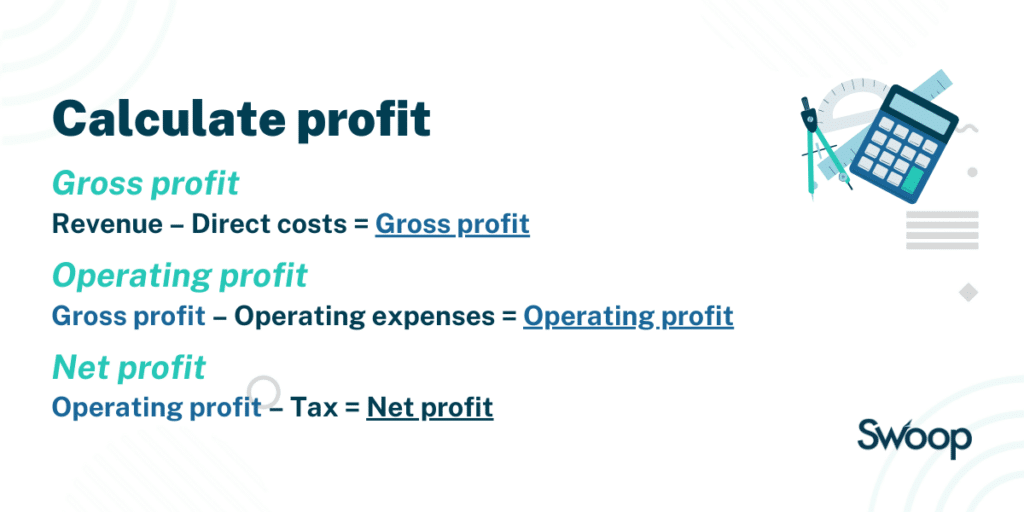
At its simplest, profit is the financial gain, especially the difference between the amount earned and the amount spent in buying, operating, or producing something. However, this definition barely scratches the surface. For businesses, profit is typically categorized into several types:
-
Gross Profit: Revenue minus the Cost of Goods Sold (COGS). This metric shows how efficiently a company is producing its goods or services.
-
Operating Profit: Gross profit minus operating expenses (e.g., salaries, rent, marketing). This indicates the profitability of a company’s core operations before interest and taxes.
-
Net Profit: The final figure after all expenses, including taxes and interest, have been deducted from revenue. This is the ultimate measure of a company’s financial success.
For individuals, “profit” might manifest as net income after all expenses, positive cash flow from investments, or the appreciation of assets over their initial cost. The common thread is a positive surplus, a gain that enhances financial standing.
Key Drivers of Profit: Revenue Growth vs. Cost Management
Profitability is a delicate balance, primarily driven by two critical levers: increasing revenue and decreasing costs. While both are vital, their relative importance can shift based on market conditions, industry, and business lifecycle stage.
-
Revenue Growth: This involves expanding sales volume, increasing prices, or diversifying income streams. Strategies include market penetration, product innovation, improving sales and marketing effectiveness, and enhancing customer acquisition. It’s about generating more income from your activities or assets.
-
Cost Management: This focuses on efficiency and frugality. It encompasses identifying and eliminating unnecessary expenses, optimizing operational processes, negotiating better deals with suppliers, and leveraging technology to reduce labor or resource costs. Effective cost control ensures that a larger portion of every dollar earned translates into profit.
A truly profitable entity, whether a business or a personal financial plan, understands the interplay between these two drivers and applies a balanced approach. Focusing solely on revenue growth without managing costs can lead to “revenue without profit,” while aggressive cost-cutting without revenue strategy can stifle growth and innovation.
The Importance of a Profit-First Mindset
Adopting a “profit-first” mindset shifts the focus from merely chasing sales or income to consciously designing every financial decision with profitability in mind. This means asking, “How will this decision impact my bottom line?” before making commitments. For businesses, it involves setting profit targets, understanding margins, and making strategic choices that prioritize sustainable earnings over sheer volume. For individuals, it means budgeting with savings and investment goals at the forefront, evaluating expenses through the lens of long-term financial gain, and recognizing the true cost of consumption versus the value of investment. This proactive stance is fundamental to building and maintaining a profitable enterprise or personal financial life.
Strategies for Boosting Business Profit
For businesses, the pursuit of profit is continuous and multifaceted. It requires a strategic approach that touches every aspect of operations, from pricing to customer retention. Maximizing business profit involves optimizing existing revenue streams, diligently managing expenses, and fostering long-term customer relationships.
Optimizing Revenue Streams
Increasing revenue isn’t just about selling more; it’s about selling smarter and diversifying effectively.
-
Pricing Strategies: How a product or service is priced directly impacts profit margins.
-
Value-based pricing aligns price with the perceived value to the customer, often allowing for higher margins.
-
Cost-plus pricing adds a markup to production costs, ensuring a minimum profit, though it may not capture full market potential.
-
Competitive pricing reacts to market rates, essential for staying relevant but demanding efficient cost structures. Regular price reviews are critical to adapt to market demands and input costs.
-
-
Sales Volume Expansion: Broadening your customer base or increasing existing customers’ purchase frequency directly boosts revenue. This can be achieved through:
-
Market penetration strategies (e.g., promotions, enhanced marketing) in existing markets.
-
Exploring new markets or demographics.
-
Product/service diversification to appeal to a wider audience.
-
-
Upselling and Cross-selling Techniques: These are highly effective ways to increase the average transaction value from existing customers.
-
Upselling involves encouraging customers to purchase a more expensive, upgraded version of their chosen product (e.g., larger size, premium model).
-
Cross-selling involves recommending complementary products or services related to their initial purchase (e.g., accessories, extended warranty). Both strategies leverage existing customer relationships, making them cost-effective ways to increase revenue.
-
Mastering Cost Control and Efficiency
While revenue growth is exciting, rigorous cost control is the bedrock of consistent profitability.
-
Identifying and Reducing Unnecessary Expenses: Conduct a thorough audit of all expenditures. Categorize expenses as essential, discretionary, or wasteful. Eliminate or significantly reduce non-essential spending. This could include re-evaluating software subscriptions, optimizing utility usage, or streamlining travel policies. Even small, recurring expenses can accumulate significantly over time.
-
Negotiating with Suppliers: Don’t accept initial quotes. Regularly review supplier contracts and actively negotiate for better terms, bulk discounts, or longer payment cycles. Building strong, long-term relationships with suppliers can often lead to more favorable conditions. Consider diversifying suppliers to foster competition and reduce dependency.
-
Leveraging Technology for Operational Efficiency: Strategic adoption of technology can significantly reduce manual labor, errors, and processing times.
-
Automation tools for repetitive tasks (e.g., accounting, customer service, inventory management) can free up human capital for more complex, value-added activities.
-
Cloud-based solutions can reduce infrastructure costs and improve collaboration.
-
Data analytics platforms provide insights into operational bottlenecks and areas for improvement, leading to more informed cost-saving decisions.
-
Enhancing Customer Lifetime Value (CLV)
Customer Lifetime Value (CLV) is a crucial metric reflecting the total revenue a business can expect from a single customer account over their relationship. A higher CLV directly translates to increased profitability.
-
Customer Retention Strategies: It’s significantly cheaper to retain an existing customer than to acquire a new one. Implement robust customer service initiatives, loyalty programs, personalized communications, and proactive problem-solving to keep customers satisfied and engaged. Building trust and delivering consistent value are paramount.
-
Building Strong Customer Relationships: Go beyond transactional interactions. Foster a sense of community, seek feedback, and make customers feel valued. Engaged customers are more likely to become repeat buyers, advocates for your brand, and less sensitive to price increases, all contributing positively to your bottom line.
Generating Personal Profit Through Savvy Financial Decisions
Profit isn’t exclusive to businesses; individuals can strategically cultivate personal profit through intelligent financial decisions, creating streams of income beyond their primary employment and growing their wealth over time.
Building Passive Income Streams
Passive income is money earned with minimal ongoing effort after the initial work is done. It’s a cornerstone of financial independence.
-
Investing in Dividend Stocks and REITs: Dividend-paying stocks offer regular income distributions, while Real Estate Investment Trusts (REITs) allow individuals to invest in income-generating real estate without direct property ownership. Both provide a steady cash flow and potential for capital appreciation.
-
Creating Digital Products: Developing and selling digital products such as eBooks, online courses, stock photos, or templates can generate income for years after the initial creation phase. This leverages your expertise or creativity into scalable assets.
-
Rental Properties or Peer-to-Peer Lending: Owning rental properties can provide consistent rental income and property appreciation. Peer-to-peer (P2P) lending platforms allow individuals to lend money to other individuals or small businesses, earning interest on their loans. Both involve varying degrees of risk and management, but offer pathways to recurring income.

Diversifying Income Through Side Hustles
Side hustles are part-time ventures undertaken in addition to one’s main job, providing extra income and often fulfilling personal interests.
-
Freelancing and Gig Economy Opportunities: Platforms like Upwork, Fiverr, or TaskRabbit connect freelancers with clients seeking specific skills (writing, design, programming, virtual assistance, handyman services). The gig economy offers flexibility and a direct correlation between effort and earnings.
-
Starting a Small Online Business: Leveraging platforms like Shopify, Etsy, or even social media, individuals can start small e-commerce businesses selling handmade goods, unique products, or dropshipped items. This can be a low-overhead way to test entrepreneurial ideas.
-
Monetizing Skills and Hobbies: Turn a passion into profit. If you love photography, offer photo services; if you’re good at cooking, offer catering or meal prep; if you excel at a particular subject, offer tutoring. Any skill or hobby can potentially be monetized with creativity and strategic marketing.
Smart Investing for Long-Term Wealth
Investing wisely is perhaps the most powerful engine for long-term personal profit, allowing your money to work for you.
-
Understanding Risk and Return: Every investment carries a degree of risk, and generally, higher potential returns come with higher risk. Understanding your personal risk tolerance is crucial. Diversification helps mitigate risk.
-
Diversified Portfolios (Stocks, Bonds, ETFs, Mutual Funds): Don’t put all your eggs in one basket. A diversified portfolio spreads investments across different asset classes, industries, and geographies.
-
Stocks offer growth potential but can be volatile.
-
Bonds provide stability and regular income.
-
Exchange-Traded Funds (ETFs) and Mutual Funds offer instant diversification by pooling money from many investors to buy a wide range of securities.
-
-
The Power of Compounding and Early Investment: Compounding is the process of earning returns on your initial investment and on the accumulated returns from previous periods. Starting to invest early allows compounding more time to work its magic, significantly amplifying returns over decades. Even small, consistent contributions can grow into substantial wealth.
Leveraging Financial Tools and Analytics for Profit Maximization
In an increasingly data-driven world, both businesses and individuals can significantly enhance their profit-making capabilities by embracing financial tools and analytics. These resources provide clarity, reveal insights, and enable more informed decision-making.
Budgeting and Forecasting Software
Modern financial management is greatly streamlined by dedicated software solutions.
-
For Businesses: Tools like QuickBooks, Xero, or even sophisticated ERP systems allow for meticulous tracking of income and expenses, automatic reconciliation, and generation of detailed financial reports. They aid in creating accurate budgets, projecting cash flow, and identifying areas of overspending or revenue shortfalls before they become critical issues.
-
For Individuals: Apps like Mint, YNAB (You Need A Budget), or Personal Capital offer intuitive ways to track spending, set budgets, monitor investments, and visualize financial goals. They help individuals understand where their money is going, identify saving opportunities, and stay accountable to their financial plans, thereby directly impacting personal profitability.
Performance Tracking and KPIs (Key Performance Indicators)
You can’t manage what you don’t measure. Establishing and regularly monitoring relevant KPIs is crucial for understanding profit drivers and identifying areas for improvement.
-
For Businesses: Key metrics include Gross Profit Margin, Net Profit Margin, Customer Acquisition Cost (CAC), Customer Lifetime Value (CLV), Return on Investment (ROI), and conversion rates. Tracking these allows businesses to quickly assess the effectiveness of their strategies, pinpoint inefficiencies, and make timely adjustments to boost profitability.
-
For Individuals: Tracking personal KPIs such as net worth growth, savings rate, debt-to-income ratio, and investment portfolio performance provides a clear picture of financial health and progress towards profit goals. Regular review helps in course correction and reinforcing positive financial habits.
Utilizing Data for Informed Decision-Making
Beyond mere tracking, the true power lies in analyzing the data to extract actionable insights.
-
Market Analysis: Understanding market trends, customer behavior, and competitive landscapes through data analysis can inform pricing strategies, product development, and marketing campaigns, leading to higher profitability.
-
Operational Efficiency Analysis: Data can highlight bottlenecks in operations, areas of waste, or underperforming assets. For example, analyzing sales data by product line can identify best-sellers with high margins, while analyzing operational costs can pinpoint inefficient processes.
-
Investment Decisions: For individuals, analyzing historical investment performance, economic indicators, and company fundamentals can lead to more profitable portfolio choices. Financial modeling and scenario planning allow for testing potential outcomes before committing capital.
The Role of Financial Advisors and Accountants
While tools are powerful, the expertise of professionals can be invaluable.
-
Financial Advisors: For individuals and businesses, financial advisors can provide tailored strategies for wealth accumulation, investment management, retirement planning, and tax optimization, all of which contribute to long-term financial profit. They offer objective perspectives and specialized knowledge.
-
Accountants: Crucial for businesses, accountants ensure financial accuracy, compliance with tax laws, and provide strategic advice on cost reduction, budgeting, and financial reporting. Their expertise in identifying tax efficiencies and ensuring accurate financial statements directly impacts a company’s net profit.
Overcoming Challenges and Sustaining Profitability
Making a profit is an achievement, but sustaining it amidst dynamic market conditions requires continuous vigilance, adaptability, and strategic foresight. The path to lasting profitability is rarely linear and involves navigating various obstacles.
Adapting to Market Changes
Markets are constantly evolving due to technological advancements, shifts in consumer preferences, economic fluctuations, and competitive pressures. Businesses and individuals must remain agile.
-
Market Research: Continuously monitor industry trends, competitor activities, and customer feedback. Anticipate shifts rather than merely reacting to them.
-
Flexibility and Innovation: Be prepared to pivot strategies, develop new products or services, and adjust business models. For individuals, this might mean adapting investment strategies to economic cycles or re-skilling to remain relevant in the job market.
-
Diversification: Both revenue streams for businesses and income sources for individuals should be diversified to mitigate risks associated with reliance on a single market or income channel.
Managing Risk and Uncertainty
Profitability is inherently linked to risk. Unforeseen events, economic downturns, or operational failures can severely impact financial health.
-
Contingency Planning: Develop robust contingency plans for various scenarios, including economic recessions, supply chain disruptions, or personal financial emergencies. This includes maintaining emergency funds for individuals and establishing strong cash reserves for businesses.
-
Insurance: Adequate insurance coverage (e.g., business liability, health, disability, property) acts as a critical safety net, protecting against significant financial losses that could erode profits.
-
Conservative Financial Management: While pursuing growth, maintain a prudent approach to debt and expenditure. Avoid overleveraging and ensure a healthy cash flow to weather periods of uncertainty.
Reinvesting for Future Growth
Profit should not solely be viewed as an endpoint; it is also a vital resource for future growth.
-
Strategic Reinvestment: For businesses, this means allocating profits towards research and development, marketing, infrastructure upgrades, employee training, or expansion into new markets. These investments, though an expense in the short term, are crucial for long-term competitiveness and sustained profitability.
-
Personal Wealth Accumulation: For individuals, reinvesting profits from investments back into the market, or using surplus income to pay down high-interest debt, fund education, or acquire appreciating assets, fuels long-term wealth accumulation through the power of compounding.

The Continuous Cycle of Review and Adjustment
Profitability is not a “set it and forget it” endeavor. It’s an ongoing process of monitoring, evaluating, and refining strategies.
-
Regular Financial Reviews: Conduct frequent reviews of financial statements, budgets, and performance metrics. Identify what’s working and what isn’t.
-
Feedback Loops: Solicit feedback from customers, employees, and advisors. Use this input to identify pain points, opportunities, and areas for improvement.
-
Iterative Improvement: Be prepared to make continuous adjustments. Small, consistent improvements across various aspects of financial management can collectively lead to significant, sustained increases in profitability over time.
In conclusion, making profit is a comprehensive journey requiring a deep understanding of financial principles, strategic execution, disciplined management, and an unwavering commitment to continuous improvement. Whether you are building a business or personal wealth, the pursuit of profit is about creating enduring value and ensuring financial resilience. By embracing these strategies and maintaining a proactive, profit-first mindset, individuals and organizations can navigate the complexities of the financial landscape and achieve their desired fiscal success.
aViewFromTheCave is a participant in the Amazon Services LLC Associates Program, an affiliate advertising program designed to provide a means for sites to earn advertising fees by advertising and linking to Amazon.com. Amazon, the Amazon logo, AmazonSupply, and the AmazonSupply logo are trademarks of Amazon.com, Inc. or its affiliates. As an Amazon Associate we earn affiliate commissions from qualifying purchases.