
The global financial landscape has undergone a seismic shift over the last decade, transitioning from traditional fiat-based systems toward decentralized digital assets. At the forefront of this revolution is Bitcoin, the world’s first and largest cryptocurrency. For the uninitiated, the prospect of entering the crypto market can seem daunting, shrouded in technical jargon and market volatility. However, when viewed through the lens of personal finance and strategic investment, buying Bitcoin becomes a structured process that can enhance a diversified portfolio.
Understanding how to buy Bitcoin is not merely a technical exercise; it is an exercise in modern wealth management. This guide provides a step-by-step roadmap for beginners to navigate the acquisition process while maintaining a focus on financial security and long-term asset growth.
Understanding Bitcoin as a Financial Asset
Before allocating capital to any investment, it is imperative to understand its role within your financial ecosystem. Bitcoin is often described by financial analysts as “digital gold” because of its finite supply and decentralized nature. Unlike traditional currencies, which central banks can print in unlimited quantities, Bitcoin is capped at 21 million units. This scarcity is a fundamental driver of its value proposition as a hedge against inflation.
The Concept of Digital Gold
For beginners, the most helpful way to conceptualize Bitcoin is as a store of value. While its price can be volatile in the short term, its long-term trajectory has historically trended upward as institutional adoption increases. In a traditional portfolio, assets like stocks and bonds react to interest rates and corporate earnings. Bitcoin, however, often moves independently of these factors, providing a layer of non-correlated diversification that can protect a portfolio during periods of traditional market instability.
Risk Management and Volatility
It is a financial reality that Bitcoin is more volatile than the S&P 500 or gold. For a beginner, the primary rule of investment is to never invest money that you cannot afford to lose. Because the market operates 24/7, price swings can happen rapidly. Financial discipline is required to look past daily fluctuations and focus on the multi-year thesis. Investors should determine their “risk tolerance”—the amount of price movement they can stomach before making emotional, and often detrimental, financial decisions.
Step-by-Step Guide to Making Your First Purchase
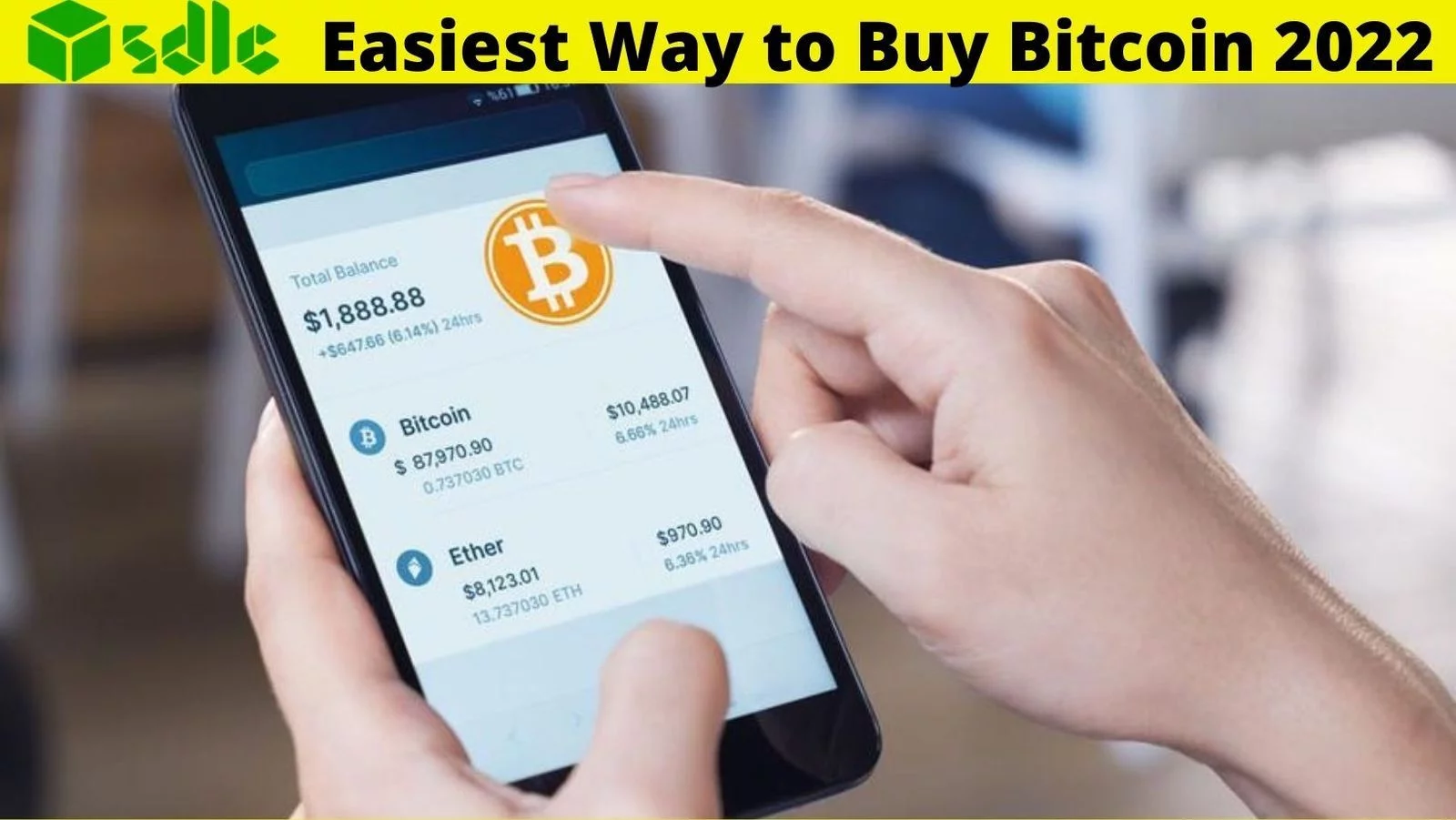
The process of buying Bitcoin has become significantly more user-friendly over the years. What once required complex coding knowledge can now be accomplished through streamlined financial applications that mirror the experience of using a banking app or a stock brokerage.
Choosing a Reputable Exchange
The first step is selecting a cryptocurrency exchange. An exchange is a digital marketplace where you trade fiat currency (like USD, EUR, or GBP) for Bitcoin. For beginners, it is critical to choose a platform that is regulated and has a strong track record of security. Popular options include Coinbase, Kraken, and Binance. When evaluating an exchange, look for high liquidity (the ease with which you can buy or sell), low transaction fees, and robust insurance policies for user funds.
The Verification Process (KYC)
Once you have selected an exchange, you will need to create an account and complete the “Know Your Customer” (KYC) process. This is a standard financial regulation designed to prevent money laundering and fraud. You will likely be asked to provide a government-issued ID, proof of address, and a facial verification photo. While this might seem intrusive to those seeking total anonymity, using a compliant exchange is the safest way for beginners to enter the market legally and securely.
Funding Your Account and Executing the Trade
After your identity is verified, you must link a funding source. Most platforms support bank transfers (ACH or SEPA), wire transfers, and credit or debit cards. Bank transfers are generally the most cost-effective method, as credit card purchases often incur high processing fees.
Once the funds land in your exchange account, you can execute a “Market Order” or a “Limit Order.” A market order buys Bitcoin immediately at the current price, while a limit order allows you to set a specific price at which you are willing to buy. For most beginners, a simple market order is the most straightforward path to owning their first fraction of a Bitcoin.
Storage Solutions and Financial Security

In the world of traditional finance, the bank is responsible for the safety of your funds. In the world of Bitcoin, you have the option—and the responsibility—to manage your own security. Where you store your Bitcoin is just as important as how you buy it.
Custodial vs. Non-Custodial Wallets
When you buy Bitcoin on an exchange and leave it there, you are using a “custodial” arrangement. The exchange holds the private keys (the digital passwords) to your funds. This is convenient for beginners but carries “platform risk”—if the exchange is hacked or goes bankrupt, your funds may be at risk.
For enhanced security, many investors move their assets to a “non-custodial” wallet. These come in two primary forms:
-
Software Wallets (Hot Wallets): Apps on your phone or computer that give you control over your keys. They are convenient for frequent trading but are still connected to the internet, making them slightly more vulnerable to malware.
-
Hardware Wallets (Cold Storage): Physical devices, such as those made by Ledger or Trezor, that store your keys offline. This is the gold standard for financial security, as it makes it virtually impossible for remote hackers to access your Bitcoin.
Protecting Your Private Keys and Recovery Phrases
If you choose a non-custodial wallet, you will be given a “seed phrase”—a series of 12 to 24 random words. This phrase is the master key to your wealth. If you lose your hardware wallet, you can use this phrase to recover your Bitcoin on a new device. However, if someone else gains access to this phrase, they can steal your funds instantly. From a financial planning perspective, you must treat this phrase with the same level of security as a physical deed to a house or a gold bar. Store it offline, in a fireproof safe, and never share it with anyone.
Developing a Long-Term Investment Strategy
Successful Bitcoin investing is less about timing the market and more about “time in the market.” Because the asset is prone to speculative bubbles and sharp corrections, beginners often find success by adopting a disciplined financial strategy.
Dollar-Cost Averaging (DCA)
One of the most effective strategies for beginners is Dollar-Cost Averaging (DCA). This involves investing a fixed amount of money at regular intervals (e.g., $50 every week), regardless of the price. By doing this, you buy more Bitcoin when the price is low and less when the price is high. Over time, this smooths out the volatility and lowers the average cost of your position. DCA removes the emotional stress of trying to “buy the dip” and treats Bitcoin like a long-term savings account.
Tax Implications and Portfolio Rebalancing
From a personal finance standpoint, Bitcoin is treated as property by most tax authorities, such as the IRS in the United States. This means that every time you sell Bitcoin or use it to make a purchase, you may trigger a capital gains tax event. It is essential to keep meticulous records of your purchase prices (cost basis) and sale prices.
Furthermore, as Bitcoin grows in value, it may begin to represent a disproportionately large percentage of your overall net worth. Periodically rebalancing your portfolio—selling some Bitcoin to buy other assets or vice versa—can help you maintain your desired risk profile and lock in profits during bull markets.

Common Pitfalls and How to Avoid Them
The path to financial growth via Bitcoin is often littered with distractions and risks that can derail a beginner’s progress. Recognizing these pitfalls is essential for capital preservation.
The first major pitfall is “Fear Of Missing Out” (FOMO). When the price of Bitcoin is skyrocketing and making headlines, the temptation to “go all in” is at its peak. Historically, this is often the worst time to buy. Financial discipline dictates that you should buy based on your plan, not based on social media hype.
The second pitfall is falling for “Altcoin” scams or high-yield investment programs. Many beginners are lured away from Bitcoin by smaller, cheaper cryptocurrencies that promise 100x returns or platforms that promise “guaranteed” daily interest. Most of these are highly speculative at best and outright fraudulent at worst. For a beginner focused on building a solid financial foundation, sticking to Bitcoin—the most liquid and battle-tested digital asset—is the most prudent course of action.
Finally, ignore the “get rich quick” mentality. Bitcoin is an institutional-grade asset class that requires a multi-year horizon. By viewing your purchase through the lens of a sophisticated investor—prioritizing security, utilizing DCA, and maintaining a diversified portfolio—you can navigate the complexities of the digital economy and position yourself for long-term financial success.
aViewFromTheCave is a participant in the Amazon Services LLC Associates Program, an affiliate advertising program designed to provide a means for sites to earn advertising fees by advertising and linking to Amazon.com. Amazon, the Amazon logo, AmazonSupply, and the AmazonSupply logo are trademarks of Amazon.com, Inc. or its affiliates. As an Amazon Associate we earn affiliate commissions from qualifying purchases.