
In the lexicon of commerce, the word “beverage” transcends its dictionary definition of “a drinkable liquid.” To a consumer, a beverage might be a morning ritual, a social lubricant, or a status symbol. To a brand strategist, however, “beverage” represents one of the most competitive, psychologically complex, and high-stakes arenas in the world of marketing. When we ask, “What does beverage mean?” through the lens of brand strategy, we are not asking about the chemical composition of water, sugar, and flavorings. We are asking how a liquid becomes an identity, and how a commodity becomes a lifestyle.

In this exploration, we will decode the strategic significance of the beverage category, examining how brand architecture, sensory marketing, and cultural narratives transform a simple physiological necessity into a multi-billion-dollar brand asset.
Decoding the Semantics of Beverage Branding
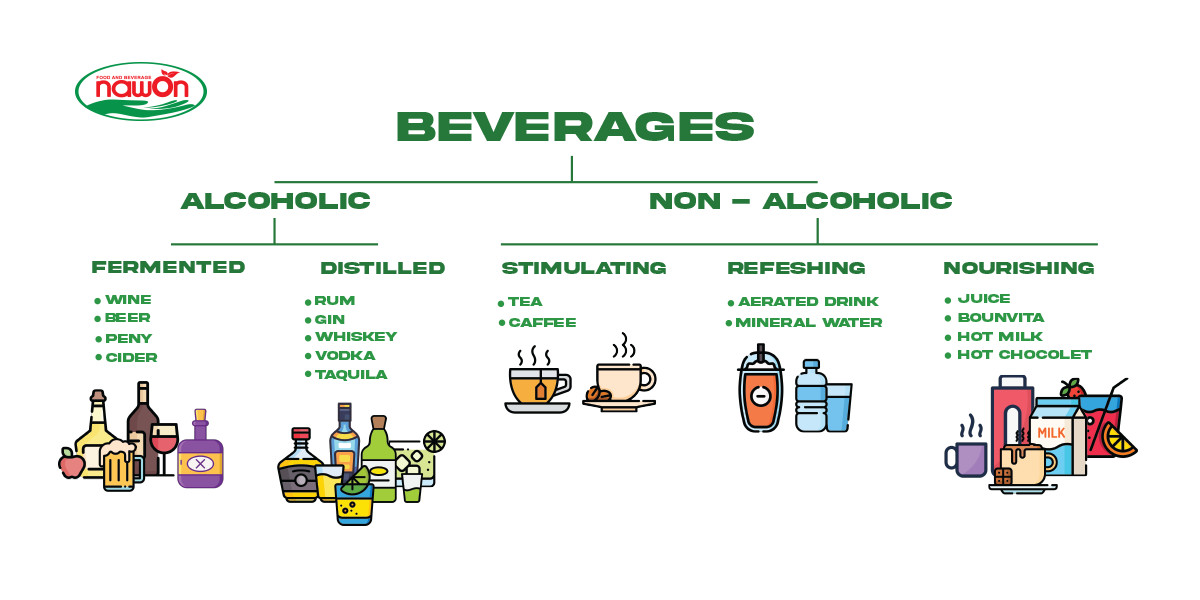
The term “beverage” carries a weight that the word “drink” does not. In the world of corporate identity, “beverage” signifies a professionalized category that encompasses everything from carbonated soft drinks to artisanal spirits and functional wellness tonics. The meaning of a beverage is defined less by its taste and more by its positioning within a consumer’s life.
Liquid Assets: Beyond Basic Hydration
From a branding perspective, the primary function of a beverage is rarely just to quench thirst. If thirst were the only driver, the industry would be dominated by tap water. Instead, a beverage serves as a “liquid asset”—a tool for self-expression. When a consumer chooses a beverage, they are purchasing a curated experience. A high-end mineral water brand like San Pellegrino does not sell H2O; it sells “Italian Elegance.” A bottle of Fiji water sells “Purity and Untouched Nature.” In these instances, the meaning of the beverage is inextricably linked to the origin story and the perceived prestige of the source.
The Psychology of Thirst and Choice
Brand strategists understand that the beverage category is driven by “low-involvement” but “high-frequency” purchasing decisions. This means consumers choose their beverages quickly, often based on subconscious brand cues. What a beverage means at the point of purchase is often a reflection of the consumer’s desired state of being. Are they looking for an energy boost (Red Bull), a moment of relaxation (Twinings Tea), or a reward (Coca-Cola)? The branding must communicate these emotional outcomes in the split second a consumer looks at a supermarket shelf or a digital menu.
Constructing a Beverage Identity: From Water to Lifestyle
Building a beverage brand requires a sophisticated blend of visual identity and narrative storytelling. Because the product is consumed and then gone, the brand must live in the mind of the consumer long after the last drop is finished.
The Visual Language of Labels and Packaging
In the beverage world, the packaging is the product. Because consumers cannot taste the liquid through the glass or aluminum, the brand’s visual identity must do the heavy lifting. This involves a strategic use of color theory, typography, and structural design. For example, a sleek, minimalist aluminum can with matte finishing often signals a modern, “clean-label” beverage or a premium craft beer. Conversely, bright, neon colors and bold, aggressive fonts are the hallmark of energy drinks targeting a younger, action-oriented demographic. The meaning of the beverage is decoded through these visual signals before the cap is even twisted.
Narrative and Storytelling in the Drink Sector
The most successful beverage brands are those that tell a compelling story. This is particularly evident in the spirits and coffee industries. When a brand like Johnnie Walker tells the story of “Keep Walking,” it moves the beverage from the category of “Scotch” to the category of “Personal Progress.” The beverage becomes a symbol of the consumer’s own journey. Similarly, Starbucks did not become a global powerhouse by just selling coffee; they branded the “Third Place”—a location between home and work. In this context, the beverage means “community” and “comfort.”
The Strategic Evolution of Beverage Categories
As consumer preferences shift, the strategic meaning of beverage categories must also evolve. We are currently witnessing a massive shift from “mass-market” consistency to “niche-market” authenticity.
Craft vs. Corporate: The Battle for Authenticity
For decades, a beverage brand meant consistency—the Pepsi you drank in New York was the same as the Pepsi in Tokyo. However, the modern brand landscape prizes “craft” and “provenance.” Small-batch distilleries and local kombucha brewers have redefined what a beverage means by emphasizing the “human” element of production. For large corporations, the strategy has shifted toward acquiring these craft brands to maintain a portfolio that feels authentic and diverse. The “meaning” here is a move away from industrial perfection toward artisanal imperfection.
The Rise of “Functional” Beverages as a Personal Brand Extension
The “Functional Beverage” category—drinks infused with vitamins, nootropics, or adaptogens—has changed the definition of a beverage from a refreshment to a performance tool. Brands like Liquid I.V. or Huel have successfully marketed beverages as essential components of a high-performance lifestyle. In this niche, the beverage means “optimization.” The branding is often clinical or minimalist, borrowing visual cues from the pharmaceutical or tech industries to signal efficacy and scientific backing.
Globalization and the Cultural Meaning of Beverages
A beverage brand’s meaning is not static; it changes as it crosses borders. Managing a global beverage brand requires a delicate balance between a core global identity and local cultural relevance.
Adapting Brand Messages for Local Markets
What a beverage means in North America might be entirely different from what it means in East Asia. For example, in many Western markets, tea is often associated with health or British tradition. In China, tea is a foundational cultural pillar with deep historical and social significance. A brand like Lipton must navigate these different meanings by adjusting its brand strategy—focusing on convenience in one market and heritage in another. This “glocal” approach ensures that the brand remains relevant regardless of the cultural context.
Sustainability: The New Core Brand Value
In the modern era, the meaning of a beverage is increasingly tied to its environmental footprint. A brand can no longer ignore the ethical implications of plastic packaging or water sourcing. For brands like Boxed Water Is Better or SodaStream, the core brand identity is built entirely around sustainability. For legacy brands, the challenge is to pivot their corporate identity to reflect environmental responsibility without losing their historical essence. Today, if a beverage brand does not mean “sustainable,” it risks being viewed as “obsolete” by the conscious consumer.

Conclusion: The Fluidity of Brand Meaning
Ultimately, “what does beverage mean?” is a question with a moving answer. In the context of brand strategy, a beverage is a vessel for human emotion, a marker of social status, and a tool for lifestyle design. Whether it is the caffeine-fueled productivity of an espresso or the celebratory sparkle of champagne, the meaning is constructed through meticulous branding, strategic positioning, and a deep understanding of consumer psychology.
As we move further into a digital-first world, the definition of a beverage will continue to expand. We are already seeing the emergence of “digital beverage experiences” through NFTs and metaverse branding, where the idea of the beverage is sold even without the physical liquid. In this landscape, the brand is the only thing that truly matters. A beverage, therefore, is not just something we drink; it is something we believe in, something we belong to, and something that defines who we are in the eyes of the world. For the strategist, the liquid is the medium, but the brand is the message.
aViewFromTheCave is a participant in the Amazon Services LLC Associates Program, an affiliate advertising program designed to provide a means for sites to earn advertising fees by advertising and linking to Amazon.com. Amazon, the Amazon logo, AmazonSupply, and the AmazonSupply logo are trademarks of Amazon.com, Inc. or its affiliates. As an Amazon Associate we earn affiliate commissions from qualifying purchases.