
The traditional automotive purchasing experience—characterized by high-pressure sales floors, complex negotiations, and rows of physical inventory—is rapidly becoming a relic of the past. When consumers ask, “Where can I buy a Tesla near me?” they are not merely looking for a physical address; they are entering a sophisticated technological ecosystem that prioritizes software integration, digital logistics, and direct-to-consumer transparency. Tesla has effectively decoupled the act of purchasing a vehicle from the physical dealership model, replacing it with a streamlined, tech-heavy framework that mirrors the way we buy smartphones or high-end laptops.
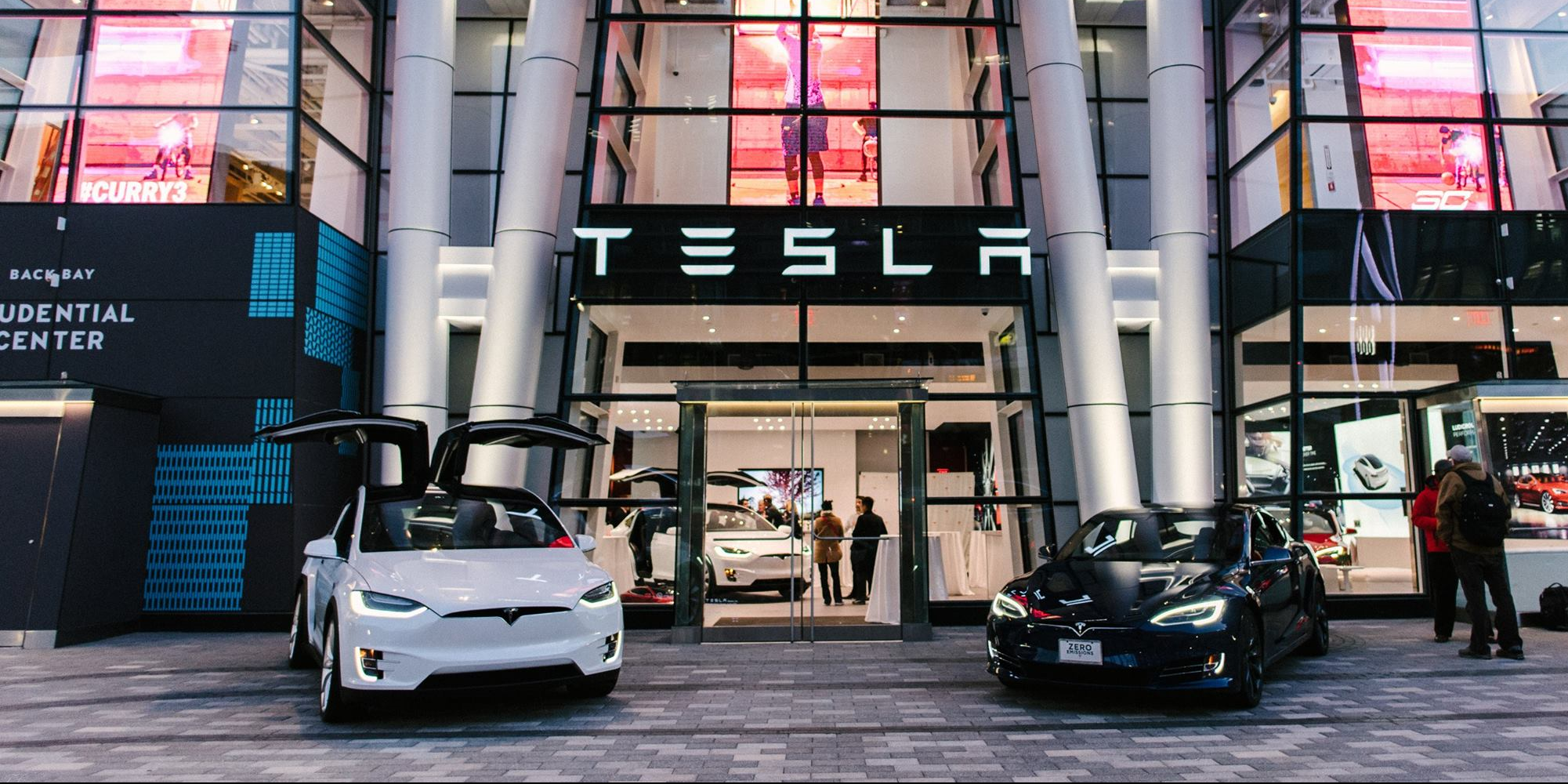
To understand where and how to acquire a Tesla, one must first understand that the “location” is primarily digital. Whether you are sitting in a home office or standing in a Tesla Gallery, the hardware and software used to facilitate the transaction remain the same. This approach ensures that the vehicle’s sophisticated tech stack—from Autopilot capabilities to Over-the-Air (OTA) updates—is mirrored in the buying process itself.
The Direct-to-Consumer Model: A Tech-Driven Revolution
The most significant hurdle for new buyers is often unlearning the dealership experience. Tesla operates on a direct-to-consumer (DTC) model, which means there are no third-party franchisees. Every “store” or “gallery” you encounter is owned and operated by Tesla. This centralization is made possible through a robust backend software infrastructure that manages global inventory in real-time.
The Tesla App: Your Virtual Showroom
The primary answer to “where” you can buy a Tesla is your mobile device. The Tesla App serves as the gateway to the entire ownership lifecycle. From a technical perspective, the app is integrated directly with Tesla’s fleet management servers. When a user selects a Model 3 or Model Y for purchase, the app communicates with regional logistics hubs to identify the closest VIN (Vehicle Identification Number) that matches the requested specifications. This level of vertical integration allows for a “frictionless” checkout process that can often be completed in under five minutes.
Tesla Galleries vs. Traditional Dealerships
In many jurisdictions, Tesla utilizes “Galleries” rather than sales lots. These are high-tech education centers designed to showcase the vehicle’s engineering. Instead of sales brochures, you find interactive touchscreens that detail battery chemistry, the structural integrity of the chassis, and the compute power of the onboard FSD (Full Self-Driving) computer. If you visit a gallery “near you,” you aren’t there to haggle; you are there to interface with the hardware before completing the digital transaction on your own terms.
Locating Inventory and Delivery Centers Through Real-Time Data
While the order is placed digitally, physical logistics still dictate how quickly you receive the vehicle. Tesla’s “near me” functionality relies on a sophisticated algorithmic distribution of inventory. The company utilizes data-driven forecasting to stock “Inventory Vehicles” at regional hubs, which can often be delivered much faster than custom-ordered units.
Real-Time Inventory Tracking
For buyers who need a vehicle immediately, Tesla’s website offers an inventory search tool powered by real-time geolocation. This tool allows users to see exactly which configurations—Performance, Long Range, or Rear-Wheel Drive—are physically present at nearby delivery centers. From a technical standpoint, this is a live window into Tesla’s supply chain. The system tracks vehicles from the moment they leave the “Giga” factories (such as Giga Austin or Giga Nevada) until they are staged at a local delivery point.
The Role of Delivery Centers
Unlike a dealership that stores hundreds of cars in an open lot, a Tesla Delivery Center functions more like a high-tech logistics warehouse. These centers are strategically located near major metropolitan hubs to minimize the “last mile” of delivery. When you search for a Tesla “near me,” you are looking for these specialized hubs. They are equipped with diagnostic software that performs a final “Pre-Delivery Inspection” (PDI), ensuring that the vehicle’s firmware is updated to the latest version before the customer takes possession.
The Role of the Supercharger Network in Geographic Accessibility

The question of “where can I buy” is often followed by “where can I drive?” Tesla’s geographic footprint is defined not just by where they sell cars, but by where they support them. The Supercharger network is arguably the most critical piece of technology in the Tesla ecosystem, acting as a “moat” that makes the brand accessible even in regions without a massive physical store presence.
Software-Integrated Navigation
The Tesla tech stack includes a proprietary trip planner integrated into the vehicle’s Linux-based operating system. When you look for a Tesla near you, the availability of V3 and V4 Superchargers in your area should be a primary consideration. These chargers are not just “plugs”; they are networked IoT (Internet of Things) devices that communicate with your car to precondition the battery for optimal charging speeds. This integration ensures that even if a service center is an hour away, the “fueling” infrastructure is likely right around the corner.
V4 Supercharging and Infrastructure Expansion
The rollout of V4 Supercharger hardware represents a significant leap in accessibility. With longer cables and higher power throughput, these stations are designed to accommodate not just Teslas, but the wider EV market through the NACS (North American Charging Standard). For the Tesla buyer, this means the “near me” radius for reliable long-distance travel is constantly expanding as the software backbone of the network becomes more robust.
Assessing the Tech Stack Before You Buy
When you locate a Tesla near you, the decision to purchase should be heavily influenced by the specific hardware version of the vehicle in stock. Tesla does not operate on “model years” in the traditional sense; instead, they implement hardware changes whenever they are ready.
Hardware 4.0 and Full Self-Driving (FSD)
One of the most critical technical aspects to verify is the presence of “Hardware 4” (HW4). This suite of sensors and processing power is the brain of the vehicle’s autonomy features. It includes high-resolution cameras and a powerful neural network processor capable of running Tesla’s FSD Beta software. When browsing local inventory, savvy buyers check the manufacture date and sensor suite to ensure they are getting the latest compute architecture.
The Infotainment and Software Ecosystem
The interior of a Tesla is dominated by a central touchscreen that controls nearly every function of the car. This is powered by a powerful processor (often AMD Ryzen in newer models) that handles everything from high-fidelity gaming via Tesla Theater to complex energy consumption graphs. Buying a Tesla means opting into a software ecosystem that receives frequent updates. Unlike traditional cars that depreciate in features over time, a Tesla often improves through OTA updates that can enhance braking performance, battery efficiency, or user interface aesthetics.
Navigating the Mobile Delivery Experience
Perhaps the most “tech” way to buy a Tesla near you is to skip the delivery center entirely. Depending on your location, Tesla offers “Direct Delivery,” where the vehicle is brought to your driveway on a carrier.
Touchless Delivery Mechanics
The touchless delivery process is a marvel of digital integration. Once the vehicle arrives, the owner uses the Tesla App to unlock the car for the first time. This action cryptographically pairs the owner’s smartphone with the vehicle’s security system, turning the phone into a “Phone Key” using Bluetooth Low Energy (BLE) and Ultra-Wideband (UWB) technology. All necessary paperwork is signed digitally through the app, and the owner’s manual is replaced by a searchable on-screen database and video tutorials.

Post-Purchase Technical Support: Mobile Service
The “near me” concept extends to maintenance through Tesla’s Mobile Service fleet. For many common issues, a technician in a specially equipped Tesla van comes to your location. These technicians use remote diagnostics to identify the problem before they even arrive. Because the vehicle is “connected,” Tesla’s central servers can often pull log files to see exactly why a component is underperforming. This remote-first diagnostic approach reduces the need for physical service centers and reinforces the idea that the Tesla “dealership” is essentially a distributed, digital network.
In conclusion, finding a Tesla near you is less about searching for a storefront and more about engaging with a high-tech platform. From the moment you browse the real-time inventory on the app to the day your vehicle receives its first OTA update in your driveway, the process is a testament to the power of vertical integration and software-driven logistics. By focusing on the technology behind the purchase, buyers can navigate the ecosystem with the confidence that they are acquiring not just a car, but a sophisticated piece of mobile hardware.
aViewFromTheCave is a participant in the Amazon Services LLC Associates Program, an affiliate advertising program designed to provide a means for sites to earn advertising fees by advertising and linking to Amazon.com. Amazon, the Amazon logo, AmazonSupply, and the AmazonSupply logo are trademarks of Amazon.com, Inc. or its affiliates. As an Amazon Associate we earn affiliate commissions from qualifying purchases.