
In the landscape of modern commerce, few brand initiatives have fundamentally altered consumer behavior as profoundly as Amazon Prime. To understand the magnitude of this shift, one must look back to its inception: Amazon Prime was officially launched on February 2, 2005. At its birth, it was a relatively simple value proposition—an annual membership for $79 that provided unlimited two-day shipping on over a million items. However, looking at Prime through the lens of brand strategy reveals that it was never just a logistics program. It was a masterstroke in corporate identity and consumer psychology that transformed Amazon from a transactional bookstore into an indispensable lifestyle utility.

The 2005 Genesis: Reimagining the Consumer Relationship
When Jeff Bezos first introduced Amazon Prime in 2005, the move was met with significant skepticism from Wall Street and industry analysts. At the time, the idea of paying upfront for “free” shipping seemed counterintuitive to a public accustomed to calculating shipping costs at the final stage of a checkout process. From a brand perspective, however, the creation of Prime was an aggressive attempt to solve the single greatest point of friction in e-commerce: the psychological barrier of delivery fees and wait times.
The internal project, code-named “Futurama,” was driven by a vision to make Amazon the “default” choice for every consumer need. By establishing a fixed annual fee, Amazon effectively flipped the script on traditional retail marketing. Instead of enticing customers to buy specific products, they were inviting customers to invest in the brand itself. This initial $79 fee was a strategic gamble designed to secure long-term loyalty at the expense of short-term margins. It was the moment Amazon transitioned from being a store to being a service.
In those early years, the Prime brand was synonymous with speed and reliability. The identity was built on the promise of “The Box on the Doorstep.” By delivering on this promise consistently, Amazon built a reservoir of brand equity that allowed it to weather the high costs of logistics. The brilliance of the 2005 launch was not in the shipping speed itself, but in how it created a “club” atmosphere that made non-members feel they were missing out on a superior way to live.
Building the Flywheel: How Prime Redefined Brand Loyalty
The core of Amazon’s brand strategy is often described as the “Virtuous Cycle” or the “Flywheel Effect.” Amazon Prime is the engine at the center of this flywheel. To understand the brand’s success, one must analyze how the creation of Prime in 2005 accelerated every other aspect of the business.
The strategy works like this: Prime attracts more members, which leads to more traffic on the site. More traffic attracts third-party sellers who want access to those high-spending Prime members. A larger selection of products follows, which improves the customer experience, leading back to more Prime members. This cycle creates a brand ecosystem that is incredibly difficult for competitors to replicate.
From a marketing psychology standpoint, Prime utilizes the “sunk cost fallacy” to perfection. Once a consumer pays an annual fee, they feel a subconscious pressure to “get their money’s worth.” This shifts the consumer’s first instinct from searching Google for a product to searching Amazon directly. By 2010, the Prime brand had successfully moved the starting point of the buyer’s journey. The brand identity became one of “Total Convenience,” where the price of an individual item mattered less than the ease of the ecosystem.
From Utility to Lifestyle: The Horizontal Expansion of Brand Assets
While Prime was created as a shipping service, its evolution into a multi-faceted lifestyle brand is what solidified its dominance. Over the decades, Amazon strategically added layers to the Prime membership, moving far beyond its 2005 roots. Each addition was designed to increase the “stickiness” of the brand.
The Inclusion of Digital Media
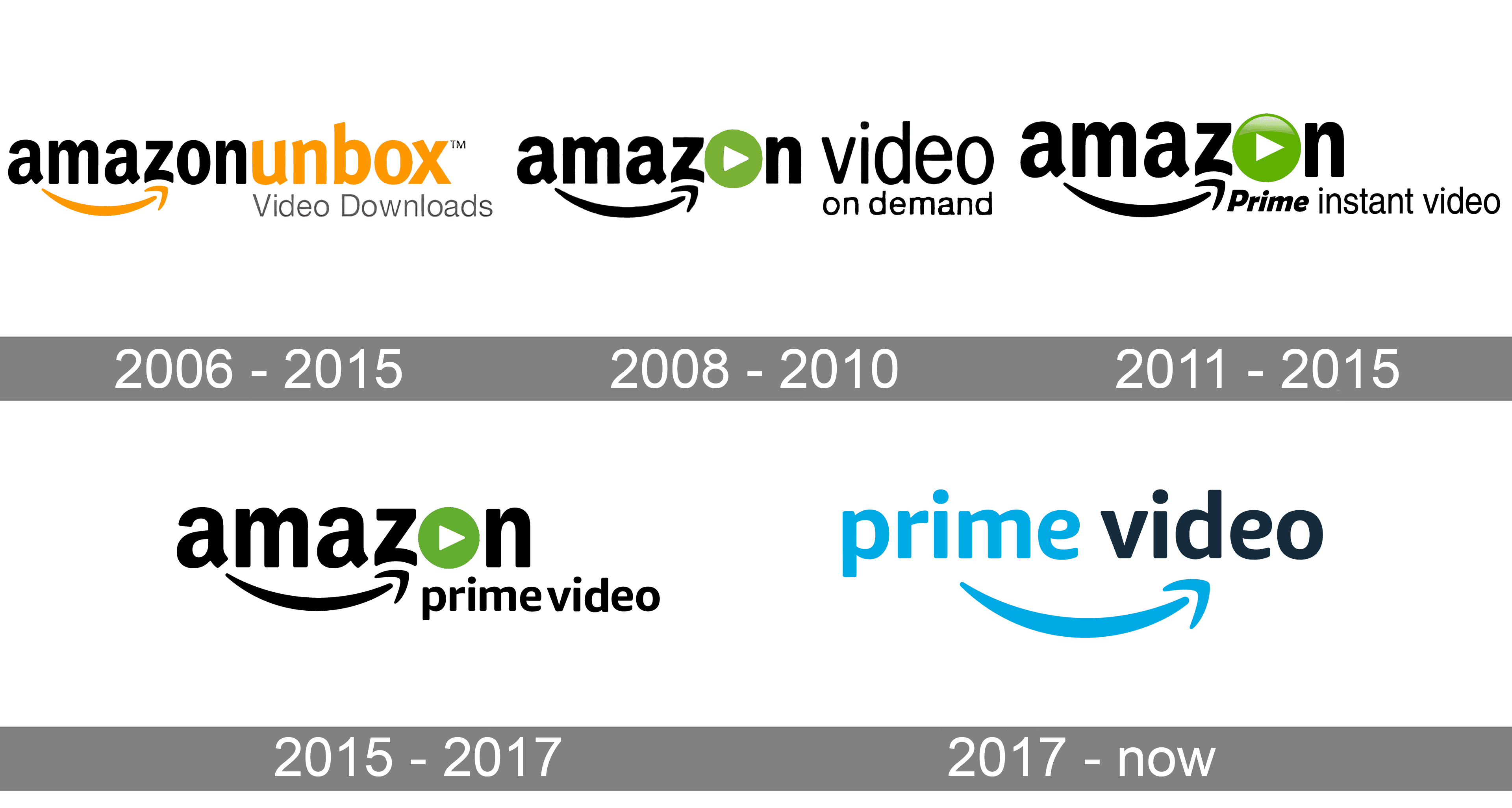
The introduction of Prime Video (originally Amazon Instant Video) and Prime Music transformed the brand’s identity from a logistics giant to a media powerhouse. By bundling streaming services with shipping, Amazon redefined the value proposition. In the eyes of the consumer, the brand was no longer just about the physical box; it was about the evening’s entertainment. This horizontal expansion allowed Amazon to compete simultaneously with Netflix, Spotify, and traditional retailers.
The Grocery and Physical Retail Integration
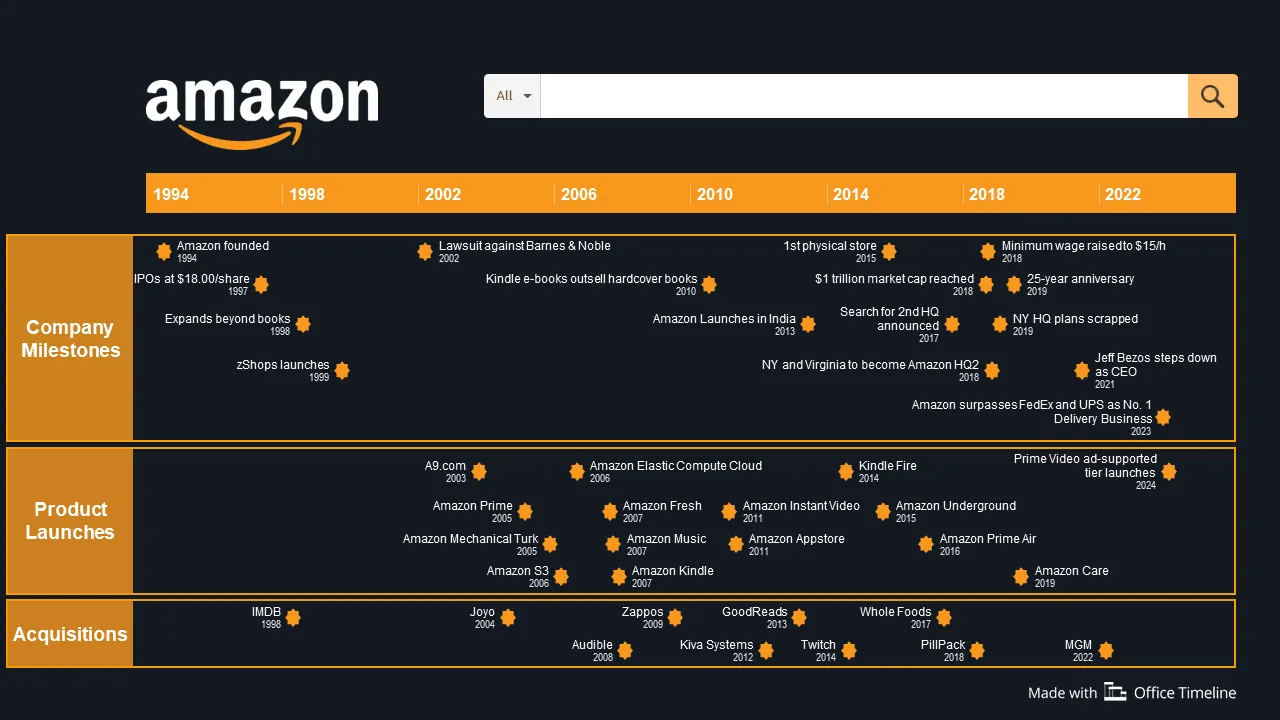
With the acquisition of Whole Foods in 2017, the Prime brand entered the physical world in a major way. The integration of Prime discounts into Whole Foods stores served to bridge the gap between digital and physical branding. It reinforced the idea that being a “Prime Member” was a status that conferred benefits across all aspects of daily life, from the pantry to the living room.
Prime Day: A Manufactured Cultural Event
In 2015, to celebrate its 20th anniversary, Amazon created “Prime Day.” This was a pivotal moment in brand history—the creation of a retail holiday out of thin air. Prime Day served two strategic purposes: it drove a massive surge in memberships during the mid-summer slump, and it reinforced the brand’s image as a disruptor of traditional retail cycles. Today, Prime Day is a global phenomenon that rival’s Black Friday, proving the brand’s power to dictate consumer behavior on a global scale.
The Psychology of the Membership Model and Corporate Identity
The success of Amazon Prime lies in its ability to foster an emotional connection through a functional service. Branding is often about how a company makes a customer feel, and Prime makes customers feel “taken care of.” The brand identity is rooted in the concept of “Customer Obsession,” a term frequently used in Amazon’s corporate leadership principles.
When a customer sees the Prime logo, they associate it with a lack of anxiety. They know the shipping will be fast, the returns will be easy, and the customer service will likely side with them. This reliability is the foundation of the Prime brand identity. In an era of fragmented digital experiences, Prime offers a unified, frictionless interface.
Furthermore, the membership model creates a sense of exclusivity and belonging. Even though there are over 200 million Prime members worldwide, the personalized nature of the Amazon interface—using data to suggest products and “Prime-only” deals—makes the brand feel tailored to the individual. This use of data-driven branding allows Amazon to maintain a personal connection with its audience despite its massive, monolithic scale.
The Future of the Membership Brand in a Shifting Economy
As we look toward the future, the Prime brand faces new challenges that will test the strength of its identity. Since its creation in 2005, the price of Prime has risen several times, reflecting the increased costs of labor, transportation, and content production. Each price hike is a test of brand loyalty.
The strategy moving forward appears to be one of “Deep Integration.” Amazon is moving into healthcare with Amazon Clinic and RxPass, and into home security with Ring and Blink. The goal is to make the Prime brand synonymous with “The Modern Home.” If the 2005 version of Prime was about getting a book delivered in two days, the 2025 version is about managing your health, your home security, your entertainment, and your groceries through a single brand portal.
However, with great scale comes great scrutiny. The brand must now navigate the complexities of antitrust concerns and labor relations, which impact public perception of the corporate identity. For Amazon Prime to maintain its status, it must continue to innovate while ensuring that the “membership” still feels like a benefit rather than a tax.
The story of Amazon Prime’s creation is a testament to the power of a long-term brand vision. By focusing on a single, universal pain point—shipping costs—and building an entire world around the solution, Amazon created one of the most successful brand ecosystems in history. It serves as a definitive case study for how a company can use a subscription model not just for recurring revenue, but as a tool for total market transformation and brand immortality. From a $79 experiment in 2005 to a global necessity today, Amazon Prime remains the gold standard of strategic branding.
aViewFromTheCave is a participant in the Amazon Services LLC Associates Program, an affiliate advertising program designed to provide a means for sites to earn advertising fees by advertising and linking to Amazon.com. Amazon, the Amazon logo, AmazonSupply, and the AmazonSupply logo are trademarks of Amazon.com, Inc. or its affiliates. As an Amazon Associate we earn affiliate commissions from qualifying purchases.