
In the ever-expanding universe of streaming services, Amazon Prime Video stands as a formidable contender, offering a vast library of movies, TV shows, and original content. Yet, for many consumers, the initial question isn’t about the latest blockbuster or critically acclaimed series, but rather the practical concern: “How much does it actually cost?” Understanding the financial implications of an Amazon Prime Video subscription is crucial for budgeting and ensuring you’re getting the best value for your money. It’s not always a straightforward answer, as the pricing can vary significantly based on how you access the service, where you live, and what additional features you opt for.
At its core, Amazon Prime Video is intricately linked to the broader Amazon Prime membership. This bundling strategy is a cornerstone of Amazon’s ecosystem, aiming to offer an all-encompassing suite of benefits that extend far beyond just streaming. However, for those primarily interested in the video content, navigating the various options and potential hidden costs requires a keen eye for detail. This article will delve into the specific costs associated with Amazon Prime Video, break down the value proposition, explore common pitfalls that lead to unexpected charges, and provide actionable advice for managing your streaming budget effectively. By dissecting the different pricing tiers and considering the holistic financial picture, consumers can make informed decisions about whether an Amazon Prime Video subscription aligns with their financial goals and entertainment needs.
Understanding Amazon Prime Video’s Pricing Structure
The cost of Amazon Prime Video isn’t a single, fixed figure. Instead, it’s typically presented through various pathways, each with its own pricing and associated benefits. The most common way to access Prime Video is as part of the comprehensive Amazon Prime membership, which bundles numerous services into one subscription fee.
The Core Amazon Prime Membership (The Default Path)
For the vast majority of subscribers, Amazon Prime Video is merely one facet of a much larger offering: the Amazon Prime membership. This flagship service is designed to make Amazon an indispensable part of a subscriber’s daily life, intertwining e-commerce with digital entertainment.
-
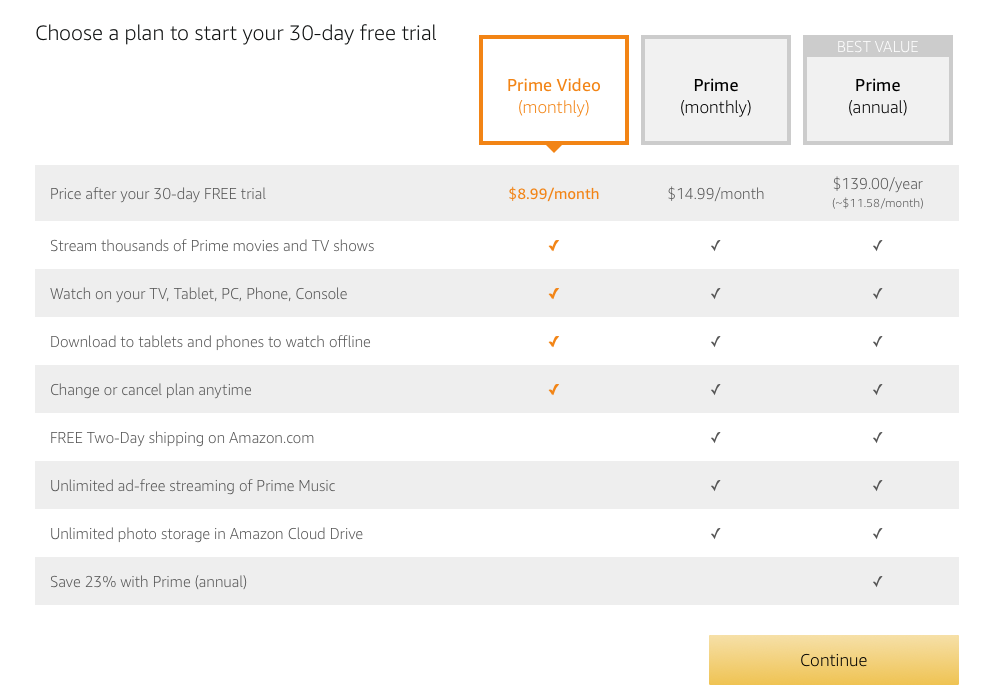
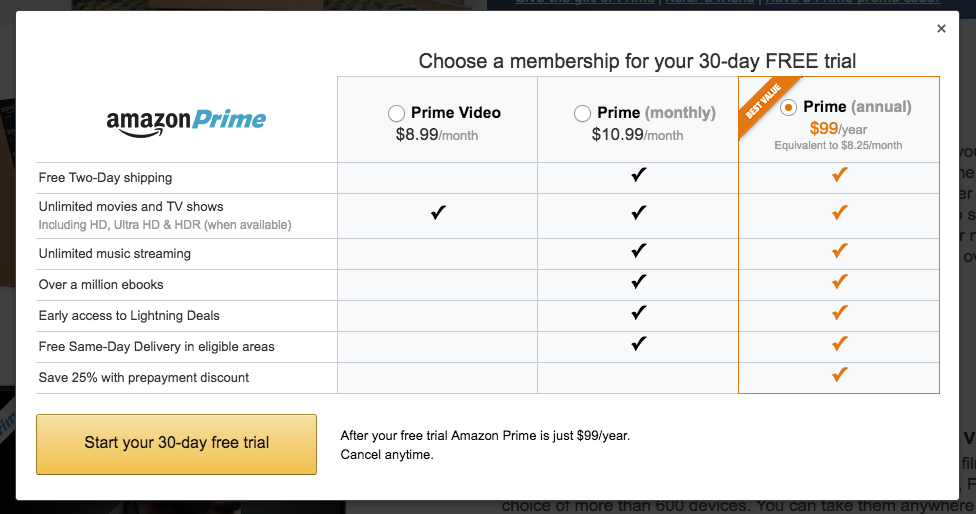
Annual vs. Monthly Cost: Amazon typically offers two primary payment structures for its full Prime membership. An annual subscription often presents a cost saving over a cumulative monthly payment. For instance, a common annual price point might be around $139, while the monthly option could be $14.99. Over 12 months, the monthly option would amount to $179.88, illustrating a clear financial incentive for committing to an annual plan if you intend to keep the service long-term.
-
What’s Included Beyond Video: This is where the true value proposition of the full Prime membership becomes apparent, especially from a financial perspective. Beyond Prime Video, subscribers gain access to:
-
Free Two-Day Shipping (or faster) on millions of items: This is arguably the most recognized and utilized benefit, saving considerable shipping costs, especially for frequent Amazon shoppers.
-
Prime Music: Ad-free access to a vast catalog of songs and podcasts.
-
Prime Reading: A rotating selection of free e-books, magazines, and comics.
-
Amazon Photos: Unlimited full-resolution photo storage.
-
Prime Gaming: Free games, exclusive in-game content, and a free Twitch channel subscription.
-
Whole Foods Market Discounts: Exclusive savings and 5% back on select products for Prime members.
The financial benefit derived from these bundled services can quickly outweigh the subscription cost, particularly for households that leverage multiple Prime features.
-
Standalone Prime Video Subscription (A Niche Option)
Recognizing that some consumers may only be interested in the video content without needing the full suite of Prime benefits, Amazon also offers a standalone Prime Video subscription in some regions.
-
Pricing and Limitations: This option is typically priced lower than the full Prime membership’s monthly rate, often around $8.99 per month. The key distinction, however, is that it provides only access to Prime Video’s streaming library. All the other valuable Prime benefits—free shipping, music, reading, etc.—are excluded.
-
Who This Option Is For: This standalone plan is ideal for individuals who are not frequent Amazon shoppers, already have alternative shipping solutions, or simply do not utilize the other Prime services. It’s a targeted financial choice for those who want to minimize costs while retaining access to Amazon’s extensive video catalog, original series, and movies.
Student Discounts and Other Special Offers
Amazon also extends preferential pricing to specific demographics, making the service more accessible and financially viable for students and qualifying low-income individuals.
-
Prime Student Benefits and Pricing: College students can typically sign up for a significantly discounted Prime membership. This often includes an extended free trial period (e.g., six months) followed by a reduced monthly or annual rate (e.g., $7.49/month or $69/year). Prime Student members generally receive most of the core Prime benefits, including Prime Video, free shipping, and specialized student deals, making it an excellent financial choice for those in higher education.
-
EBT/Medicaid Discounts: In the United States, Amazon offers a discounted Prime membership for recipients of qualifying government assistance programs, such as EBT (Electronic Benefits Transfer) or Medicaid. This typically brings the monthly cost down to approximately $6.99. This initiative reflects Amazon’s effort to make its services, including Prime Video, more financially inclusive.
-
Trial Periods: Almost all new subscribers, regardless of their demographic, are eligible for a free trial period (usually 30 days) of the full Amazon Prime membership. This allows potential customers to experience the benefits firsthand before committing financially. It’s crucial to mark the trial expiration date to avoid unintended charges if you decide not to continue the subscription.
Beyond the Base Subscription: Potential Additional Costs
While the base Prime Video subscription provides access to a substantial library, it’s important for consumers to understand that additional costs can quickly accumulate, impacting the overall monthly or annual expenditure. These add-ons and consumption habits can significantly inflate the total financial outlay for an Amazon Prime Video user.
Premium Channels and Add-ons
One of the most common ways subscribers incur additional costs on Amazon Prime Video is through the subscription to premium channels and specialty add-ons. Amazon effectively acts as a hub, allowing users to consolidate various streaming subscriptions under one billing umbrella.
-
Examples (HBO, Showtime, Starz, Paramount+, etc.): Amazon Channels offers a wide array of popular premium networks and niche streaming services directly through the Prime Video interface. For an additional monthly fee, subscribers can add channels like Max (for HBO content), Showtime, Starz, Paramount+, AMC+, Shudder, and many more. Each of these typically carries its own monthly charge, ranging from a few dollars to upwards of $15 or more.
-
Individual Pricing for Each Add-on: It’s critical to note that each channel is a separate, distinct subscription. Adding three or four such channels can easily double or triple your base Prime Video expenditure. For instance, if your base Prime membership costs $14.99/month and you add Max ($15.99), Starz ($9.99), and AMC+ ($8.99), your total monthly bill would jump to over $49.96, a significant increase from the base price.
-
Impact on Total Monthly Bill: Consumers must regularly review their active channel subscriptions. It’s easy to sign up for a free trial of a channel for a specific show and then forget to cancel, leading to recurring charges that might go unnoticed until a larger-than-expected bill arrives.
Renting or Buying Digital Content
Even with a Prime Video subscription, not all content is included. Amazon maintains a vast digital storefront where users can rent or purchase movies and TV shows, including new releases and titles not available through Prime Video or other included channels.
-
New Releases vs. Included Content: Often, brand-new theatrical releases or recently aired TV seasons will be available for purchase or rental before they are included with any streaming subscription. This provides immediate access but at an extra cost.
-
Pricing Variations Based on Newness/Format: Rental prices typically range from $3.99 to $6.99, with a limited viewing window (e.g., 48 hours once started). Purchase prices can range from $9.99 for older titles to $19.99 or more for new releases, especially for 4K UHD versions. These are one-off costs, but frequent renting or buying can quickly add up, significantly impacting your entertainment budget.
-
Comparison to Other VOD Services: While this is a common model across various video-on-demand (VOD) platforms (Google Play, Apple TV, Vudu), it’s important to remember that these are separate transactions from your subscription fee. A common financial misstep is assuming all content within the Prime Video app is free with the subscription.
Data Usage and Internet Costs (Indirect but Relevant)
While not a direct charge from Amazon, the act of streaming high-quality video content has indirect financial implications related to your internet service.
-
Streaming Quality and Data Consumption: Streaming in HD or 4K UHD consumes significantly more data than standard definition. A single hour of 4K streaming can use 7 GB or more of data, while HD might use 3 GB. For households with multiple users streaming simultaneously or those with capped internet plans, this can quickly lead to exceeding data limits, resulting in overage charges from their internet service provider.
-
Impact on Internet Provider Data Caps (If Applicable): Many internet providers have data caps, especially for lower-tier plans. Exceeding these caps can trigger additional fees, effectively increasing the hidden cost of your streaming habits.
-
Need for Reliable, Fast Internet (A Related Financial Consideration): To ensure a smooth, buffer-free streaming experience, especially for 4K content, a robust and fast internet connection is essential. This often means subscribing to a higher-tier, more expensive internet package, which is an indirect but necessary financial investment for an optimal Prime Video experience.
Evaluating the Financial Value of Your Prime Video Subscription
Understanding the costs associated with Amazon Prime Video is only half the equation; the other half is assessing its financial value relative to its price and your personal usage patterns. A truly insightful financial analysis goes beyond the sticker price to consider the holistic benefits and compare them against alternatives.
Cost-Benefit Analysis of the Full Prime Membership
When evaluating the financial wisdom of a full Amazon Prime membership, it’s essential to look at the entire package, not just Prime Video.
-
Quantifying Savings from Free Shipping: For frequent Amazon shoppers, the free two-day (or faster) shipping can offer substantial savings. If you typically place multiple orders a month that would otherwise incur shipping fees (e.g., $5-10 per order), these savings alone can quickly offset a significant portion of the annual Prime fee. For example, if you save $8 on shipping twice a month, that’s $192 annually, already surpassing the typical annual Prime cost.
-
Value of Other Bundled Services (Music, Reading, Photos): Assigning a monetary value to services like Prime Music (compared to Spotify Premium), Prime Reading (compared to Kindle Unlimited), or Amazon Photos (compared to Google One or Dropbox) can further demonstrate the comprehensive financial value. While you might not use all services equally, the cumulative potential savings can be considerable. If you would otherwise subscribe to a music service and a photo storage service, Prime could be consolidating these expenses.
-
Is It Worth It If You Only Use Prime Video? This is a critical question for financial budgeting. If you primarily or exclusively use Prime for its video content and rarely shop on Amazon, the full Prime membership at $14.99/month or $139/year might not be the most cost-effective option. In such cases, if available in your region, the standalone Prime Video subscription (around $8.99/month) or a student/EBT discount could offer better financial alignment with your usage habits. Paying for services you don’t use is a common pitfall in personal finance.
Comparing Prime Video’s Cost to Competitors
A responsible financial assessment involves benchmarking Prime Video against its direct competitors in the streaming landscape.
-
Netflix, Disney+, Hulu, Max, Apple TV+: Each major streaming service has its own pricing tiers and content library. Netflix, for instance, has varying tiers ($6.99 with ads to $22.99/month for Premium). Disney+ typically costs around $7.99-$13.99/month, Hulu around $7.99-$17.99/month, and Max around $9.99-$19.99/month. Apple TV+ is often positioned at a lower price point, around $9.99/month.
-
Content Libraries vs. Price Point: While Prime Video’s content library is extensive, especially with included third-party content and original programming, consumers should compare the specific content they desire against the cost. Is there a particular show or movie that justifies subscribing to one service over another? From a financial perspective, subscribing to multiple services when you only actively watch content on one or two can be a significant money drain.
-
Bundling Options with Other Services (e.g., Disney Bundle): Some competitors offer their own bundling strategies (e.g., the Disney Bundle combining Disney+, Hulu, and ESPN+). Analyzing these multi-service bundles and comparing their cumulative cost and content offerings against the Prime ecosystem can reveal the most financially advantageous option for your household.
Budgeting for Streaming Services: A Smart Approach
In an era of subscription overload, actively managing your streaming expenses is a vital component of sound personal finance.
-
Setting a Monthly Entertainment Budget: Establish a clear monthly limit for all your entertainment subscriptions (streaming, music, gaming, etc.). This forces you to prioritize and make conscious choices about where your money goes.
-
Regularly Reviewing Subscriptions: Periodically (e.g., quarterly or semi-annually), audit all your subscriptions. Are you still actively using Prime Video? Are those premium channels you added still being watched? Canceling dormant or underutilized subscriptions can free up significant funds.
-
Tips for Saving (Sharing Accounts within Terms of Service, Canceling Unused Services):
-
Account Sharing: Many services allow for multiple profiles and simultaneous streams within a household, which can be a cost-effective way to share access among family members living together (always adhering to the service’s terms of service).
-
Rotating Subscriptions: Instead of subscribing to every service year-round, consider a “rotation” strategy. Subscribe to Prime Video for a few months to catch up on shows, then cancel and subscribe to Netflix for a while, and so on. This prevents you from paying for multiple services you aren’t actively using at any given time.
-
Leverage Free Trials Wisely: Use free trials to explore new content, but always set a calendar reminder to cancel before the trial period ends to avoid unwanted charges.
-
Navigating Subscription Management and Cancellation
Understanding the financial cost of Amazon Prime Video is important, but equally crucial for good personal finance is knowing how to manage and, if necessary, cancel your subscription. Accidental renewals or forgotten add-ons are common culprits for unnecessary expenditure. Proactive management ensures you’re only paying for what you actively use.
How to View Your Current Subscription Details and Billing Cycle
Transparency regarding your subscriptions is key to effective financial management. Amazon provides straightforward tools to keep track of your Prime Video-related costs.
-
Step-by-Step Guide to Amazon Account Settings: To find your Prime Video subscription details, navigate to the Amazon website. Log in to your account, then hover over “Account & Lists” and select “Your Prime Membership” or “Memberships & Subscriptions.” Here, you will see your current Prime membership status, renewal date, and billing history. For Prime Video Channels, you’ll typically find them listed under “Manage Your Prime Video Channels” within the Prime Video section of your account.
-
Checking Upcoming Charges: Within these sections, Amazon clearly displays your next billing date and the amount you will be charged. This allows you to anticipate expenses and make decisions before a renewal automatically occurs. It’s a good habit to check this a week or so before the renewal date to ensure you still want the service or any associated add-ons.
Canceling or Modifying Your Prime Video Subscription
Life circumstances change, and so do entertainment needs. Knowing how to gracefully exit or adjust your subscription is a critical financial tool.
-
Process for Ending Monthly/Annual Plans:
-
For Full Prime Membership: Go to “Your Prime Membership” and look for an option like “End Membership and Benefits” or “Manage Membership.” Follow the prompts, which often include options to remind you later, change your plan, or confirm cancellation.
-
For Standalone Prime Video: Similar steps apply; look for “End Prime Video Membership” or “Manage Prime Video.”
-
For Prime Video Channels: Navigate to “Manage Your Prime Video Channels.” Next to each channel, there will typically be an option to “Cancel Channel.”
-
-
Understanding Prorated Refunds (If Applicable): If you cancel an annual Prime membership mid-term and haven’t extensively used Prime benefits (especially free shipping), Amazon may offer a partial refund for the unused portion of your subscription. However, if you’ve heavily utilized benefits like free shipping, a refund might not be granted, or it could be reduced. For monthly subscriptions, cancellation usually means access continues until the end of the current billing cycle, with no refund for the current month.
-
Pausing Subscriptions (If Amazon Offers This for Prime): While not universally available for all services, some streaming platforms offer a “pause” feature, allowing you to temporarily suspend billing and access without fully canceling. Check if this option is available for your Prime membership if you anticipate only needing a short break.

Preventing Unwanted Charges and Optimizing Spending
Proactive financial hygiene is the best defense against unexpected costs related to streaming services.
-
Monitoring Linked Payment Methods: Regularly review the credit cards or payment methods linked to your Amazon account. Ensure they are current and that you recognize all charges. If you spot an unfamiliar charge, investigate it immediately.
-
Setting Reminders for Trial Expirations: This is perhaps the most common source of unwanted charges. Whenever you sign up for a free trial (Prime, Prime Video Channels), immediately add a reminder to your calendar a few days before the trial ends. This gives you ample time to cancel if you don’t wish to continue, thereby avoiding a surprise bill.
-
Leveraging Gift Cards or Promotions: Keep an eye out for Amazon gift card deals or promotional offers that might reduce the cost of Prime membership or even specific channel subscriptions. Some credit card rewards programs also offer cashback or statement credits for streaming services. Utilizing these can effectively lower your out-of-pocket expenses.
By actively managing your Prime Video subscription, understanding all potential costs, and consistently reviewing your spending, you can ensure that this popular streaming service remains a source of entertainment, not a drain on your finances. Making informed decisions about your digital subscriptions is a cornerstone of responsible personal finance in the modern digital age.
aViewFromTheCave is a participant in the Amazon Services LLC Associates Program, an affiliate advertising program designed to provide a means for sites to earn advertising fees by advertising and linking to Amazon.com. Amazon, the Amazon logo, AmazonSupply, and the AmazonSupply logo are trademarks of Amazon.com, Inc. or its affiliates. As an Amazon Associate we earn affiliate commissions from qualifying purchases.