
In the intricate world of personal finance, understanding the nuances of your financial instruments is paramount. Among these, the credit card stands as a ubiquitous tool, facilitating transactions and offering access to credit. While most individuals are familiar with the 16-digit number emblazoned across the front of their card, a deeper, often less visible identifier—the credit card account number—plays an equally crucial role. This number, distinct from the physical card number, is essential for a variety of financial operations and security measures. This comprehensive guide will demystify the credit card account number, explain why it’s important, and provide a systematic approach to locating it, all while emphasizing critical security considerations.

Understanding Your Credit Card Numbers: Beyond the Front
The plastic in your wallet carries several layers of identification, each serving a specific purpose. Distinguishing between them is the first step toward effective financial management and security.
The Primary Account Number (PAN) and Its Variants
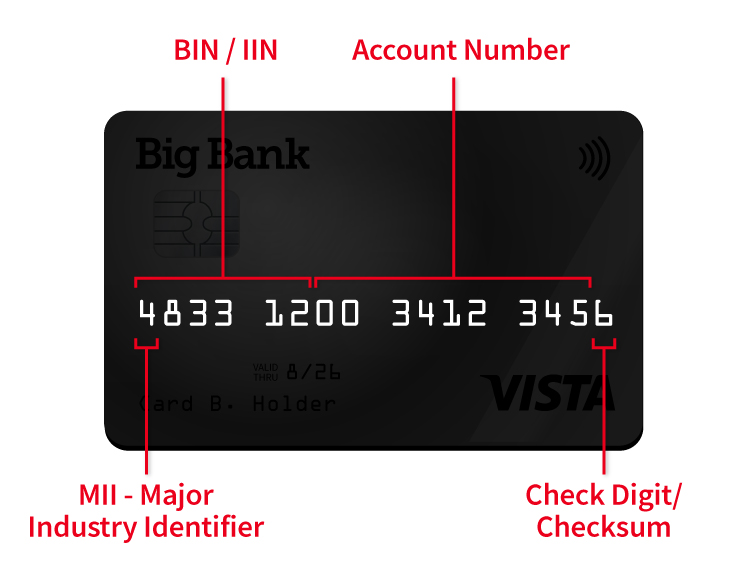
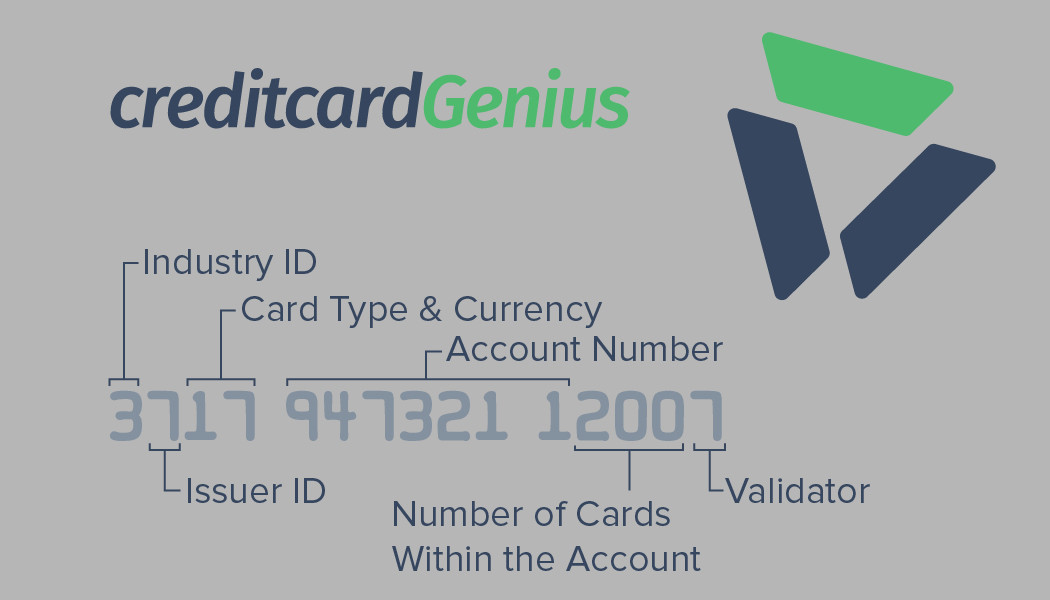
When you look at your credit card, the prominent 16-digit number is known as the Primary Account Number (PAN). This number is unique to your specific card and is primarily used for transactions—whether swiping, tapping, or entering it online. It identifies the issuer, the card type, and your individual cardholder account. However, what most people refer to as the “credit card account number” is often a different identifier used by the financial institution to track your entire credit relationship with them, rather than just the single piece of plastic. In some cases, especially with debit cards or certain credit card systems, the PAN is the account number, but for many credit cards, especially major issuers, the true account number is a separate, usually longer string of digits. This underlying account number links all cards associated with that account, including authorized user cards, and is used for back-office operations, statements, and direct communication with the bank.
Differentiating Account Number from Card Number
The distinction is subtle but critical. Your card number (the 16 digits on the front) is primarily for making purchases. It’s tied to a specific physical card. If that card expires, is lost, or stolen, you receive a new card with a new card number, but your underlying account number with the issuer generally remains the same. The account number is the identifier that the bank uses internally to manage your credit line, payments, interest accrual, and overall financial relationship. It’s what uniquely identifies you as a borrower for that specific credit product. Think of it this way: your house has a street number (card number), but your utilities and property taxes are tied to a unique property ID (account number) that stays the same even if you repaint your front door or change the street number sign.
Why Your Account Number Matters
While you use your card number daily, the account number comes into play for more administrative and long-term financial tasks. It’s often required for setting up automatic payments, initiating balance transfers, linking accounts to budgeting software, resolving complex billing disputes, or even closing your account. For security purposes, some institutions prefer that you use your account number rather than your card number when discussing sensitive issues over the phone, as the account number is less exposed to casual observation than the embossed digits on your card. Knowing how to access this number safely and efficiently is a fundamental aspect of prudent financial management.
Primary Methods to Locate Your Credit Card Account Number
Finding your credit card account number might seem daunting if you’ve never needed it before, but most financial institutions provide several straightforward and secure avenues to access this information.
Checking Your Monthly Statements (Paper or Digital)
Your monthly credit card statement is arguably the most reliable and common source for your full account number. Whether you receive paper statements in the mail or access digital statements through your online banking portal, the account number is almost always prominently displayed.
-
Paper Statements: Look near the top of the statement, typically in the header section alongside your name and address, or in the summary box. It might be labeled “Account Number,” “Customer Account Number,” or simply appear as a long string of digits. Some banks might obscure a portion of the number (e.g., “XXXX-XXXX-XXXX-1234”) for privacy on mailed documents, but often the full number is present.
-
Digital Statements: When you log into your online banking and download a PDF version of your statement, the full, unmasked account number is usually visible. This is often the most secure and accessible method if you’ve opted for paperless billing.
Accessing Your Online Banking Portal
Your financial institution’s online banking platform or mobile app is a powerful tool for managing your credit card.
-
Log In: Navigate to your credit card section after logging into your secure online account.
-
Account Details/Summary: Look for sections labeled “Account Details,” “Account Summary,” “My Accounts,” or similar. Many banks will display the full account number here. Some might require an extra click to “show full account number” or verify your identity (e.g., by sending a code to your phone) before revealing it.
-
Mobile App: Most banking apps offer similar functionality. Access your credit card account, and look for an “Account Info” or “Details” section.
Contacting Your Credit Card Issuer Directly
If online methods or statements prove unhelpful, or if you prefer direct assistance, calling your credit card company’s customer service line is a guaranteed way to obtain your account number.
-
Prepare for Verification: Before calling, have your credit card handy (for the 16-digit card number), as well as any personal identification information that the representative might ask for (e.g., your Social Security Number, date of birth, mother’s maiden name, or answers to security questions).
-
Use the Number on Your Card: The customer service number is usually printed on the back of your credit card. Using this number ensures you’re reaching the legitimate issuer.
-
Clearly State Your Request: Explain that you need your full credit card account number for administrative purposes. They will guide you through the verification process and provide the number.
Reviewing Welcome Kits and Original Documentation
When you first opened your credit card account, you likely received a welcome kit or a package of original documentation.
-
Account Agreement: The credit card agreement or terms and conditions document often contains your account number, especially if it was generated specifically for your approved account.
-
Welcome Letter: A welcome letter or initial statement included in the kit might also display your account number.
While these documents might not always be readily accessible years after opening an account, they can be a valuable resource if other methods fail, assuming you’ve kept them organized.
When You Might Need Your Credit Card Account Number
Knowing where to find your account number is only half the battle; understanding when and why you might need it is equally important for effective financial management.
Setting Up Automatic Payments or Bill Pay
Many individuals set up automatic payments for their credit card bills directly from their bank accounts. While some systems allow linking by card number, many bank-to-bank bill pay systems or direct debit authorizations require the full credit card account number to ensure funds are correctly applied to your underlying credit line, not just a specific card. This ensures continuity even if your card number changes.
Initiating a Balance Transfer
A balance transfer, where you move debt from one credit card to another, almost invariably requires the full account number of the card you’re transferring from. This is how the new issuer correctly identifies which specific debt to pay off. The 16-digit card number alone is often insufficient for this purpose.
Reporting Fraud or Disputes
While you might initially report a fraudulent transaction using your card number, for more complex investigations, disputes, or chargebacks, the credit card issuer’s fraud department will likely work with your full account number. This ensures all associated activity for your credit line is reviewed, not just transactions linked to a single card.
Closing Your Account
Deciding to close a credit card account requires direct communication with the issuer. When you call to close the account, the representative will often ask for your full account number, along with other identifying details, to ensure they are closing the correct credit line and not just deactivating a specific card.
Linking Accounts for Financial Management
Many personal finance management tools or budgeting apps (like Mint, YNAB, or Quicken) require secure access to your account information. While most use online banking credentials, some advanced features or direct links might prompt for your credit card account number to establish a robust connection, particularly for historical data import or unique reporting.
Security Best Practices for Handling Sensitive Information
Because your credit card account number is a critical identifier that can grant access to your financial life, safeguarding it is paramount. Careless handling can expose you to fraud and identity theft.
Protecting Your Physical Statements
If you receive paper statements, treat them with extreme care.
-
Shred Before Disposing: Never simply throw away credit card statements. Always shred them using a cross-cut shredder to render the information unreadable.
-
Secure Storage: Keep statements in a locked drawer or safe until you’ve reviewed them and are ready to shred.
-
Consider Paperless: Opting for digital statements reduces the risk of physical theft or interception in the mail.
Securing Your Online Accounts
Your online banking portal is a treasure trove of sensitive information, including your account number.
-
Strong, Unique Passwords: Use complex, unique passwords for all financial accounts. Avoid using easily guessable information.
-
Two-Factor Authentication (2FA): Always enable 2FA wherever possible. This adds an extra layer of security, usually requiring a code sent to your phone or generated by an authenticator app.
-
Public Wi-Fi Caution: Avoid accessing your banking accounts on unsecured public Wi-Fi networks. These networks can be vulnerable to eavesdropping. Use a VPN if you must access sensitive data on public Wi-Fi.
-
Log Out Properly: Always log out of your online banking session when finished, especially on shared computers.
Beware of Phishing Scams and Impersonators
Fraudsters constantly devise new ways to trick individuals into revealing their financial information.
-
Verify Senders: Be suspicious of unsolicited emails, texts, or calls asking for your account number or other personal data. Legitimate banks will rarely ask for your full account number via email or text.
-
Direct Contact: If you receive a suspicious communication, do not click on links or call numbers provided in the message. Instead, directly contact your bank using the official number from their website or the back of your card.
-
Never Share PINS: Your PIN (Personal Identification Number) should never be shared with anyone, including bank representatives.
When to Share (and Not Share) Your Account Number
Knowing when it’s appropriate to share your account number is crucial.
-
When to Share: It’s generally safe to provide your account number when you initiate contact with your credit card issuer (e.g., you call them) and they have verified your identity. It’s also acceptable when setting up secure bill payments through established financial institutions.
-
When NOT to Share: Never provide your account number to unsolicited callers, email senders, or websites that you do not fully trust. Be wary of providing it on unsecured forms or to individuals who cannot adequately verify their identity. No legitimate institution will ask for your full account number over an unencrypted email or in a social media message.
What to Do If You Can’t Find Your Account Number
Despite the various methods available, there might be rare instances where locating your account number proves challenging. In such cases, a methodical approach is key.
Exhausting All Available Resources
Before panicking, systematically re-check all potential sources:
-
All statements: Review both physical and digital statements from the past several months.
-
Online Banking Portal: Thoroughly navigate all menus and sub-sections within your online account. Some banks bury the information deeper than others.
-
Welcome Kits: If you still have them, take the time to go through all original documents.
The Importance of Issuer Support
Ultimately, your credit card issuer is the definitive source of your account information. If all self-service methods fail, do not hesitate to contact their customer service. Be prepared for a robust identity verification process, which is in place to protect your security. They will be able to provide you with your account number once your identity is confirmed.
Steps to Take If Your Card Is Lost or Stolen (and You Need the Number)
If your actual credit card is lost or stolen, and you also need your account number for some reason (perhaps to set up recurring payments elsewhere), the immediate priority is to report the loss or theft to your issuer.
-
Report Immediately: Call the issuer’s lost/stolen card number (often available on their website, another statement, or even a quick web search for “[Bank Name] lost card”).
-
Request Account Number: Once the card is reported and cancelled, you can then explain your need for the underlying account number. They will be able to provide it after verifying your identity. Keep in mind that for security, they might advise against using the old account number for new setups, especially if fraud is suspected, and may instead provide information for a newly issued account.
Conclusion
The credit card account number, while often overshadowed by the more frequently used 16-digit card number, is a fundamental component of your financial identity with your credit issuer. Understanding its purpose, knowing where to locate it, and practicing rigorous security measures are essential for anyone navigating the complexities of personal finance. By employing the methods outlined in this guide and maintaining vigilance in protecting your sensitive data, you can confidently manage your credit card accounts and safeguard your financial well-being. Always remember that proactive knowledge and careful handling are your best defenses against financial mismanagement and fraud.
aViewFromTheCave is a participant in the Amazon Services LLC Associates Program, an affiliate advertising program designed to provide a means for sites to earn advertising fees by advertising and linking to Amazon.com. Amazon, the Amazon logo, AmazonSupply, and the AmazonSupply logo are trademarks of Amazon.com, Inc. or its affiliates. As an Amazon Associate we earn affiliate commissions from qualifying purchases.