
In the increasingly digital landscape of personal finance, managing your money often involves a blend of convenience and meticulous attention to detail. One piece of information that seems simple yet can cause significant friction if unknown or incorrect is the billing address linked to your debit card. Whether you’re making an online purchase, signing up for a new subscription, or verifying your identity, knowing this address is crucial for seamless transactions and robust financial security.
A billing address isn’t just a geographical location; it’s a critical component of your financial identity, serving as a primary verification tool that banks and merchants use to confirm you are the legitimate cardholder. It’s the address your bank has on file for your account, and it plays a vital role in preventing fraud, especially in “card-not-present” transactions, such as those made online or over the phone. Understanding where to find this address, why it’s important, and how to manage it can save you time, frustration, and potential financial headaches.

Understanding the Billing Address and Its Importance
Before diving into the “how-to,” it’s essential to grasp what a billing address truly signifies in the financial ecosystem and why its accuracy is paramount for anyone using a debit card.
What Exactly is a Billing Address?
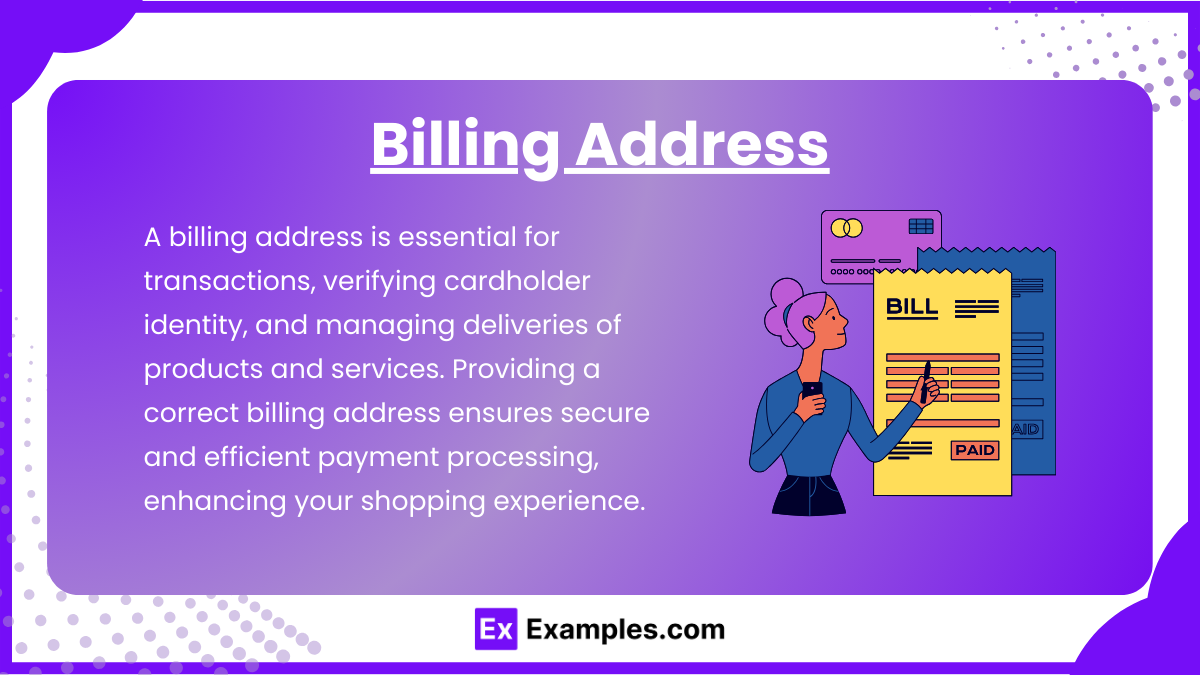
The billing address is the specific address registered with your bank or financial institution that is linked to your debit card account. It’s the physical location where your bank sends statements and other official communications related to your account. Crucially, it’s distinct from a shipping address, which is merely the address where you want a purchased item delivered. While these two addresses are often the same for many people, they don’t have to be, and confusing them is a common source of transaction issues.
Think of your billing address as part of your financial fingerprint. When you use your debit card, especially online, merchants often use the Address Verification System (AVS). AVS checks the billing address you provide against the one your bank has on file. If they don’t match, the transaction might be flagged, declined, or require additional verification steps, even if you have sufficient funds. This system is a powerful deterrent against unauthorized use and identity theft.
Why Your Billing Address Matters for Debit Card Transactions
The importance of an accurate billing address extends across various financial activities, primarily revolving around security and transaction integrity.
-
Security and Fraud Prevention (AVS): As mentioned, the AVS is a cornerstone of online transaction security. By verifying the billing address, the system adds a layer of protection against fraudsters who might have stolen card numbers but not the associated billing information. A mismatch can prevent fraudulent transactions from going through, safeguarding your funds.
-
Online Purchases and Subscriptions: Nearly every online merchant and subscription service requires a billing address. If this information isn’t exact, your payment will likely fail, leading to delays, missed services, or the need to re-enter information multiple times.
-
Card-Not-Present Transactions: Beyond online shopping, this includes phone orders, mail orders, and recurring payments. In all these scenarios, the physical card isn’t present, making the billing address a key identifier for authorization.
-
Activating New Cards: When you receive a new debit card, whether it’s an initial issue or a replacement, part of the activation process might involve verifying your personal details, including your billing address.
-
Preventing Declined Transactions: The most immediate and frustrating consequence of an incorrect billing address is a declined transaction. This can happen unexpectedly, even if your account has ample funds, leading to embarrassment or inconvenience, especially in urgent situations.
Primary Methods to Locate Your Debit Card Billing Address
Fortunately, finding your debit card’s billing address is usually a straightforward process. Financial institutions understand the necessity of this information and provide multiple avenues for account holders to access it.
Checking Your Bank Statements (Online or Physical)
Your bank statement is one of the most reliable sources for your billing address. It’s a formal document from your bank that details your account activity and personal information.
-
Online Banking Portal: Most banks offer digital access to your statements. Log in to your online banking account, navigate to the “Statements” or “Documents” section. You can usually download PDF copies of your recent statements. On these statements, typically at the top or in a designated “Account Holder Information” section, you’ll find the billing address your bank has on file.
-
Mobile App: Many bank mobile applications offer similar functionality. After logging in, look for sections like “Statements,” “Account Details,” or “My Profile.”
-
Mailed Statements: If you still receive paper statements, your billing address will be prominently displayed on them, usually at the top alongside your name and account number.
Logging into Your Online Banking Portal or Mobile App
Beyond statements, your online banking portal or mobile app often provides direct access to your personal information, which includes your billing address. This is often the quickest way to find it.
-
Step-by-Step Guide:
-
Log in: Access your bank’s official website or open their mobile app.
-
Navigate to Profile/Settings: Look for sections such as “Profile,” “Account Settings,” “My Details,” “Personal Information,” or “Contact Information.” These are typically found under your name or in a menu often represented by three lines (a “hamburger” icon).
-
Locate Address: Within this section, you should see your registered home address, which is your billing address.
-
-
Self-Service Options: Many banks allow you not only to view but also to update your address directly through these portals, assuming you pass additional security verification steps.
Reviewing Your Original Cardholder Agreement
When you first opened your debit card account, you would have received a cardholder agreement or welcome packet. This document details the terms and conditions of your account, and it typically includes the initial personal information you provided, including your billing address. While this method might require some digging through old files, it can be a definitive source if other digital methods fail or if you’re trying to recall the address from years ago. Keep in mind that if you’ve moved since opening the account and haven’t updated it with the bank, this document will reflect your old address.
Contacting Your Bank Directly
If you’ve exhausted digital options or prefer direct interaction, contacting your bank’s customer service is a reliable method.
-
Customer Service Phone Number: The most common way to do this is by calling the customer service number printed on the back of your debit card. Be prepared to go through a verification process where you’ll be asked personal questions to confirm your identity (e.g., last four digits of SSN, mother’s maiden name, recent transaction details). Once verified, the representative can provide you with the billing address on file.
-
Visiting a Local Branch: For those who prefer face-to-face assistance or have complex issues, visiting a local branch of your bank is an option. Bring your debit card and a form of photo identification. A teller or customer service representative can access your account details and confirm the billing address.
-
Secure Messaging: Some banks offer secure messaging services within their online banking portals. You can send a message to customer support asking for your billing address, and they will typically respond within a business day, ensuring the communication is secure.
Common Scenarios and Troubleshooting
Even with multiple ways to find your billing address, specific situations can complicate matters. Understanding these scenarios and how to address them is key to seamless financial management.
When Your Billing Address Might Be Different Than Expected
It’s not uncommon for individuals to be surprised by the billing address their bank has on file. This usually happens in a few key situations:
-
Recent Moves: If you’ve recently moved and forgotten to update your address with your bank, the old address will still be your billing address.
-
Multiple Addresses on File: In rare cases, especially with larger financial institutions, you might have different addresses associated with different products (e.g., a checking account vs. a mortgage). Ensure you are checking the address specifically linked to your debit card’s primary account.
-
Initial Setup Error: Less common but possible, there might have been a data entry error when your account was initially set up.
When your billing address differs from what you expect, it will almost certainly lead to transaction declines. Always verify the address on file when troubleshooting payment issues.
How to Update Your Billing Address
Keeping your billing address current is a critical aspect of responsible financial management. Most banks offer several convenient ways to update it:
-
Online Banking Steps: The easiest way for many is through their online banking portal or mobile app. Navigate to your “Profile” or “Personal Information” section. There should be an option to “Edit” or “Update Address.” You’ll likely need to confirm your identity through a text message code, email link, or by answering security questions.
-
Branch Visit Requirements: For a more secure or guided process, visit a local branch. Bring a valid photo ID (driver’s license, passport) and possibly proof of your new address (utility bill, lease agreement) to complete the update.
-
Required Documentation: Banks often require proof of your new residence to prevent fraud. This could be a utility bill, a lease agreement, a mortgage statement, or a government-issued ID with the new address. Always check your bank’s specific requirements before attempting to update your address, especially in person.
-
Importance of Updating Promptly: Timely updates prevent future transaction issues, ensure you receive important bank communications, and are crucial for security, as banks use your address to verify your identity.
What to Do if a Transaction is Declined Due to Address Mismatch
Experiencing a declined transaction due to an address mismatch can be frustrating, but it’s usually fixable.
-
Verify the Address on File: Immediately use one of the methods described above (online banking, bank statement, or calling your bank) to confirm what billing address your bank has for your debit card.
-
Verify the Address You Entered: Double-check the address you entered on the merchant’s website or provided over the phone. Even a minor typo, an incorrect ZIP code, or an abbreviation can cause a mismatch.
-
Contact Merchant if Necessary: If you’re certain both addresses are correct and the transaction is still declining, contact the merchant’s customer service. Sometimes their system might have an issue, or they might be able to manually override the AVS check after additional verification.
-
Contact Bank for Clarification: If the issue persists, call your bank’s customer service line. They can see the exact reason for the decline and confirm if it was indeed an AVS mismatch. They can also guide you on how to proceed.
-
Re-attempt Transaction with Correct Details: Once you’ve identified and corrected the address discrepancy, wait a few minutes, then re-attempt the transaction using the confirmed billing address.
Best Practices for Managing Your Financial Information
Proactive management of your financial details goes a long way in ensuring smooth operations and robust security for your debit card and other accounts.
Keeping Your Financial Records Organized
Regularly reviewing your bank statements and keeping records of your financial accounts is a fundamental practice. This includes:
-
Regularly Reviewing Statements: Make it a habit to check your bank statements monthly. This helps you catch errors, identify fraudulent activity, and ensure all your personal information, including your address, is correct.
-
Maintaining Current Contact Information with Your Bank: Your billing address is just one piece of crucial contact information. Ensure your phone number and email address are also current with your bank. This allows them to reach you with important alerts, fraud notifications, and security codes.
-
Digital vs. Physical Records: Decide whether you prefer digital or physical records. If digital, ensure you know where your statements are archived online. If physical, keep them in a secure location.
Enhancing Digital Security for Your Banking Accounts
While finding your billing address is about accuracy, protecting the access to that information is about security.
-
Strong Passwords, Two-Factor Authentication: Always use unique, strong passwords for your online banking. Enable two-factor authentication (2FA) whenever possible. This adds an extra layer of security, typically requiring a code from your phone in addition to your password.
-
Beware of Phishing Scams: Never click on suspicious links or provide personal information in response to unsolicited emails or texts claiming to be from your bank. Banks will rarely ask for sensitive information like your full debit card number or billing address via email. Always go directly to your bank’s official website or app.
The Importance of Accurate Information for Financial Health
Maintaining accurate personal and financial information is not just about convenience; it’s a cornerstone of good financial health.
-
Smooth Transactions: Correct billing information ensures that your legitimate transactions are processed without interruption, saving you time and stress.
-
Preventing Identity Theft and Fraud: When your bank has accurate, up-to-date information, it’s better equipped to detect unusual activity and protect you from fraud. Mismatched addresses can sometimes be a red flag for banks, causing delays even in legitimate transactions. Conversely, if a fraudster gains access to some of your information but not the correct billing address, they may be thwarted by the AVS.
In conclusion, knowing how to find your debit card’s billing address is a fundamental skill for managing your personal finances effectively. It’s a key component of transaction security and ensures the smooth operation of your everyday spending. By utilizing your online banking portal, reviewing statements, or contacting your bank directly, you can easily access this vital information. Furthermore, proactively keeping your details updated and practicing good digital security habits will safeguard your financial well-being and provide peace of mind in an increasingly interconnected world.
aViewFromTheCave is a participant in the Amazon Services LLC Associates Program, an affiliate advertising program designed to provide a means for sites to earn advertising fees by advertising and linking to Amazon.com. Amazon, the Amazon logo, AmazonSupply, and the AmazonSupply logo are trademarks of Amazon.com, Inc. or its affiliates. As an Amazon Associate we earn affiliate commissions from qualifying purchases.