
In the landscape of personal finance, small, recurring expenses often represent the most significant opportunities for optimization. While high-level investment strategies and retirement planning dominate financial discourse, the “latte factor”—the idea that minor daily or weekly expenditures can compound into substantial sums—remains a cornerstone of wealth management. In the realm of leisure and entertainment, moviegoing has historically been a fluctuating expense, sensitive to inflation and premium pricing models. For the savvy consumer looking to stabilize their entertainment budget without sacrificing cultural experiences, the AMC Yellow Ticket emerges as a specialized financial tool.
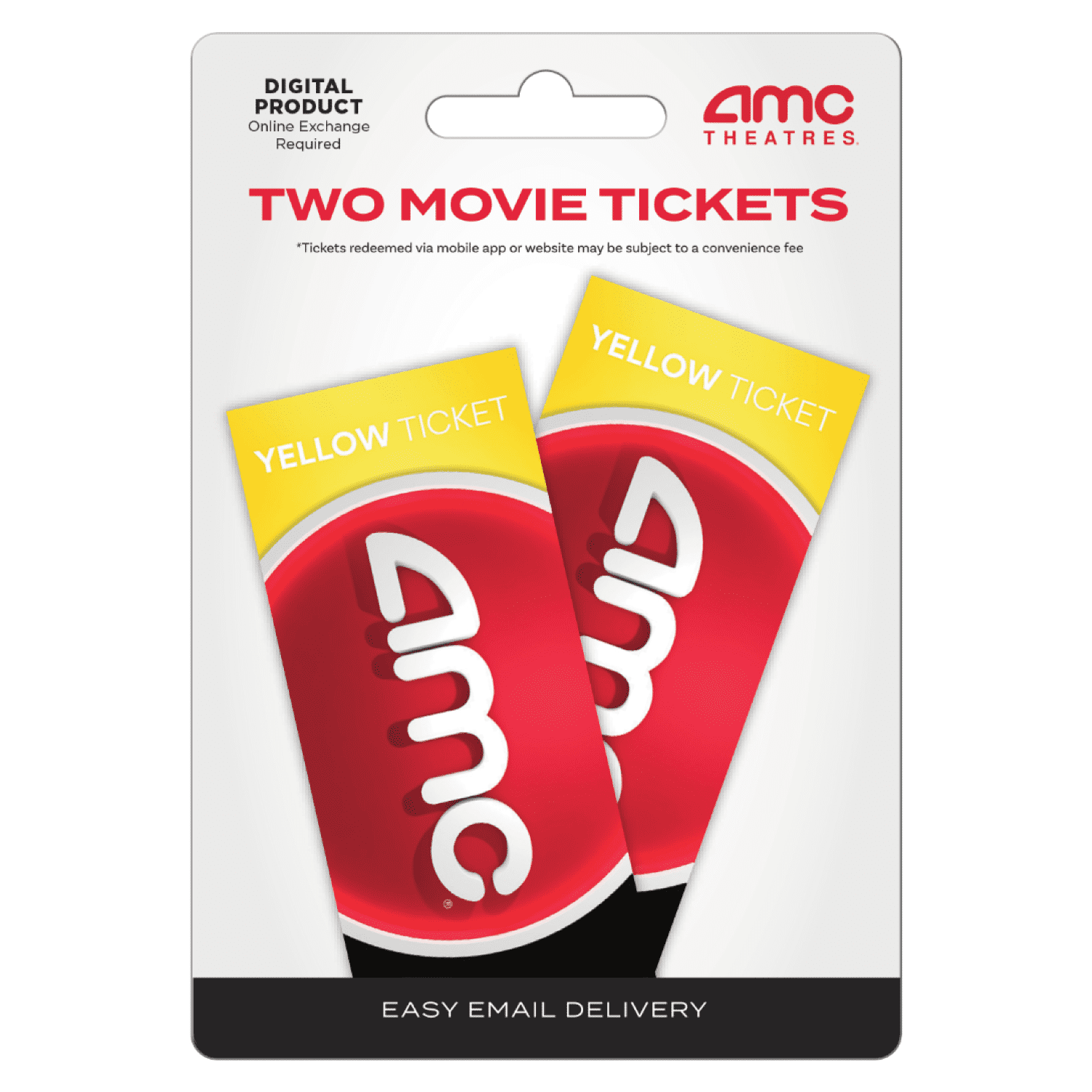
The AMC Yellow Ticket is more than just a voucher; it is a discounted, prepaid admission instrument designed to provide long-term value for cinema enthusiasts. By understanding the mechanics, limitations, and strategic advantages of these tickets, consumers can effectively lower their cost-per-outing and better manage their discretionary spending.
Decoding the Value Proposition: How the Yellow Ticket Functions
From a financial perspective, the AMC Yellow Ticket represents a “futures contract” for entertainment. By purchasing the ticket in advance—often through corporate perk programs, bulk-buy clubs, or secondary financial markets—the consumer locks in a fixed price that is typically significantly lower than the standard evening box office rate.
Unlike standard digital or paper tickets purchased for a specific showtime, the Yellow Ticket is a physical or digital voucher that remains valid until used. This lack of an expiration date provides a unique form of “entertainment liquidity,” allowing the holder to hedge against future ticket price hikes. In an era where theater chains frequently adjust pricing based on peak hours, blockbuster status, or regional demand, the Yellow Ticket offers a ceiling on potential costs.
The core appeal lies in the discount margin. Depending on the point of purchase, a Yellow Ticket can represent a 20% to 40% discount over standard adult admission. For a family of four, this translates to immediate savings that can be redirected toward other financial goals or utilized to offset the high overhead of theater concessions.
The Financial Differentiation: Yellow vs. Black Tickets
Navigating the AMC ecosystem requires a clear understanding of product differentiation. AMC offers two primary tiers of discounted tickets: Black and Yellow. The distinction between them is not merely aesthetic; it is a matter of geographical utility and financial reach.
Regional Limitations and Market Pricing
The AMC Yellow Ticket is designed for use in theaters outside of high-overhead markets. Specifically, Yellow Tickets are currently not valid for use in the states of California, New York, and New Jersey. This regional restriction is a direct reflection of the higher operating costs, real estate taxes, and labor rates in these specific territories.
For residents in the other 47 states, the Yellow Ticket is the superior financial choice because it carries a lower acquisition cost than the Black Ticket. If a consumer living in Texas or Florida were to buy a Black Ticket (which is valid nationwide), they would essentially be paying a premium for a “portability” feature they do not require. Therefore, the Yellow Ticket represents the optimized “local” version of the discount voucher, ensuring that the consumer is not overpaying for geographical flexibility they won’t use.
The Surcharge Variable
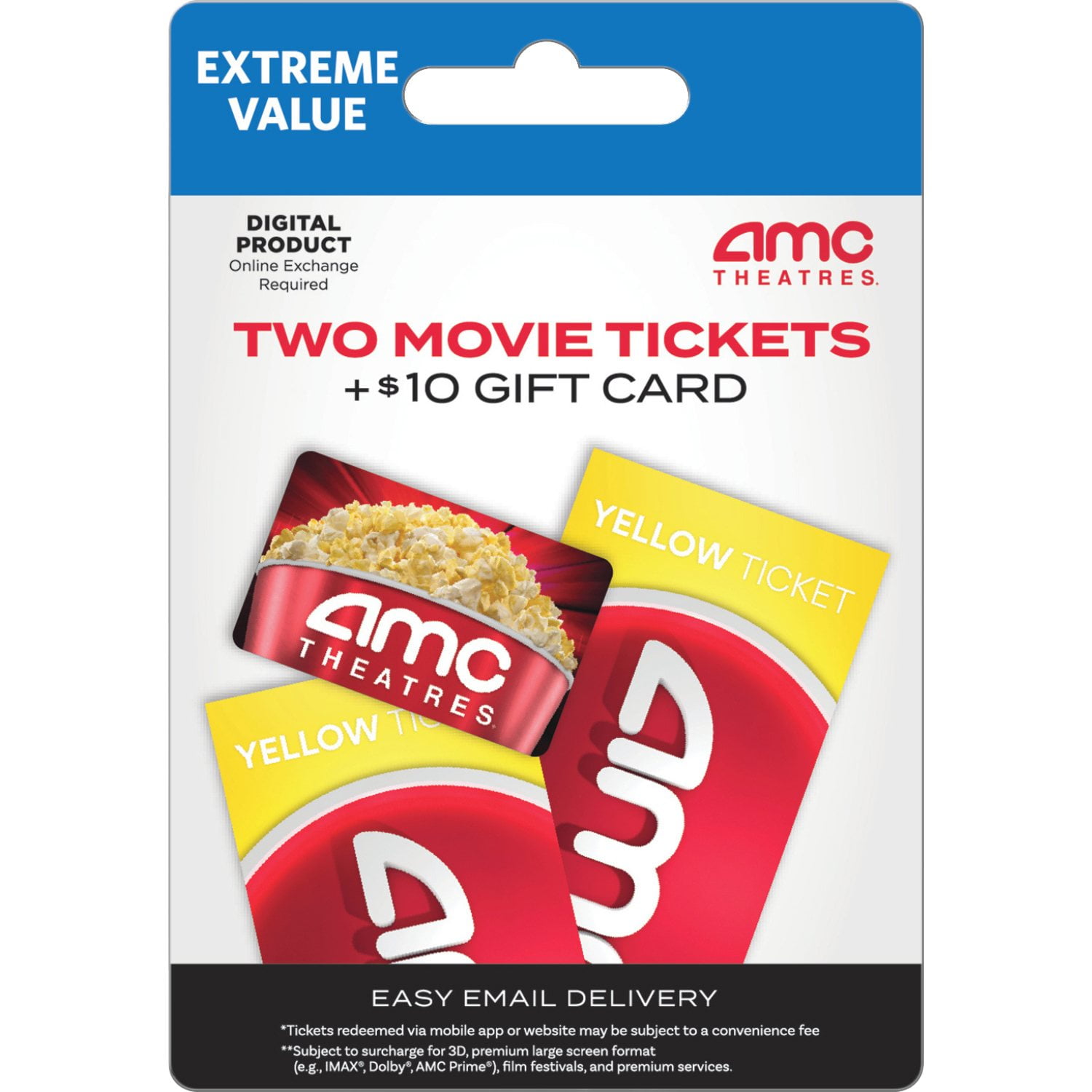
It is crucial for the budget-conscious consumer to account for “upgrades” within their financial planning. Both Yellow and Black tickets cover the base cost of a standard 2D movie. However, they are subject to surcharges for premium formats such as IMAX, Dolby Cinema, RealD 3D, and Prime at AMC.
When calculating the Return on Investment (ROI) of a Yellow Ticket, one must factor in these potential out-of-pocket costs at the kiosk. If your primary goal is to see a film in a premium format, the discount provided by the Yellow Ticket may be partially diluted by the upgrade fee, though the total cost remains lower than a full-price premium ticket.
Strategic Cost Management: Integrating Yellow Tickets into a Budget
Effective personal finance is about the intentional allocation of resources. Integrating AMC Yellow Tickets into a monthly or annual budget requires a proactive approach rather than a reactive one.
The Power of Bulk Acquisition
Individual Yellow Tickets are rarely sold directly at the box office for a discount; they are primarily distributed through B2B channels. To access these savings, consumers should look toward:
-
Corporate Benefit Portals: Many employers use platforms like “Perks at Work” or “LifeMart” to offer discounted cinema vouchers as part of a total compensation package.
-
Professional Associations: Members of groups like the AAA (American Automobile Association) or labor unions often have access to discounted Yellow Tickets.
-
Wholesale Clubs: Organizations like Costco or Sam’s Club frequently sell bundles of tickets, allowing for a lower unit price through bulk purchasing.
By buying in bulk—perhaps a 10-pack of tickets once or twice a year—a household can convert a variable expense (movie tickets) into a fixed, pre-paid asset. This simplifies monthly cash flow management, as the “cost” of the movie night has already been accounted for in a previous month’s budget.
Comparative Analysis: Yellow Tickets vs. A-List Subscription
For high-frequency moviegoers, the financial decision-making process must include a comparison with the AMC Stubs A-List subscription. A-List requires a monthly recurring fee (typically $20-$25 depending on the state) and allows for up to three movies per week.
The Yellow Ticket is the better financial tool for the “infrequent but consistent” viewer. If you go to the movies once a month or less, the A-List subscription represents a net loss (negative ROI). In contrast, Yellow Tickets carry no monthly overhead and do not expire. They represent “stored value” that can be deployed at the user’s discretion, making them the ideal choice for those who prefer a pay-as-you-go model but want to pay less than the retail rate.
The Secondary Market and Risk Management
As with any financial instrument, there are risks associated with the secondary market. Because Yellow Tickets are often resold on platforms like eBay or third-party voucher sites, consumers must exercise caution to avoid fraud.
Verification and Security
When acquiring Yellow Tickets outside of official corporate portals, it is vital to verify the legitimacy of the vouchers. Digital codes are more susceptible to being “double-sold.” A savvy consumer should prioritize physical tickets with intact scratch-off silver backing or digital vouchers from verified, reputable vendors.
Furthermore, one must remember that Yellow Tickets are not eligible for AMC Stubs points at the time of purchase (unless bought directly from AMC in a bulk corporate order), but they are eligible for “visit credit” or rewards on the surcharge amount paid at the theater. Understanding these nuances ensures that the consumer is maximizing every possible avenue of value.
Inflation Hedging
One of the most overlooked benefits of the AMC Yellow Ticket is its role as an inflation hedge. The price of a movie ticket has risen steadily over the decades. By holding a voucher that is good for “one admission” rather than a voucher for a “set dollar amount,” the consumer is protected against future price increases. If ticket prices rise by $2 next year, your Yellow Ticket—purchased at today’s rates—instantly becomes more valuable. In a period of high inflation, prepaying for future services is a classic wealth-preservation tactic.

Conclusion: The Bottom Line on Yellow Tickets
The AMC Yellow Ticket is a potent example of how specialized knowledge can lead to better financial outcomes in everyday life. It is not merely a piece of paper; it is a strategic asset for the modern consumer. By bypassing the traditional box office and utilizing the Yellow Ticket system, individuals can enjoy the cinematic experience while maintaining a disciplined approach to their discretionary spending.
In the broader context of personal finance, the goal is always to maximize utility while minimizing cost. Whether you are a parent looking to reduce the “overhead” of a family outing or a cinephile looking to optimize your entertainment portfolio, the Yellow Ticket offers a clear, structured path to savings. It rewards those who plan ahead, understand the regional constraints of the market, and recognize the value of locking in prices in an unpredictable economy. When it comes to the intersection of money and movies, the Yellow Ticket is the gold standard for value-driven entertainment.
aViewFromTheCave is a participant in the Amazon Services LLC Associates Program, an affiliate advertising program designed to provide a means for sites to earn advertising fees by advertising and linking to Amazon.com. Amazon, the Amazon logo, AmazonSupply, and the AmazonSupply logo are trademarks of Amazon.com, Inc. or its affiliates. As an Amazon Associate we earn affiliate commissions from qualifying purchases.