
In the modern landscape of personal finance, subscription services have evolved from minor conveniences into significant line items within the average household budget. Among these, Amazon Prime stands as perhaps the most ubiquitous. What began as a simple loyalty program for expedited shipping has morphed into a complex ecosystem of digital media, grocery discounts, and financial services. For the disciplined consumer, the question is no longer just “how much does it cost,” but rather, “how does this expenditure impact my overall financial health?” Understanding the pricing structure, the tangible ROI, and the behavioral economics behind a Prime membership is essential for anyone looking to optimize their recurring expenses.
Decoding the Membership Tiers and Pricing Structures
The sticker price of Amazon Prime is the first metric any budget-conscious individual evaluates. As of the current fiscal period, the standard membership is priced at $14.99 per month or $139 per year. While these numbers seem straightforward, the financial implications of choosing one over the other are significant.
Monthly vs. Annual Plans: Which Saves More?
When viewed through the lens of cash flow management, the monthly plan offers flexibility. It allows a consumer to toggle the service on and off based on seasonal needs—perhaps during the holiday shopping season or a specific period of heavy home renovation. However, from a long-term savings perspective, the monthly plan is the more expensive route. At $14.99 per month, the annual cost totals approximately $179.88. By opting for the $139 annual lump sum, a member saves roughly $40 per year, representing an immediate 22% return on that specific capital allocation. For those who know they will utilize the service year-round, the annual payment is the objectively superior financial move.
Specialized Discounts: Student and Government Assistance Rates
Amazon has strategically tiered its pricing to capture different demographic segments, providing significant discounts that can ease the burden on tighter budgets. Prime Student is currently available for $7.49 per month or $69 per year, effectively cutting the standard cost in half. This is a powerful tool for young adults practicing early financial independence.
Furthermore, Amazon offers a discounted rate for recipients of qualifying government assistance, such as SNAP, EBT, or Medicaid. This tier is priced at $6.99 per month. From a social and personal finance standpoint, this lower barrier to entry allows low-income households to access the same logistics and grocery efficiencies as higher-income households, potentially reducing the “poverty premium” often associated with limited access to affordable retail goods.
Calculating the ROI: Is the Subscription Worth the Expense?
To determine if the $139 annual fee is a sound investment, one must perform a cost-benefit analysis. A common mistake in personal finance is viewing a subscription fee in isolation rather than comparing it to the costs it replaces.
The Shipping Math: Offsetting Logistics Costs
The most immediate financial benefit of Prime is the elimination of shipping fees. For a non-Prime member, standard shipping costs often range from $5 to $10 per order depending on weight and speed. If a household places 15 to 20 orders per year, the subscription has already paid for itself in avoided shipping costs alone. Furthermore, the “Free Same-Day” and “One-Day” delivery options provide a value that is harder to quantify but nonetheless impactful: the preservation of time. In professional circles, time is often equated to a dollar value; by reducing the need for physical retail trips, Prime functions as a tool for increasing personal productivity.
Digital Content Value: Aggregating Media Expenses
The Prime ecosystem includes Prime Video, Amazon Music, Prime Reading, and unlimited photo storage. To truly evaluate the “cost” of Prime, one should compare these features to standalone services. A Netflix or Max subscription can cost between $10 and $20 per month. A Spotify or Apple Music subscription adds another $11. Cloud storage through Google or Dropbox adds more.
If a consumer uses Prime Video as their primary entertainment source and Amazon Music as their audio provider, they are effectively consolidating roughly $20 to $30 of monthly digital expenses into their Prime membership. For a family looking to trim their “subscription creep,” cancelling standalone streaming services in favor of the Prime-bundled options can result in annual savings exceeding $300.
Hidden Financial Benefits and Budgeting Perks
Beyond shipping and streaming, Amazon Prime offers several “hidden” financial tools that can be leveraged to maximize a household’s purchasing power. These features often go underutilized because they require a more proactive approach to personal finance.
Prime Day and Exclusive Financial Incentives
Prime Day has become a significant event in the retail calendar, rivaling Black Friday. For the disciplined shopper, this is an opportunity to acquire high-value items—such as electronics, home appliances, or pantry staples—at steep discounts. However, the financial benefit only manifests if these purchases were already planned and budgeted for. Using Prime Day to buy a discounted laptop that was already needed is a win; using it for impulse buys is a financial drain.
Additionally, Prime members often receive “no-rush shipping” rewards. By opting for slower delivery on non-essential items, members earn digital credits that can be applied to Kindle books or Prime Video rentals, further reducing discretionary spending in other areas.
Household Sharing: Splitting the Bill via Amazon Household
One of the most effective ways to lower the per-person cost of Prime is through “Amazon Household.” This feature allows two adults to share a single Prime membership while maintaining separate accounts and payment methods. By splitting the $139 annual fee with a spouse or partner, the individual cost drops to $69.50. This is a critical strategy for roommates or couples looking to optimize their joint financial lives without sacrificing the privacy of their individual shopping histories or credit card details.
Grocery Savings: The Whole Foods Integration
For many, the weekly grocery bill is the largest recurring variable expense. Amazon Prime provides exclusive discounts at Whole Foods Market, typically an additional 10% off sale items and specific “Prime Member Deals.” Furthermore, the integration of Amazon Pharmacy and the “RxPass” (a $5 per month add-on for Prime members) can significantly lower the cost of generic medications. For individuals managing chronic conditions, the savings on prescriptions alone can far outweigh the annual membership fee.
Prime’s Impact on Personal Spending Habits
While the tangible benefits of Prime are numerous, a sophisticated financial analysis must also account for the psychological impact of the service. Subscription models are designed to reduce “friction” in the buying process, which can be a double-edged sword for personal wealth.
The Convenience Trap: Overspending vs. Strategic Buying
The ease of “1-Click” ordering and fast shipping can lead to increased impulse spending. Behavioral economists have noted that when the barrier to purchase is removed, consumers tend to buy more frequently and in smaller quantities. From a budgeting perspective, this can lead to “leakage”—small, unplanned expenses that aggregate into significant monthly totals. To maintain financial discipline, Prime members should utilize tools like “Amazon Lists” to track needs over time and avoid the dopamine hit of immediate, unnecessary purchases.
Integration with Financial Ecosystems: The Prime Visa
For those who have a strong handle on their credit management, the Amazon Prime Visa card is a powerful tool for reclaiming the cost of the membership. This card offers 5% back on all Amazon.com and Whole Foods Market purchases for Prime members. If a household spends $2,800 annually on the platform—a figure easily reached when including groceries and household essentials—the $140 in cash back effectively negates the entire cost of the Prime membership. This creates a circular financial benefit: the membership provides access to the rewards, and the rewards pay for the membership.

Future Outlook: Price Hikes and Long-term Financial Planning
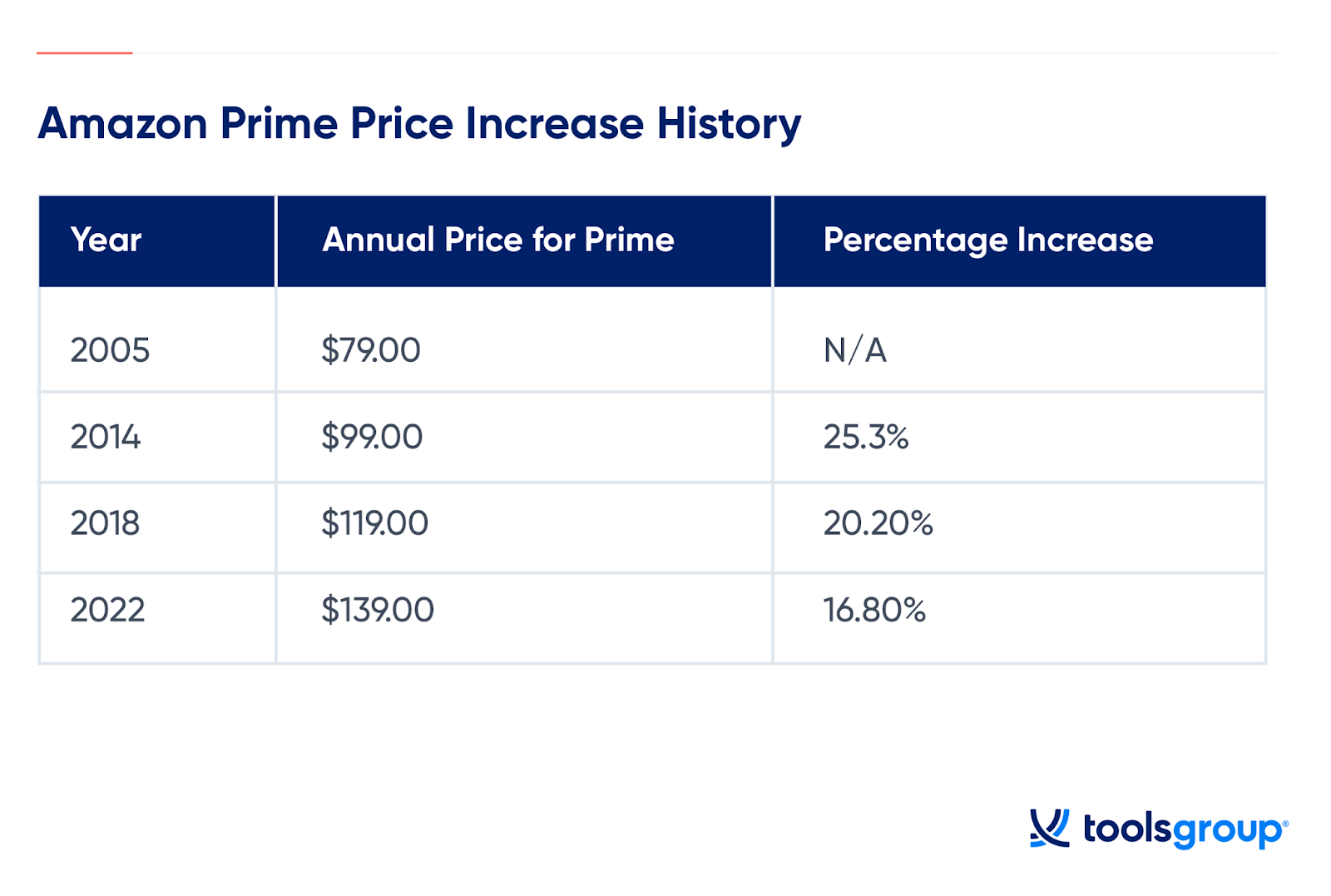
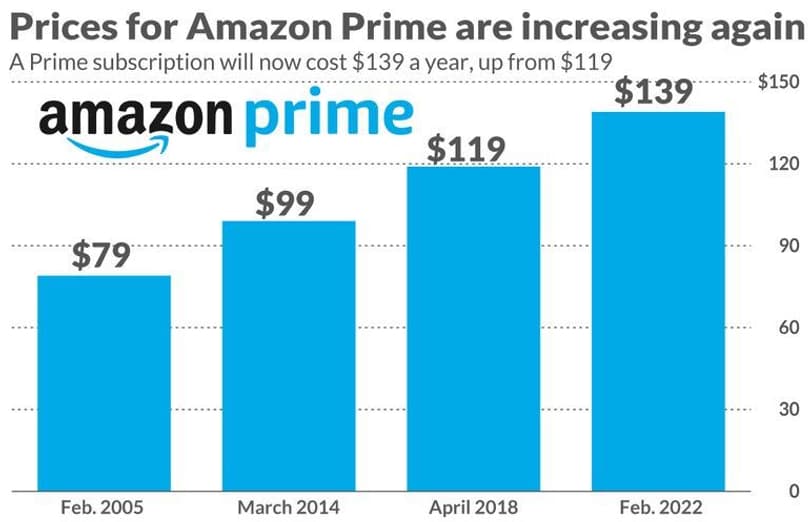
The history of Amazon Prime pricing shows a steady upward trajectory. From its inception at $79 to the current $139, the price has increased as the service’s utility has expanded. As we look toward future financial planning, it is reasonable to expect further increases as logistics and content acquisition costs rise.
When evaluating whether to renew, consumers should perform an annual “subscription audit.” This involves looking at the past 12 months of order history, streaming usage, and grocery savings. If the total calculated value does not exceed the membership fee, the most prudent financial move is to cancel or switch to a monthly plan for specific needs.
In conclusion, the cost of Amazon Prime is not merely a flat fee; it is a dynamic element of a modern financial strategy. By understanding the different tiers, leveraging household sharing, utilizing the bundled digital services, and capitalizing on the Prime Visa rewards, a consumer can turn a $139 expense into a source of significant net savings. However, this requires a level of intentionality that avoids the pitfalls of convenience-driven overspending. In the realm of personal finance, the goal is always to ensure that every dollar spent—even on a subscription—is working toward the ultimate goal of long-term wealth and stability.
aViewFromTheCave is a participant in the Amazon Services LLC Associates Program, an affiliate advertising program designed to provide a means for sites to earn advertising fees by advertising and linking to Amazon.com. Amazon, the Amazon logo, AmazonSupply, and the AmazonSupply logo are trademarks of Amazon.com, Inc. or its affiliates. As an Amazon Associate we earn affiliate commissions from qualifying purchases.