
For many families and collectors, Build-A-Bear Workshop represents more than just a retail store; it is a quintessential “experience economy” destination. However, from a personal finance perspective, walking into a workshop without a clear understanding of the pricing structure can lead to significant “sticker shock” at the register. The cost of a single visit can range from under $20 to well over $100, depending on the choices made during the multi-step assembly process. Understanding the financial breakdown of this experience is essential for effective discretionary spending and budgeting.
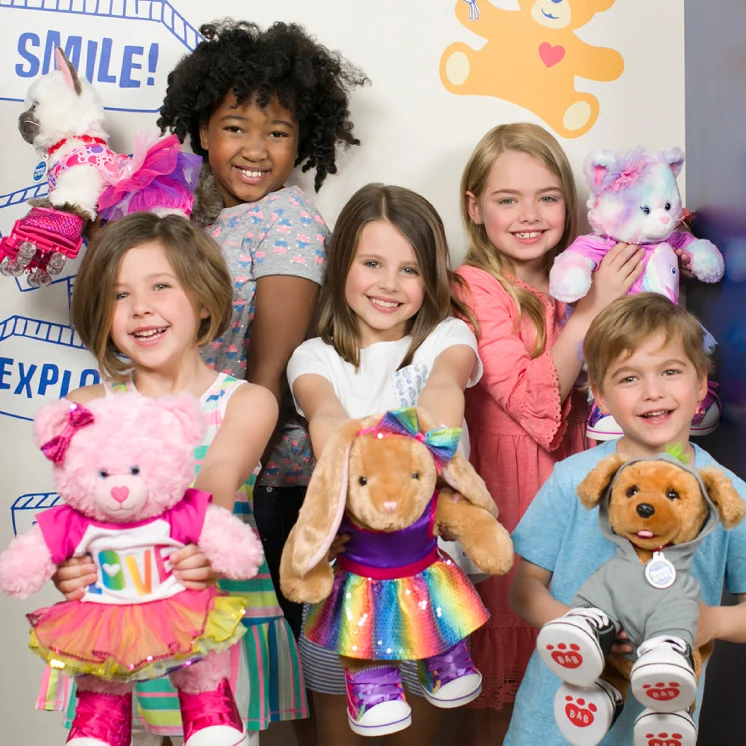
In this guide, we will analyze the various price tiers of the plush figures, the incremental costs of customization, and strategic ways to minimize expenditures while still maximizing the value of the experience.
The Core Investment: Understanding Base Plush Pricing
The fundamental cost of the Build-A-Bear experience begins with the “skin”—the unstuffed plush toy itself. Unlike standard toy retailers where a price tag is all-inclusive, Build-A-Bear operates on a modular pricing model. The base price you see on the bin is only the starting point.
Entry-Level and Promotional Tiers
For budget-conscious shoppers, Build-A-Bear typically offers a selection of “Everyday Value” items. These are often classic teddy bears or simple animals that range from $14.00 to $20.00. These items provide the full “heart ceremony” experience without the premium price tag associated with trendy or licensed characters.
Standard and Seasonal Collections
The majority of the store’s proprietary designs—such as colorful kittens, puppies, or seasonal bunnies—fall into the $22.00 to $30.00 range. These are generally higher-quality fabrics and more intricate designs than the entry-level tier. For a family budgeting for a standard birthday outing, this is the most common price bracket to anticipate for the base animal.
Licensed Characters and Premium Plush
The most significant price drivers in the “skin” category are licensed properties. Through partnerships with Disney, Marvel, Nintendo, and various film franchises, Build-A-Bear offers characters like Pikachu, Grogu, or Spider-Man. These items usually carry a premium due to licensing fees, typically starting at $32.00 and reaching as high as $45.00 for jumbo editions or highly detailed collector items. From a financial standpoint, these represent the highest “cost of entry” before a single accessory is added.
The Incremental Upsell: Hidden Costs of Customization
The brilliance of the Build-A-Bear business model lies in the “add-on” phase. Once a child has bonded with their chosen animal during the stuffing process, the psychological barrier to additional spending lowers. For the consumer, this is where the budget often breaks. To manage finances effectively, one must account for these incremental costs.
Auditory and Sensory Enhancements
Before the animal is stitched shut, customers are offered the chance to add “sounds” and “scents.”
-
Scents: Small discs that emit fragrances like bubblegum or lavender typically cost between $4.00 and $5.00.
-
Sounds: Pre-recorded sounds or music chips generally range from $5.00 to $8.00.
-
Record-Your-Own: The option to record a personalized 20-second message is one of the more expensive sensory add-ons, often priced around $10.00 to $12.00.
While these seem like small amounts, adding both a scent and a custom sound can increase the base price of a $20 bear by 75% before you even reach the clothing section.
The Wardrobe: Clothing and Accessories
The clothing area is where the most significant price escalation occurs. Build-A-Bear markets a vast array of outfits, shoes, and handheld accessories.
-
Outfits: Full outfits (like a superhero costume or a dress) usually cost between $15.00 and $25.00.
-
Separates: Individual t-shirts or pants are often priced between $7.00 and $12.00.
-
Footwear: Shoes and boots typically range from $8.00 to $10.00 per pair.
-
Accessories: Items like glasses, headbands, or miniature plush toys for the bear to hold can add another $5.00 to $10.00 each.
Financially speaking, it is very common for the “outfit” to cost more than the bear itself. A fully accessorized licensed character (e.g., a Star Wars bear with a lightsaber, sound chip, and full costume) can easily eclipse the $70.00 mark.
Strategic Spending: Tips for Budgeting the Experience
Managing the cost of Build-A-Bear requires a proactive approach to consumer behavior. Because the environment is designed to encourage impulse additions, having a financial game plan is vital.
The “Count Your Candles” Program
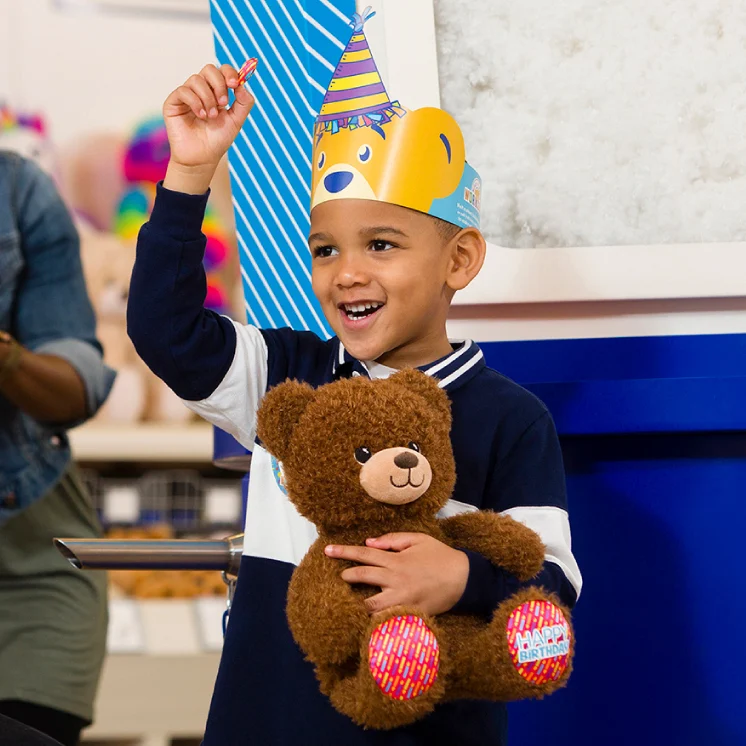
Perhaps the most famous way to save money at Build-A-Bear is the “Pay Your Age” birthday program. Members of the free Build-A-Bear Bonus Club can bring a child in during their birthday month to pay their age for the “Birthday Treat Bear” (a specific promotional plush). For a three-year-old, the bear costs exactly $3.00. This is an exceptional way to provide the experience for a fraction of the standard retail cost, though it is limited to one specific bear design.
Leveraging Loyalty and Gift Cards
For those who frequent the store, the Bonus Club loyalty program offers “reward certificates” (typically $10 for every 200 points earned). Additionally, savvy shoppers often purchase Build-A-Bear gift cards at a discount through warehouse clubs like Costco or Sam’s Club. It is common to find $100 worth of gift cards for $75 or $80, providing an immediate 20-25% discount on the entire experience.
Setting “The Envelope” Limit
From a psychological and financial coaching perspective, the best way to handle a trip to Build-A-Bear with children is to set a hard “all-in” budget before entering the store. For example, telling a child they have $40 to spend total allows them to make their own trade-offs: “Do you want the more expensive licensed bear with no clothes, or the budget bear with a full outfit and a sound chip?” This teaches basic financial literacy and prevents the final total from spiraling at the checkout counter.
The Business Value Proposition: Is It Worth the Cost?
When evaluating the cost of Build-A-Bear, it is helpful to look at it through the lens of “Cost per Use” and the “Experience Premium.”
Comparative Retail Value
If you were to purchase a high-quality plush toy at a big-box retailer like Target or Amazon, you would likely pay between $15 and $25 for a comparable physical product. At Build-A-Bear, you might pay $50 for the same physical utility. The $25-30 “premium” is the cost of the entertainment—the 20 minutes spent choosing, stuffing, and “parenting” the toy.
For many parents, this is viewed as a “two-for-one” expenditure: it is both a toy and an afternoon activity. When compared to the cost of taking a child to a movie or a trampoline park, the price of a Build-A-Bear often holds up well because the “souvenir” remains long after the event is over.
Longevity and Maintenance
Part of the value proposition is the “Lifetime Guarantee” on stitches. If a Build-A-Bear animal rips or loses its stuffing years later, most stores will “perform surgery” (re-stuff and re-stitch) for free. This longevity adds to the long-term value of the initial investment, as the product is designed to be durable and repairable rather than disposable.

Final Financial Breakdown: What to Expect
To summarize the potential financial impact of a trip to Build-A-Bear, consumers should prepare for one of three general spending tiers:
-
The Budget Tier ($15–$25): This involves choosing an “Everyday Value” bear and skipping all auditory and clothing add-ons. This is the most efficient way to enjoy the “process” without high costs.
-
The Average Experience ($45–$60): This usually includes a mid-range plush ($25), one sound or scent ($5-$8), and one full outfit ($15-$20). This is the standard “birthday gift” level for most families.
-
The Premium/Collector Tier ($80–$120+): This involves a licensed character plush ($35+), a record-your-own sound ($12), multiple layers of clothing, shoes, and perhaps a carrying case or “travel heart.”
By understanding these tiers and the modular nature of the pricing, consumers can navigate the Build-A-Bear Workshop with financial confidence. While the store is designed to maximize “basket size” through emotional engagement, a disciplined approach to the various price points ensures that the experience remains a joyful memory rather than a source of financial stress. In the world of discretionary spending, Build-A-Bear is a prime example of how “the experience” is often the most expensive—and most valued—item on the receipt.
aViewFromTheCave is a participant in the Amazon Services LLC Associates Program, an affiliate advertising program designed to provide a means for sites to earn advertising fees by advertising and linking to Amazon.com. Amazon, the Amazon logo, AmazonSupply, and the AmazonSupply logo are trademarks of Amazon.com, Inc. or its affiliates. As an Amazon Associate we earn affiliate commissions from qualifying purchases.