
Securing investment is a pivotal step for many businesses aiming to scale, innovate, or simply get off the ground. It’s a process that demands meticulous preparation, strategic communication, and a deep understanding of what investors truly seek. This isn’t merely about presenting a good idea; it’s about demonstrating a viable, scalable, and return-generating opportunity. For entrepreneurs navigating the complex world of business finance, understanding the investor mindset and crafting an irresistible proposition is paramount. This guide delves into the core strategies and essential components required to attract and secure the capital your business needs to thrive.

I. Laying the Foundation: Building an Investment-Ready Business
Before you even think about approaching investors, your business must be fundamentally sound and demonstrate a clear path to success. Investors are not just funding an idea; they are investing in the potential for significant financial returns. This means establishing a robust framework that showcases stability, potential, and professionalism.
A. Develop a Robust Business Plan
Your business plan is the cornerstone of your investment pitch. It’s a comprehensive document that outlines every aspect of your business, from your mission and vision to your operational strategies and financial projections. A well-crafted plan isn’t just a formality; it forces you to thoroughly think through your entire venture. It should detail your market analysis, competitive landscape, product or service offerings, marketing and sales strategies, management team, and, critically, your financial forecasts. Investors scrutinize this document to assess the viability and scalability of your concept. It must be clear, concise, and compelling, demonstrating that you have a thorough understanding of your industry and a credible strategy for growth.
B. Understand Your Market and Validate Your Idea
One of the biggest red flags for investors is a lack of market understanding. You must demonstrate a deep comprehension of your target market, including its size, demographics, needs, and pain points. Crucially, you need to show that your product or service addresses a genuine market need or solves a significant problem. This validation often comes through market research, customer surveys, pilot programs, or even early sales data. Prove that there’s a real demand for what you’re offering, and that your solution is differentiated and superior to existing alternatives. Investors want to see evidence, not just assumptions, that a significant market opportunity exists and that you are uniquely positioned to capture it.
C. Build a Strong, Diverse Team
Investors aren’t just backing an idea; they’re backing the people behind it. A strong, experienced, and diverse management team is often as crucial as the business idea itself. Highlight the expertise, relevant experience, and complementary skills of your core team members. Demonstrate that your team has the capability to execute the business plan, navigate challenges, and drive growth. A diverse team, both in terms of skills and perspectives, often signals a robust problem-solving capacity and a broader understanding of market dynamics. If there are gaps in expertise, acknowledge them and outline your plan to fill them, perhaps through strategic hires or advisory board members. Investors want confidence that the team can deliver on the vision.
D. Establish a Solid Legal and Financial Infrastructure
Professionalism and transparency are non-negotiable. Ensure your business is legally registered, with appropriate corporate structures (e.g., LLC, C-Corp) in place. Have all necessary permits, licenses, and intellectual property protections (trademarks, patents) secured. On the financial front, meticulous record-keeping is essential. Clean financial statements, including income statements, balance sheets, and cash flow statements, that are accurate and up-to-date are critical. Investors will conduct thorough due diligence, so having your books in order from day one will save time and instill confidence. Clearly define your current financial position and demonstrate sound financial management practices.
II. Crafting a Compelling Pitch: What Investors Want to Hear
Once your business is structured for success, the next step is to translate its potential into a captivating story. Your pitch is your primary tool for communicating your vision and financial opportunity to potential investors. It needs to be precise, engaging, and persuasive, addressing all key investor concerns efficiently.
A. The Executive Summary: Your Hook
This is often the first, and sometimes only, thing an investor reads. It must be a concise, powerful overview of your entire business, capturing the essence of your opportunity in one to two pages. It should immediately answer: What is your business? What problem do you solve? What is your solution? What is the market size? What are your key competitive advantages? Who is your team? What is your financial ask and projected returns? The executive summary’s goal is to pique interest and compel the investor to delve deeper into your full business plan.
B. Problem, Solution, Market Opportunity
Clearly articulate the problem you are solving. Investors want to fund businesses that address significant, widespread issues. Then, present your unique solution and explain why it is superior to existing alternatives. Focus on the value proposition for the customer. Following this, clearly define the market opportunity. Quantify the total addressable market (TAM), serviceable available market (SAM), and serviceable obtainable market (SOM). Demonstrate that this market is large enough to support substantial growth and generate significant returns for investors. Use data and credible sources to back your claims.
C. Business Model and Revenue Strategy
Explain how your business generates revenue. Be crystal clear about your pricing strategy, sales channels, and customer acquisition costs. Detail your operational model: how will you deliver your product or service? What are your key resources, partnerships, and activities? Investors want to understand the mechanics of your business and how it will achieve profitability. A clear, scalable, and defensible business model is crucial. If you have multiple revenue streams, explain each thoroughly and justify their inclusion.
D. Financial Projections and Funding Ask
This is where the rubber meets the road. Present realistic and well-supported financial projections for the next three to five years, including revenue forecasts, expense breakdowns, and profit margins. Justify your assumptions rigorously. Clearly state your funding request and precisely how you intend to use the capital. Investors need to see that their money will be put to good use to achieve specific milestones and drive growth. Outline your key performance indicators (KPIs) and how you will track progress. Show a clear path to profitability and a compelling return on investment (ROI).
E. Exit Strategy: How Investors Get Their Return
Investors, particularly venture capitalists, are primarily interested in how they will get their money back, often with a significant multiple. You must outline a credible exit strategy. Common exit strategies include acquisition by a larger company, an initial public offering (IPO), or a secondary sale to another investor. While an IPO might seem distant, demonstrating an understanding of potential acquisition targets or the broader M&A landscape in your industry can be very reassuring. This shows you’re thinking like an investor, focused on the long-term potential for their capital.
III. Identifying and Approaching the Right Investors

Not all investors are created equal, nor are they suitable for every business. Strategic identification and a tailored approach are vital to maximize your chances of securing funding.
A. Types of Investors: Angel Investors, Venture Capitalists, etc.
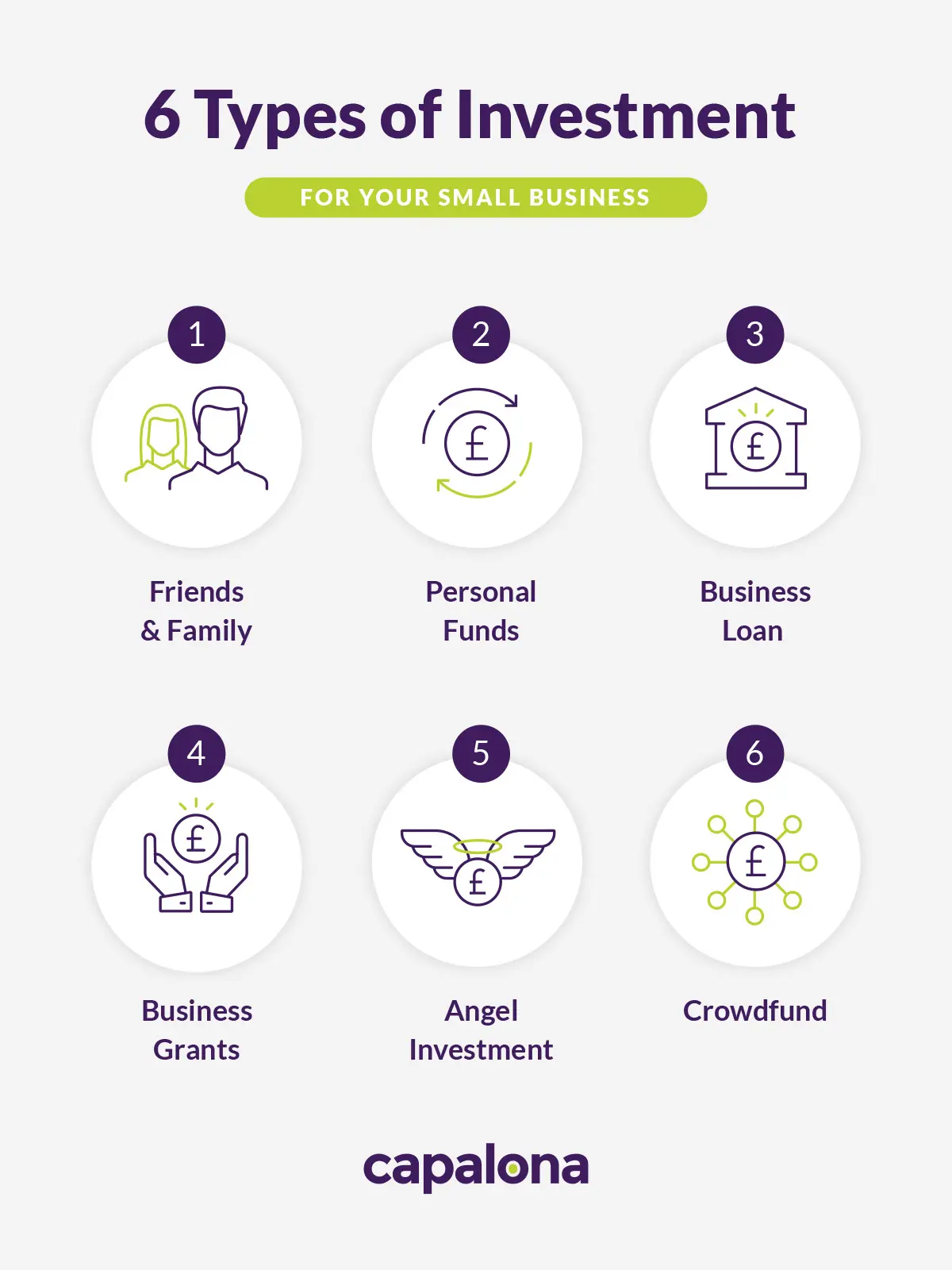
Understand the landscape of funding sources. Angel investors are high-net-worth individuals who invest their own money, often in early-stage startups, and may offer mentorship alongside capital. Venture capitalists (VCs) manage funds from institutional investors and typically invest larger sums in high-growth companies with significant scalability potential, often seeking a board seat and strategic involvement. Crowdfunding platforms allow many individuals to invest small amounts. Strategic investors are corporations that invest for both financial returns and strategic alignment with their own business. Knowing who invests in businesses like yours, at your stage of development, is crucial.
B. Research and Due Diligence
Before approaching any investor, conduct your own thorough research. Look at their portfolio: what types of companies do they invest in? What industries? At what stage? What is their typical investment size? Do they have a track record of successful exits? Understanding an investor’s preferences and thesis will help you tailor your pitch and avoid wasting time on incompatible matches. Look for investors who have experience in your sector, as they can bring valuable insights and connections beyond just capital.
C. Networking and Warm Introductions
Cold outreach is rarely effective. The vast majority of successful investment rounds begin with a warm introduction from a trusted mutual connection. Attend industry events, pitch competitions, and networking sessions. Connect with mentors, advisors, and other entrepreneurs who might have connections to investors. Leverage your existing network. A personal recommendation significantly increases the likelihood of getting a meeting and being taken seriously. A warm intro validates your credibility upfront.
D. Effective Communication and Follow-up
Once you have an investor’s attention, communicate professionally and concisely. Be responsive to inquiries, and always deliver on promises (e.g., sending requested documents by a deadline). During your pitch, be passionate but grounded in reality. Be prepared to answer tough questions honestly and thoroughly. After initial meetings, send a polite, concise follow-up email reiterating your thanks, summarizing key discussion points, and offering any additional information. Don’t be overly aggressive or passive; strike a balance of persistent professionalism.
IV. Navigating the Investment Process and Due Diligence
If an investor expresses serious interest, you’ll enter a more intensive phase involving term sheets, detailed scrutiny, and legal procedures. This stage requires patience, meticulous organization, and expert advice.
A. Term Sheets and Negotiations
A term sheet outlines the principal terms and conditions under which an investment will be made. It’s a non-binding document but sets the framework for the definitive investment agreement. Key terms include valuation, investment amount, equity stake, investor rights (e.g., board seats, liquidation preferences, anti-dilution provisions), and protective provisions. It’s imperative to have experienced legal counsel review and advise you through term sheet negotiations. Understanding the implications of each clause is critical for the future control and financial health of your company. Focus on achieving a fair deal that protects both your interests and the investor’s.
B. Preparing for Due Diligence
Due diligence is the investor’s process of verifying all information about your business. This is an extensive review of your legal, financial, operational, and commercial aspects. You’ll need to provide access to financial records, legal documents (corporate filings, contracts, intellectual property), customer lists, employee agreements, market research, and more. Prepare a “data room” (often a secure online portal) well in advance, organizing all relevant documents clearly and systematically. Transparency and accessibility during due diligence build trust. Any inconsistencies or missing information can be a major hurdle or even a deal-breaker.
C. Legal Review and Closing the Deal
Once due diligence is complete and the term sheet has been agreed upon, legal teams on both sides will draft and review the definitive investment agreements. This is a complex process involving multiple legal documents that formalize the investment. Again, strong legal representation is essential to ensure the agreements accurately reflect the negotiated terms and protect your business’s long-term interests. Be prepared for a detailed back-and-forth until all parties are satisfied. The final step is the closing, where the legal documents are signed, and the funds are transferred. This is the culmination of months of hard work and negotiation.
V. Beyond the Check: Building Lasting Investor Relationships
Securing the investment is not the end of the journey; it’s the beginning of a new relationship. Effective post-investment management is vital for sustained growth and potential future funding rounds.
A. Regular Communication and Reporting
Maintain open and honest communication with your investors. Provide regular updates, typically monthly or quarterly, on your business performance, key milestones achieved, challenges faced, and how you are using their capital. Share financial reports, progress against KPIs, and strategic developments. Proactive communication builds trust and keeps investors informed, reducing surprises. Even when things aren’t going perfectly, transparency is always the best policy.
B. Leveraging Investor Expertise and Network
Savvy investors bring more than just capital; they often offer invaluable strategic guidance, industry insights, and extensive networks. Don’t hesitate to tap into their experience. Seek their advice on strategic decisions, introductions to potential customers or partners, or assistance with future fundraising. View them as strategic partners who have a vested interest in your success, rather than just sources of capital. Their involvement can significantly accelerate your growth and mitigate risks.
C. Transparency and Trust
Trust is the bedrock of any successful long-term relationship. Always be transparent about your business’s health, both its successes and its challenges. If you encounter unforeseen obstacles or need to pivot, communicate this clearly and early. Investors appreciate honesty and proactive problem-solving. Building a reputation for integrity will serve your business well, potentially opening doors to future investment rounds or opportunities. A strong, trusting relationship with your current investors makes it easier to secure subsequent funding or even an attractive exit when the time comes.
Securing investment is a marathon, not a sprint. It requires meticulous preparation, a compelling narrative, strategic targeting, and diligent execution. By focusing on building a robust business, crafting an irresistible pitch, engaging the right investors, and fostering strong post-investment relationships, entrepreneurs can significantly increase their chances of attracting the capital needed to transform their vision into a thriving reality.
aViewFromTheCave is a participant in the Amazon Services LLC Associates Program, an affiliate advertising program designed to provide a means for sites to earn advertising fees by advertising and linking to Amazon.com. Amazon, the Amazon logo, AmazonSupply, and the AmazonSupply logo are trademarks of Amazon.com, Inc. or its affiliates. As an Amazon Associate we earn affiliate commissions from qualifying purchases.