
In the modern digital economy, the “subscription model” has become the standard for consuming media, software, and services. Among the most prominent of these is YouTube Premium. For many users, the transition from a free, ad-supported experience to a paid tier is a significant financial decision that requires a clear understanding of costs, benefits, and long-term value. As of 2024, navigating the various pricing tiers of YouTube is not just about knowing a single number; it is about evaluating how a digital expense fits into a broader personal finance strategy.

Understanding the YouTube Premium Pricing Structure
The cost of a YouTube subscription varies significantly depending on the plan selected, the user’s location, and the device used for registration. It is essential to break down these costs to understand the recurring impact on a monthly or annual budget.
Individual Membership Plans
The standard YouTube Premium Individual plan is the most common entry point. In the United States, this plan currently costs $13.99 per month. For users looking to optimize their cash flow, YouTube offers an annual subscription option priced at approximately $139.99. By choosing the annual commitment, subscribers effectively pay for ten months and receive two months free, representing a roughly 15% discount. From a personal finance perspective, paying upfront for services you use daily is a classic strategy to reduce “subscription creep” and lower overall annual expenditures.
Family and Student Tiers
For households with multiple users, the Family Plan offers the highest utility-to-cost ratio. Priced at $22.99 per month, this plan allows the primary account holder to add up to five additional family members (ages 13+). If a household has three or more active YouTube users, the Family Plan becomes significantly more cost-effective than individual accounts.
Conversely, the Student Plan is the most affordable entry point at $7.99 per month. However, this requires annual verification through a third-party service like SheerID to prove enrollment at a higher education institution. For students on a tight budget, this nearly 50% discount provides access to the same premium features at a fraction of the cost.
The “Apple Tax” and Platform Variations
A critical financial pitfall for many users is signing up for YouTube Premium through the iOS YouTube app. Due to Apple’s 30% commission on in-app purchases, Google often passes this cost onto the consumer. Purchasing a subscription through the App Store can raise the price of an individual plan to $18.99 per month. To avoid this unnecessary markup, savvy consumers should always subscribe directly through a web browser on a desktop or mobile device to lock in the standard market rate.
The ROI of Ad-Free Content: Is it Worth the Investment?
When analyzing any recurring expense, it is helpful to look at the Return on Investment (ROI). While “entertainment” is often viewed as a sunk cost, the features offered by YouTube Premium provide tangible value in terms of time management and productivity.
Time Recovery and Opportunity Cost
The primary selling point of YouTube Premium is the removal of advertisements. For the average viewer who watches an hour of content per day, they might encounter 5 to 10 minutes of ads. Over the course of a month, this totals nearly five hours of time spent watching promotional material.
In financial terms, time is a non-renewable resource. If an individual values their time at even a modest hourly rate, the $13.99 monthly fee pays for itself by reclaiming those lost hours. For professionals who use YouTube for tutorials, coding help, or industry news, the removal of interruptions can lead to a deeper “flow state,” directly impacting their professional output and learning efficiency.
Offline Access and Data Management
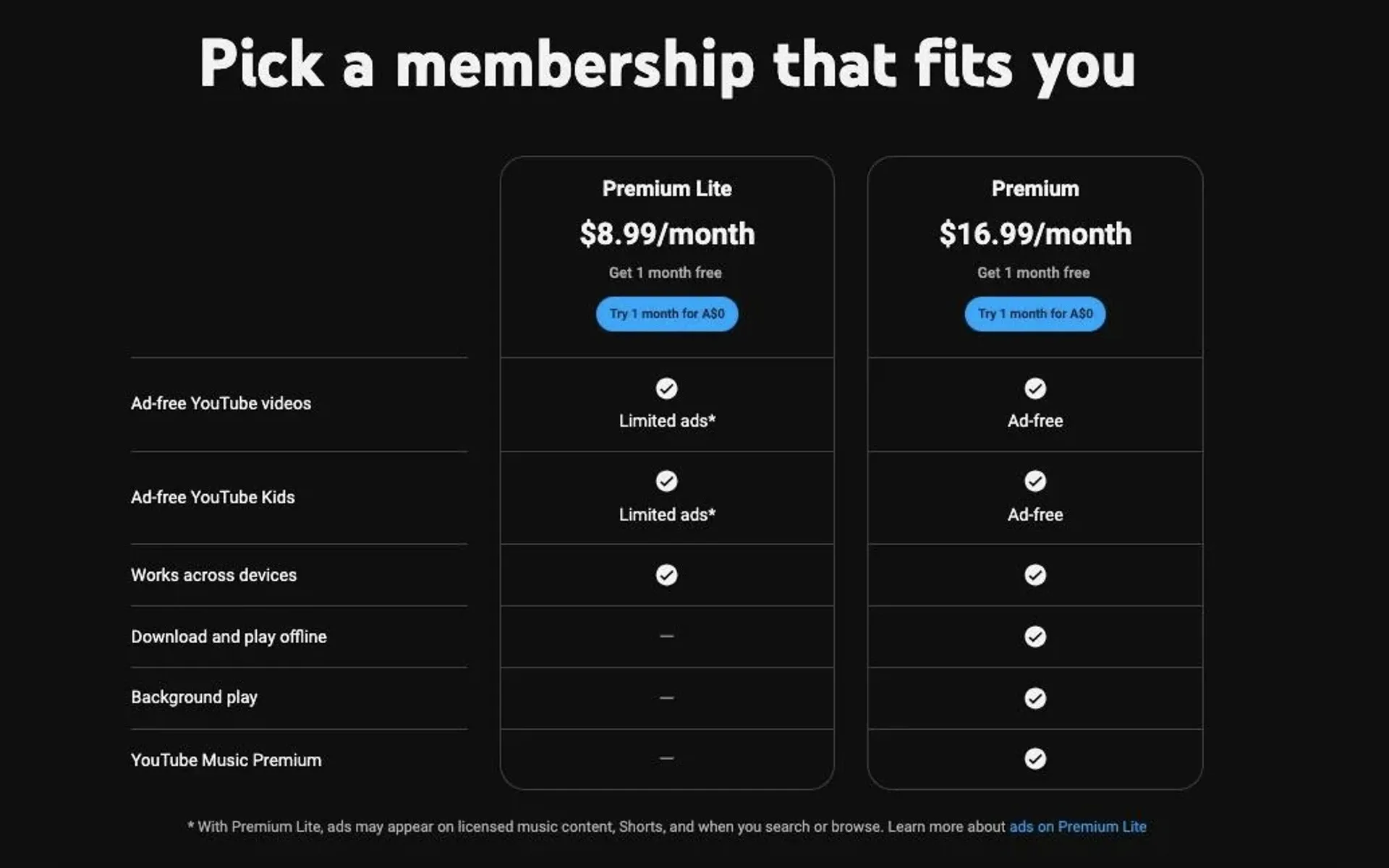
The ability to download videos for offline viewing is a feature that directly impacts mobile data costs. For users without unlimited data plans, streaming high-definition video on the go can lead to expensive overage charges from cellular providers. By downloading content over home Wi-Fi via a Premium subscription, users can significantly reduce their mobile data consumption, potentially allowing them to downgrade to a cheaper cellular plan and recoup the cost of the subscription.
Background Play as a Productivity Tool
YouTube Premium allows for background play, meaning the audio continues to run even when the screen is off or another app is open. This transforms the platform from a purely visual medium into a versatile audio library. For those who use YouTube for educational podcasts or white-noise focus tracks while working, this feature eliminates the need for a secondary device or specialized software, streamlining the digital workspace.

Bundled Value: YouTube Music and Integrated Services
One of the most overlooked financial aspects of a YouTube subscription is the inclusion of YouTube Music Premium. In a market where standalone music streaming services like Spotify and Apple Music cost approximately $10.99 per month, the value proposition of YouTube Premium shifts dramatically.
Consolidation of Digital Subscriptions
Subscription fatigue is a real financial burden. Many consumers pay for both a video platform and a music platform separately. If a user is already paying $11 for Spotify and then adds $14 for YouTube Premium, their total digital media spend is $25.
However, because YouTube Premium includes full access to the YouTube Music library (which features millions of official tracks plus rare live performances and covers not found elsewhere), a user can cancel their other music subscriptions. In this scenario, the “extra” cost for ad-free video content drops to just $3 per month. Consolidating services is one of the most effective ways to trim a monthly budget without sacrificing the quality of content.
High-Fidelity Audio and Creator Support
From a business standpoint, YouTube Premium also changes the way creators are compensated. A portion of the subscription fee is distributed to creators based on watch time from Premium members. For viewers who want to support their favorite independent educators or entertainers without the intrusive nature of ads, the subscription acts as a decentralized patronage model. This ensures the longevity of the niche content that provides value to the user.
Strategies for Managing Digital Subscription Costs
Maintaining a healthy financial life requires a proactive approach to recurring payments. YouTube Premium, while valuable, should be audited like any other line item in a budget.
The Audit and “Pause” Strategy
One of the advantages of the YouTube billing system is the ability to pause a membership rather than canceling it entirely. If a user knows they will be traveling or busy with a project where they won’t have time for video consumption, pausing the subscription for 1–6 months can save upwards of $80 per year. Financial wellness is often found in the “gap” between subscriptions.
Regional Pricing Awareness
While not applicable to everyone due to Terms of Service restrictions, it is a known fact that YouTube pricing is localized to the purchasing power of specific regions. While prices in the US and Europe are higher, they are significantly lower in emerging markets. For expatriates or digital nomads, it is vital to ensure that their billing is set to the most financially advantageous (and legal) region based on their residency.
Credit Card Rewards and Incentives
Many credit card issuers offer “streaming service” categories that provide 3% to 6% cash back on digital subscriptions. By piping a YouTube subscription through a high-yield rewards card, the effective cost is lowered even further. Additionally, some premium travel or lifestyle credit cards offer monthly credits that fully cover the cost of a digital entertainment suite, effectively making the subscription free as part of the card’s annual fee.
The Future of the Subscription Economy
As we look at the trajectory of digital media, the cost of “free” content is rising. Ad density is increasing, and the complexity of algorithms often prioritizes engagement over quality. In this environment, a YouTube subscription is more than just a way to skip commercials; it is a way to take control of one’s digital environment.
From a financial perspective, the $13.99 to $22.99 price point is a reflection of the platform’s dominance and the vast infrastructure required to host billions of hours of video. For the consumer, the decision to subscribe should be based on a cold calculation of utility. If the platform serves as your primary source of news, education, and music, it is likely one of the most efficient uses of discretionary income in your budget.
In conclusion, while the headline cost of a YouTube subscription is straightforward, the actual financial impact depends on how you leverage its features. By choosing the right plan, avoiding mobile app store markups, and consolidating your music streaming, you can transform a simple monthly expense into a high-value investment in your time and productivity. As digital costs continue to fluctuate, staying informed about these pricing nuances is the best way to maintain a balanced and effective personal financial plan.
aViewFromTheCave is a participant in the Amazon Services LLC Associates Program, an affiliate advertising program designed to provide a means for sites to earn advertising fees by advertising and linking to Amazon.com. Amazon, the Amazon logo, AmazonSupply, and the AmazonSupply logo are trademarks of Amazon.com, Inc. or its affiliates. As an Amazon Associate we earn affiliate commissions from qualifying purchases.