
The dream of owning a Tesla has transitioned from an elite status symbol to a tangible financial goal for the average professional. As the electric vehicle (EV) market matures, the primary question for potential buyers is no longer just about range or technology, but about the bottom line: how much is the cheapest Tesla, and more importantly, does it make financial sense as an asset?
Navigating the pricing structure of Tesla requires more than just looking at a sticker price. It involves a deep dive into federal incentives, operational savings, and the long-term economics of vehicle depreciation. To understand the true cost of the entry-level Tesla, we must analyze the Model 3 Rear-Wheel Drive (RWD), the current gateway into the ecosystem, through the lens of personal finance and investment.
Understanding the Base Price: The Entry-Level Model 3
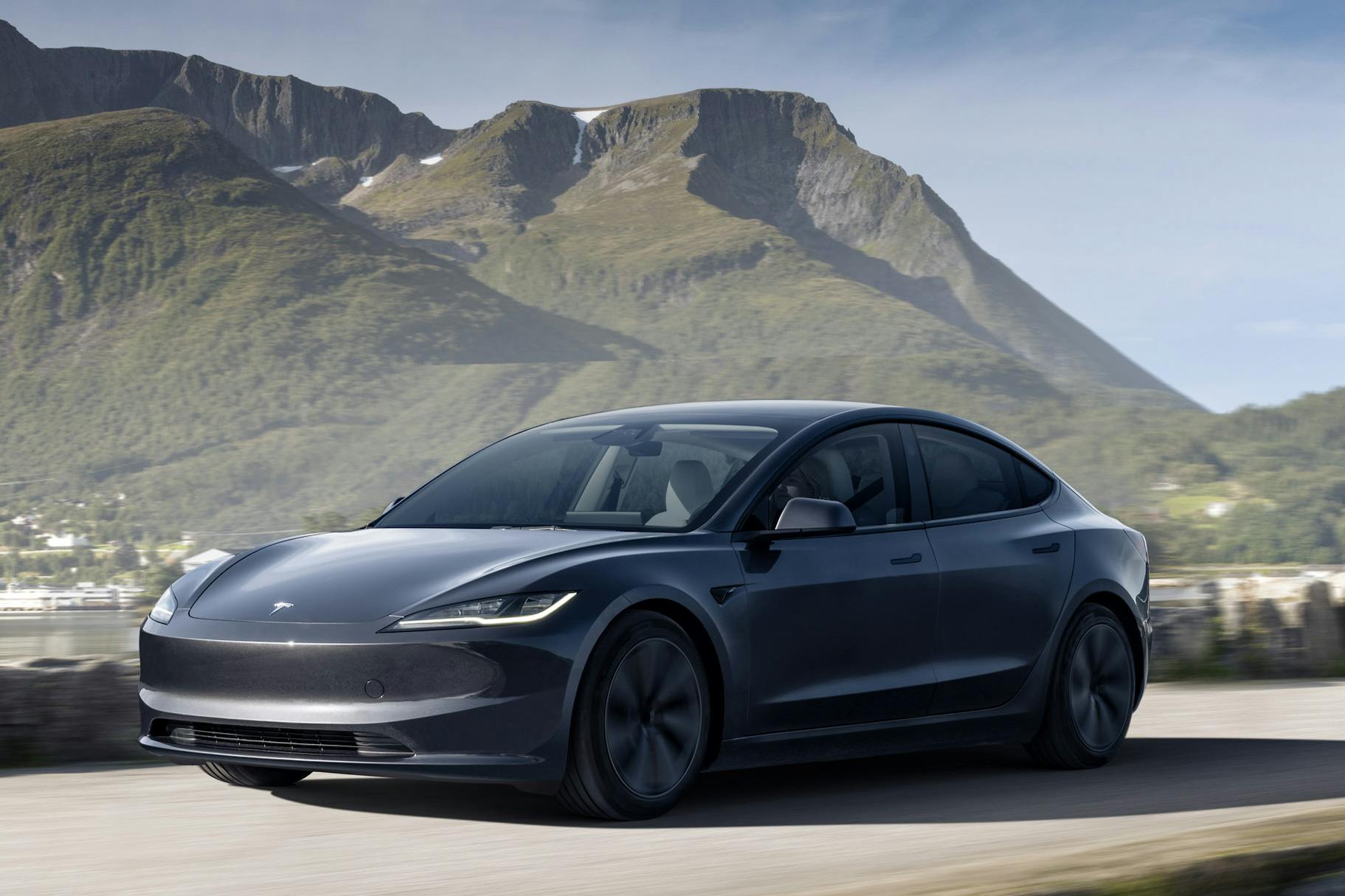
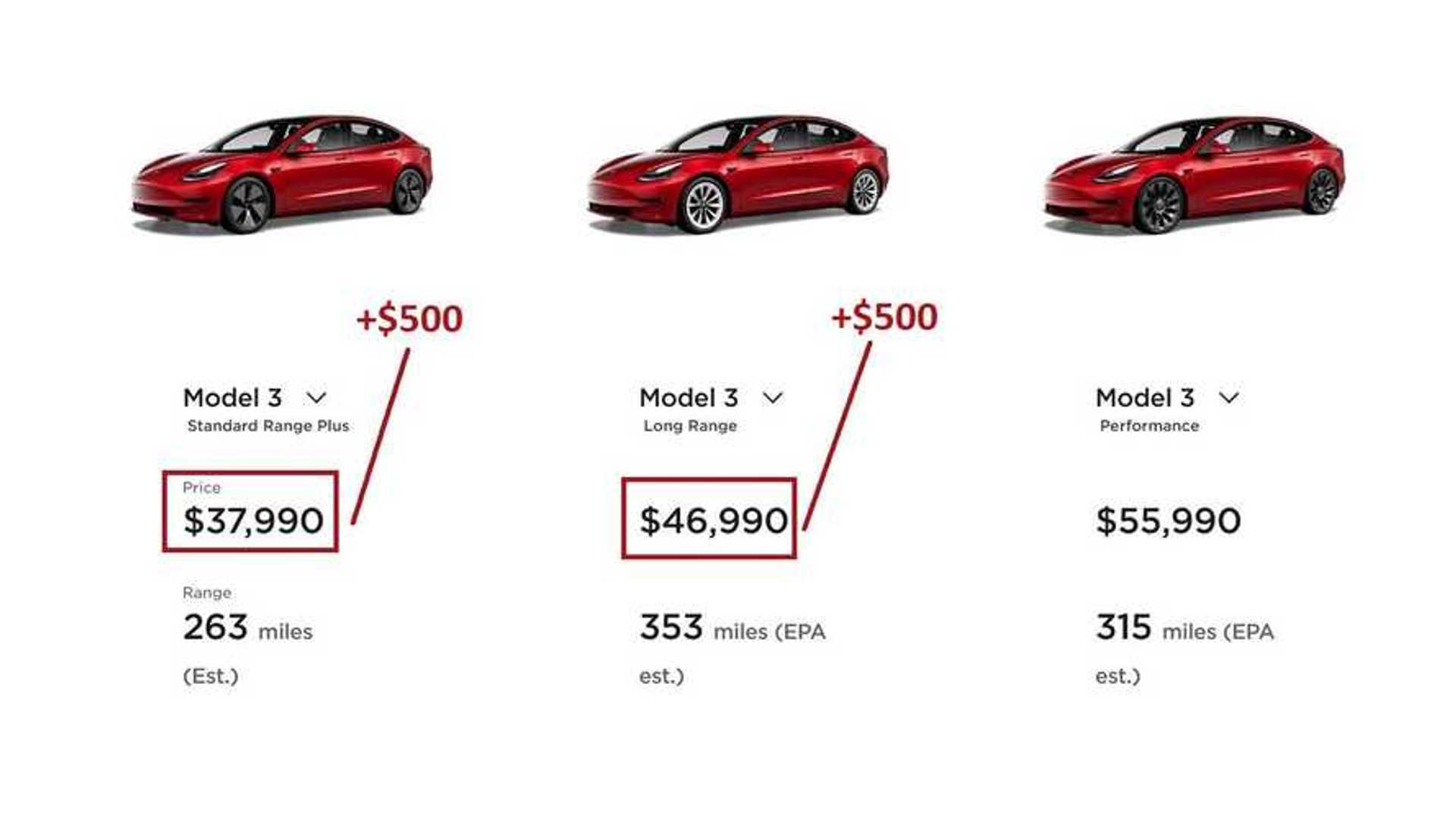
As of the current market cycle, the “cheapest” Tesla is the Model 3 Rear-Wheel Drive. While prices fluctuate based on supply chain dynamics and corporate strategy, the base Manufacturer’s Suggested Retail Price (MSRP) typically hovers around the $38,990 to $42,000 range. However, for a savvy financial planner, the MSRP is merely the starting point of a complex equation.
The MSRP vs. The Out-the-Door Cost
When calculating the initial capital outlay, buyers must account for the “destination fee” and “order fee,” which generally add an additional $1,640 to the total. Furthermore, sales tax—depending on your jurisdiction—can add several thousand dollars to the final bill. From a cash-flow perspective, a $40,000 car can quickly become a $45,000 liability before it even leaves the delivery center.
The Used Market: A Lower Entry Point
For those strictly seeking the lowest possible price point, the used inventory market offers a different financial path. Used Model 3s from the 2020–2022 era frequently appear on the market between $25,000 and $30,000. While these vehicles lack the “Highland” refresh upgrades, they represent a significantly lower barrier to entry for buyers prioritizing debt minimization or those looking to avoid the steepest part of the depreciation curve.
Incentives and Tax Credits: Reducing the Capital Outlay
In the realm of personal finance, the “price” of a Tesla is often redefined by government intervention. The federal EV tax credit, revitalized under the Inflation Reduction Act, is the single most significant factor in making a Tesla “cheap.”
The Federal EV Tax Credit
Eligible buyers can receive up to $7,500 off the price of a new Model 3. Historically, this was a credit realized during tax season, but current regulations allow this to be applied as a “point-of-sale” discount. This effectively lowers the $40,000 MSRP to $32,500 instantly, provided the buyer meets income requirements (typically $150,000 for individuals or $300,000 for married couples filing jointly). From a net-worth perspective, this is an immediate 18% equity boost on the purchase.
State-Level Rebates and Incentives
Geography plays a massive role in the final financial tally. States like California, Colorado, and Massachusetts offer additional rebates ranging from $2,000 to $5,000. In certain high-incentive scenarios, a buyer in Colorado could theoretically stack federal and state credits to bring the effective cost of a new Tesla down to the mid-$20,000s. This makes the cheapest Tesla comparable in price to a base-model Toyota Corolla or Honda Civic, but with the features of a premium sedan.
Business Use and Tax Write-offs
For entrepreneurs and 1099 contractors, the cheapest Tesla becomes even more attractive through Section 179 or standard mileage deductions. While the Model 3 does not meet the weight requirements for the “heavy SUV” deduction (which the Model X does), the ability to deduct actual expenses or use the favorable EV mileage rate can significantly lower the effective cost of ownership when filtered through business tax savings.
The Total Cost of Ownership (TCO) vs. Internal Combustion Engines
In financial analysis, the purchase price is a “one-time” event, but the Total Cost of Ownership (TCO) is a recurring reality. A Tesla is often cheaper over a five-year horizon than a gasoline car with a lower MSRP.
Fuel Savings Analysis
The primary driver of ROI for a Tesla is the displacement of gasoline costs. On average, charging a Tesla at home costs about one-third to one-fourth the price of fueling a 30-MPG internal combustion engine (ICE) vehicle. For an individual driving 15,000 miles per year, this can result in annual savings of $1,200 to $2,000. Over a five-year ownership period, that represents $6,000 to $10,000 in retained capital that can be redirected into high-yield savings or investment portfolios.
Maintenance and the Removal of “Hidden” Costs
Traditional vehicles have hundreds of moving parts that require regular financial “bleeding”—oil changes, spark plugs, timing belts, and transmission fluid flushes. The cheapest Tesla eliminates these expenses. Beyond tires, windshield wiper fluid, and cabin air filters, the maintenance schedule is remarkably sparse. Regenerative braking also significantly extends the life of brake pads, often lasting over 100,000 miles, further reducing the “leakage” of personal wealth into automotive repairs.
Insurance Premiums: The Potential Headwind
It is critical to note that the “cheapest” Tesla might carry a higher insurance premium than a budget ICE vehicle. Because Teslas are categorized as high-performance vehicles and can be expensive to repair due to their aluminum structures and specialized sensors, insurance costs can be 20-30% higher. Potential buyers must factor this into their monthly “burn rate” to ensure the car fits within a strict 20/4/10 budgeting rule (20% down, 4-year loan, total transport costs under 10% of income).
Financing and Leasing Strategies for the Budget-Conscious Buyer
How you pay for the cheapest Tesla is just as important as the price itself. The cost of capital can add thousands to the total expenditure over time.
The Lease vs. Buy Dilemma
Tesla offers leasing options that often result in a lower monthly payment, sometimes under $400 per month for a Model 3. However, from a wealth-building perspective, Tesla leases are restrictive—most notably, they do not currently allow for a “buyout” at the end of the lease term. This means the lessee is essentially renting the vehicle and will have zero equity after three years. For those focused on long-term net worth, purchasing (financing) is generally the superior financial move, as it leads to an owned asset.
Interest Rates and Opportunity Cost
In a high-interest-rate environment, financing a $40,000 car at 6% or 7% interest can lead to over $6,000 in interest payments over a five-year term. For the financially savvy, the decision to pay cash versus financing depends on the “opportunity cost.” If your investment portfolio is yielding 8-10%, financing the car at 6% allows your capital to continue growing in the market, making the loan a “cheap” use of leverage. Conversely, if you have idle cash in a low-interest account, paying for the car upfront avoids the guaranteed “loss” of interest payments.
Tesla’s Internal Financing
Tesla occasionally offers promotional financing rates, such as 0.99% or 1.99% for qualified buyers. When these promotions are active, the “cheapest” Tesla becomes a phenomenal financial tool, as the cost of borrowing is lower than the rate of inflation, effectively making the loan “free money” in real terms.
Residual Value and Depreciation: A Long-Term Financial Perspective
The final pillar of the “How much is it?” question is what the car will be worth when you are finished with it. Depreciation is the largest “silent” expense in car ownership.
Resale Value Trends
Tesla vehicles historically held their value better than almost any other brand. However, as production has scaled and price cuts have become more frequent, residual values have normalized. A base Model 3 typically retains about 45-55% of its value after five years. While this is better than many luxury competitors, it still represents a significant loss of capital.
Future-Proofing Your Investment
To maximize the financial return on a Tesla purchase, buyers should aim for the longest possible “holding period.” The financial math of a Tesla becomes exponentially better in years 6 through 10 of ownership. Once the loan is paid off and the fuel savings continue to accumulate, the vehicle transitions from a depreciating liability to a low-cost utility that supports a high-savings-rate lifestyle.
Conclusion: Is the Cheapest Tesla a Smart Money Move?
The “cheapest” Tesla is not merely a figure on a website; it is the sum of the purchase price, tax incentives, operational savings, and financing costs. For a buyer who can utilize the $7,500 tax credit and who drives a significant number of miles annually, the Model 3 RWD is arguably one of the most fiscally responsible “new” car purchases available today. It offers the rare combination of a premium experience with the operating budget of a sub-compact economy car. By focusing on the Total Cost of Ownership rather than just the MSRP, the “cheapest” Tesla reveals itself to be a sophisticated financial choice for the modern investor.
aViewFromTheCave is a participant in the Amazon Services LLC Associates Program, an affiliate advertising program designed to provide a means for sites to earn advertising fees by advertising and linking to Amazon.com. Amazon, the Amazon logo, AmazonSupply, and the AmazonSupply logo are trademarks of Amazon.com, Inc. or its affiliates. As an Amazon Associate we earn affiliate commissions from qualifying purchases.