
For a brand that has become synonymous with the “athleisure” revolution, Lululemon Athletica Inc. represents more than just technical apparel; it represents a lifestyle, a community, and a specific tier of premium positioning. However, as the modern consumer becomes increasingly conscious of corporate identity and the ethical footprint of their purchases, the question of “where is Lululemon produced” has evolved from a logistical curiosity into a critical component of the brand’s strategic narrative.
To understand Lululemon’s production landscape is to understand the sophisticated balance between high-performance manufacturing, cost-efficiency, and the maintenance of a luxury brand image. Unlike traditional fast-fashion entities, Lululemon’s manufacturing strategy is built on long-term partnerships, technical specialization, and a rigorous commitment to quality that justifies its premium price point.
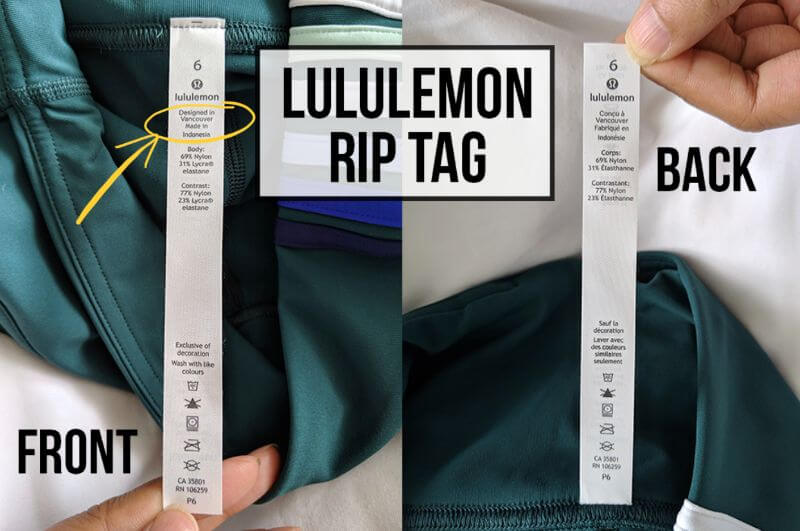
The Strategic Geography of Lululemon’s Production
Lululemon does not own or operate any of its manufacturing facilities. Instead, the company utilizes a global network of third-party vendors. This “asset-light” model is common in the premium apparel industry, allowing the brand to focus on design, marketing, and retail while outsourcing the heavy lifting of physical production to specialized experts.
The Dominance of Southeast Asia
The vast majority of Lululemon’s products are manufactured in Southeast Asia and South Asia. This region has become the epicenter for technical garment construction due to its advanced infrastructure, skilled labor force, and established textile ecosystems.
-
Vietnam: As of the last several fiscal cycles, Vietnam has emerged as the primary hub for Lululemon’s finished goods. The country’s manufacturing sector has matured significantly, moving away from basic garment assembly toward the high-tech bonding and seam-sealing required for Lululemon’s signature Luon and Nulu fabrics.
-
Cambodia and Sri Lanka: These nations also play pivotal roles in the brand’s supply chain. Sri Lanka, in particular, is globally recognized for its ethical manufacturing standards and expertise in intricate intimate apparel and performance wear, aligning perfectly with Lululemon’s brand pillars of “quality and consciousness.”
-
China: While many brands are diversifying away from China, it remains a vital source for both raw material production and finished goods for Lululemon. The vertical integration of Chinese mills—where the yarn is spun, knitted into fabric, and sewn in proximity—provides an efficiency that is difficult to replicate elsewhere.
The Role of Domestic and Specialized Hubs
While the bulk of mass production occurs overseas, Lululemon maintains a strategic presence in North America for specific needs. Historically, a small percentage of production occurred in Canada (the brand’s birthplace) and the United States. Today, these domestic operations are largely reserved for prototyping, limited-edition collaborations, or “speed-to-market” initiatives. By keeping design and high-level prototyping close to its Vancouver headquarters, the brand ensures that the core “DNA” of its products is never lost in translation when scaled globally.
Manufacturing as a Pillar of Brand Identity
In the luxury and premium markets, the “where” and “how” of production are just as important as the product itself. Lululemon has successfully leveraged its supply chain as a proof point for its brand promise. For Lululemon, manufacturing is not just a cost center; it is a quality assurance mechanism.
The Vendor Code of Ethics
One of the core elements of Lululemon’s brand strategy is its “Vendor Code of Ethics.” Because the brand charges a premium—often three to four times the price of budget competitors—it cannot afford the reputational risk of “sweatshop” labor or environmental negligence. The brand’s corporate identity is tied to the concept of “well-being,” and this must extend to the people making the clothes.
Lululemon employs a rigorous selection process for its manufacturing partners. Many of their vendors have been with the brand for over a decade. These long-term relationships allow for a deeper level of collaboration on fabric innovation. When a brand like Lululemon creates a proprietary fabric like Everlux, they aren’t just buying off-the-shelf material; they are co-developing it with specific mills. This exclusivity is a massive brand moat that prevents competitors from easily replicating the “hand-feel” of Lululemon products.
Technical Superiority and the “Science of Feel”
Lululemon’s brand strategy revolves around what they call the “Science of Feel.” This marketing framework suggests that if you feel better, you perform better. To execute this, the production facilities must adhere to incredibly tight tolerances.
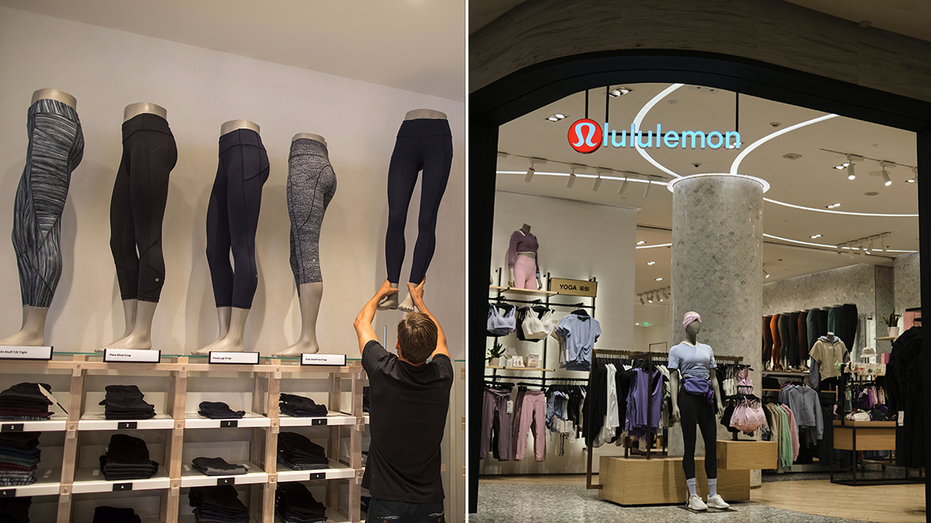
The production of Lululemon gear involves advanced machinery for:
-
Flatlocked Seams: To prevent chafing during high-intensity yoga or running.
-
Silverescent Technology: Integrating silver fibers into the fabric to inhibit the growth of odor-causing bacteria.
-
Zoned Compression: Using varied knit patterns to provide support where needed.
By choosing specialized factories in regions like Taiwan and Sri Lanka that can handle these complex requirements, Lululemon reinforces its position as a technical leader rather than just a fashion brand.
Supply Chain Transparency and Modern Marketing
In the digital age, transparency is a marketing tool. Lululemon has recognized that the modern consumer—particularly Millennials and Gen Z—values honesty regarding the origins of their clothing. This shift has forced the brand to move from a “closed-door” manufacturing approach to one of radical transparency.
The Impact of ESG on Brand Equity
Environmental, Social, and Governance (ESG) criteria are now central to Lululemon’s corporate identity. The brand’s “Impact Strategy” outlines clear goals for 100% of its products to be made with sustainable materials by 2030 and for the supply chain to achieve a significant reduction in carbon emissions.
When Lululemon shares details about its production in Vietnam or its fabric sourcing in Taiwan, it isn’t just providing logistics data; it is building trust. The brand’s ability to map its Tier 1 (finished goods) and Tier 2 (fabric mills) suppliers and share that progress with shareholders and customers alike is a sophisticated branding move. It shifts the narrative from “outsourced labor” to “global partnership.”
Navigating the Risks of Global Production
No global brand is immune to the risks of international production. Geopolitical tensions, labor disputes, and logistics bottlenecks (like those seen in 2021 and 2022) can threaten a brand’s reputation. Lululemon’s strategy for mitigating these risks involves geographical diversification. By not being overly reliant on a single country, the brand protects its identity from being tethered to the political or economic instability of one region. This resilience is a key part of their “Brand Strength” in the eyes of investors and consumers.
Innovation at the Source: The Future of Lululemon Production
As Lululemon looks toward the future, the question of where its products are produced is becoming increasingly intertwined with how they are produced. The brand is currently investing in new frontiers of manufacturing that could redefine its corporate identity once again.
Sustainable Innovations and Mycelium
Lululemon has recently ventured into bio-based materials, partnering with companies like Bolt Threads to produce “leather” yoga mats and bags made from Mylo (a material grown from mycelium/fungi). This move signals a shift in production strategy: the “factory” of the future might be a lab or a vertical farm. From a brand perspective, this positions Lululemon at the intersection of fashion and biotechnology, further distancing them from traditional retail competitors.
Nearshoring and Circularity
The brand is also exploring “circularity”—the idea that products can be returned, recycled, and remade. This requires a production cycle that is much closer to the consumer. As Lululemon expands its “Like New” resale program, the infrastructure for cleaning, repairing, and re-processing garments becomes a new form of “production.” This localizes the brand’s footprint and appeals to the growing segment of eco-conscious consumers who prioritize a low carbon footprint.
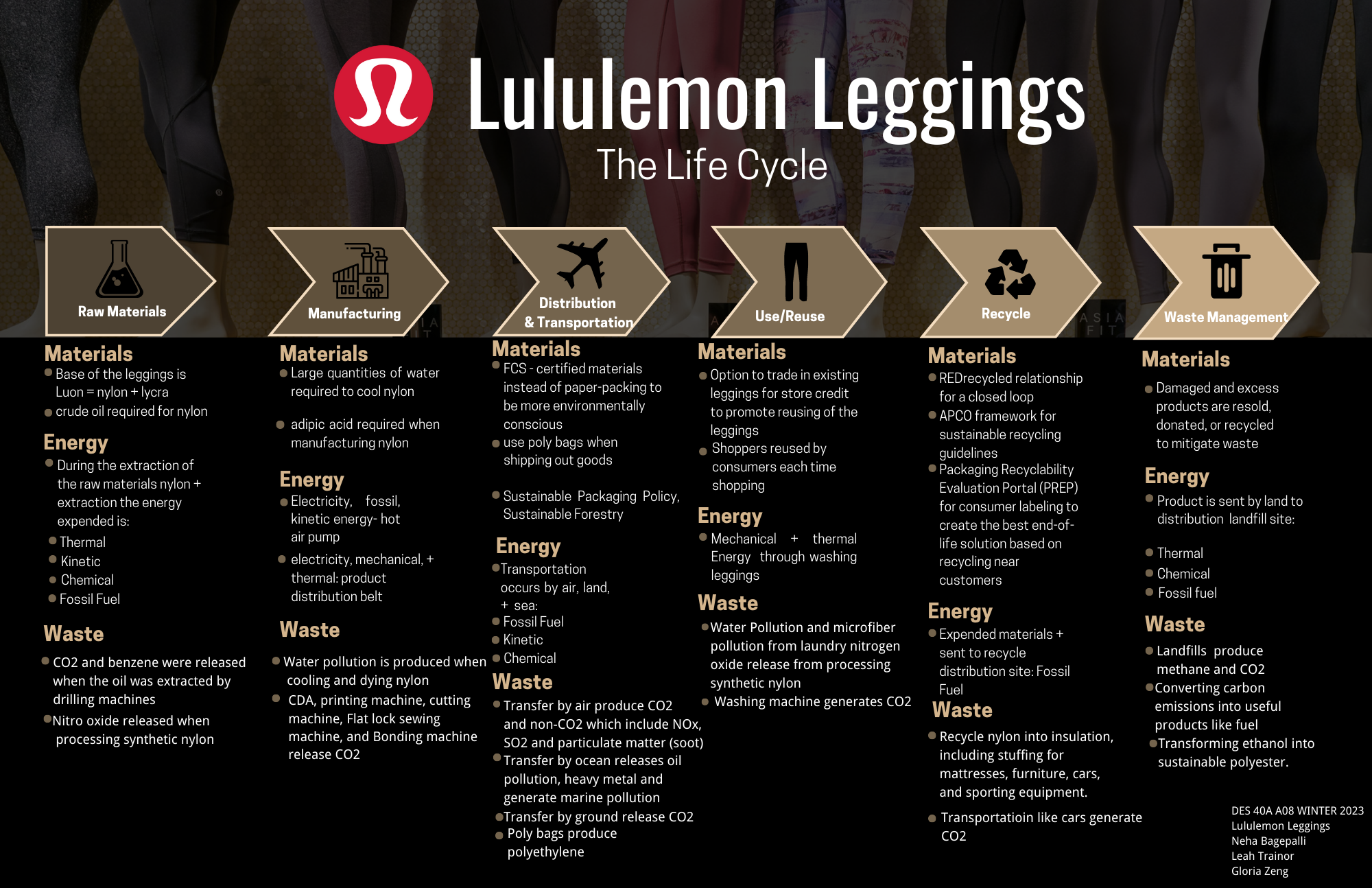
Conclusion: The Brand is the Process
Ultimately, Lululemon’s production is not located in any one specific place, but rather in a meticulously managed global network that spans from the high-tech mills of Taiwan to the skilled sewing floors of Vietnam, and back to the design labs in Vancouver.
Where Lululemon is produced is a reflection of what the brand stands for: a commitment to technical excellence, a dedication to ethical standards, and a strategic pursuit of global efficiency. For the consumer, the “Made in Vietnam” or “Made in Sri Lanka” tag is not a sign of cost-cutting, but a badge of a complex, high-performance ecosystem designed to deliver a premium experience. In the world of brand strategy, Lululemon has successfully proven that it’s not just about what you make, but the integrity of the entire journey from fiber to floor.
aViewFromTheCave is a participant in the Amazon Services LLC Associates Program, an affiliate advertising program designed to provide a means for sites to earn advertising fees by advertising and linking to Amazon.com. Amazon, the Amazon logo, AmazonSupply, and the AmazonSupply logo are trademarks of Amazon.com, Inc. or its affiliates. As an Amazon Associate we earn affiliate commissions from qualifying purchases.