
Managing finances within a partnership, whether it is a marriage, a long-term relationship, or a business arrangement, requires a foundation of trust and a robust set of tools. Chase Bank, one of the largest financial institutions in the United States, offers a variety of joint account options designed to streamline shared expenses, facilitate long-term savings goals, and provide a transparent overview of a household’s financial health. Understanding the nuances of how to open a joint account at Chase—and the strategic benefits of doing so—is the first step toward achieving synchronized financial success.
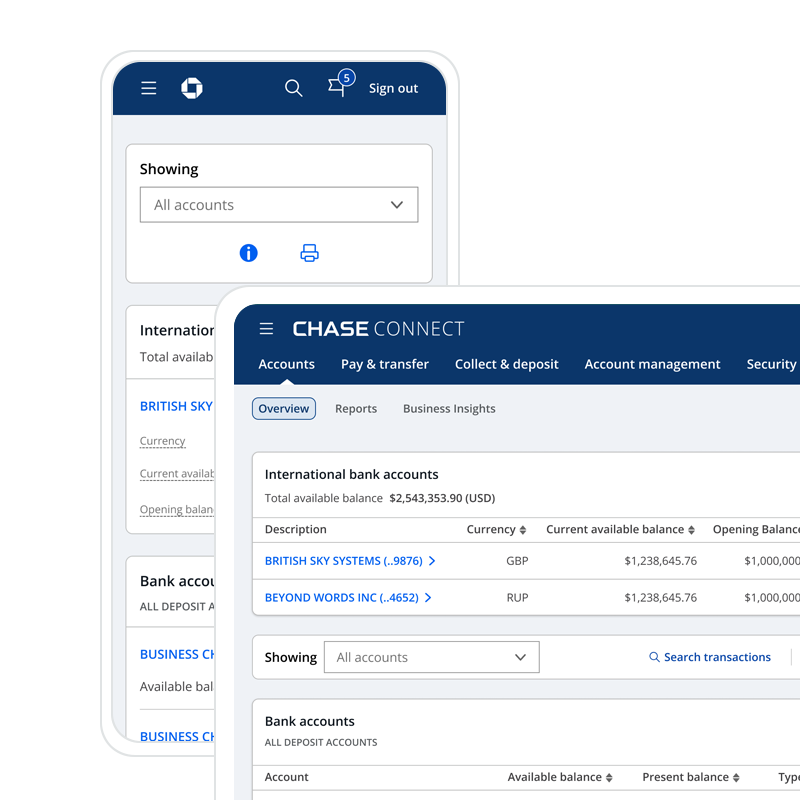
A joint account functions similarly to an individual account, but with one primary difference: two or more individuals have equal access to the funds and equal responsibility for the account’s management. At Chase, this means both parties can deposit money, write checks, make ATM withdrawals, and use debit cards associated with the account. However, it also means that both parties are legally liable for any fees, overdrafts, or legal issues that may arise.
The Strategic Benefits of a Joint Chase Account
Opening a joint account is more than just a logistical convenience; it is a strategic move for those looking to optimize their personal finance management. One of the most immediate benefits is the simplification of household budgeting. Instead of transferring money back and forth for rent, mortgage payments, utilities, or groceries, partners can contribute a portion of their income to a single pool. This transparency reduces friction and ensures that all essential bills are covered from a central location.
Furthermore, a joint account at Chase can help users meet the requirements to waive monthly service fees. Many Chase checking accounts, such as the Chase Total Checking®, have a monthly fee that can be waived if a certain balance is maintained or if a specific amount of direct deposits are made each month. By combining incomes and balances into one account, partners are much more likely to hit these thresholds, effectively making their banking experience free.
Beyond the daily logistics, joint accounts offer a sense of security through the “right of survivorship.” In most joint account agreements, if one account holder passes away, the remaining funds automatically belong to the surviving account holder without the need for the account to go through probate. This ensures that the surviving partner has immediate access to funds during a difficult transition period.
Who Should Consider a Joint Account?
While married couples are the most common users of joint accounts, they are not the only ones who can benefit. Unmarried partners who live together often find them useful for managing shared domestic costs. Additionally, aging parents and their adult children may open a joint account to allow the child to help manage the parent’s bills and financial affairs. It is crucial, however, to remember that the level of trust must be high, as either party can withdraw the entire balance at any time without the other’s permission.
Preparing for the Application: Documentation and Eligibility
Before beginning the application process with Chase, it is essential to have all necessary documentation in order. Because a joint account involves two distinct legal identities, Chase requires verification for both applicants to comply with federal “Know Your Customer” (KYC) regulations and the Patriot Act.
To open a joint account at Chase, both parties typically need to provide:
-
Social Security Numbers: This is required for tax reporting and identity verification.
-
Government-Issued Photo ID: A valid driver’s license, state ID, or passport is mandatory.
-
Personal Information: This includes full legal names, dates of birth, current residential addresses, and contact information (phone numbers and email addresses).
-
Initial Deposit: Depending on the account type, you may need a small opening deposit to activate the account, though many Chase accounts can be opened with $0 if you set up direct deposit quickly.
Online vs. In-Branch Applications
Chase offers two primary ways to open a joint account: through their website/mobile app or by visiting a physical branch.
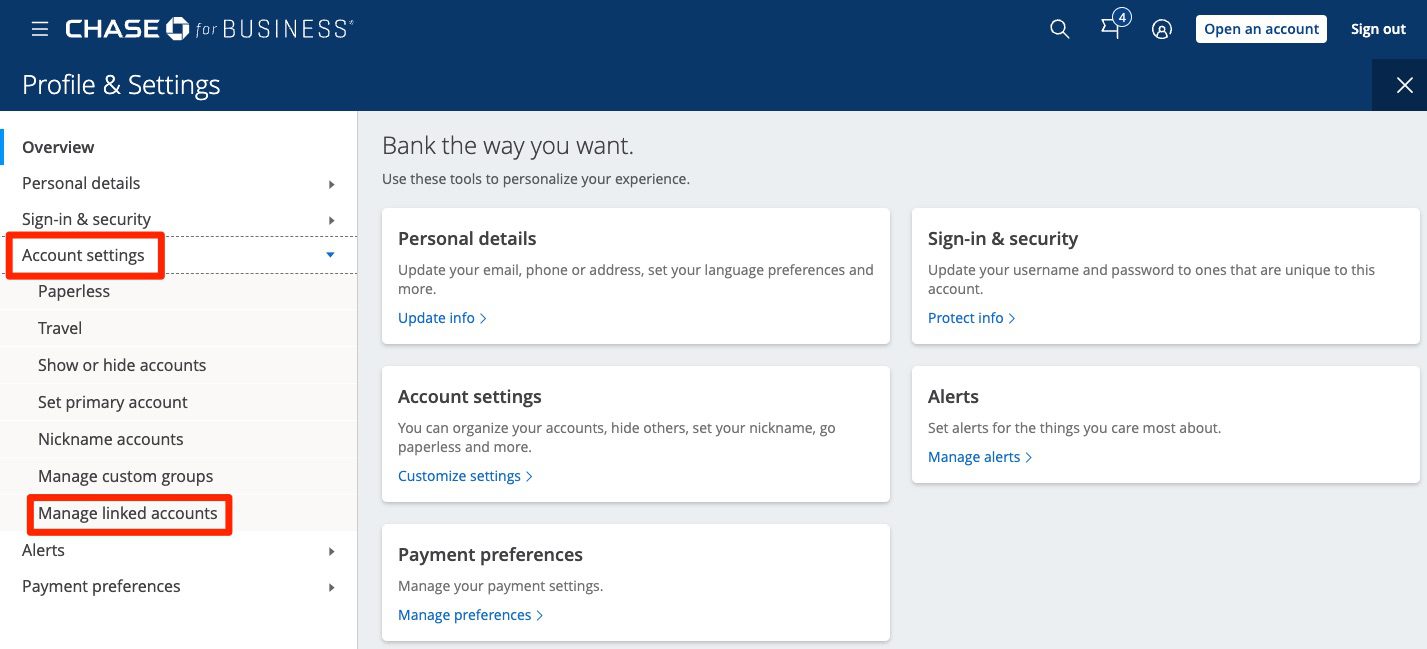
For existing Chase customers, the online process is remarkably efficient. If one person already has an account, they can often sign in and initiate a joint account application, inviting the second person to provide their details digitally. However, if neither party is an existing customer, or if there are complexities regarding residency or identification, visiting a branch is often the better route. In-branch applications allow for immediate document verification and the ability to ask a personal banker specific questions about fee structures and account features.
Choosing the Right Chase Account for Your Goals
Chase offers a tiered suite of products, and selecting the right one is vital to ensure the account serves your specific financial needs without incurring unnecessary costs.
Chase Total Checking®
The most popular option for shared finances is the Chase Total Checking® account. It is a reliable, “no-frills” account that provides access to over 15,000 ATMs and 4,700 branches. For couples just starting to merge their finances, this account offers a straightforward interface and easy-to-understand fee waiver requirements, such as having $500 or more in total monthly direct deposits or maintaining a minimum daily balance of $1,500.
Chase Sapphire℠ Checking
For those with higher balances, the Chase Sapphire℠ Checking account provides a more premium experience. This is an excellent choice for joint account holders who maintain a combined balance of at least $75,000 across their Chase accounts and investments. The perks include no ATM fees worldwide, higher withdrawal limits, and specialized customer service. This is particularly beneficial for high-earning households looking to maximize the utility of their primary checking relationship.
Chase Savings Accounts
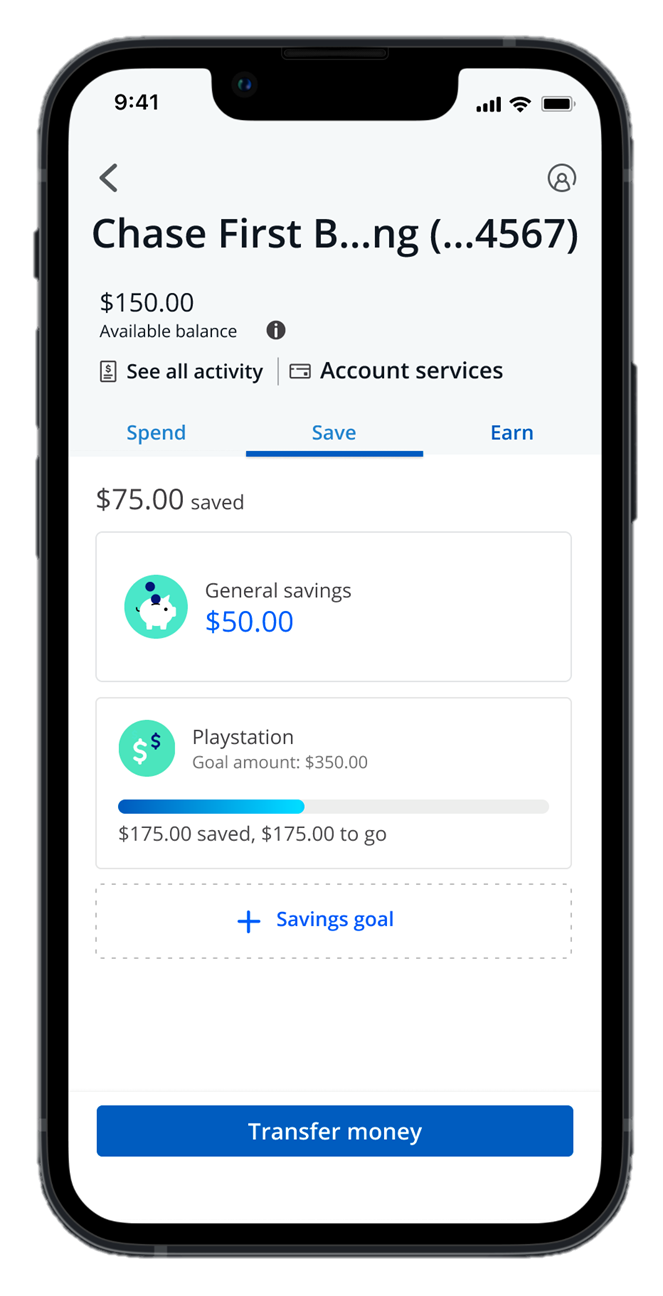
While checking accounts handle the “flow” of money, joint savings accounts handle the “growth.” Opening a Chase Savings℠ or Chase Premier Savings℠ account alongside a checking account allows partners to set aside money for specific milestones, such as a home down payment or an emergency fund. Chase allows for easy, instantaneous transfers between linked checking and savings accounts, making it simple to move money into a “rainy day” fund as soon as a paycheck hits the joint checking account.
Navigating the Management of Shared Funds
Once the account is open, the focus shifts from setup to management. The Chase Mobile® app is one of the most highly-rated tools in the industry, and it becomes even more powerful in a joint context.
Utilizing Digital Tools for Transparency
Both account holders should download the app and set up their own login credentials. From within the app, users can set up real-time alerts. For example, you can receive a notification every time a purchase over $100 is made or if the account balance falls below a certain threshold. This level of communication helps prevent “accidental” overdrafts where both partners make large purchases on the same day without realizing the other has done so.
Zelle and Bill Pay Integration
Chase integrates seamlessly with Zelle, allowing partners to send money to friends or service providers directly from the joint account. Additionally, Chase Online Bill Pay can be used to automate recurring expenses like utilities, internet, and insurance. By setting these to autopay from the joint account, couples can eliminate the stress of tracking due dates and ensure their credit scores remain protected.
Potential Challenges and Professional Considerations
While joint accounts offer significant convenience, they also require a high level of communication to avoid common pitfalls. Financial disagreements are a leading cause of relationship stress, and the transparency of a joint account can sometimes exacerbate these tensions if expectations aren’t set early.
Handling Overdrafts and Liabilities
In a joint account, both individuals are “jointly and severally liable.” This is a legal term meaning that if the account goes into a negative balance because one person spent too much, the bank can pursue either person—or both—for the full amount of the debt. It is wise to opt-in to Chase’s overdraft protection services or link a joint savings account to the checking account to provide a safety net.
Security and Fraud Prevention
Because two people are using the account, there are twice as many opportunities for security lapses, such as a lost debit card or a compromised password. Both parties must adhere to strict digital hygiene, including using two-factor authentication (2FA) and being cautious of phishing attempts. Chase’s “Freeze” feature in the mobile app is particularly useful; if one partner loses their card, they can instantly lock it through the app without affecting the other partner’s card.
The Exit Strategy
While no one enters a joint financial arrangement expecting it to end, it is prudent to understand the process for closing or separating the account. At Chase, closing a joint account typically requires the consent of both parties, though some account types allow one person to initiate the closure. If a relationship ends, it is essential to resolve the distribution of funds quickly and formally close the account to prevent one party from incurring debt that the other will be legally responsible for.
By following these steps and choosing the right Chase products, partners can turn their banking relationship into a powerful engine for financial growth and stability. Whether it is the daily ease of Chase Total Checking® or the premium benefits of the Sapphire tier, the key to success lies in preparation, communication, and the consistent use of the digital tools Chase provides to its millions of account holders.
aViewFromTheCave is a participant in the Amazon Services LLC Associates Program, an affiliate advertising program designed to provide a means for sites to earn advertising fees by advertising and linking to Amazon.com. Amazon, the Amazon logo, AmazonSupply, and the AmazonSupply logo are trademarks of Amazon.com, Inc. or its affiliates. As an Amazon Associate we earn affiliate commissions from qualifying purchases.