
In the modern financial landscape, your bank account and routing numbers serve as the digital DNA of your monetary identity. Whether you are setting up direct deposit for a new job, authorizing an automatic bill payment for your mortgage, or initiating a wire transfer to an investment platform, these two strings of numbers are the essential keys that unlock the flow of capital. While they might seem like mere bureaucratic sequences, understanding how to locate them quickly and securely is a fundamental skill for effective personal finance management.

As we transition further into a cashless society, the reliance on the Automated Clearing House (ACH) network and wire transfers has increased. This makes the accuracy of your banking details more critical than ever. A single transposed digit can lead to delayed paychecks or, in worse scenarios, funds being routed to the wrong recipient. This guide provides an in-depth look at how to find these numbers, the structural differences between them, and the best practices for keeping this sensitive information secure.
Decoding the Numbers: Routing vs. Account Numbers
Before diving into where to find these numbers, it is vital to understand what they represent. In the United States, the banking system relies on a standardized format to ensure that money moves from Point A to Point B without friction.
What is a Routing Number?
The routing transit number (RTN), often simply called a routing number, is a nine-digit code used to identify a specific financial institution. Developed by the American Bankers Association (ABA) in 1910, this number ensures that the financial system knows exactly which bank is responsible for the funds in a transaction.
The nine digits are not random. The first two digits represent the Federal Reserve district where the bank is located. The third digit indicates the Federal Reserve check processing center assigned to the bank. The fourth digit identifies the state where the bank is headquartered. Digits five through eight are the unique identifier for the bank itself, and the final ninth digit is a “check digit” used to verify the validity of the previous eight numbers through a complex mathematical formula.
What is an Account Number?
While the routing number identifies the bank, the account number identifies you. This sequence is unique to your specific relationship with the financial institution. Most account numbers range from 8 to 12 digits, though some institutions use shorter or longer sequences.
Unlike routing numbers, which are often public knowledge (many banks list them on their websites), your account number is private. It is the specific “bin” within the bank’s vault where your assets are stored. If you have multiple accounts at the same bank—such as a checking account, a savings account, and a money market account—each will have the same routing number but a unique account number.
Digital Methods for Real-Time Access
In the age of fintech, most consumers rarely touch physical checks or visit a local branch. Consequently, digital platforms have become the primary source for retrieving banking details.
Leveraging Online Banking Portals
The most common way to find your account and routing numbers is through your bank’s official website. After logging into your secure portal, navigate to the “Account Details” or “Account Summary” section.
Most banks hide the account number behind asterisks for security (e.g., ****5678). To see the full number, you usually need to click a “Show” or “View” icon, which may require a secondary authentication step, such as a code sent to your mobile device. The routing number is typically listed in the same area, often labeled as the “Paper & Electronic” routing number or the “ACH” routing number.
Using Mobile Banking Apps
Mobile apps have streamlined the process of financial retrieval. Once you are authenticated via biometrics (FaceID or fingerprint), you can usually tap on your specific account to see its details. Look for an “Info” icon or a tab labeled “Manage Account.”
One advantage of mobile apps is the “Copy” feature. Many modern banking apps allow you to tap the account or routing number to copy it to your clipboard. This eliminates the risk of manual entry errors when pasting the numbers into a different app, such as a payroll provider or a peer-to-peer payment platform like Venmo or PayPal.
Accessing Digital Statements
If you cannot find the numbers in the app interface, your monthly statements are a foolproof backup. Most banks provide a “Statements and Documents” section where you can download PDF versions of your recent activity. The account number is almost always printed at the top of the first page. While the routing number is sometimes omitted from statements, it is frequently found in the fine print at the bottom or in the remittance section.
The Paper Trail: Locating Numbers Offline
For those who still use traditional banking tools, your physical documents are the most direct way to identify your numbers.
Reading a Personal Check
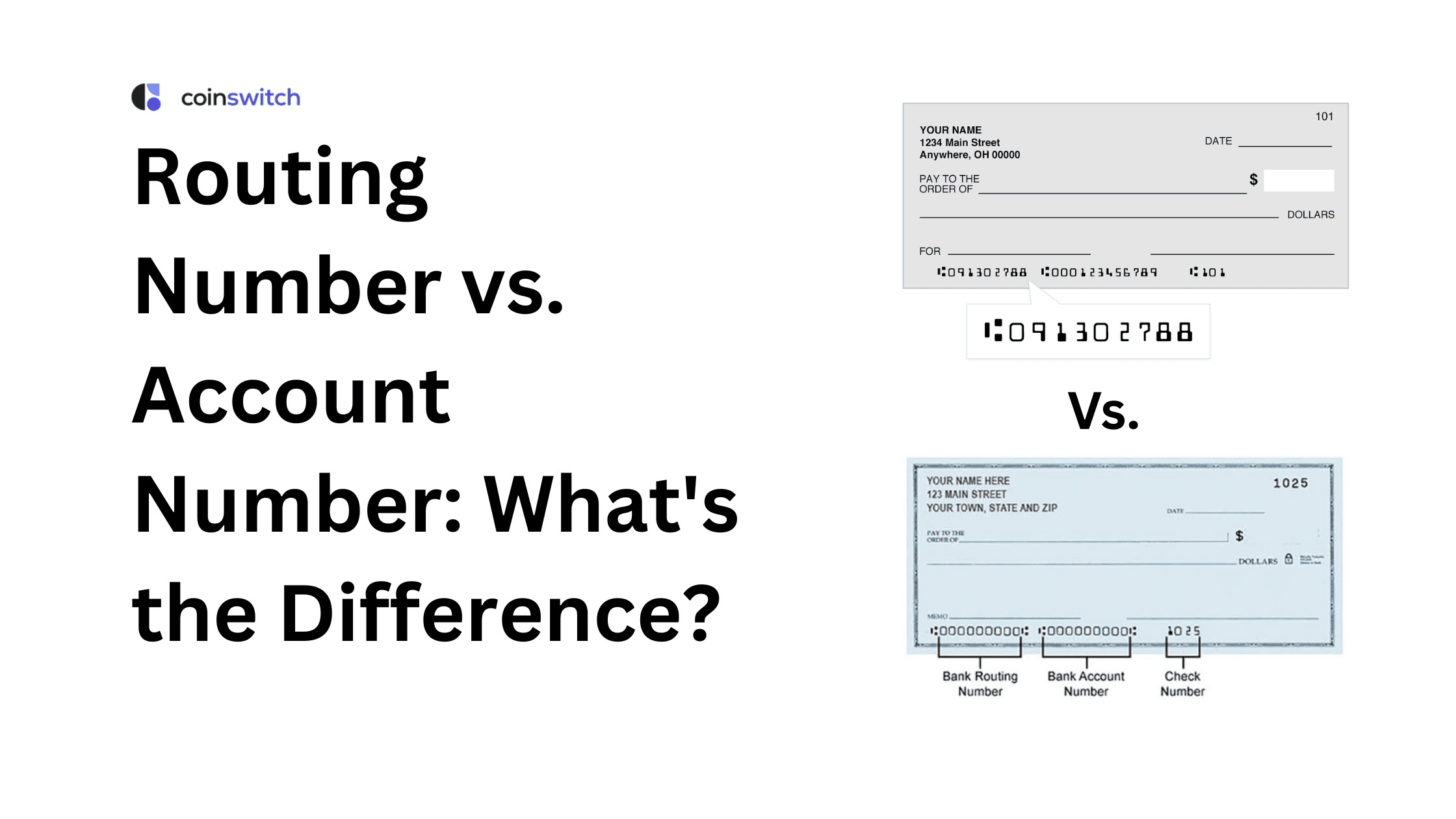
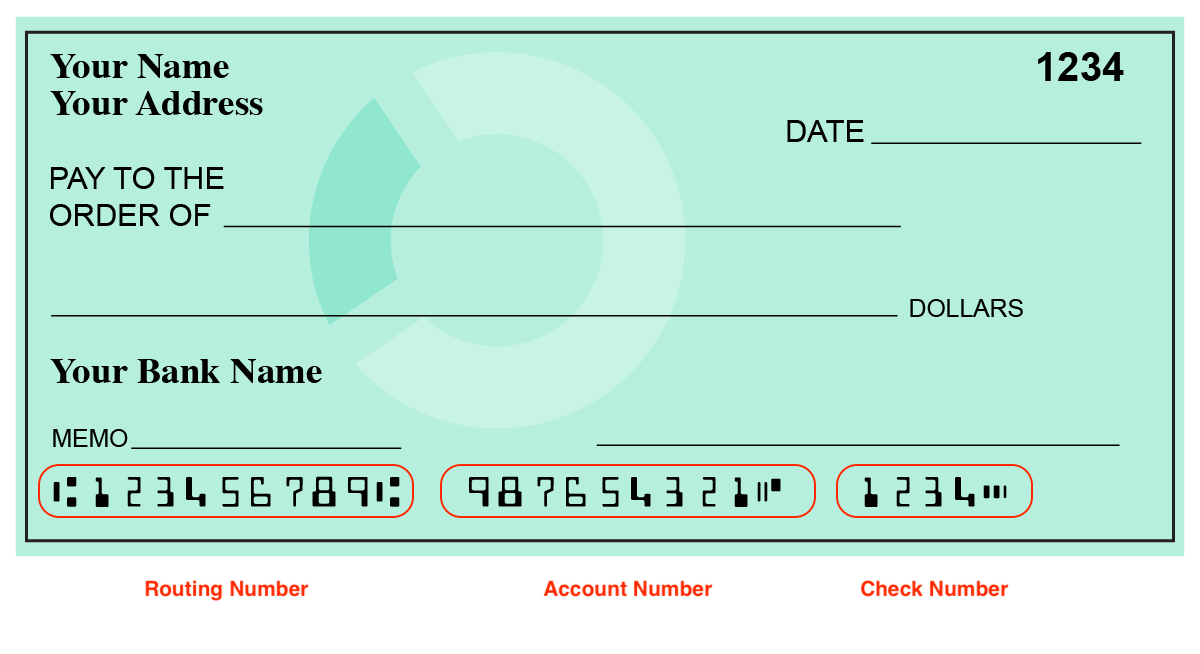
The most iconic way to find your routing and account numbers is by looking at a check. At the very bottom of any personal check, you will see a string of numbers printed in a specialized font known as MICR (Magnetic Ink Character Recognition). This allows machines to read the data quickly.
The numbers are arranged in three distinct groups:
-
The Routing Number: This is always the first nine-digit sequence on the left. It is flanked by a specific symbol that looks like a vertical bar and a colon.
-
The Account Number: This is the middle sequence. It is usually followed by a symbol that resembles a small square over a dash.
-
The Check Number: This is the shortest sequence, located on the far right. It matches the number in the top right corner of the check.
Deposit Slips and Correspondence
If you have a checkbook, the deposit slips at the back of the book also contain these numbers. However, be cautious: some banks use a different routing number for deposits than they do for outgoing transfers. If you are setting up a direct deposit, it is always safer to use the number found on the check itself or verified through an official bank representative.
Additionally, your original account opening documents—the paperwork you signed when you first joined the bank—will contain your full account number. While the routing number might have changed if the bank underwent a merger, the account number usually remains static unless the bank notifies you of a conversion.
Specialized Banking Scenarios
Not all banking transactions are created equal. Depending on the type of financial move you are making, the “standard” routing number might not be the correct one to use.
International Transfers: SWIFT and IBAN
If you are receiving money from an international source, your standard nine-digit ABA routing number will not suffice. Instead, the sender will likely ask for a SWIFT code (also known as a BIC) and possibly an IBAN (International Bank Account Number).
The SWIFT code is an 8 to 11-character alphanumeric code that identifies your bank on the global stage. While the United States does not officially use the IBAN system for domestic accounts, international banks often require it to process a transfer. In these cases, you should contact your bank’s international wire department to get the specific instructions for receiving foreign currency.
Wire vs. ACH Routing Numbers
Some large national banks use two different routing numbers: one for ACH transfers (like your paycheck or utility bills) and one for domestic wire transfers. Using an ACH routing number for a wire transfer can result in the transaction being rejected or delayed. Always check the “Wire Transfer Instructions” section of your bank’s website to ensure you are providing the correct routing code for the specific type of transaction.
Bank Mergers and Acquisitions
The banking industry is a landscape of constant consolidation. When one bank buys another, the routing numbers eventually change. Usually, there is a “grandfathering” period where both the old and new routing numbers work, but eventually, the old one is phased out. If your bank has recently changed its name or merged, verify your routing number to ensure that recurring payments are not interrupted.
Protecting Your Financial Data
Because the combination of an account and routing number can be used to withdraw funds (as seen in electronic check payments), protecting this data is a pillar of personal financial security.
Best Practices for Sharing Information
You should only share your account and routing numbers with verified entities. Legitimate uses include:
-
Your employer’s HR department for payroll.
-
Government agencies (like the IRS for tax refunds).
-
Established utility and insurance companies.
-
Reputable brokerage firms (for funding investment accounts).
Be wary of any “urgent” requests for these numbers over email or unverified phone calls. Phishing scams often involve a fraudster pretending to be a bank official or a utility provider asking to “update your payment info.”
Secure Storage
Never store your account numbers in a plain text file on your computer or in an unencrypted note on your phone. If you must keep a digital record, use a dedicated password manager that offers encrypted “Secure Notes.” If you keep physical checks, ensure they are stored in a locked drawer or a fireproof safe. When disposing of old checks or bank statements, always use a cross-cut shredder to prevent “dumpster diving” identity theft.
Monitoring for Unauthorized Transfers
Even with perfect security, breaches can happen. The best defense is proactive monitoring. Set up “Large Transaction” alerts on your mobile banking app so you receive a notification the moment a significant amount of money leaves your account via ACH or wire. Under Federal Regulation E, consumers have specific protections against unauthorized electronic transfers, but these protections often depend on reporting the fraud within a specific timeframe (usually 60 days from the statement date).
By mastering the retrieval and protection of your account and routing numbers, you gain greater control over your financial infrastructure. These numbers are more than just digits; they are the coordinates of your hard-earned wealth in the global financial grid. Whether you are building a side hustle, managing a corporate budget, or simply automating your monthly savings, having this information at your fingertips ensures your money moves exactly when and where you need it to.
aViewFromTheCave is a participant in the Amazon Services LLC Associates Program, an affiliate advertising program designed to provide a means for sites to earn advertising fees by advertising and linking to Amazon.com. Amazon, the Amazon logo, AmazonSupply, and the AmazonSupply logo are trademarks of Amazon.com, Inc. or its affiliates. As an Amazon Associate we earn affiliate commissions from qualifying purchases.