
In the modern landscape of personal finance, the ability to navigate digital banking platforms with precision is a foundational skill. Whether you are setting up a new direct deposit for a high-paying career, automating your monthly mortgage payments, or initiating a high-value wire transfer for an investment opportunity, the routing number is the silent engine of the transaction. For customers of JPMorgan Chase, one of the largest financial institutions in the world, understanding how to locate and use this nine-digit code is essential for seamless money management.

The routing transit number (RTN), often referred to as an ABA routing number, acts as a digital address for your bank. Just as a physical address ensures a letter reaches the correct house, the routing number ensures that funds are directed to the correct financial institution. Given Chase’s massive footprint across the United States, finding the specific number assigned to your account requires a bit of nuance, as these numbers can vary based on the state where you opened your account and the type of transaction you are performing.
Understanding the Role of Routing Numbers in Modern Finance
Before diving into the “how-to” of locating your information, it is vital to understand the strategic importance of the routing number within the broader financial ecosystem. Developed by the American Bankers Association (ABA) in 1910, the routing number was originally designed to facilitate the sorting and bundling of paper checks. Today, it serves as the backbone for the Automated Clearing House (ACH) network and wire transfer systems.
For the individual investor or professional, the routing number is the key to liquidating assets and moving capital. It is composed of nine digits: the first four identify the Federal Reserve check processing center, the next four identify the specific bank (in this case, Chase), and the final digit is a checksum used for error detection.
In the context of personal finance management, the routing number is utilized for:
-
Direct Deposits: Ensuring your salary, Social Security benefits, or tax refunds are credited to your account without delay.
-
Automatic Bill Pay: Connecting your utility providers, credit card issuers, and lenders directly to your checking account to avoid late fees.
-
External Transfers: Moving money between your Chase account and external brokerage accounts or high-yield savings accounts.
-
Wire Transfers: Facilitating the rapid movement of large sums for real estate closings or international business dealings.
Practical Methods to Locate Your Chase Routing Number
Chase provides several streamlined avenues for customers to access their routing information. Depending on whether you prefer digital interfaces or traditional paper records, you can find the necessary digits in less than a minute.
Using the Chase Mobile App
In an era where mobile-first banking is the norm, the Chase Mobile app is often the most convenient tool. Once you have authenticated your identity through biometric login or your passcode, follow these steps:
-
Select the specific checking or savings account for which you need the information.
-
Tap on the “See details” or “Account details” link, typically located near the top of the screen under your available balance.
-
Scroll down to the “Account information” section. Here, you will see both your account number (masked for security) and your nine-digit routing number.
Accessing via Chase Online Banking
For those managing their finances via a desktop or laptop, the Chase website offers a robust interface for data retrieval.
-
Log in to your account at Chase.com.
-
Click on the account you wish to view.
-
Look for the “Account services” or “More options” tab.
-
Select “Show details.” The routing number will be displayed alongside your account type and interest rate (if applicable).
Finding the Number on a Paper Check
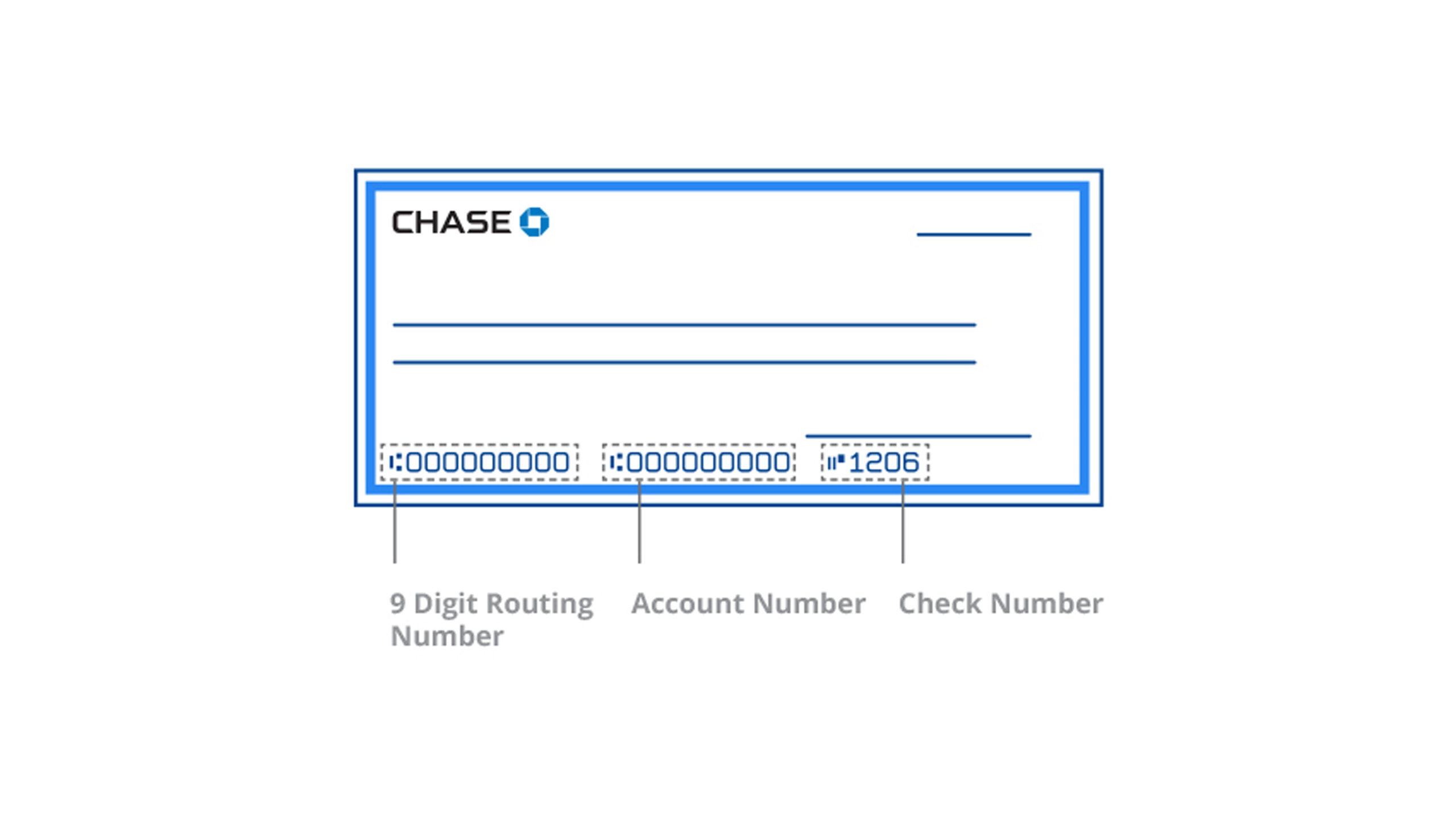
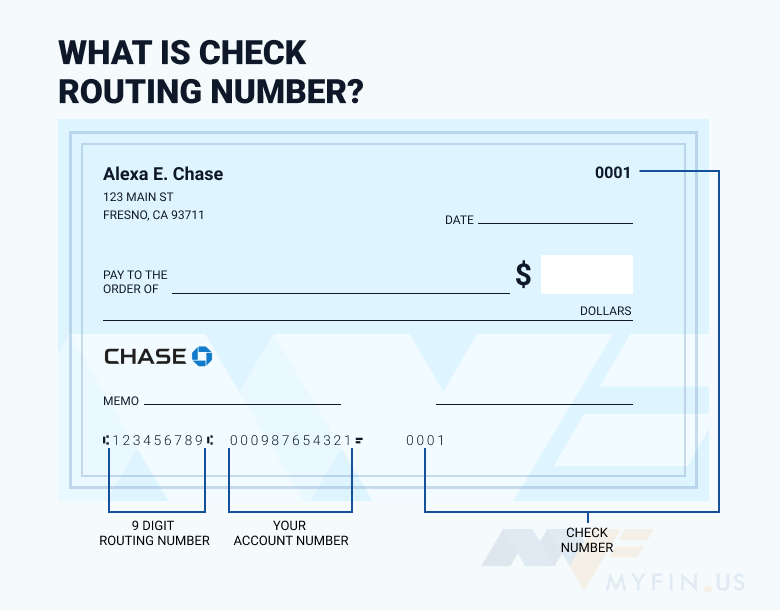
If you still use physical checks, the routing number is printed clearly at the bottom of every leaf. When looking at a check, you will see three sets of numbers at the bottom left. The first set of nine digits, usually bracketed by a unique symbol, is the routing number. The second set is your account number, and the third set is the specific check number. This method is foolproof and does not require an internet connection, making it a reliable backup for many account holders.
Reviewing Monthly Statements
Your monthly bank statement is a comprehensive record of your financial health, and it also contains your essential banking coordinates. Whether you receive a paper statement in the mail or download a PDF version from the “Statements & Documents” section of the Chase portal, the routing number is typically listed in the header information alongside your name and branch address.
The Nuance of State-Specific and Transaction-Specific Numbers
One of the most common pitfalls in personal finance management is the assumption that a bank has only one routing number. Because Chase is a national entity that has grown through decades of acquisitions and mergers, it utilizes different routing numbers based on the geographic location of the branch where the account was originally opened.
For instance, a Chase customer in New York will use a different routing number than a customer in Texas. When setting up automated systems, it is imperative to use the number associated with your specific account’s home state. If you use the wrong routing number, the transaction may be rejected, or worse, delayed during a time-sensitive financial move.
Electronic vs. Paper Routing Numbers
In some instances, Chase may distinguish between “Electronic” and “Paper” (or “Check”) routing numbers.
-
Electronic/ACH: Used for direct deposits and automatic withdrawals.
-
Wire Transfers: Often, Chase utilizes a specific, centralized routing number for all domestic wire transfers, regardless of the state where the account was opened. Before initiating a high-value wire, it is a professional best practice to verify the specific “Wire Routing Number” through the Chase help center or by speaking with a relationship manager. Using the standard ACH routing number for a wire transfer can result in the funds being returned and the sender being charged a reversal fee.
Security and Privacy: Safeguarding Your Financial Identity
While the routing number itself is not a “secret” (after all, it is printed on every check you write), it is a critical piece of the identity puzzle. In the hands of a malicious actor, the combination of your routing number and account number can be used to initiate unauthorized ACH withdrawals.
As you manage your financial tools, keep the following security protocols in mind:
-
Verify the Source: Never provide your routing and account numbers over the email or via text message unless you have initiated the contact and verified the recipient’s identity.
-
Monitor Your Accounts: Use Chase’s “Account Alerts” feature to receive real-time notifications of any withdrawals or transfers. If you see an unauthorized transaction initiated via your routing number, you have a limited window under federal law (Regulation E) to report it and recover your funds.
-
Secure Your Paper Checks: If you rarely use checks, keep your checkbook in a locked drawer or a home safe. When disposing of old checks or statements, always use a cross-cut shredder to prevent “dumpster diving” identity theft.
Optimizing Cash Flow with Routing Information
Once you have mastered the retrieval of your routing number, you can use it to optimize your personal or business cash flow. Sophisticated financial management involves more than just keeping money in an account; it involves the strategic movement of that money to maximize interest and utility.
Automating the “Pay Yourself First” Strategy
By providing your Chase routing number to your employer’s payroll department, you can often split your direct deposit. You can direct a portion of your salary to your Chase checking account for daily expenses and a fixed percentage to an external high-yield savings account or an investment brokerage. This automation removes the psychological barrier to saving and ensures your wealth grows consistently.
Consolidating Business Expenses
For entrepreneurs and freelancers, using your Chase routing number to link various fintech tools—such as payment processors, accounting software, and tax estimation tools—is vital. By centralizing your inflows and outflows through a single primary routing hub, you create a clear audit trail and simplify your year-end financial reporting.
In conclusion, while the search for a routing number might seem like a mundane administrative task, it is an essential component of professional financial management. By knowing how to quickly access this information via the Chase app, website, or physical records, and by understanding the distinctions between ACH and wire transfers, you empower yourself to navigate the global financial system with confidence and security. Whether you are building an emergency fund or managing a corporate portfolio, these nine digits are your gateway to financial mobility.
aViewFromTheCave is a participant in the Amazon Services LLC Associates Program, an affiliate advertising program designed to provide a means for sites to earn advertising fees by advertising and linking to Amazon.com. Amazon, the Amazon logo, AmazonSupply, and the AmazonSupply logo are trademarks of Amazon.com, Inc. or its affiliates. As an Amazon Associate we earn affiliate commissions from qualifying purchases.