
The digital revolution has fundamentally reshaped the way consumers interact with financial institutions. Gone are the days of scheduling appointments with bank managers and filling out stacks of physical paperwork to secure a line of credit. Today, the process of applying for a credit card is a streamlined, digital-first experience that can be completed in minutes from a smartphone or laptop. However, while the interface is simpler, the underlying financial principles and the importance of strategic selection remain as critical as ever. Understanding how to navigate the online application landscape is essential for anyone looking to build credit, earn rewards, or manage their liquidity effectively.
Preparing Your Financial Profile Before You Apply
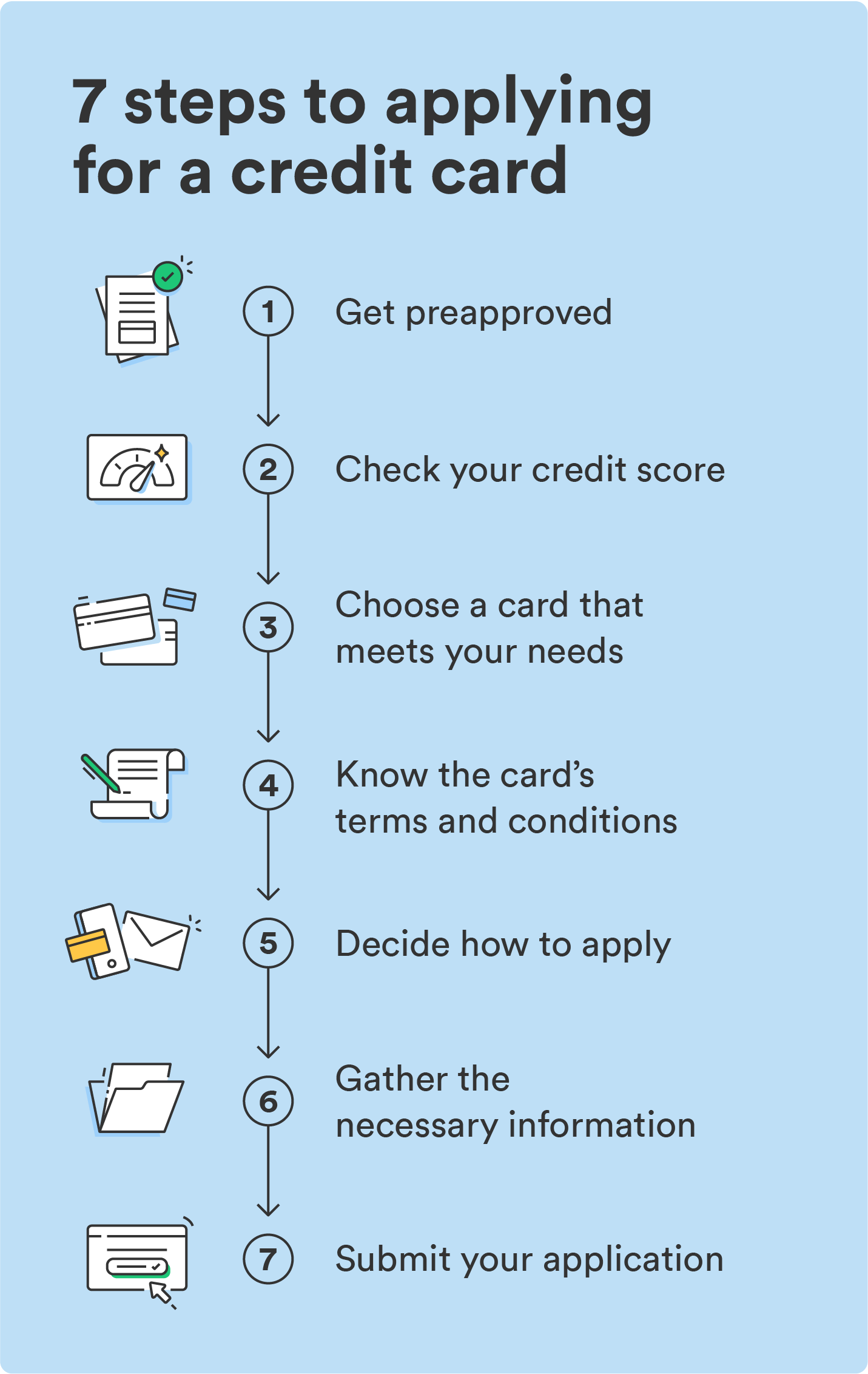
Before clicking the “Apply Now” button on a lender’s website, the most critical step is internal preparation. Applying for a credit card is not merely a data entry task; it is a formal request for an unsecured loan, and banks use sophisticated algorithms to assess the risk of every applicant.
Understanding Your Credit Score and Report
Your credit score is the single most influential factor in the approval process. Most major issuers rely on FICO scores or VantageScores to determine your creditworthiness. Before applying, you should access your credit report from the three major bureaus—Equifax, Experian, and TransUnion.
Online applications often trigger a “hard inquiry” on your credit report, which can temporarily lower your score by a few points. Therefore, you must ensure your score aligns with the requirements of the card you are targeting. Premium rewards cards typically require a “good” to “excellent” score (700+), while secured cards or student cards are designed for those with limited or “fair” credit.
Gathering Necessary Documentation
To ensure the online form is completed accurately and without timeout errors, have your financial information ready. You will typically need:
-
Personal Identification: Social Security Number (SSN) or Individual Taxpayer Identification Number (ITIN).
-
Income Verification: Your total annual gross income. This includes salary, but can also include investment dividends, retirement benefits, or alimony in certain jurisdictions.
-
Contact Information: A permanent physical address (banks rarely accept P.O. boxes for initial applications), email address, and phone number.
-
Employment Details: The name of your current employer and your current job title.
The Power of Pre-Qualification Tools
One of the best advancements in online banking is the “pre-qualification” or “pre-approval” tool. Many major issuers allow you to submit a basic set of information to see which cards you are likely to be approved for without a hard pull on your credit report. Utilizing these tools is a professional strategy to minimize unnecessary hits to your credit score while narrowing down your options to the most viable financial products.
Selecting the Right Financial Product for Your Goals
The “best” credit card does not exist in a vacuum; it only exists in relation to your specific financial goals. The online marketplace is saturated with options, making it necessary to categorize cards based on their primary utility.
Cash Back and Daily Utility Cards
For the pragmatist, cash back cards offer a straightforward return on spending. These cards often feature tiered rewards, such as 3% back on groceries, 2% on gas, and 1% on all other purchases. When applying online, look for cards with no annual fee if your goal is simple, cost-effective credit management.
Travel and Premium Rewards
Travel enthusiasts often gravitate toward cards that earn points or miles. These products frequently come with significant sign-up bonuses—often requiring a specific amount of “minimum spend” within the first three months. While these cards offer lucrative perks like lounge access and travel insurance, they often carry high annual fees. It is vital to calculate whether your projected spending and travel habits justify the cost of the card before submitting your application.
Balance Transfer and Low APR Cards
If your primary goal is debt consolidation or managing a large upcoming purchase, focus on cards offering a 0% introductory APR period. These applications require close attention to the “Schumer Box”—the standardized table of rates and fees required by law. Pay specific attention to the length of the introductory period (usually 12 to 21 months) and the balance transfer fees, which typically range from 3% to 5% of the transferred amount.

Navigating the Online Application Process
Once you have identified the appropriate card and prepared your data, the actual application process is a structured sequence of digital steps.
Step 1: Accessing the Official Secure Portal
Always apply directly through the bank’s official website or a reputable financial comparison site. Ensure the URL begins with “https://” and displays a padlock icon, signifying that your sensitive data—especially your Social Security Number—is encrypted during transmission. Avoid clicking on credit card offers in unsolicited emails, as these are common vectors for phishing.
Step 2: Inputting Data and Financial Accuracy
As you fill out the online form, accuracy is paramount. Discrepancies between your application and your credit report can lead to automatic denials or requests for manual verification, which delays the process. For example, ensure your income is stated as a gross (pre-tax) figure rather than net pay, as this provides a more accurate representation of your debt-to-income ratio to the lender.
Step 3: Reviewing the Terms and Conditions
Before the final submission, the portal will present the full cardmember agreement. While many skip this, you should verify the “Late Payment Fee,” the “Variable APR for Purchases,” and the “Penalty APR.” Understanding the consequences of a missed payment is a hallmark of responsible financial management.
Step 4: The Instant Decision Engine
Modern financial tech allows for “instant approval” in many cases. After you click submit, the issuer’s software runs a rapid check against credit bureaus and internal risk models. Within 30 to 60 seconds, you will usually receive one of three outcomes:
-
Approved: You will see your credit limit and your card will arrive by mail within 5-10 business days. Some banks provide a virtual card number immediately for online shopping.
-
Pending/Further Review: This does not mean a denial. The bank may need to verify your identity or income manually.
-
Declined: If declined, the bank is legally required under the Fair Credit Reporting Act (FCRA) to send you an “Adverse Action Notice” explaining why, including the specific credit score used in the decision.
Post-Application Management and Best Practices
Securing the card is only the beginning. The way you manage the account in the first 90 days is crucial for your long-term relationship with the lender and your overall financial health.
Activation and Digital Integration
Upon receiving your physical card, you must activate it via the bank’s mobile app or website. This is also the ideal time to set up your online account access. Professional money management dictates that you should immediately enable two-factor authentication (2FA) and set up “Push Notifications” for every transaction. This provides a real-time defense against unauthorized charges.
Setting Up Autopay
To maintain a perfect payment history—the largest component of your credit score—set up an automatic payment for at least the minimum balance. However, the optimal strategy for wealth building is to pay the “statement balance” in full every month to avoid interest charges entirely. By doing this, you are essentially using the bank’s money for free while reaping the rewards of the card’s points or cash back systems.
Monitoring Credit Utilization
Your credit limit is not a suggestion of how much you should spend. Financial experts recommend keeping your credit utilization ratio below 30%, and ideally below 10%, of your total available limit. For instance, if your new online-approved card has a $5,000 limit, try to keep your reported balance under $500. This demonstrates to lenders that you can handle credit responsibly without being dependent on it.
The Strategic Importance of Online Credit Tools
Applying for a credit card online is more than a convenience; it is an entry point into a broader ecosystem of financial tools. Modern credit apps offer built-in credit monitoring, spending analytics, and even “shop through the portal” bonuses that can double or triple your rewards.
By treating the online application as a deliberate, researched financial move rather than an impulsive click, you position yourself to leverage debt as a tool for growth rather than a burden. Whether you are seeking to maximize travel miles for a dream vacation or simply looking to stabilize your monthly cash flow, the digital application process is the gateway to sophisticated personal finance management in the 21st century. Always remember that every application is a footprint on your financial journey; make sure each one leads toward your long-term goals of stability and wealth accumulation.
aViewFromTheCave is a participant in the Amazon Services LLC Associates Program, an affiliate advertising program designed to provide a means for sites to earn advertising fees by advertising and linking to Amazon.com. Amazon, the Amazon logo, AmazonSupply, and the AmazonSupply logo are trademarks of Amazon.com, Inc. or its affiliates. As an Amazon Associate we earn affiliate commissions from qualifying purchases.