
Opening a new bank account marks a pivotal step in managing your personal finances effectively. In today’s digital age, the process has become more accessible and streamlined than ever, with major institutions like Chase offering comprehensive online application options. This guide delves into the strategic financial considerations and practical steps involved in establishing a Chase bank account from the comfort of your home, focusing on how this decision can integrate into and enhance your broader financial strategy.
Understanding Your Financial Needs Before Opening a Chase Account
Before embarking on the application process, it’s crucial to align your banking choice with your personal financial objectives. A bank account isn’t just a place to hold money; it’s a fundamental tool for budgeting, saving, investing, and managing daily transactions.

Why Choose Chase?
Chase Bank stands as one of the largest financial institutions globally, offering a vast array of services that cater to diverse financial needs. Its widespread presence, both physically and digitally, coupled with a robust suite of financial products, makes it a compelling choice for many. From a personal finance perspective, choosing Chase often means access to:
-
Extensive ATM and Branch Network: Providing peace of mind for cash access and in-person banking needs, even as digital banking gains prominence.
-
Comprehensive Digital Tools: Award-winning mobile banking apps and online platforms that facilitate budgeting, bill payment, transfers, and investment management, all critical components of modern financial stewardship.
-
Diverse Product Offerings: Beyond standard checking and savings, Chase offers credit cards, mortgages, investment services, and financial advisory, allowing for a consolidated financial ecosystem.
-
Customer Support: A large institution often translates to extensive customer support channels, crucial for resolving financial inquiries promptly.
The decision to bank with Chase should be viewed through the lens of how its offerings can simplify your financial life, provide growth opportunities for your wealth, and support your day-to-day money management with efficiency and security.
Deciphering Account Types: Checking vs. Savings for Your Goals
Chase offers various account types, each designed for specific financial functions. Understanding the distinctions is paramount to selecting the right account(s) for your financial strategy.
Chase Total Checking®
This is typically the cornerstone of most individuals’ banking relationships. A checking account is designed for everyday transactions: receiving direct deposits, paying bills, making purchases with a debit card, and withdrawing cash. From a financial management standpoint, a Chase Total Checking® account offers:
-
Accessibility: Immediate access to funds for daily expenses.
-
Bill Payment Features: Tools to schedule recurring payments, helping to manage cash flow and avoid late fees.
-
Budgeting Integration: Often provides transaction categorization and spending insights within the online banking platform, aiding in budget adherence.
-
Direct Deposit Convenience: Enables seamless receipt of paychecks, government benefits, or other regular income, often unlocking fee waivers.
Choosing a checking account involves considering its monthly service fees, which can often be waived by maintaining a minimum balance, setting up direct deposits, or linking other Chase accounts. These waivers are important financial considerations to maximize your funds.
Chase Savings℠
A savings account serves a different, but equally vital, financial purpose: accumulating funds for future goals and building an emergency reserve. While often offering lower interest rates than some online-only alternatives, a Chase Savings℠ account integrates well within a Chase financial ecosystem and offers:
-
Emergency Fund Development: A secure, liquid place to store funds for unexpected expenses, a cornerstone of sound personal finance.
-
Goal-Oriented Savings: Facilitates saving for specific objectives like a down payment, vacation, or education, often with features to track progress.
-
Interest Earning Potential: While modest, funds held in savings accounts accrue interest, contributing to passive growth.
-
Seamless Transfers: Easy movement of funds between your Chase checking and savings accounts for effective cash management.
Strategically, pairing a checking account for spending with a savings account for accumulating wealth provides a balanced approach to managing your finances.
The Strategic Advantages of Online Account Opening
The ability to open a bank account online is not merely a convenience; it offers significant strategic advantages from a financial planning perspective.
Convenience and Accessibility in Personal Finance Management
Opening an account online eliminates geographical barriers and time constraints. You can initiate the process from anywhere, at any time, fitting it around your schedule rather than a bank’s operating hours. This accessibility is crucial for individuals with busy lifestyles, those who reside far from a physical branch, or anyone prioritizing efficient time management in their financial dealings. The immediate availability of your new account information online means quicker access to funds and faster integration into your existing financial framework.
Leveraging Digital Tools for Enhanced Financial Control
The online application process is often your first interaction with a bank’s digital infrastructure. By opening an account online, you inherently engage with and become proficient in using the digital tools that Chase provides. These tools are central to modern financial control:
-
Online Banking Portals: Provide a comprehensive view of all your accounts, transaction history, and statements, empowering informed decision-making.
-
Mobile Banking Apps: Offer on-the-go access to balances, transfers, bill payments, and mobile check deposits, enabling real-time financial management.
-
Alerts and Notifications: Customizable alerts for low balances, large transactions, or direct deposits help you stay on top of your financial health and prevent overdrafts or fraud.
Embracing these digital tools from the outset helps build habits that foster greater financial awareness and control over your money.
Security and Compliance in Digital Banking
While the convenience of online banking is undeniable, questions about security are natural. Chase, like other major financial institutions, employs advanced security protocols to protect your personal and financial information during the online application process and beyond. This includes:
-
Encryption: Protecting data transmission between your device and Chase’s servers.
-
Secure Authentication: Multi-factor authentication layers to verify your identity.
-
Fraud Monitoring: Sophisticated systems to detect and prevent unauthorized activity.
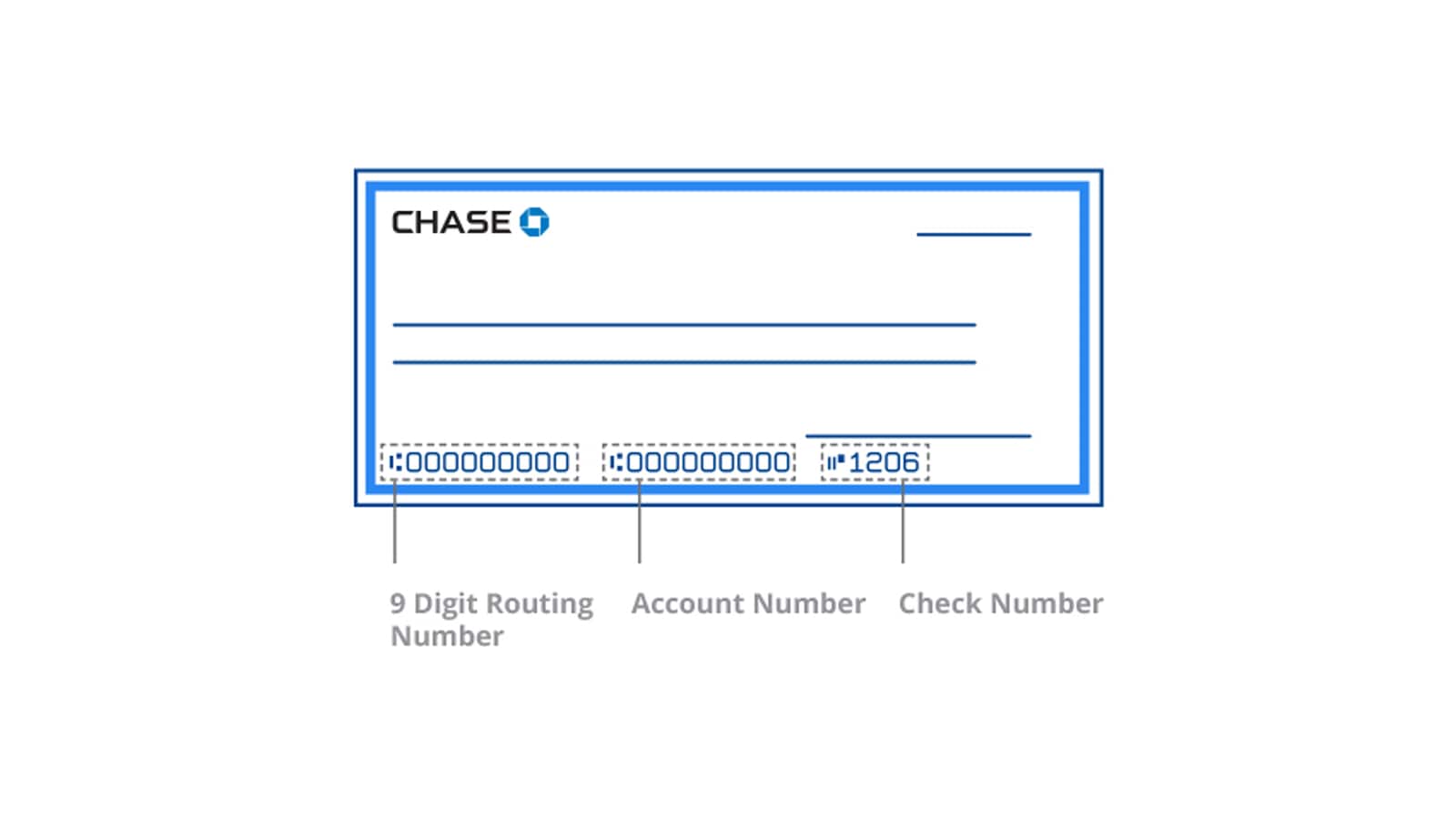
From a personal finance standpoint, understanding these security measures provides confidence that your sensitive information is being handled responsibly, allowing you to focus on your financial goals rather than security anxieties.
Navigating the Online Application Process: A Financial Checklist
The online application for a Chase bank account is designed to be straightforward, but preparing in advance can streamline the process and prevent delays. Think of it as a financial checklist to ensure smooth onboarding.
Essential Documents and Information for Financial Verification
To comply with regulatory requirements (like the USA Patriot Act, which requires financial institutions to verify the identity of their customers to help the government fight the funding of terrorism and money laundering activities), Chase will require specific identifying information. This is critical for both security and legal compliance. You will typically need:
-
Government-Issued Photo ID: Such as a driver’s license, state ID, or passport. Ensure it is current and clearly legible.
-
Social Security Number (SSN) or Individual Taxpayer Identification Number (ITIN): This is fundamental for tax reporting and identity verification.
-
Current U.S. Residential Address: Proof of address may be required, though often your ID suffices.
-
Date of Birth: To confirm you meet age requirements.
-
Contact Information: Phone number and email address for communication.
Having these details readily accessible before you begin the online application will expedite the process and prevent interruptions.
Meeting Eligibility Requirements
Beyond the documentation, there are general eligibility criteria:
-
Age: You must typically be at least 18 years old to open an individual bank account. For minors, joint accounts with an adult may be an option.
-
U.S. Residency: Chase generally requires applicants to be U.S. citizens or resident aliens with a valid SSN or ITIN.
-
Prior Banking History: While not always a hard barrier, a history of mishandling accounts (e.g., numerous overdrafts, closed accounts due to negative balances) reported to services like ChexSystems might impact eligibility. It’s an important consideration for maintaining a positive financial reputation.
Funding Your New Account and Setting Up Initial Financial Habits
Once your application is approved, you’ll need to fund your new account. This initial deposit can typically be made via:
-
Electronic Transfer: From an existing bank account.
-
Debit Card: From another financial institution.
-
Mobile Check Deposit: Using Chase’s mobile app.
This initial deposit is not just a procedural step; it’s the beginning of establishing sound financial habits. Immediately consider setting up:
-
Direct Deposit: To automate your income flow, which can often help waive monthly service fees.
-
Automatic Transfers: Between your Chase checking and savings accounts to build your emergency fund or save for specific goals.
These actions cement your new account into your financial routine and leverage its capabilities from day one.
Optimizing Your Chase Account for Long-Term Financial Success
Opening the account is merely the first step. To truly harness its power, you must actively manage and integrate it into your overarching financial strategy.
Managing Fees and Avoiding Common Pitfalls
Bank fees can erode your balances and undermine your financial goals if not managed properly. Be thoroughly aware of:
-
Monthly Service Fees: Understand the requirements to waive these (e.g., minimum balance, direct deposit, linked accounts). Proactively meet these criteria.
-
Overdraft Fees: Set up overdraft protection or alerts to avoid spending more than you have available. Link your checking to a savings account for automatic transfers to cover shortages.
-
ATM Fees: Utilize Chase’s extensive network of ATMs to avoid out-of-network charges.
Diligent fee management is a simple yet effective way to optimize your banking relationship and retain more of your earnings.
Integrating Chase Accounts into Your Overall Financial Strategy
A Chase bank account should not operate in isolation. Integrate it into your broader financial ecosystem:
-
Budgeting Apps: Connect your Chase accounts to popular budgeting software (e.g., Mint, YNAB) to track spending and categorize transactions automatically.
-
Investment Links: If you have investments with Chase (e.g., through Chase Self-Directed Investing or J.P. Morgan Wealth Management), leverage the seamless transfers between your banking and investment accounts.
-
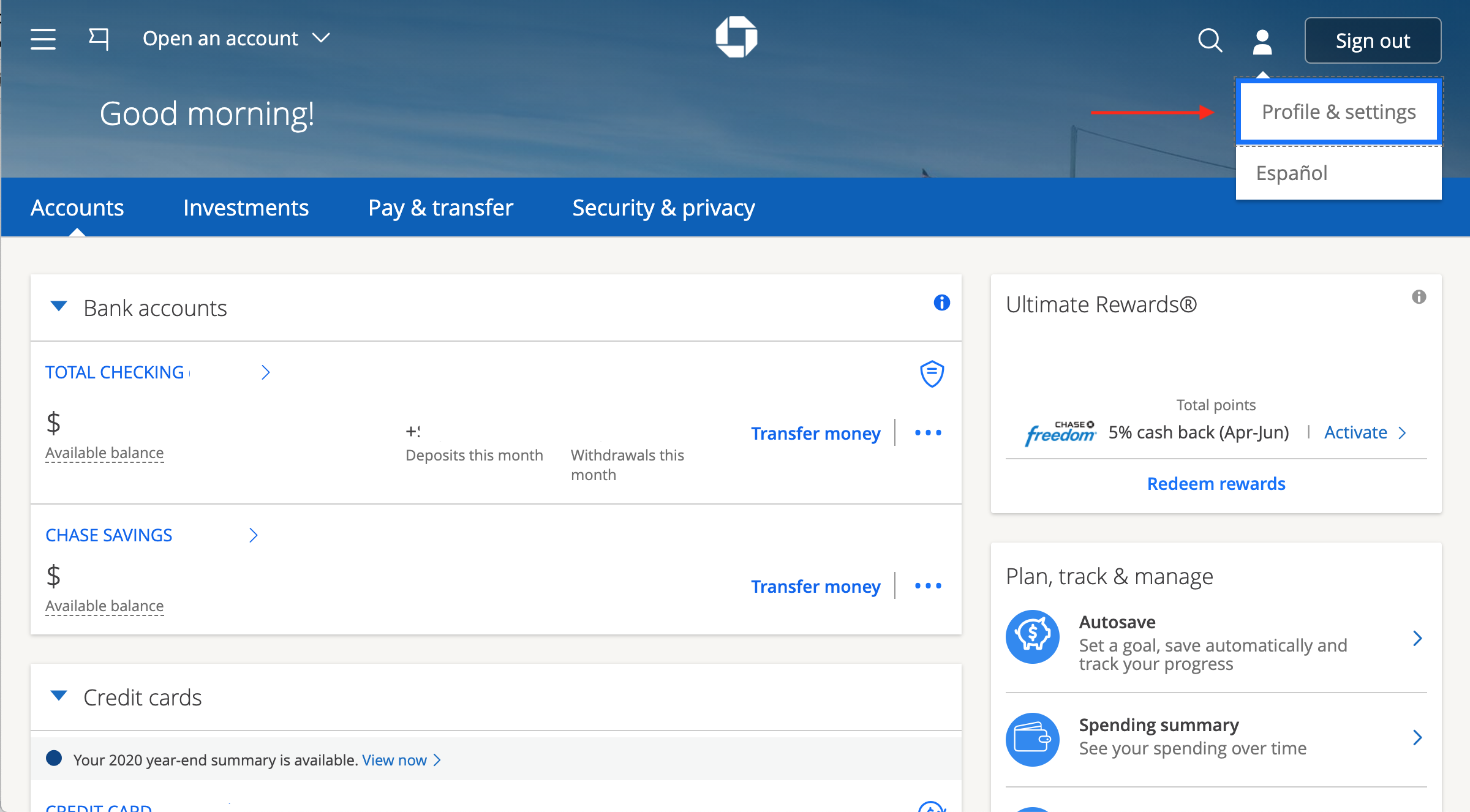
Credit Card Synergy: If you also have Chase credit cards, managing them alongside your bank accounts within the same platform offers a holistic view of your financial standing and helps streamline payments.
This integrated approach provides a clearer picture of your net worth, cash flow, and financial progress.
Harnessing Chase’s Financial Tools and Resources
Chase offers various tools and resources designed to help customers manage their money more effectively:
-
Credit Journey: Free credit score access and monitoring, helping you understand and improve your credit health.
-
Spending & Budgeting Tools: Features within the online banking platform to visualize your spending, create budgets, and track progress against financial goals.
-
Educational Resources: Articles, videos, and workshops on personal finance topics, from saving and budgeting to investing and retirement planning.
-
Financial Advisors: For more complex financial planning needs, Chase provides access to financial advisors who can offer personalized guidance.
Actively engaging with these resources can empower you to make more informed financial decisions and accelerate your journey toward financial well-being. By thoughtfully choosing, funding, and managing your Chase bank account, you establish a solid foundation for achieving your personal finance goals.
aViewFromTheCave is a participant in the Amazon Services LLC Associates Program, an affiliate advertising program designed to provide a means for sites to earn advertising fees by advertising and linking to Amazon.com. Amazon, the Amazon logo, AmazonSupply, and the AmazonSupply logo are trademarks of Amazon.com, Inc. or its affiliates. As an Amazon Associate we earn affiliate commissions from qualifying purchases.