
In an increasingly digital world, managing our financial obligations can feel like a perpetual juggle. From utility bills and mortgage payments to subscription services and credit card statements, the sheer volume of payments can be overwhelming. Enter BillPay – a ubiquitous financial service that has transformed the way individuals and businesses handle their recurring and one-time financial commitments. Far more than just a convenience, BillPay has become an indispensable tool for financial wellness, offering a blend of efficiency, control, and strategic financial planning.
This article delves into the essence of BillPay, exploring its definition, various forms, inherent benefits, and how it integrates into a comprehensive financial strategy. We will unpack why understanding and effectively utilizing BillPay is not just about paying bills, but about empowering yourself with greater financial control and peace of mind.
The Core Concept of BillPay: Simplifying Financial Obligations
At its heart, BillPay is a service that allows you to make payments to creditors or service providers, typically electronically, from your bank account or another designated financial source. It’s designed to streamline the payment process, moving beyond traditional methods like writing checks or manually processing payments.
Defining BillPay: More Than Just Paying Bills
While the name suggests a simple transaction, BillPay encompasses a broad range of functionalities aimed at automating, tracking, and simplifying your outgoing payments. It’s an ecosystem designed to ensure timely payments, prevent late fees, and provide a clear overview of your financial outflows. Instead of logging into multiple vendor websites or mailing physical checks, BillPay consolidates these actions, often into a single platform. This consolidation is not just about convenience; it’s about creating a centralized hub for managing financial liabilities, reducing cognitive load, and minimizing the risk of missed payments.
The Evolution of Payments: From Checks to Clicks
Historically, paying bills was a labor-intensive process. It involved receiving paper statements, writing checks, stuffing envelopes, applying postage, and mailing them – a ritual that consumed significant time and resources. The advent of the internet and digital banking revolutionized this landscape. Early online BillPay systems emerged as an extension of internet banking, allowing customers to initiate payments electronically. Over time, these systems have grown more sophisticated, integrating with mobile devices, offering advanced scheduling options, and even providing payment confirmations and dispute resolution mechanisms. This evolution underscores a broader societal shift towards digital financial management, driven by the desire for instant access, greater control, and enhanced efficiency.
Who Benefits from BillPay? Individuals and Businesses Alike
The utility of BillPay extends across the financial spectrum. For individuals, it transforms the tedious task of bill management into an automated, worry-free process, freeing up time and reducing financial stress. It’s particularly beneficial for those with multiple monthly obligations, helping them stay organized and avoid the pitfalls of overlooked due dates.
For businesses, BillPay is an invaluable component of financial operations. It facilitates timely payments to vendors, suppliers, and service providers, maintaining healthy relationships and often securing early payment discounts. It enhances cash flow management by providing predictable outflow schedules and contributes to more accurate financial reporting. Small businesses, in particular, often leverage BillPay features within their accounting software or banking portals to manage expenses efficiently without requiring dedicated accounting staff for manual payment processing.
Types of BillPay Systems and How They Work
The landscape of BillPay is diverse, with several common systems catering to different user preferences and needs. Understanding these variations is key to choosing the most suitable approach for your financial management.
Online Banking BillPay: Your Financial Hub
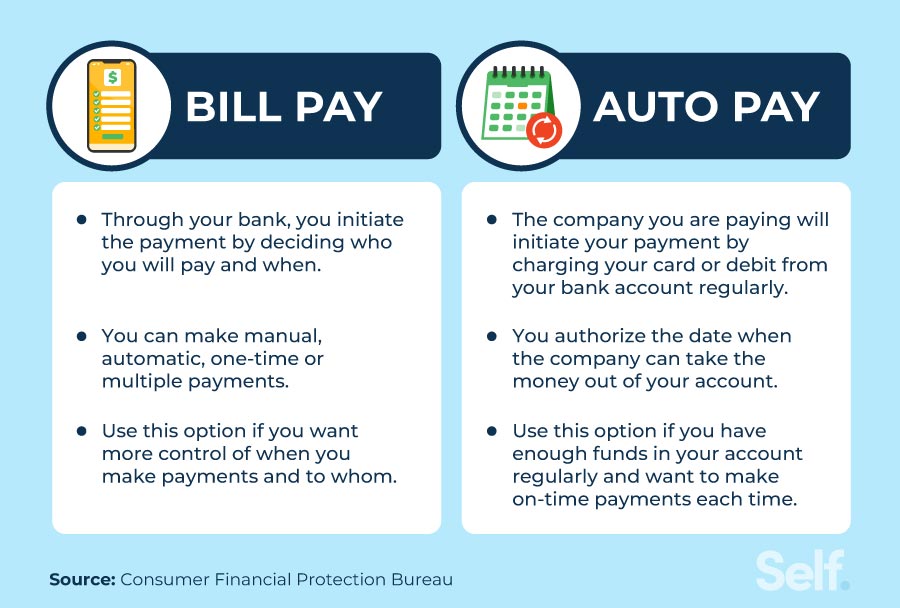
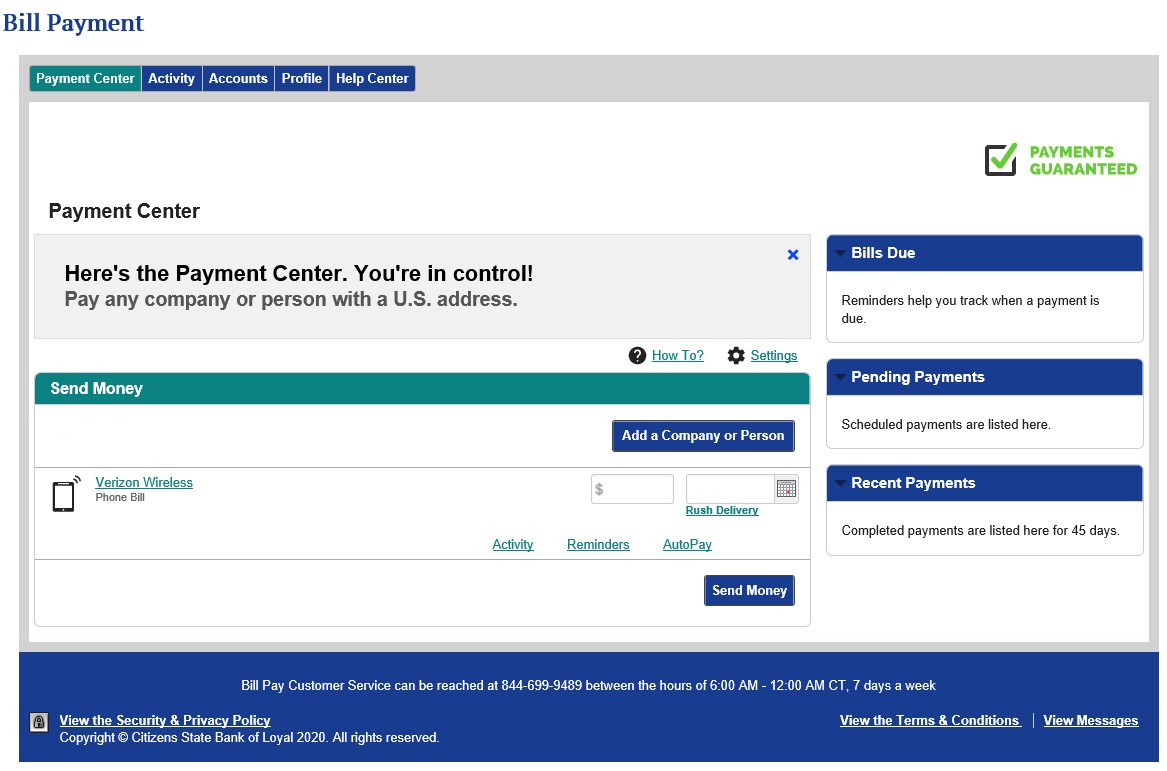
The most common form of BillPay is offered directly through your bank or credit union. Once enrolled in online banking, customers can set up payees (companies or individuals they wish to pay) and schedule payments. The bank then initiates the transfer of funds. This system is highly integrated with your existing accounts, allowing for easy tracking of payments and balances. Banks often facilitate payments in one of two ways: either by electronically transferring funds directly to the payee’s account (ACH transfer) or, in rarer cases for smaller vendors, by printing and mailing a physical check on your behalf. The primary advantage here is centralization – managing your accounts and payments from a single, trusted platform.
Third-Party Payment Services: Convenience Beyond Your Bank
Beyond traditional banking platforms, numerous third-party payment services and apps have emerged, offering similar or enhanced BillPay functionalities. Platforms like PayPal, Venmo (for certain types of payments), or specialized bill management apps (e.g., Prism, Mint) allow users to consolidate bills from various providers and schedule payments. These services often boast user-friendly interfaces, advanced budgeting tools, and the ability to link multiple bank accounts and credit cards. While convenient, it’s crucial to vet these services for security and reliability, as they act as intermediaries between your funds and your payees.
Direct Debits and Autopay: The Hands-Off Approach
Direct debits, often referred to as autopay or automatic payments, represent one of the simplest forms of BillPay. Here, you authorize a service provider (e.g., your utility company, landlord, or subscription service) to automatically withdraw funds from your bank account or charge your credit card on a predetermined schedule. This method is incredibly convenient as it requires minimal ongoing intervention once set up. It’s highly effective for fixed monthly expenses like rent, loan payments, or insurance premiums. However, users must ensure sufficient funds are available to avoid overdraft fees and regularly review statements for any erroneous charges.
Mobile BillPay: Managing Finances on the Go
With the proliferation of smartphones, mobile BillPay has become an essential component of modern financial management. Most banks and third-party services offer robust mobile applications that allow users to schedule, review, and manage payments directly from their devices. Many apps also incorporate features like bill reminders, payment history, and even the ability to pay bills by simply snapping a photo of the invoice. This accessibility empowers users to stay on top of their finances anytime, anywhere, integrating bill management seamlessly into their daily routines.
Unlocking the Benefits: Why BillPay is Essential for Financial Health
The appeal of BillPay extends far beyond mere transactional ease. Its strategic implementation can significantly bolster an individual’s or business’s financial health by providing a suite of benefits that address common financial challenges.
Time Savings and Enhanced Convenience
The most immediate and apparent benefit of BillPay is the immense time it saves. Eliminating the need to manually write checks, address envelopes, or visit multiple vendor websites frees up valuable time that can be redirected to other productive or leisure activities. The convenience of scheduling payments at any time of day, from any location with internet access, aligns perfectly with the demands of modern life, offering flexibility that traditional methods simply cannot match.

Avoiding Late Fees and Penalties
Late fees can silently erode financial stability, accumulating quickly and often carrying high interest rates. BillPay, particularly when utilizing scheduled or automatic payments, virtually eliminates the risk of missing a due date. This proactive approach ensures payments are made on time, safeguarding your credit score, avoiding unnecessary charges, and preserving your hard-earned money. For businesses, avoiding late payments helps maintain good vendor relationships and can prevent service interruptions.
Improved Budgeting and Financial Control
BillPay platforms often provide a clear overview of upcoming payments, payment history, and even categorizations of expenses. This visibility is invaluable for effective budgeting. By knowing exactly what is due and when, individuals and businesses can better plan their cash flow, allocate funds, and identify areas for potential savings. The ability to schedule payments in advance also allows for proactive financial planning, ensuring funds are available when needed and preventing last-minute financial surprises.
Enhanced Security and Record-Keeping
Electronic payments are generally more secure than mailing checks, which can be lost or intercepted. BillPay systems employ robust encryption and security protocols to protect sensitive financial information. Furthermore, most platforms maintain a digital record of all transactions, including payment dates, amounts, and payee information. This digital audit trail is incredibly useful for reconciling accounts, resolving disputes, and preparing for tax season, offering a level of traceability that paper records often lack.
Environmental Benefits: Going Paperless
Beyond the financial advantages, BillPay contributes to environmental sustainability. By enabling paperless billing and electronic payments, it reduces the demand for paper, envelopes, and postage, thus lowering carbon footprints associated with mail delivery. This eco-friendly aspect resonates with a growing number of individuals and businesses committed to sustainable practices.
Navigating the Nuances: Best Practices and Potential Pitfalls
While BillPay offers substantial advantages, maximizing its benefits requires careful setup and ongoing vigilance. Understanding best practices and potential pitfalls is crucial for a smooth and secure experience.
Setting Up BillPay: A Step-by-Step Guide
-
Gather Your Bills: Compile all your regular bills, noting the payee name, account number, payment amount, and due date.
-
Choose Your Platform: Decide whether to use your bank’s BillPay service, a third-party app, or a combination of direct debits.
-
Add Payees: Enter the required information for each biller into your chosen BillPay system.
-
Schedule Payments: Set up one-time or recurring payments, paying close attention to the due date and allowing sufficient processing time (often 2-5 business days).
-
Enable Reminders: Many platforms offer email or text reminders for upcoming payments, which can be a valuable safeguard.
-
Go Paperless: Opt for e-bills directly from your service providers to minimize paper clutter and ensure you receive statements promptly.
Ensuring Accuracy and Preventing Errors
Even with automation, human error can occur during setup. Always double-check payee details, account numbers, and payment amounts. After scheduling, review the confirmation and keep an eye on your account activity to ensure payments are processed correctly. If using automatic payments, periodically verify that the amount being debited matches your expected bill, especially for services with variable rates.
Security Considerations and Protecting Your Data
While generally secure, users must remain vigilant.
-
Strong Passwords: Use unique, complex passwords for your banking and BillPay accounts.
-
Two-Factor Authentication (2FA): Enable 2FA wherever possible to add an extra layer of security.
-
Secure Networks: Only access BillPay from secure, trusted networks, avoiding public Wi-Fi for sensitive transactions.
-
Phishing Awareness: Be wary of suspicious emails or messages purporting to be from your bank or biller, never clicking on unsolicited links.
-
Monitor Accounts: Regularly review bank statements and BillPay transaction history for any unauthorized activity.
Reconciling Payments and Maintaining Records
Despite digital convenience, it’s good practice to periodically reconcile your payments against your statements. This helps catch discrepancies, track expenses accurately, and ensures your financial records are up-to-date. Most BillPay systems allow you to download transaction histories, which can be imported into budgeting software or spreadsheets for comprehensive financial analysis.
Integrating BillPay into Your Holistic Financial Strategy
BillPay is not just a standalone service; it’s a powerful component that, when integrated thoughtfully, can significantly enhance your overall financial strategy, contributing to goals far beyond simply settling debts.
BillPay as a Tool for Debt Management
For individuals grappling with credit card debt or multiple loans, BillPay can be strategically employed. By automating minimum payments, it ensures these debts are serviced on time, preventing late fees and negative impacts on credit scores. More proactively, it can be used to schedule additional principal payments, accelerating debt reduction and saving on interest over the long term. This systematic approach transforms debt repayment from a reactive chore into a deliberate, automated process.
Automating Savings and Investments Through BillPay Logic
The logic behind BillPay – automated, scheduled transfers – can be ingeniously applied to savings and investments. Many banks allow you to set up recurring transfers from your checking account to a savings account, investment portfolio, or even a retirement fund. By treating savings as a “bill” that must be paid first each month, individuals can effectively “pay themselves first,” building wealth systematically and consistently without requiring conscious effort each time. This automation is a cornerstone of effective personal finance and long-term wealth accumulation.
The Future of BillPay: AI, Open Banking, and Instant Payments
The evolution of BillPay is far from over. Future advancements promise even greater efficiency and integration:
-
Artificial Intelligence (AI): AI-powered BillPay could offer predictive insights, suggesting optimal payment times to maximize interest earnings or avoid overdrafts, and even flagging unusual spending patterns.
-
Open Banking and APIs: Increased integration through open banking initiatives could allow for a more seamless exchange of financial data between various financial institutions and third-party apps, creating a truly unified financial management experience.
-
Instant Payments: The move towards real-time payment systems (like RTP in the US or Faster Payments in the UK) will mean BillPay transactions are processed almost instantaneously, further reducing uncertainty and improving cash flow management.
In conclusion, BillPay has cemented its role as an essential financial tool, transforming the tedious process of paying bills into an efficient, secure, and strategically valuable component of modern financial management. By embracing its capabilities and adhering to best practices, individuals and businesses can gain unprecedented control over their financial obligations, paving the way for greater financial stability and the pursuit of broader financial goals.
aViewFromTheCave is a participant in the Amazon Services LLC Associates Program, an affiliate advertising program designed to provide a means for sites to earn advertising fees by advertising and linking to Amazon.com. Amazon, the Amazon logo, AmazonSupply, and the AmazonSupply logo are trademarks of Amazon.com, Inc. or its affiliates. As an Amazon Associate we earn affiliate commissions from qualifying purchases.