
Managing your credit card effectively is a cornerstone of sound personal finance. A critical component of this management is understanding the various methods available to pay your credit card bill and choosing the one that best fits your financial habits and security preferences. This guide delves into the mechanisms of credit card payments, offering insights into optimizing your approach to avoid fees, build a strong credit history, and maintain financial wellness.
Understanding Your Credit Card Statement
Before you even consider how to pay, it’s essential to understand what you’re paying. Your credit card statement is a detailed summary of your account activity for a specific billing cycle. Reading it carefully can prevent errors and help you track your spending.
Key Information to Locate
Your statement typically includes:
-
Statement Date: The date your billing cycle ended and the statement was generated.
-
Payment Due Date: The deadline by which your payment must be received by the issuer. Missing this date can result in late fees and negative impacts on your credit score.
-
New Balance: The total amount you owe for the billing cycle, including new purchases, cash advances, interest, and fees.
-
Minimum Payment Due: The smallest amount you must pay by the due date to avoid late fees and keep your account in good standing. This is typically a small percentage of your total balance.
-
Interest Rate (APR): The annual percentage rate applied to your outstanding balance.
-
Transaction Details: A list of all purchases, payments, and credits made during the billing cycle.
-
Previous Balance: The outstanding balance from your last statement.
-
Credit Limit and Available Credit: Your total borrowing limit and how much you have left to spend.
Minimum Payment vs. Full Balance
A crucial distinction lies between paying the minimum amount due and paying your full balance. While making the minimum payment avoids late fees, it often means carrying a balance forward, which accrues interest. Paying the full statement balance each month is the ideal strategy, as it helps you avoid interest charges entirely (if you pay within the grace period) and prevents debt from accumulating. Only paying the minimum can lead to a long cycle of debt, where a significant portion of your payment goes towards interest rather than reducing the principal.
Due Dates and Grace Periods
The payment due date is non-negotiable. Credit card issuers typically provide a grace period, which is the time between the end of your billing cycle and your payment due date. If you pay your entire statement balance by the due date, you won’t be charged interest on new purchases made during that cycle. However, if you carry a balance, new purchases will typically start accruing interest immediately.
Common Methods for Credit Card Bill Payment
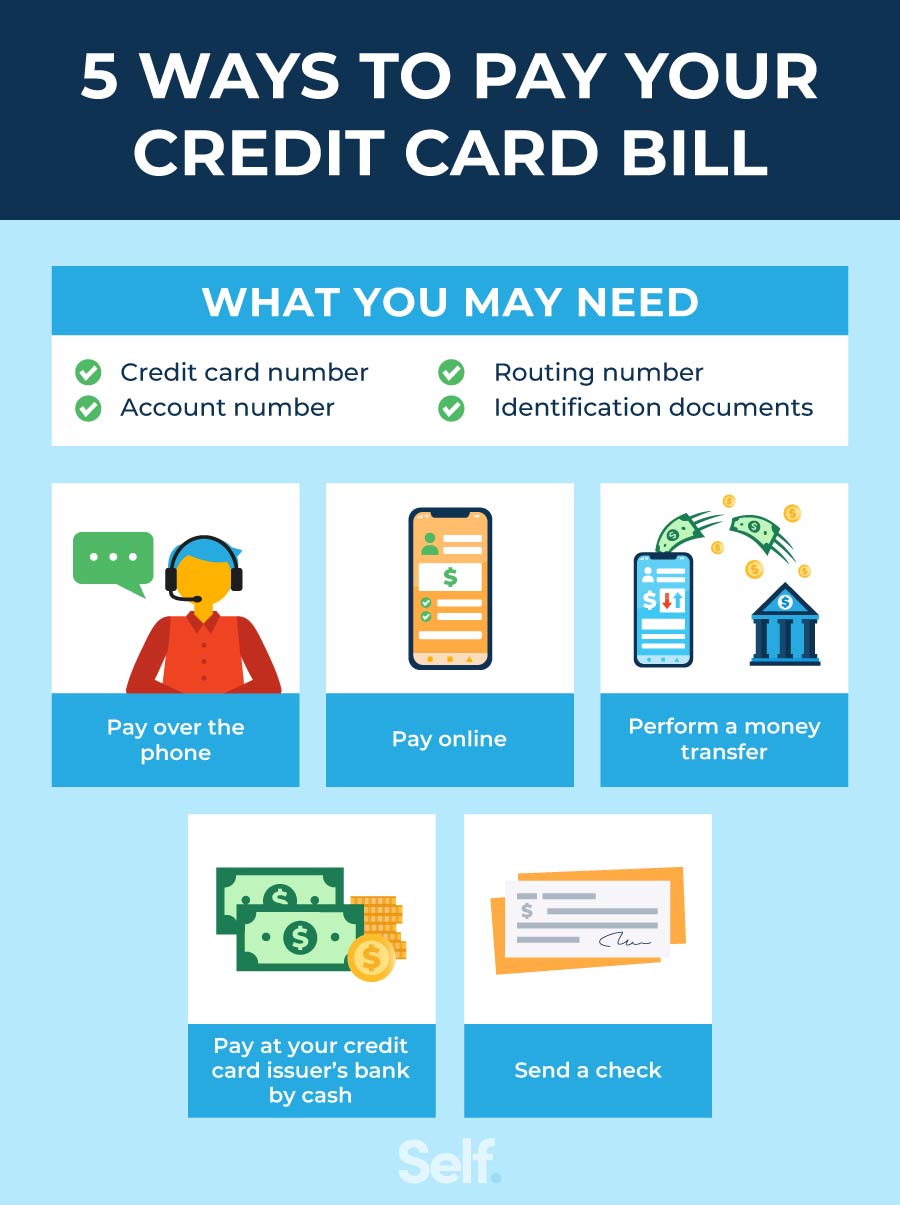
Credit card companies offer a variety of ways to pay your bill, catering to different preferences for convenience, speed, and security.
Online Banking and Mobile Apps
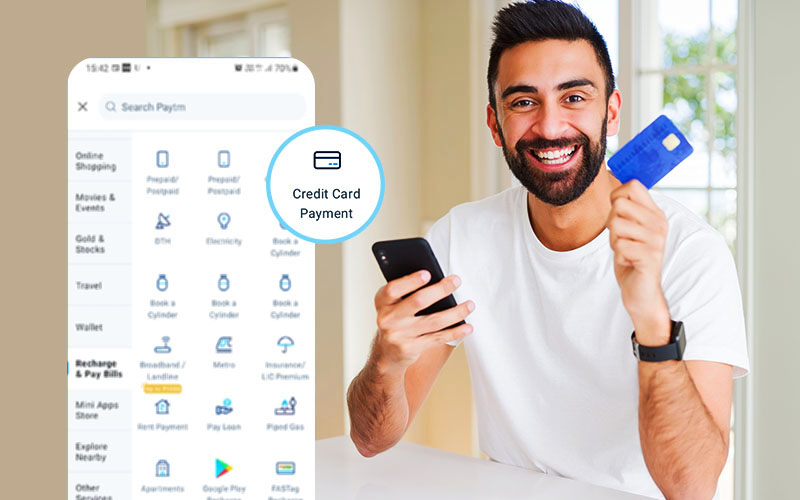
This is arguably the most popular and convenient method. Most credit card issuers provide robust online portals and dedicated mobile applications.
-
How it works: Log in to your account, navigate to the “payments” or “bill pay” section, enter the amount you wish to pay, select your linked bank account, and confirm the transaction. Payments are typically processed within 1-3 business days.
-
Advantages: Fast, convenient, available 24/7, allows for scheduling future payments, and you can easily view your transaction history and statements.
-
Considerations: Requires a secure internet connection and careful management of your login credentials. Always ensure you are on the official website or app.
Direct Debit/Automatic Payments
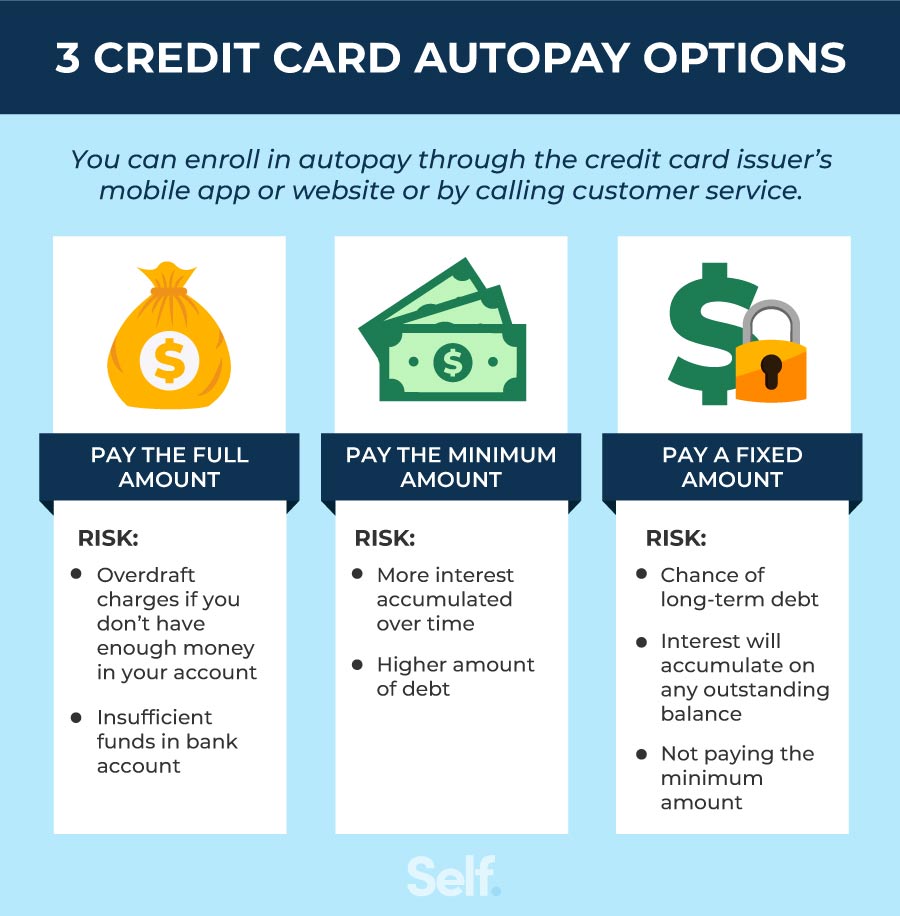
Setting up automatic payments ensures you never miss a due date.
-
How it works: You authorize your credit card issuer to automatically deduct a specified amount (e.g., minimum payment, statement balance, or a fixed amount) from your linked bank account on or before the due date each month.
-
Advantages: Eliminates the risk of late payments, saves time, and provides peace of mind.
-
Considerations: Requires sufficient funds in your linked bank account to avoid overdraft fees. Regularly monitor your account to ensure the correct amount is being deducted, especially if your balance fluctuates.
Phone Payments
You can usually pay your credit card bill over the phone, either through an automated system or by speaking with a customer service representative.
-
How it works: Dial the customer service number on the back of your card or on your statement. You’ll typically need your credit card number, your bank account details (routing and account numbers), and the payment amount.
-
Advantages: Useful for urgent payments or if you prefer human interaction.
-
Considerations: Some issuers may charge a fee for phone payments, especially if made through a representative. Be aware of operating hours for live agents.
Mail-in Payments
While less common now, paying by mail remains an option for those who prefer traditional methods.
-
How it works: Write a check or money order for the payment amount, include the payment stub from your statement, and mail it to the address provided by your issuer.
-
Advantages: No need for internet access, provides a physical record.
-
Considerations: This is the slowest method. Mail can be delayed, so send your payment well in advance of the due date (at least 7-10 business days). Lost mail can also be an issue.
In-Person Payments
Some credit card companies allow you to make payments in person at bank branches or affiliated payment centers.
-
How it works: Visit a participating branch (often if your credit card is issued by a major bank) or a designated payment location (like certain retail stores that offer bill payment services). You’ll typically need your credit card account number and cash or a check.
-
Advantages: Provides immediate confirmation of payment, useful for those who prefer cash or don’t use online banking.
-
Considerations: Availability varies by issuer and location. May involve travel time and potential fees at third-party locations.
Third-Party Payment Services
Some online services or apps allow you to pay various bills, including credit cards, from one platform.
-
How it works: You link your bank accounts and credit card accounts to the third-party service, which then facilitates the payment.
-
Advantages: Centralized bill management.
-
Considerations: Always verify the security and legitimacy of any third-party service. Check for processing fees and ensure they reliably process payments in a timely manner.
Strategies for Effective Credit Card Management
Paying your bill is just one piece of the puzzle. Effective management involves strategic financial planning.
Paying More Than the Minimum
Always strive to pay more than the minimum payment. If possible, pay the entire statement balance. This significantly reduces the amount of interest you pay over time, helps you pay off debt faster, and improves your debt-to-income ratio, which is favorable for your credit score.
Setting Up Payment Reminders
Even with automatic payments, it’s wise to set up additional reminders. Your credit card issuer might send email or SMS alerts before the due date. You can also use personal calendar reminders or budgeting apps to ensure you’re aware of upcoming payments, especially if you manually pay your bill.
Consolidating Debt
If you have multiple credit card debts accruing high interest, consider debt consolidation. This might involve transferring balances to a new credit card with a lower (or 0%) introductory APR, or taking out a personal loan at a lower interest rate to pay off your cards. This can simplify payments and reduce overall interest costs, but it requires discipline to avoid accumulating new debt.
Understanding Interest Charges
Interest is the cost of borrowing money. If you carry a balance, interest will be applied. Understand how your APR works (fixed vs. variable), and be aware of penalty APRs that can kick in if you miss payments. High interest rates can make it incredibly difficult to pay off debt if you only make minimum payments.
Emergency Funds and Financial Planning
A robust emergency fund can prevent you from relying on credit cards for unexpected expenses. Having 3-6 months’ worth of living expenses saved can protect you from financial shocks and keep your credit card balances low. Incorporate credit card payments into your overall monthly budget to ensure you allocate sufficient funds.
What Happens if You Miss a Payment?
Missing a credit card payment can have significant and lasting negative consequences on your financial health.
Late Fees and Penalty APRs
The immediate consequence of a missed payment is typically a late fee, which can be substantial. Furthermore, many credit card agreements include a “penalty APR” clause, meaning your interest rate could skyrocket to 25-30% or more on existing and new balances, making it even harder to pay down debt.
Impact on Credit Score
Payment history is the single most important factor in your credit score, accounting for 35% of the FICO score. A payment reported 30 days or more past due can severely damage your credit score, potentially by dozens of points. This negative mark can remain on your credit report for up to seven years, affecting your ability to get favorable rates on loans, mortgages, or even rent apartments.
Collections and Default
If you consistently miss payments, your account may eventually be sent to a collections agency. This can lead to persistent calls and letters, and further damage your credit score. If your account goes into default, the issuer may close your account and pursue legal action to recover the debt.
Proactive Communication with Your Issuer
If you foresee difficulties in making a payment on time, contact your credit card issuer immediately. They may be willing to work with you, offering temporary hardship programs, adjusted payment plans, or waiving a late fee if it’s your first instance. Open communication is always better than ignoring the problem.
Choosing the Best Payment Strategy for You
The “best” way to pay your credit card bill depends on your individual circumstances, technological comfort, and financial discipline.
Convenience vs. Cost
Online and automatic payments offer unparalleled convenience, often at no direct cost. Phone payments can be convenient for urgent needs but may incur fees. Mail and in-person payments are less convenient but might be preferred by those who handle finances offline. Evaluate which method saves you time, reduces stress, and avoids unnecessary fees.
Security Considerations
When making payments, always prioritize security. Use strong, unique passwords for online accounts. Be wary of phishing scams that try to trick you into revealing your account details. Only use official apps and websites for payments. If paying by mail, ensure your check is secure and avoid sending cash.
Building Good Financial Habits
Regardless of the method you choose, consistency is key. Make paying your credit card bill a priority. Regularly review your statements, monitor your spending, and adjust your budget as needed. By understanding your options and committing to timely, sufficient payments, you can leverage your credit card as a powerful financial tool rather than a source of stress.
aViewFromTheCave is a participant in the Amazon Services LLC Associates Program, an affiliate advertising program designed to provide a means for sites to earn advertising fees by advertising and linking to Amazon.com. Amazon, the Amazon logo, AmazonSupply, and the AmazonSupply logo are trademarks of Amazon.com, Inc. or its affiliates. As an Amazon Associate we earn affiliate commissions from qualifying purchases.