
Acquiring a new credit card is a significant financial milestone that, when executed correctly, serves as a powerful tool for building wealth, securing consumer protections, and maximizing the value of every dollar spent. However, the process is more nuanced than simply filling out a digital form. It requires a strategic assessment of your current financial standing, a deep understanding of the credit ecosystem, and a discerning eye for the terms and conditions that govern revolving credit. Whether you are a first-time applicant or a seasoned investor looking to optimize your rewards portfolio, the following roadmap details the essential steps to obtaining and managing a new line of credit.
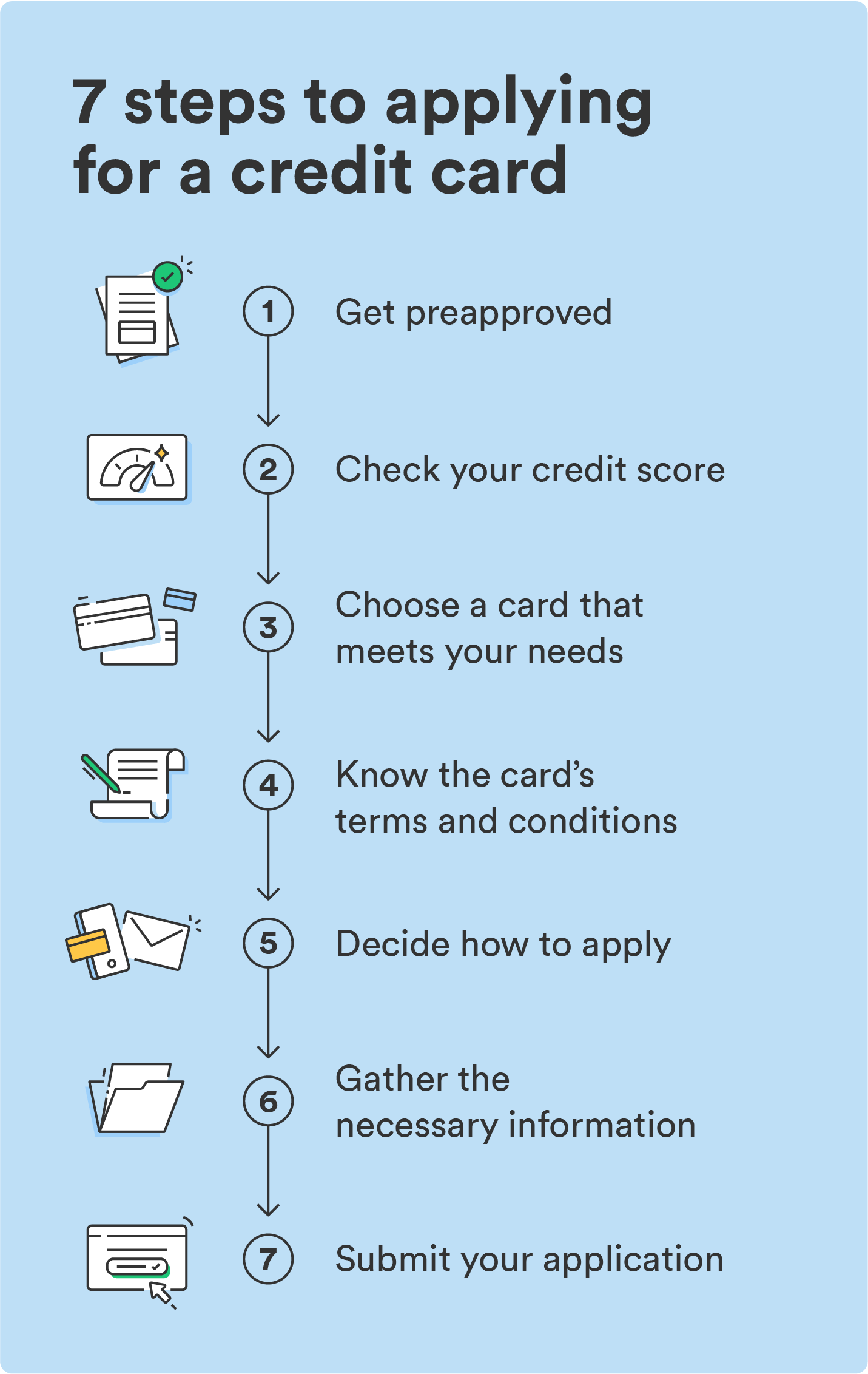
Evaluating Your Credit Readiness and Financial Objectives
Before submitting an application, you must conduct a thorough audit of your financial profile. Lenders use specific metrics to determine your creditworthiness, and knowing where you stand will help you avoid unnecessary “hard” inquiries that can temporarily lower your credit score.
Understanding Your Credit Score and Report
Your FICO score or VantageScore is the primary filter used by financial institutions. Scores typically range from 300 to 850. Applicants with “Excellent” credit (740+) generally have access to the lowest interest rates and the most lucrative rewards programs. Those with “Good” credit (670–739) qualify for most standard cards, while individuals in the “Fair” or “Poor” ranges may need to look toward secured cards or credit-builder products.
It is vital to pull your credit report from the three major bureaus—Equifax, Experian, and TransUnion—to ensure there are no inaccuracies. Disputing errors before applying for a new card can result in a score boost that moves you into a higher tier of eligibility.
Defining Your Primary Goal
Not all credit cards are created equal, and your choice should align with your immediate financial needs. Are you looking to:
-
Build or Rebuild Credit? Focus on cards with high approval odds and low barriers to entry.
-
Maximize Rewards? Look for high earn rates on categories where you spend the most, such as groceries, dining, or travel.
-
Consolidate Debt? Seek out cards offering a 0% introductory APR on balance transfers.
-
Fund a Large Purchase? Look for cards with a 0% introductory APR on new purchases for 12 to 21 months.
By identifying your objective early, you narrow the field from thousands of available cards to a select few that provide the highest utility.
Choosing the Right Credit Instrument for Your Profile
The credit card market is segmented into several niches designed for specific consumer behaviors. Understanding these categories is essential for selecting a card that complements your lifestyle.
Rewards and Cash Back Cards
Rewards cards are designed for consumers who pay their balances in full each month. These cards offer points, miles, or cash back on every purchase. Cash back cards provide a straightforward percentage return (typically 1% to 6%), while travel rewards cards offer points that can be redeemed for flights, hotel stays, or transferred to partner loyalty programs. The “effective value” of these rewards often offsets any annual fees, provided your spending volume is sufficient.
Balance Transfer and Low-Interest Cards
For those carrying high-interest debt on existing cards, a balance transfer card is a strategic tool for debt management. These cards allow you to move a balance from a high-interest account to a new one with a 0% introductory period. While these often come with a one-time transfer fee (usually 3% to 5%), the savings on interest payments over 12 to 18 months can be substantial.
Secured vs. Unsecured Cards
If you are new to credit or recovering from financial setbacks, a secured card is often the most viable path. These require a refundable security deposit that serves as your credit limit. Because the deposit mitigates the lender’s risk, approval is much more likely. Unsecured cards, the most common type, do not require a deposit and are granted based on your credit history and income.
Student and Retail Cards
Student cards are tailored for young adults with limited credit history, often offering modest rewards and educational resources. Retail or “store” cards are easier to qualify for but typically come with lower credit limits and significantly higher interest rates. Use these sparingly and primarily for the initial sign-up discounts.
The Step-by-Step Application Roadmap
Once you have identified a card that matches your profile and goals, the application process begins. Accuracy and timing are critical components of a successful application.

Utilizing Pre-Qualification Tools
Many major issuers offer pre-qualification or pre-approval tools on their websites. These tools use a “soft” credit pull, which does not affect your credit score, to provide an estimate of your likelihood of approval. While pre-qualification is not a guaranteed approval, it is a highly reliable indicator of whether you meet the issuer’s basic criteria.
Gathering Necessary Information
To complete the application, you will need to provide specific personal and financial data. This includes:
-
Personal Identification: Full legal name, Social Security Number (SSN) or Individual Taxpayer Identification Number (ITIN), and date of birth.
-
Contact Information: Physical address (not a P.O. box), email, and phone number.
-
Financial Details: Gross annual income, source of income, and monthly housing payment (rent or mortgage).
Under the Credit Card Accountability Responsibility and Disclosure (CARD) Act, applicants over age 21 can include “accessible income,” which may include a spouse’s or partner’s income, provided they have a reasonable expectation of access to those funds.
Navigating the Approval Decision
After submitting your application, you will receive one of three outcomes:
-
Instant Approval: You are immediately granted a credit line and will receive your card in 7–10 business days.
-
Pending/Under Review: The issuer requires more time to verify your information or manual underwriting is needed.
-
Denial: If declined, the lender is legally required to send an “Adverse Action Notice” explaining the reasons for the denial and which credit bureau provided the data.
If denied, you may contact the issuer’s reconsideration line. This allows you to speak with a human representative, clarify any discrepancies, and provide additional context regarding your financial situation, which can sometimes reverse the decision.
Mastering the Terms and Conditions
The “Schumer Box” is a standardized table included with every credit card agreement that summarizes the costs associated with the card. You must read this carefully to avoid unexpected expenses.
Interest Rates (APR)
The Annual Percentage Rate (APR) is the cost of borrowing money if you carry a balance. Most cards have variable APRs based on the Prime Rate. Note the difference between the Purchase APR, Balance Transfer APR, and the much higher Penalty APR, which may be triggered by late payments.
Fees and Penalties
Look beyond the annual fee. Be aware of foreign transaction fees (essential for international travelers), late payment fees, and over-limit fees. Additionally, check for “hidden” costs like cash advance fees, which often carry a higher interest rate and have no grace period.
Understanding Grace Periods
The grace period is the time between the end of your billing cycle and the date your payment is due. If you pay your statement balance in full by the due date, the issuer will not charge interest on new purchases. Mastering the grace period is the key to using a credit card as a free short-term loan.
Maximizing Approval Success and Long-Term Management
Getting the card is only the beginning. Maintaining the account properly ensures that your credit score continues to climb, allowing for even better financial opportunities in the future.
Improving Your Approval Odds
If you find your credit score is on the cusp of a higher tier, wait 30 to 60 days before applying. During this time, reduce your existing credit utilization (the ratio of your balances to your limits) to below 10%. High utilization is often a red flag to lenders, signaling potential financial distress even if you pay your bills on time.
Responsible Utilization and Payment Habits
Once your new card arrives, activate it and set up autopay for at least the minimum amount due to ensure you never miss a deadline. However, the optimal strategy for wealth building is to pay the entire statement balance every month. This avoids interest charges entirely while allowing you to reap the full benefit of rewards and cash back.
Monitoring for Fraud and Security
Digital security is paramount. Utilize the card issuer’s mobile app to set up real-time transaction alerts. This allows you to immediately identify and dispute unauthorized charges. Most modern credit cards offer “Zero Liability” protection, meaning you are not held responsible for fraudulent activity if reported promptly.
By approaching the acquisition of a new credit card with a disciplined, analytical mindset, you transform a simple piece of plastic into a sophisticated engine for financial growth. Selecting the right product, understanding the legalities of the agreement, and maintaining impeccable payment habits are the cornerstones of successful personal finance management in the modern era.
aViewFromTheCave is a participant in the Amazon Services LLC Associates Program, an affiliate advertising program designed to provide a means for sites to earn advertising fees by advertising and linking to Amazon.com. Amazon, the Amazon logo, AmazonSupply, and the AmazonSupply logo are trademarks of Amazon.com, Inc. or its affiliates. As an Amazon Associate we earn affiliate commissions from qualifying purchases.