
Credit One Bank often emerges in conversations surrounding personal finance, particularly for individuals navigating the complexities of credit building or rebuilding. Distinct from its more widely recognized counterpart, Capital One, Credit One has carved out a specific niche within the financial services landscape, primarily serving consumers who may have limited credit history or less-than-perfect credit scores. Understanding “who is Credit One” requires a deeper dive into its operational model, product suite, and its place in the broader credit market.
Credit One Bank: An Overview and Its Niche
Credit One Bank, headquartered in Las Vegas, Nevada, operates as a technology- and data-driven financial services company. Founded in 1984, it has grown to become a significant issuer of credit cards, particularly for consumers typically categorized as subprime or near-prime borrowers. This strategic focus differentiates Credit One from many mainstream financial institutions that primarily target prime and super-prime credit holders. Their business model is built around leveraging proprietary analytical tools and data to assess risk and offer credit products to a segment of the population often underserved by traditional lenders.
A Focus on the Subprime Market
The subprime market encompasses individuals with FICO scores generally below 670. These consumers often struggle to qualify for credit cards with favorable terms from major banks due to past financial missteps, bankruptcy, or simply a lack of established credit history. Credit One Bank steps into this gap, providing access to credit, albeit often with terms that reflect the higher perceived risk. By extending credit to this demographic, Credit One plays a role in financial inclusion, offering a pathway for individuals to build or repair their credit profiles. However, this comes with specific responsibilities and potential costs that borrowers must be acutely aware of.
Differentiating from “Capital One”
A common point of confusion arises due to the similar names of “Credit One” and “Capital One.” It is crucial for consumers to understand that these are two entirely separate financial institutions with distinct ownership, operations, and product portfolios. Capital One is a much larger, full-service bank offering a wide range of financial products, including checking accounts, savings accounts, auto loans, and various credit cards across all credit tiers. Credit One Bank, conversely, is primarily focused on credit card issuance, predominantly within the subprime and near-prime markets. Misidentifying the two can lead to confusion regarding account management, customer service, and understanding specific product terms.
Understanding Credit One’s Product Offerings
Credit One Bank’s product line is almost exclusively composed of credit cards. These cards are designed to cater to their target demographic, often featuring elements intended to attract those with lower credit scores. The key to navigating these offerings successfully lies in understanding the specific terms, fees, and mechanisms by which they operate, particularly in the context of credit building.
Secured vs. Unsecured Cards
Credit One offers both unsecured and, less frequently, secured credit cards. Unsecured cards, which do not require a cash deposit, are the primary focus of their offerings. These cards are typically extended based on the applicant’s credit profile, often utilizing pre-qualification processes. While the absence of a deposit can be appealing, these cards usually come with higher Annual Percentage Rates (APRs) and various fees. Secured cards, on the other hand, require a cash deposit that often acts as the credit limit, providing a lower-risk option for both the issuer and the cardholder, and sometimes offering more favorable terms. For individuals with very poor credit, a secured card, whether from Credit One or another issuer, can be a safer and more effective starting point for credit reconstruction.
Common Card Features: Annual Fees, APRs, Rewards Programs
Credit One cards are characterized by several common features. A recurring element is the presence of an annual fee, which can vary significantly depending on the specific card and the applicant’s creditworthiness. Unlike many prime credit cards that waive annual fees, Credit One’s fees are often non-negotiable and deducted from the initial credit limit or charged annually.
The APRs on Credit One cards are typically higher than those found on prime credit products, reflecting the elevated risk associated with their target market. While this is common for subprime cards, carrying a balance on these cards can quickly lead to substantial interest accumulation, impacting financial health.
Interestingly, many Credit One cards also feature rewards programs, often in the form of cashback on eligible purchases, frequently in specific categories like gas or groceries. While rewards can be a welcome perk, consumers should carefully weigh the value of these rewards against the annual fees and high APRs. For many, the primary goal should be credit building rather than maximizing rewards.
The Draw of Pre-Approval Offers
Credit One frequently uses pre-approval offers to attract potential customers. These offers are typically generated through soft credit inquiries, which do not impact a credit score, making them appealing to those wary of hard inquiries. While a pre-approval indicates a high likelihood of approval, it is not a guarantee. These offers often highlight attractive features like cashback rewards or a low initial credit limit, but consumers must read the fine print to understand all associated costs and terms before applying.
Navigating Credit One’s Fee Structure and Terms
Understanding the full financial implications of a Credit One credit card extends beyond just the APR and annual fee. The overall cost of borrowing and the potential for accumulating debt are significantly influenced by a comprehensive suite of fees and specific terms outlined in the cardholder agreement. Diligent review of these details is paramount for responsible financial management.
Annual Fees and Other Charges
As noted, annual fees are a common characteristic of Credit One cards. These fees can range from tens to hundreds of dollars and are often charged as soon as the account is opened, sometimes reducing the initial available credit limit. Beyond the annual fee, cardholders should be aware of other potential charges, including:
-
Late Payment Fees: Missing a payment due date will incur a fee, potentially escalating to higher amounts for subsequent late payments.
-
Cash Advance Fees: Using the card for a cash advance typically incurs an immediate fee (a percentage of the advance or a minimum dollar amount), and interest usually begins accruing instantly at a higher APR.
-
Foreign Transaction Fees: For purchases made outside the United States, a percentage fee of the transaction amount is often applied.
-
Over-Limit Fees: While many issuers have moved away from automatically allowing transactions that exceed the credit limit, some Credit One cards may still allow this with an associated fee, or require cardholders to opt-in for such a service.
These fees, when combined, can significantly increase the actual cost of using the credit card, making it crucial for cardholders to manage their accounts meticulously.
High APRs and Interest Accumulation
The Annual Percentage Rates (APRs) on Credit One cards are notably higher than those found on credit cards for prime borrowers. These rates, which can sometimes exceed 25% or even 30%, mean that carrying a balance can quickly become expensive. For instance, a relatively small balance, if not paid in full, can accrue substantial interest over time, eroding any benefits from rewards and making it harder to pay down the principal.
A common strategy for managing high APR cards is to pay the balance in full every month. This practice effectively bypasses interest charges, making the credit card a tool for building credit history rather than a source of accumulating debt. If paying in full is not always possible, aiming to pay more than the minimum payment is critical to reduce the principal balance and the total interest paid over the life of the debt.
Credit Limit Increases and Account Management
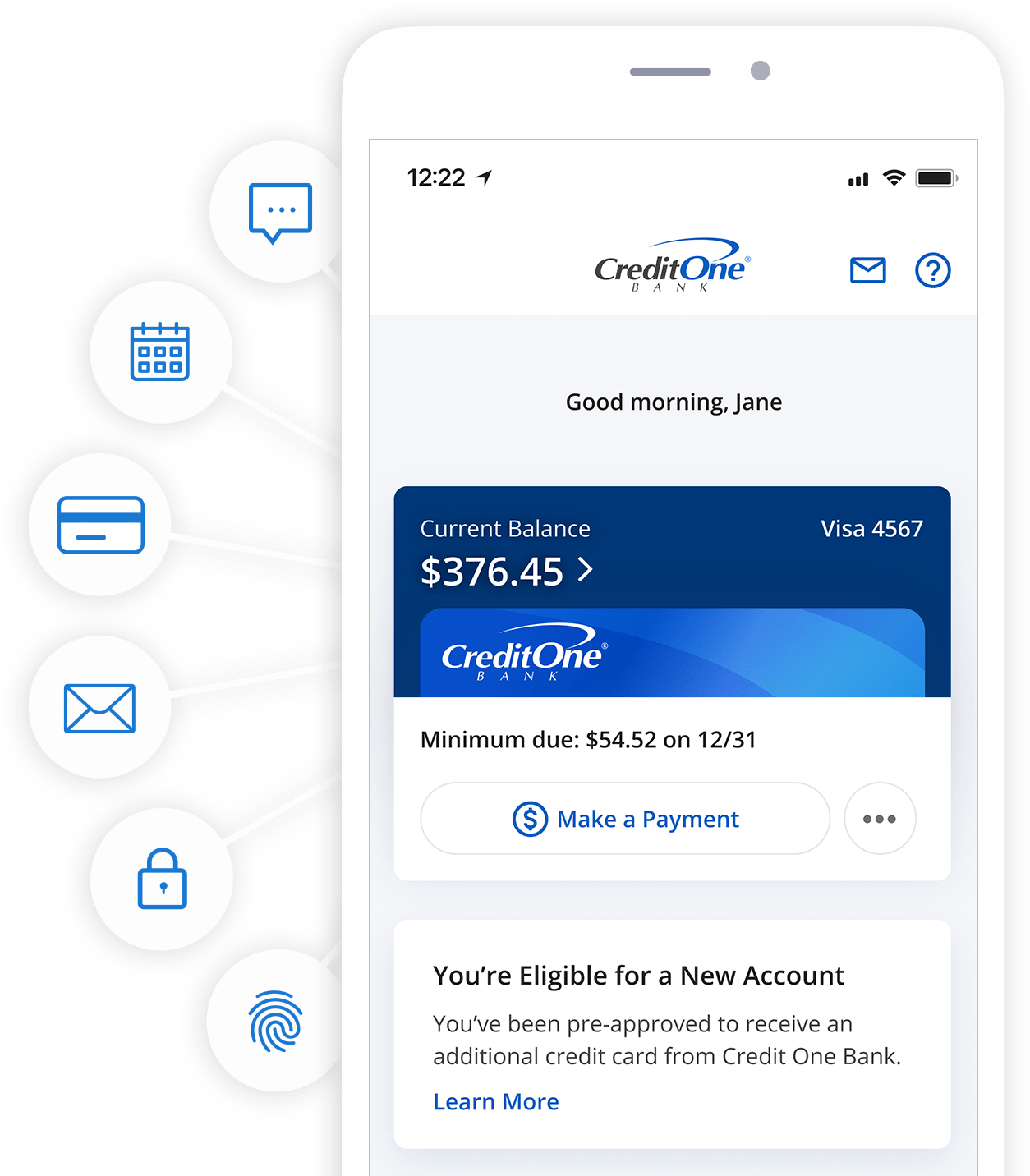
Credit One often reviews accounts for potential credit limit increases after several months of responsible usage, such as on-time payments. While a higher credit limit can improve credit utilization ratio (the amount of credit used versus the total available credit), it also represents an increased potential for debt. Cardholders should view credit limit increases as an opportunity for better credit management, not an invitation to spend more. Proactive account management through their online portal or mobile app allows cardholders to monitor balances, payment due dates, and statements, helping to prevent late payments and stay on top of their financial obligations.
Credit One’s Impact on Your Financial Health
For many, a Credit One credit card serves as a vital entry point into the world of credit, offering a chance to establish or rehabilitate their financial standing. The impact on one’s financial health, however, is heavily dependent on how the card is managed. Used wisely, it can be a powerful tool; misused, it can exacerbate financial difficulties.
Building Credit with Caution
The primary benefit of a Credit One card for many users is its potential to help build credit. Credit bureaus (Equifax, Experian, TransUnion) receive regular reports on account activity, including payment history, credit utilization, and the age of the account. Consistently making on-time payments and keeping credit utilization low (ideally below 30% of the credit limit) can positively influence a credit score over time. This improvement can eventually unlock access to more favorable financial products, such as lower-interest loans, better credit cards, and even improved terms on insurance premiums.
However, caution is paramount. The high APRs and fees mean that even minor missteps, such as a late payment or carrying a high balance, can quickly undo progress and lead to financial strain. It is crucial to approach a Credit One card with a clear strategy for responsible use.
Managing Debt Effectively
Given the high interest rates, managing debt on a Credit One card is critical. If a balance accumulates, focusing on paying it down aggressively is essential. Strategies such as the “debt snowball” or “debt avalanche” can be applied, prioritizing the highest interest debts first (debt avalanche) or the smallest balance first (debt snowball) to gain momentum. Avoiding new purchases until existing balances are significantly reduced or paid off is also a wise approach. Leveraging financial tools, like budgeting apps, to track spending and allocate funds specifically for debt repayment can be highly effective.

Strategies for Transitioning to Prime Credit Products
A Credit One card should ideally be viewed as a stepping stone. Once a credit score has improved to a near-prime or prime level (typically FICO 670+), cardholders should explore options for transitioning to credit cards with better terms from other issuers or even Credit One’s own higher-tier offerings, if available and competitive. These better products often feature lower APRs, no annual fees, more robust rewards programs, and higher credit limits.
Before applying for new credit, it’s advisable to review one’s credit report for accuracy and ensure that financial habits are solid. Gradually closing the Credit One account, if desired, should be considered strategically, as closing an older account can slightly reduce the average age of accounts and potentially impact the credit score. Often, it’s more beneficial to keep the account open with a zero balance to maintain the credit history.
In conclusion, Credit One Bank serves a specific and often vital role in the financial ecosystem, providing credit access to individuals who might otherwise be excluded. For those aiming to improve their credit standing, Credit One cards can be a valuable tool, but their effective use hinges entirely on disciplined financial management, a thorough understanding of their terms, and a clear vision for long-term credit health.
aViewFromTheCave is a participant in the Amazon Services LLC Associates Program, an affiliate advertising program designed to provide a means for sites to earn advertising fees by advertising and linking to Amazon.com. Amazon, the Amazon logo, AmazonSupply, and the AmazonSupply logo are trademarks of Amazon.com, Inc. or its affiliates. As an Amazon Associate we earn affiliate commissions from qualifying purchases.